


Love in the Paleolithic
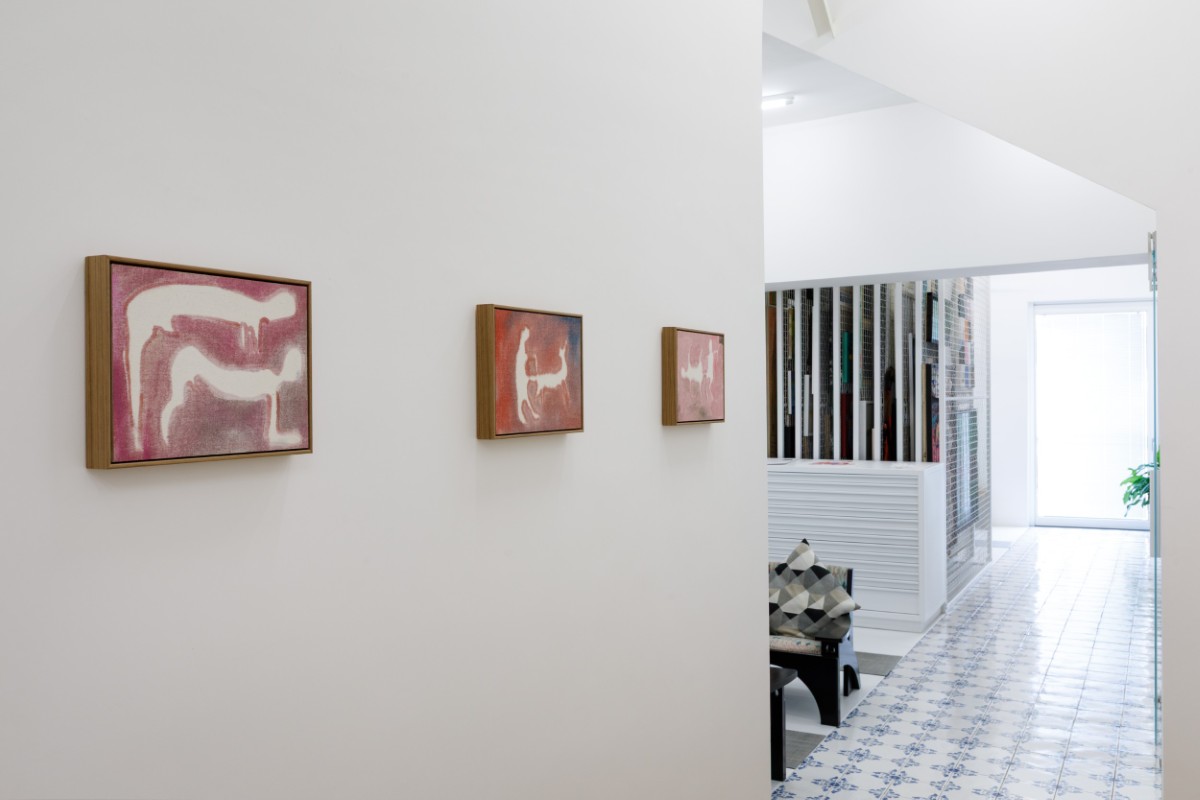
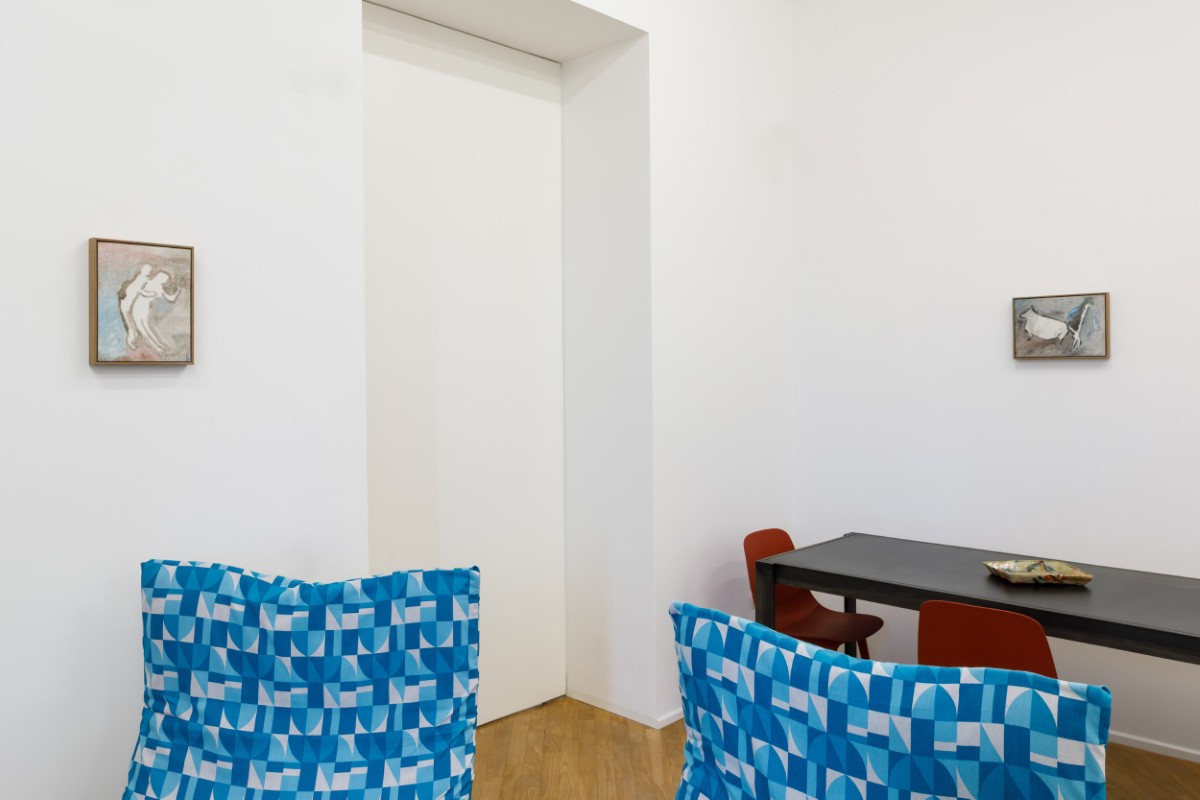
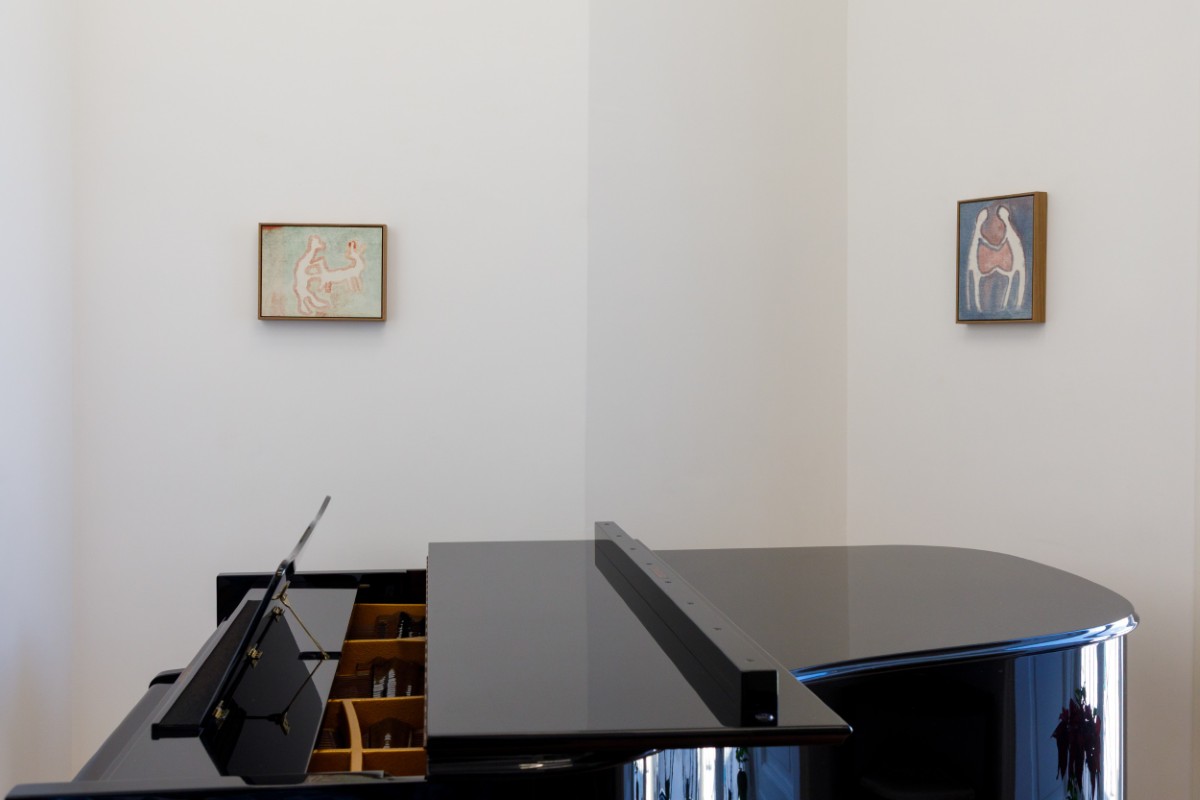
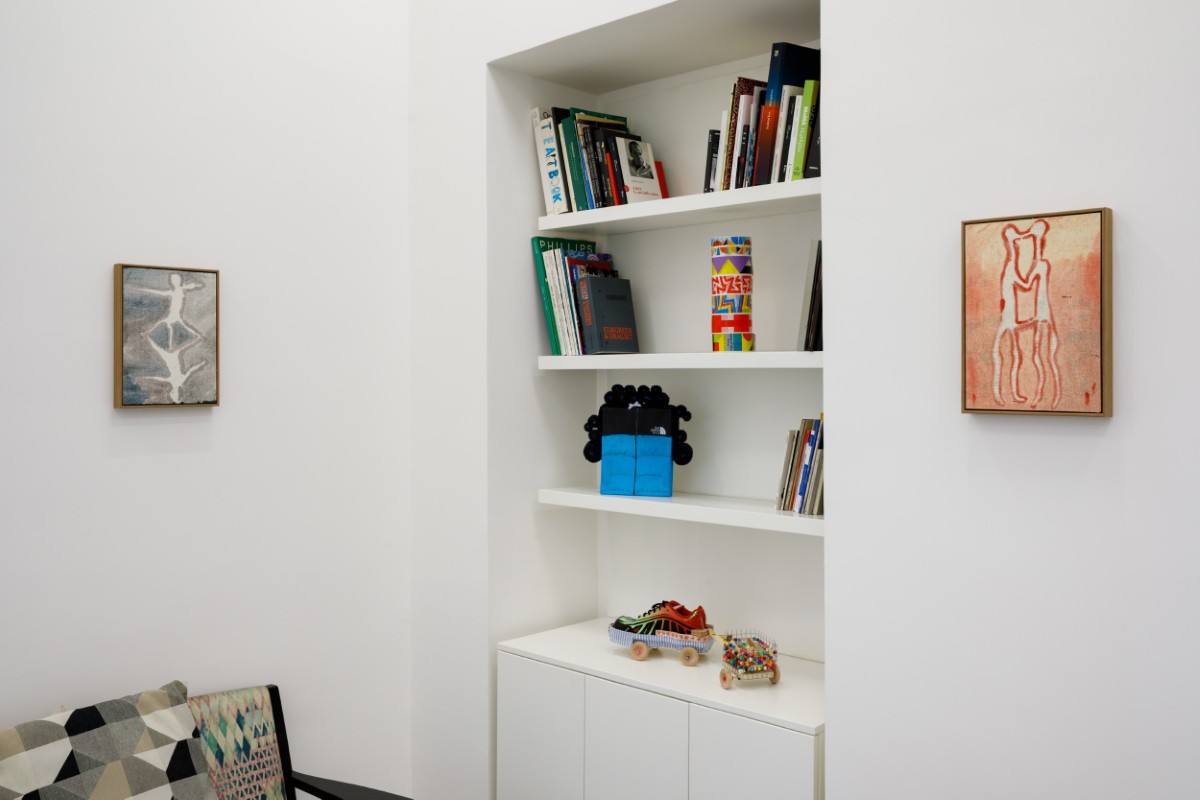
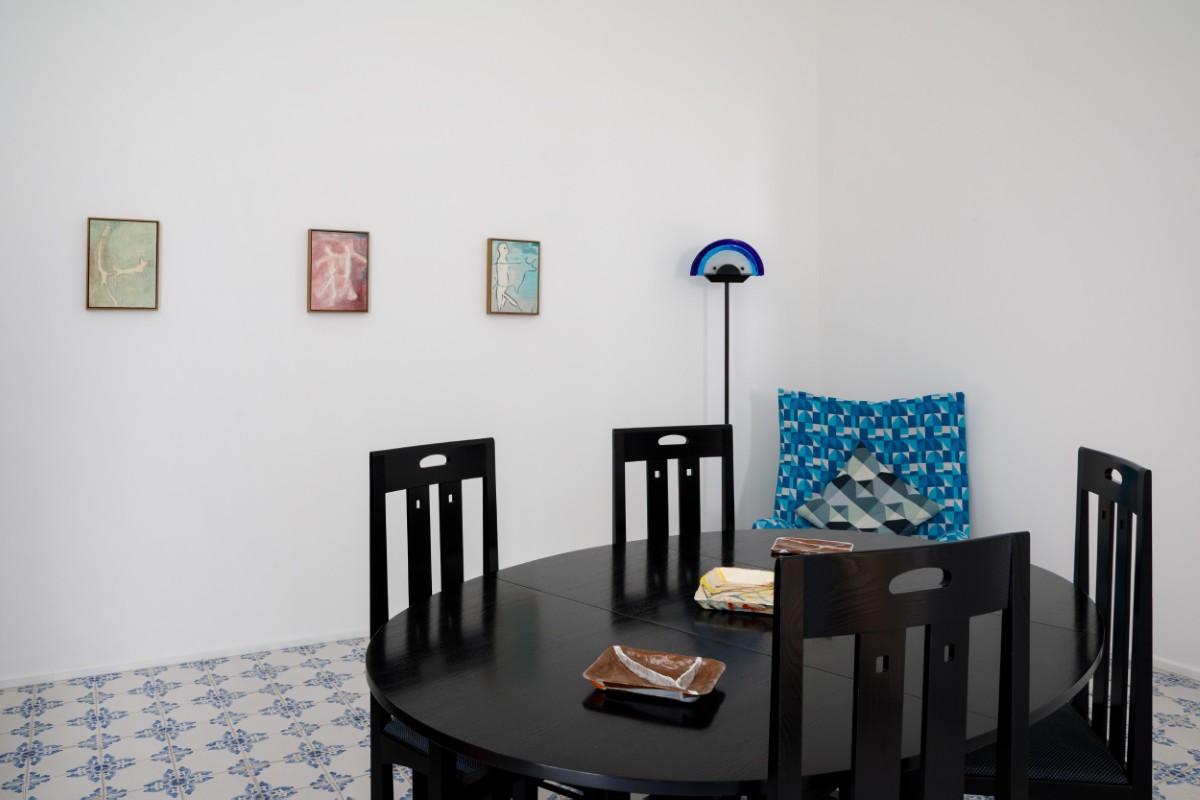
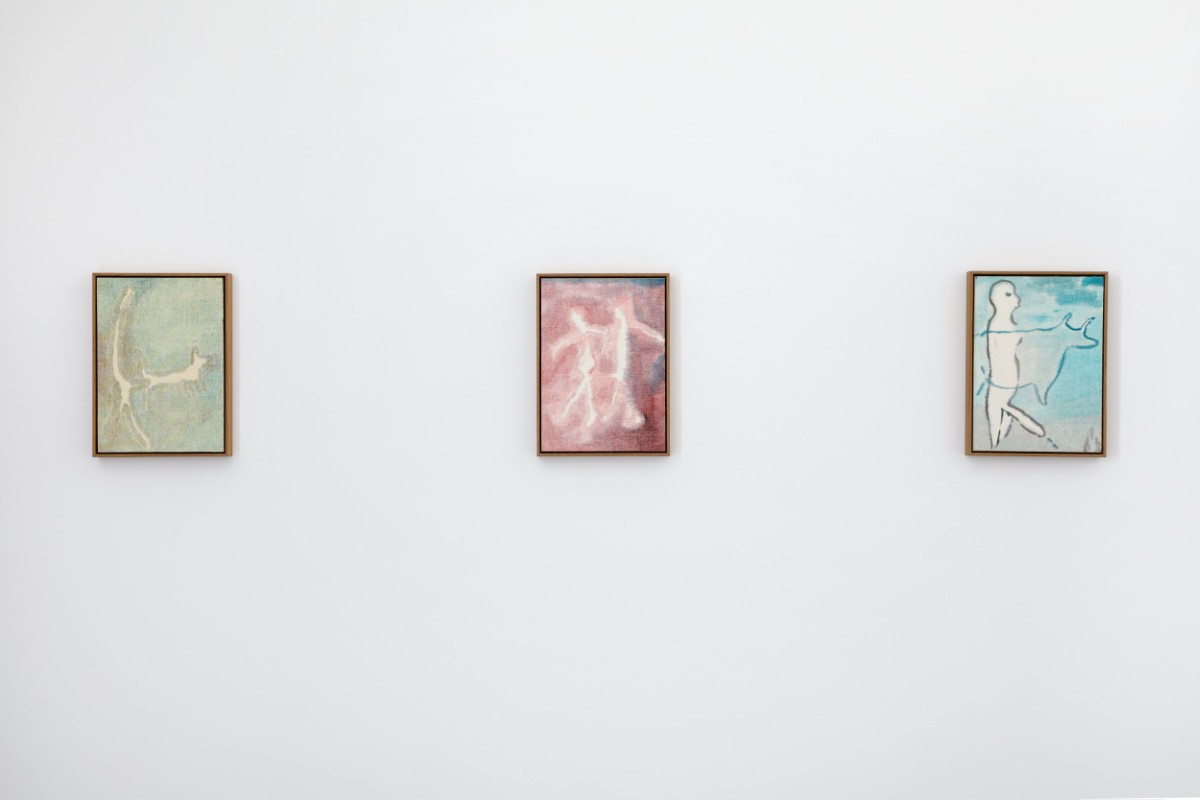
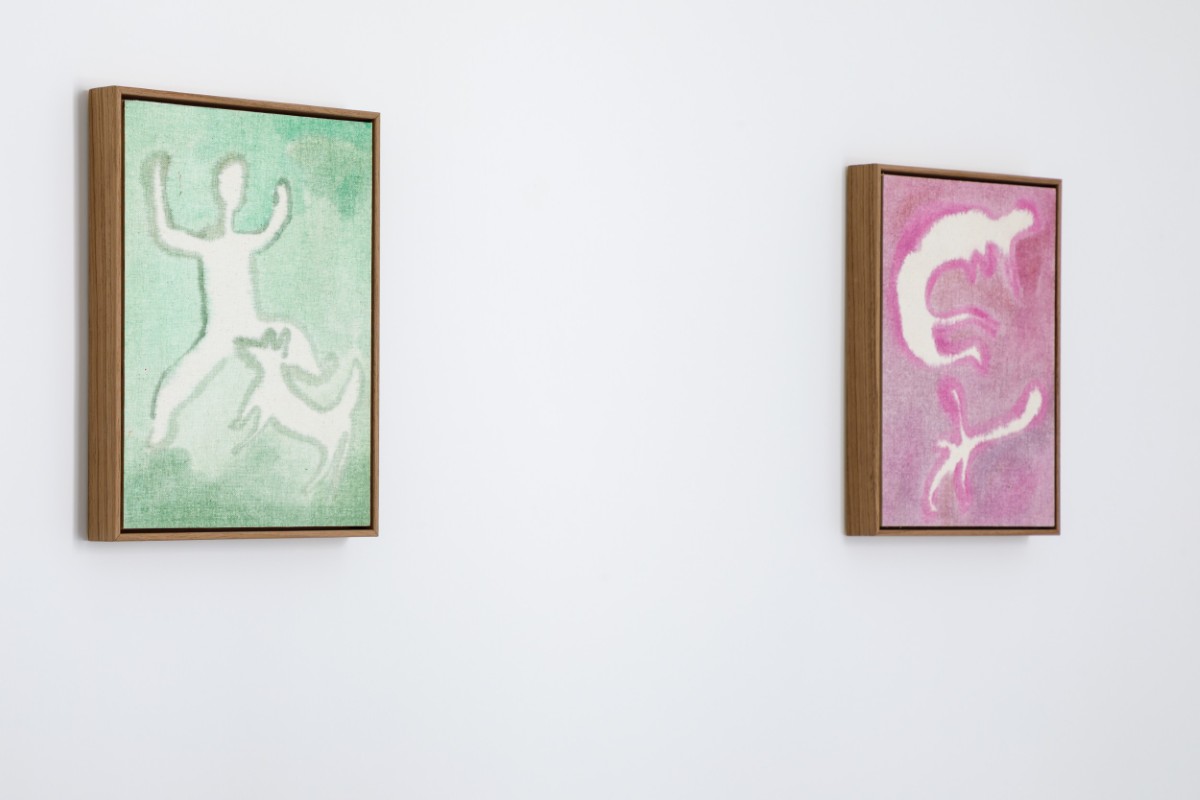
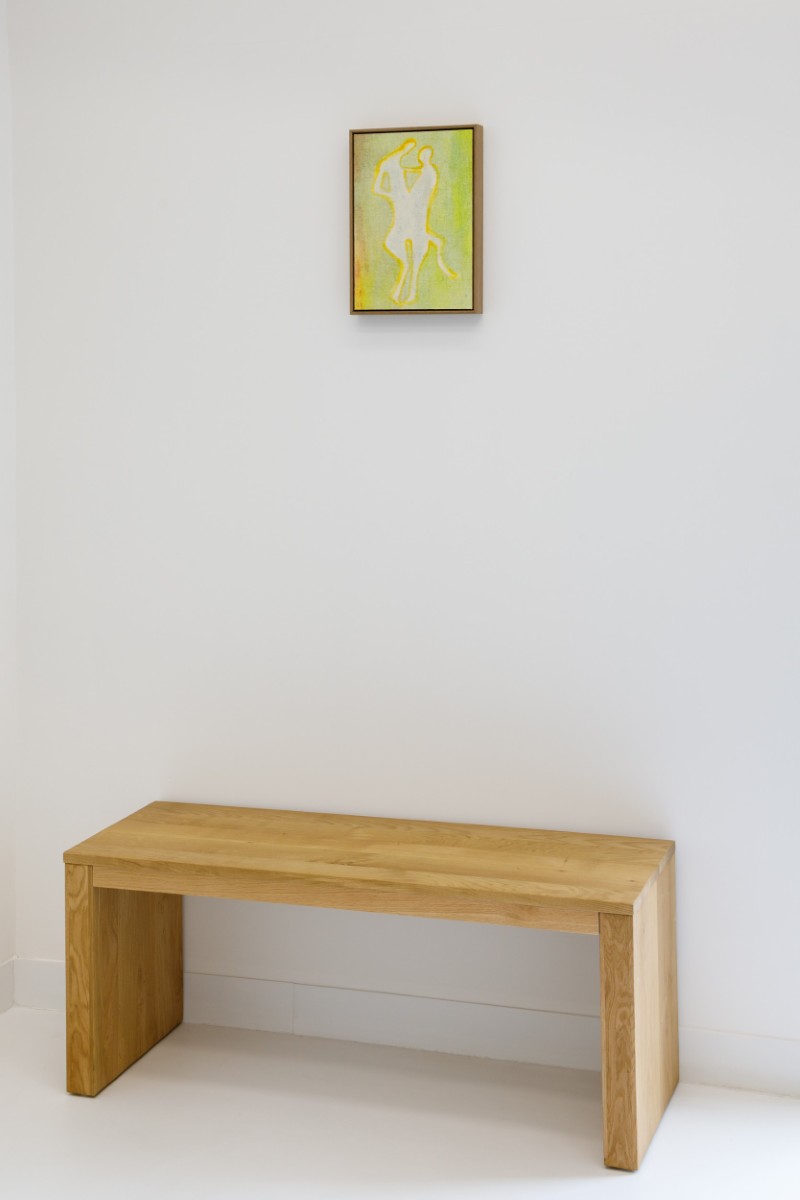
We are very pleased to present Love in the Paleolithic by Isadora Neves Marques, the first solo project entirely conceived and developed within the spaces of Casa Di Marino. The exhibition marks the beginning of a new chapter in the gallery’s program, activating the domestic dimension as a site of experimentation and research, where solo projects and new productions by represented and invited artists will alternate.
To inhabit this context also means to question its conventions. The logics of domestic decoration are bent and reconfigured, as recent works enter a private environment and contribute to redefining the relationship between space and display. In dialogue with the everyday life of the Di Marino family, these images evoke a possible prehistory, rather than a reconstructed one, opening onto an evolving reflection and tracing the first lines of a new body of work that Isadora Neves Marques is still developing. The exhibition thus takes shape as a threshold, a moment of transition that offers a glimpse into the process before its completion, a vision presented as a work in progress.
What follows is a text written by the artist:
“Some years ago, I found out that one of the oldest-known sexual representations in art history is in my home country. Found in the remote Côa valley in the north of Portugal, at the border with Spain, among rock drawings of horses and other animals, there is a Paleolithic image of a man having sex with a bull. It is very rare to see representations of human figures in the Paleolithic, much less in a sex scene.
I visited the drawing last year, at night under a full moon, with the help of an archaeologist. We had to walk across high grass along a stream, the water rippling melancholically in our ears, avoiding tics that tried to jump on us. The moon shone so bright that we could see the valley with naked eyes. Past some low hanging trees, the archaeologist pointed his flashlight at a boulder, and there it was: a large bull, perfectly drawn in a realistic style, and on top of it the drawing of man, mouth open, enormous phallus, with an expressive, straightforward line for the ejaculation and several wavy line over his head, which the archaeologist interpreted as orgasm or the man’s spirit leaving the body. The rock drawing might be dated to 35.000 years ago, but I think we all know that feeling, right?
The Côa drawing is not a mere sexual scene between two humans. It is a sex scene between a human and an animal, which, in my eyes, beyond the taboo, highlights the intensity of feelings, unbound and almost inhuman, that we all face, in the past as today, in matters of sex and love. We are separated from our Paleolithic ancestors by language and psychology, and all these smart discourses about our egos, and yet, despite deeming ourselves so intellectual and civilized, we are just as much possessed by our primal emotions, desire, passion, and the confusing ambiguity of jealousy and idealization. Wanting to love and wanting to be loved.
Alone for months in a large house offered by Luma Foundation in Arles, in the south of France, close to where Neanderthal remains are found, I painted the Côa drawing from memory. And then researched for other prehistoric sexual images, painting variations of each one, trying to become intimate with them. There aren’t many that we know of: a couple of rock drawings in Val Camonica in the Italian Alps; others in Scandinavia. Some are also images of sex between humans and animals; others of two humans embracing.
In repainting these ancient images, I found a way to connect with myself. Having trained as painter, I hadn’t painted in fifteen years. As my film work grows in scale and my parallel career in cinema matures into true feature films for theaters, after Rotterdam and Cannes, I’m now finding my personal relationship to art in these small acts of painting, each one like a piece of poetry, which those who follow me know that I love so much.
Of course, listen, just here between us, I’m also making a film with Neanderthals in love – you’ll have the opportunity to watch it soon –, putting the Côa drawing into film for the first time, and painting the several couches where I have done psychotherapy along the years, even my psychotherapist’s old, worn-out shoes! One idea, or an image, always leads to another.
We are living in confusing times right now. And sometimes we find ourselves alone asking, what has all this intelligence led to? To move forward with hope, humanity, and desire, I have to go back to the beginning. To what made us humans to begin with. And to sex and to love”.
Isadora Neves Marques, April 2026