


Mistranslation
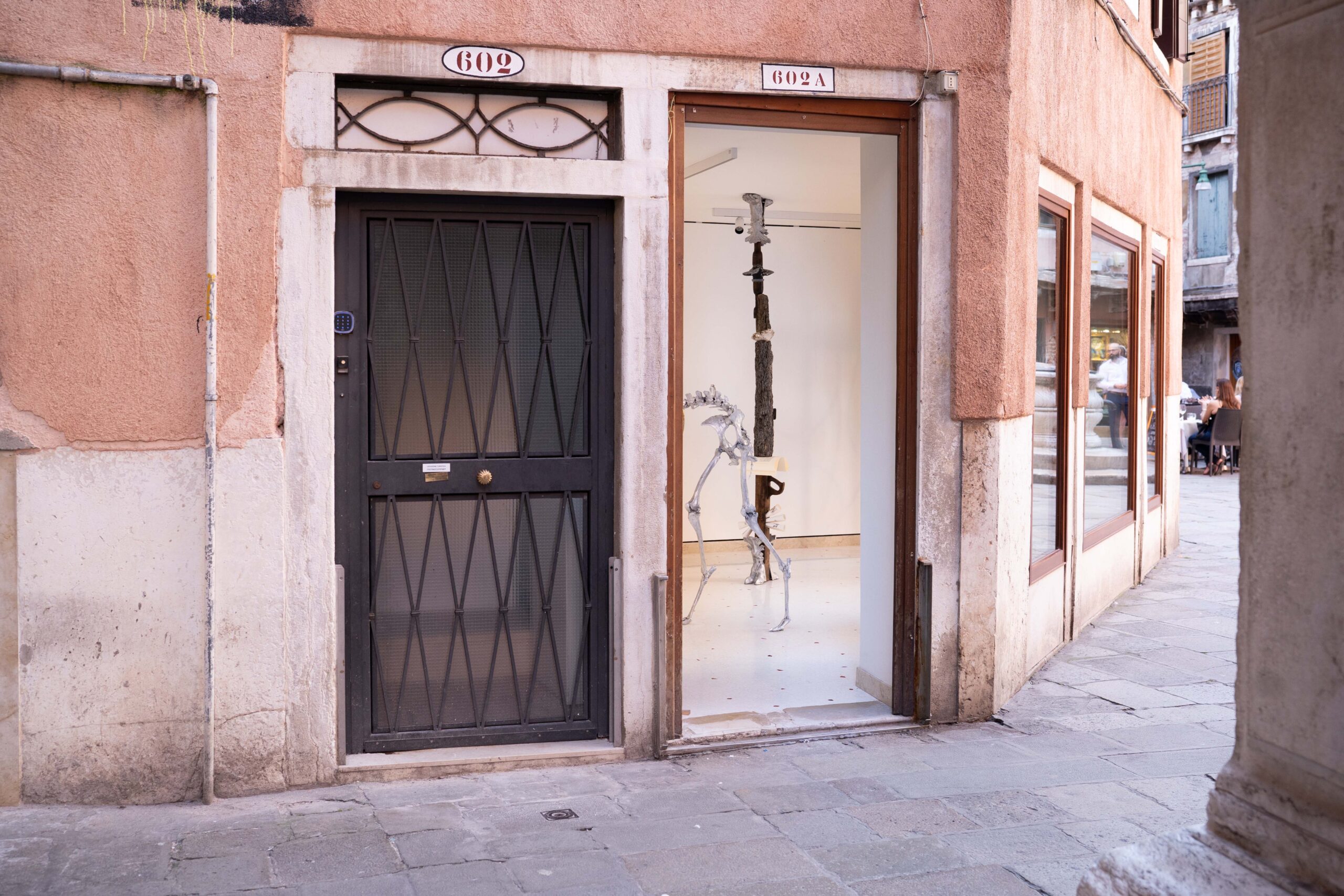
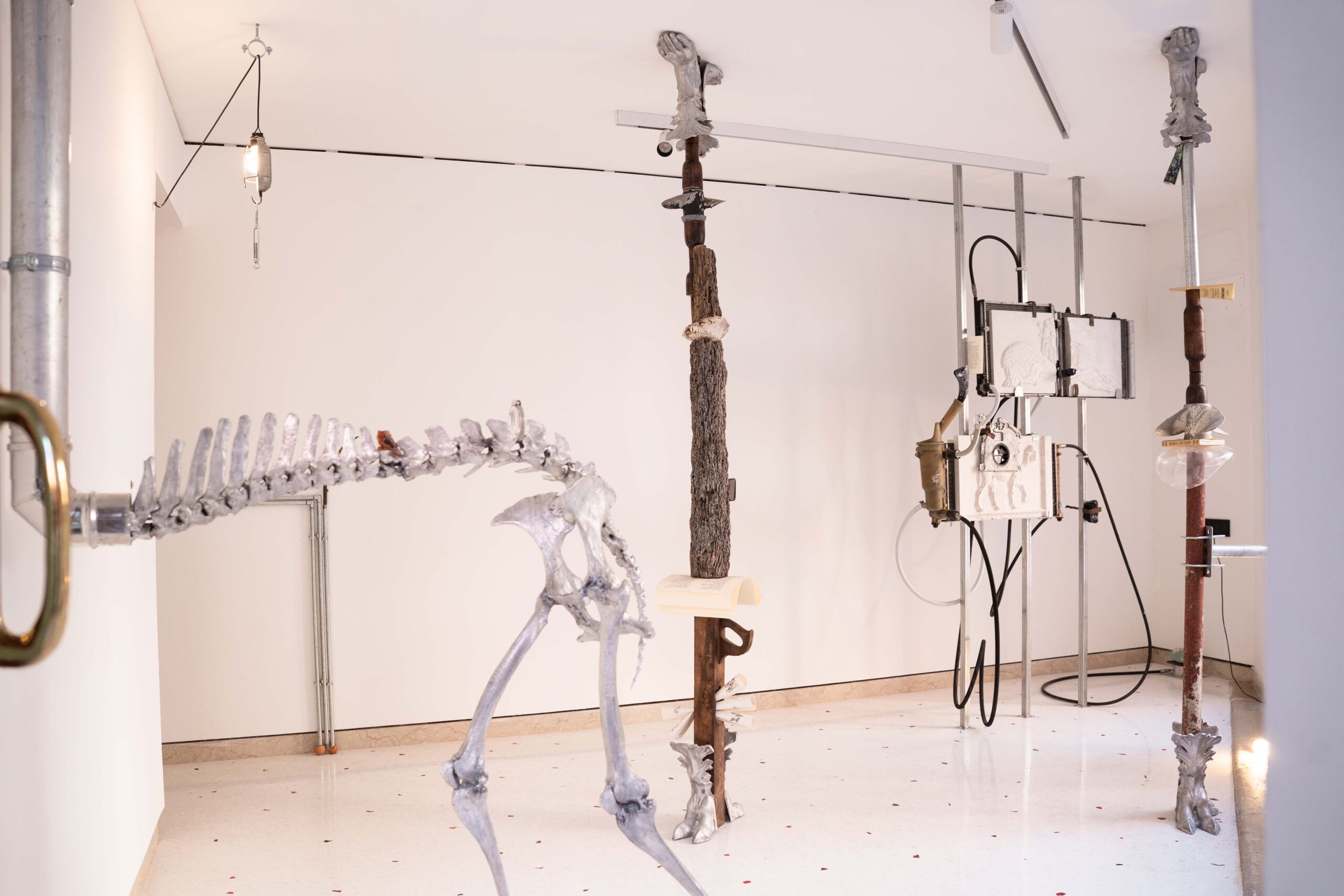
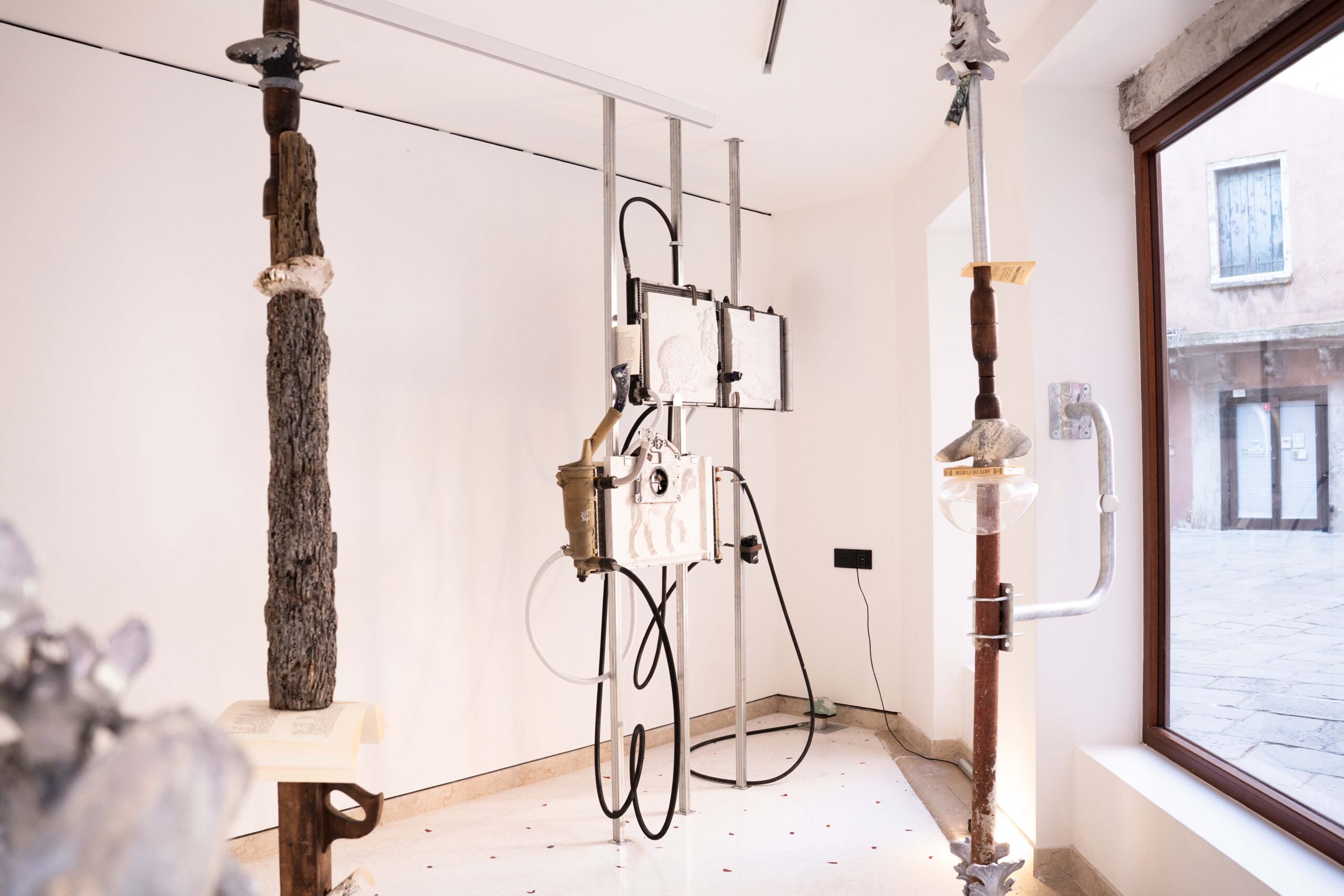
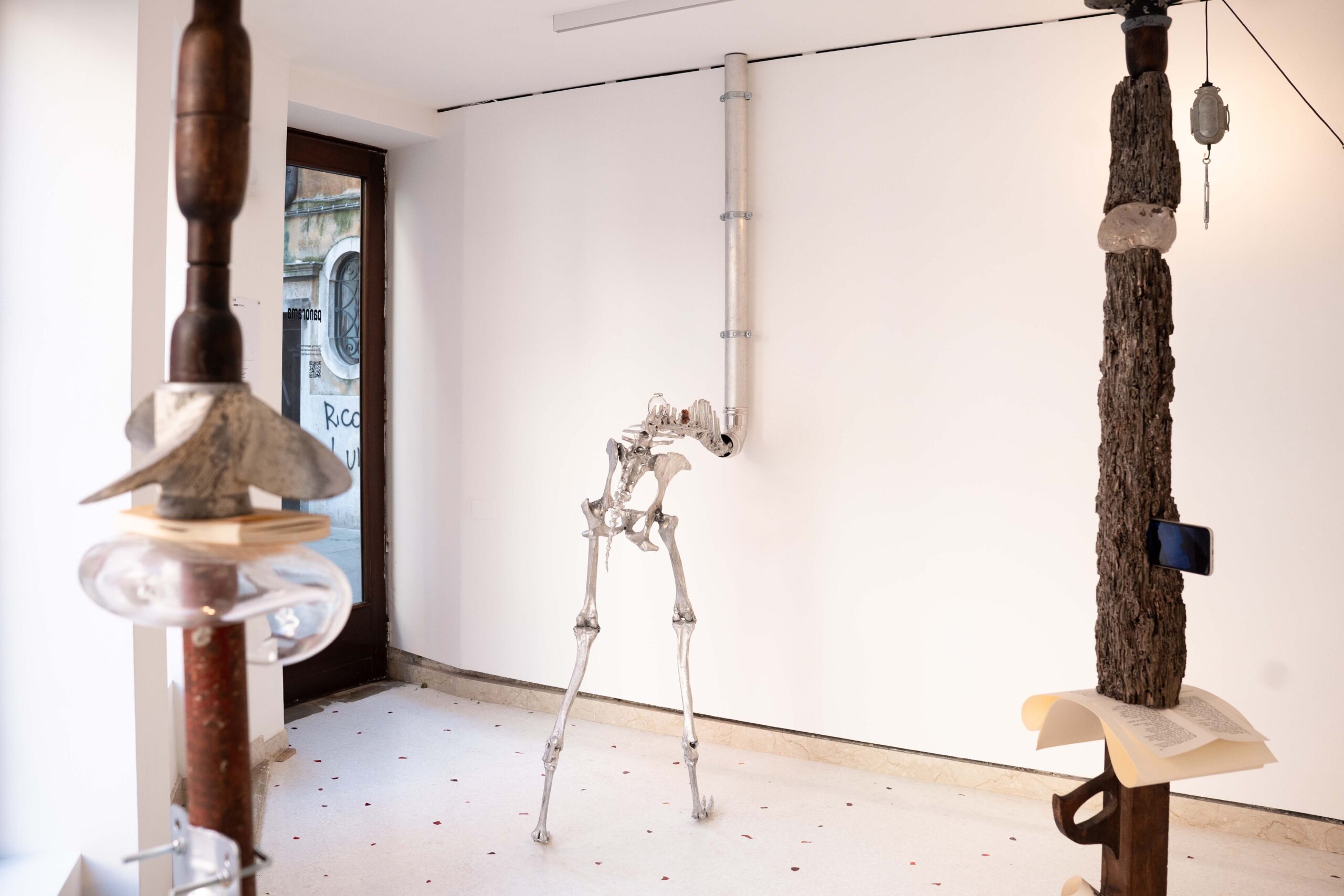
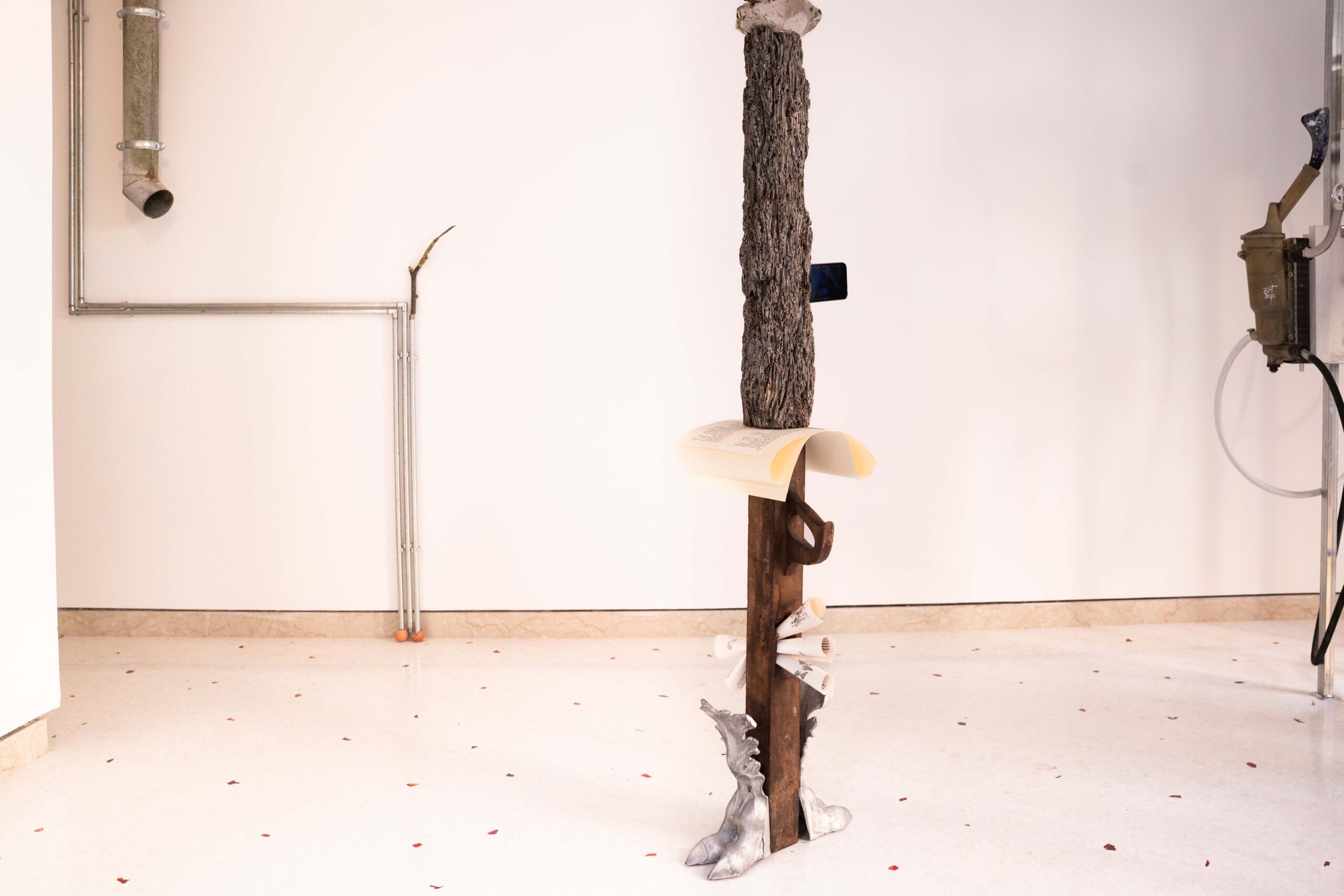
A mistranslation is the result of a process in which an idea crosses a bridge between languages, losing part of its essence along the way. It is an attempt in which meaning does not fully manage to fit when transferred from one system to another. Sometimes this occurs because human experience does not fit precisely within a single code of definition and interpretation, and then a confession can become a misunderstanding, a joke an offense, a deep truth a banality. Nevertheless, the error opens a space of possibility in which meanings change, waver, and transform.
The presented work arises from a personal process of collecting, organizing, and translating information, materials, and perspectives, spatially structuring the three moments of the exhibition as a synthesis of the human fixation on classification. It is a practice based on intentionally slow observation, where ideas are constructed from the accumulation of fragments, lived experiences, and displacements undertaken by the artist across contrasting geographies such as the desert, the humid jungle, the mountain range, urban density, and now the amphibious condition of Venice, which has led her to dig into instability and the nature of interpretation.
The research decants through the notion of load, using materials that bear the weight of others in fragile balance and are forced to coexist. It reflects on what sustains the contemporary world and the human condition within systems in a state of containment. The exhibition also examines the anthropocentric gaze and the human illusion of independence, omnipresence, and control, especially exploring how the digital is perceived as an ethereal dimension, apparently detached from the materiality of the physical world. This critique highlights our inherent dependence on infrastructures of energy, extraction, and exhaustion, where the works appeal to an awareness about other agencies, the geological memories they contain, the nature of their transformations, and their active participation in the construction of the world; not only as supports, but as entities that condense history, time, and use.
Together, the organization of these materials, findings, and concepts functions as a political questioning of the systems of classification through which we order our environment, in resonance with El Idioma Analítico de John Wilkins by Jorge Luis Borges, where an absurd taxonomy exposes the arbitrariness of our bad called “universal” categories and hierarchies. The pieces thus form a play of perspectives and assemblages in which disparate materials and layers of meaning are articulated not randomly, but as an attempt at a language based on improbable coexistence. This gesture echoes the central argument of Material World: The Six Raw Materials That Shape Modern Civilization by Ed Conway, in which it is discussed how, despite technological development, we remain dependent on primary materials in a sophisticated and unfinished “stone age, where the cloud is more anchored to the ground than ever.
The exhibition presents the outcome of the artistic residency promoted by EXCLAMA Proyectos, dedicated to fostering dialogue between Colombian contemporary artistic practices and the cultural and ecological context of Venice.