


hopecore
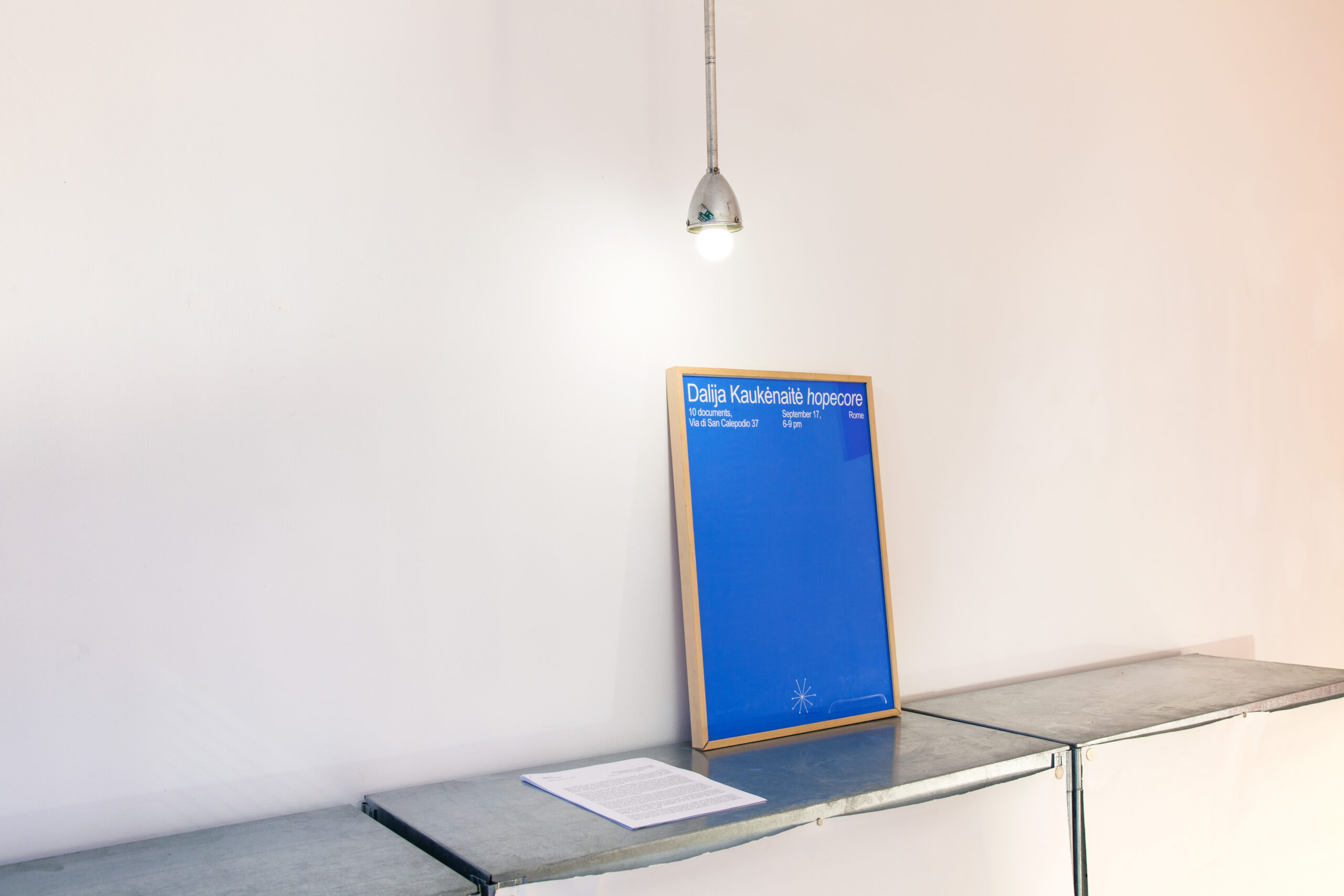
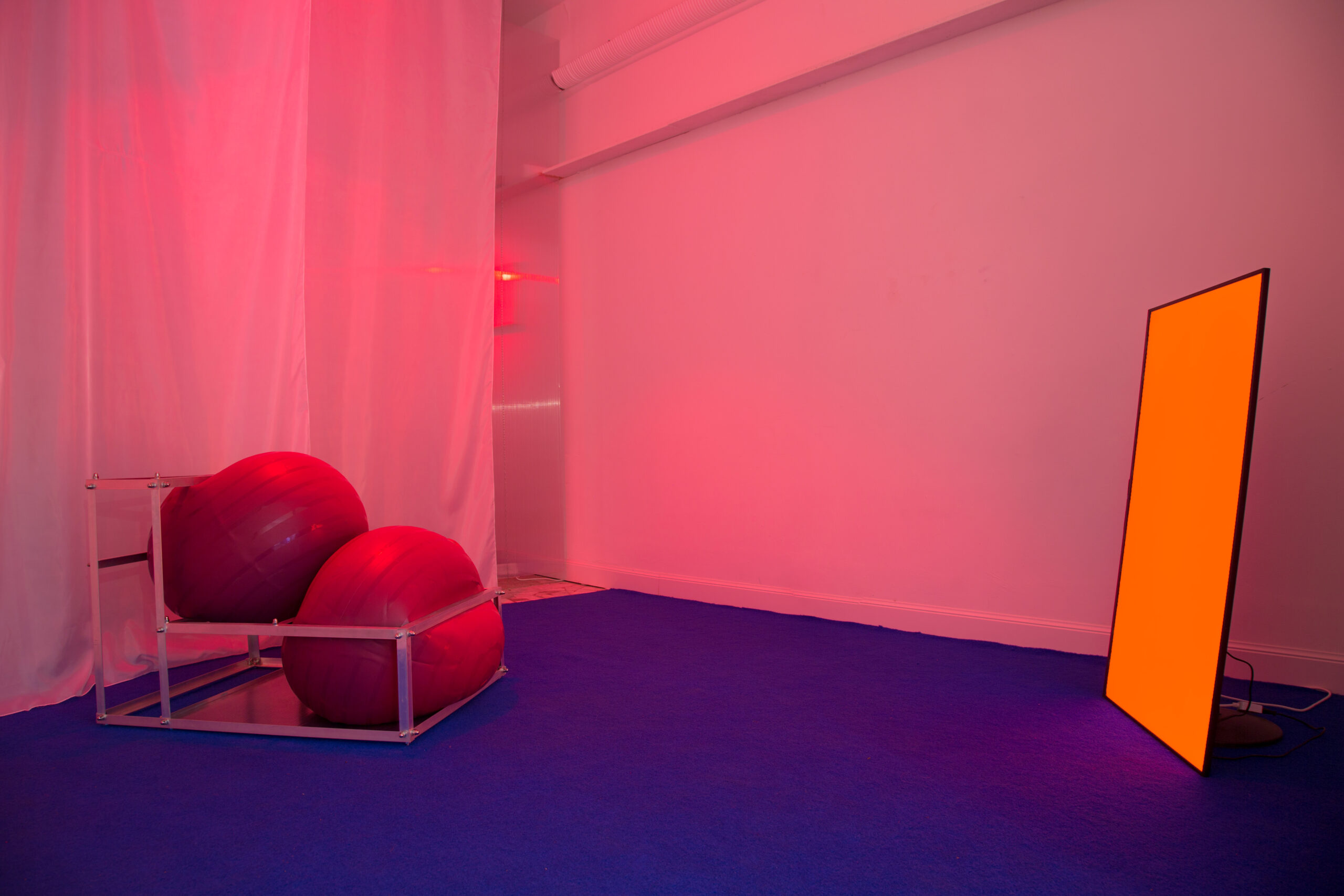
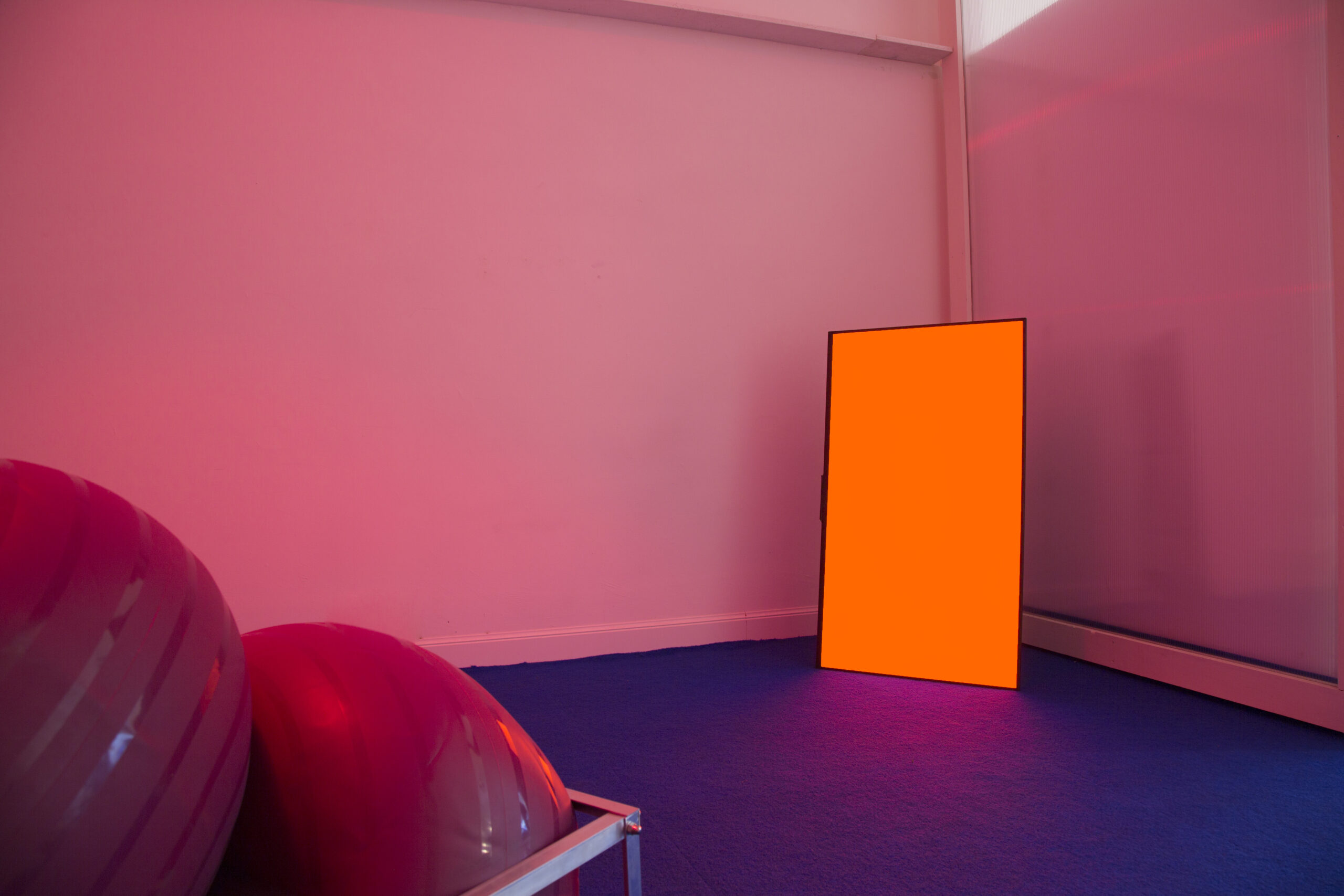
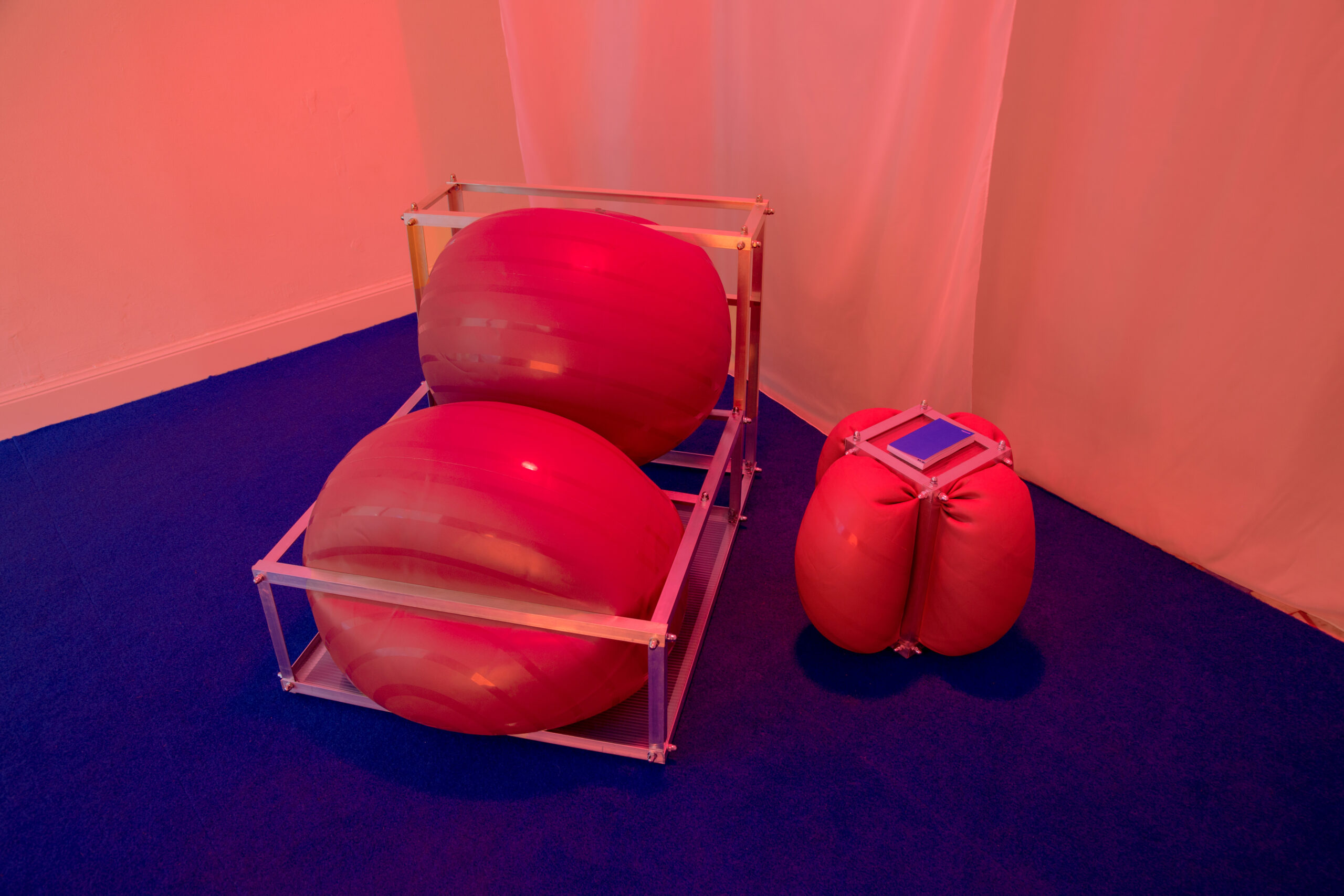
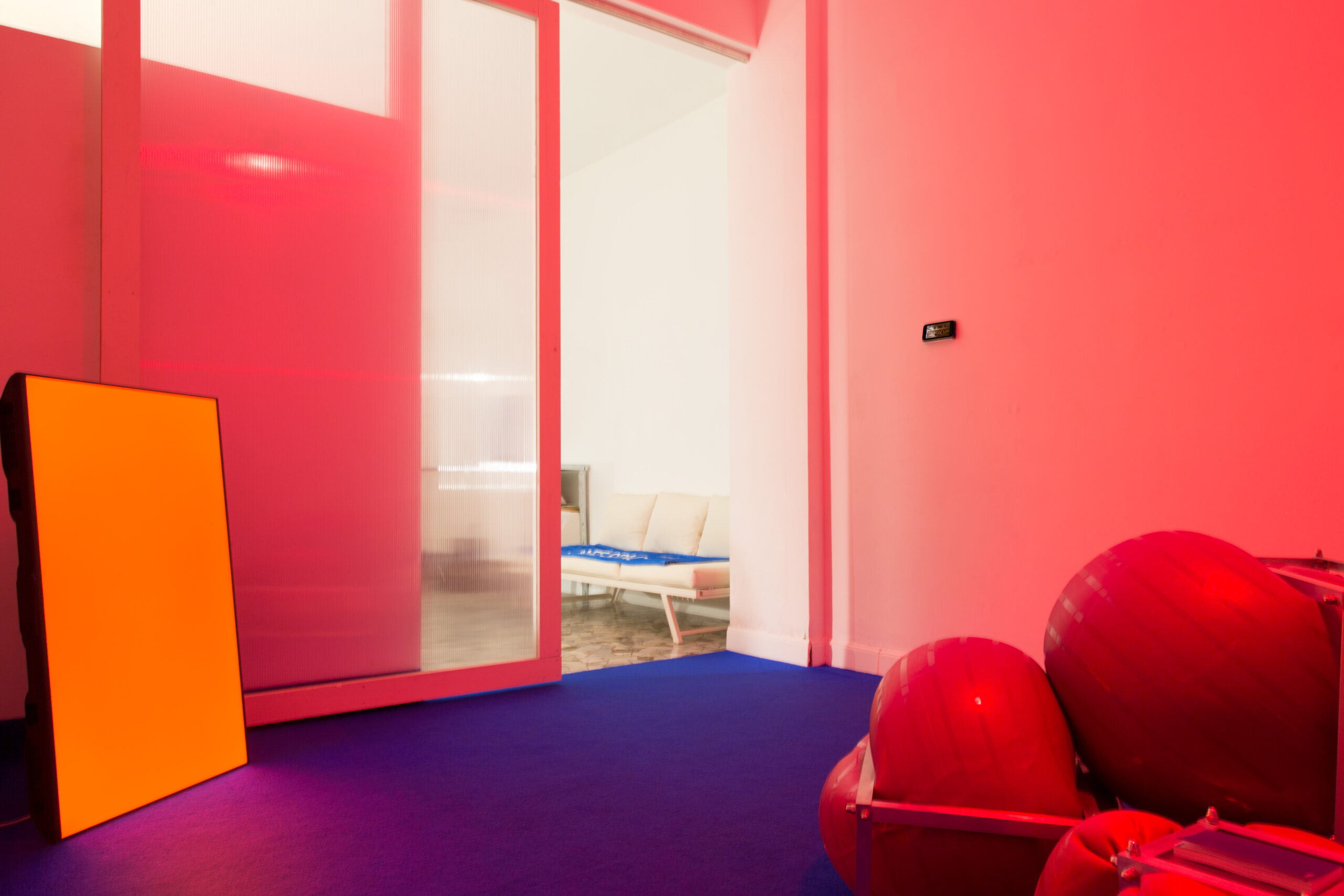
hopecore takes its name from an online subculture built around images, phrases, memes and short videos associated with hope, vulnerability and emotional reassurance. Emerging within the same platforms that sustain doomscrolling and continuous distraction, hopecore circulates through small gestures of recognition: something is encountered, saved, sent to a friend, returned to later. Dalija Kaukėnaitė approaches this circulation as a visual and social language, attentive to how meaning develops through selection, repetition and exchange.
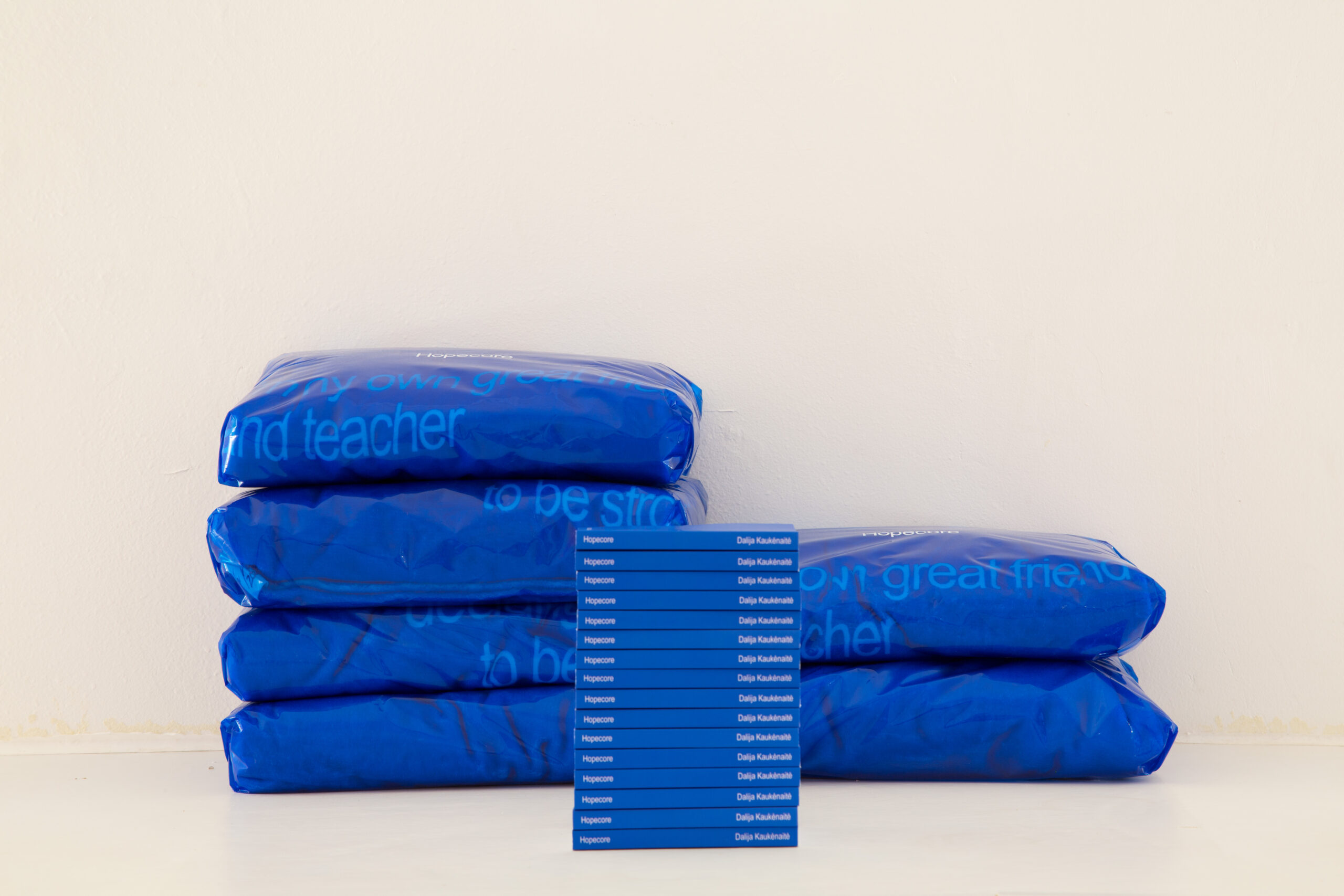
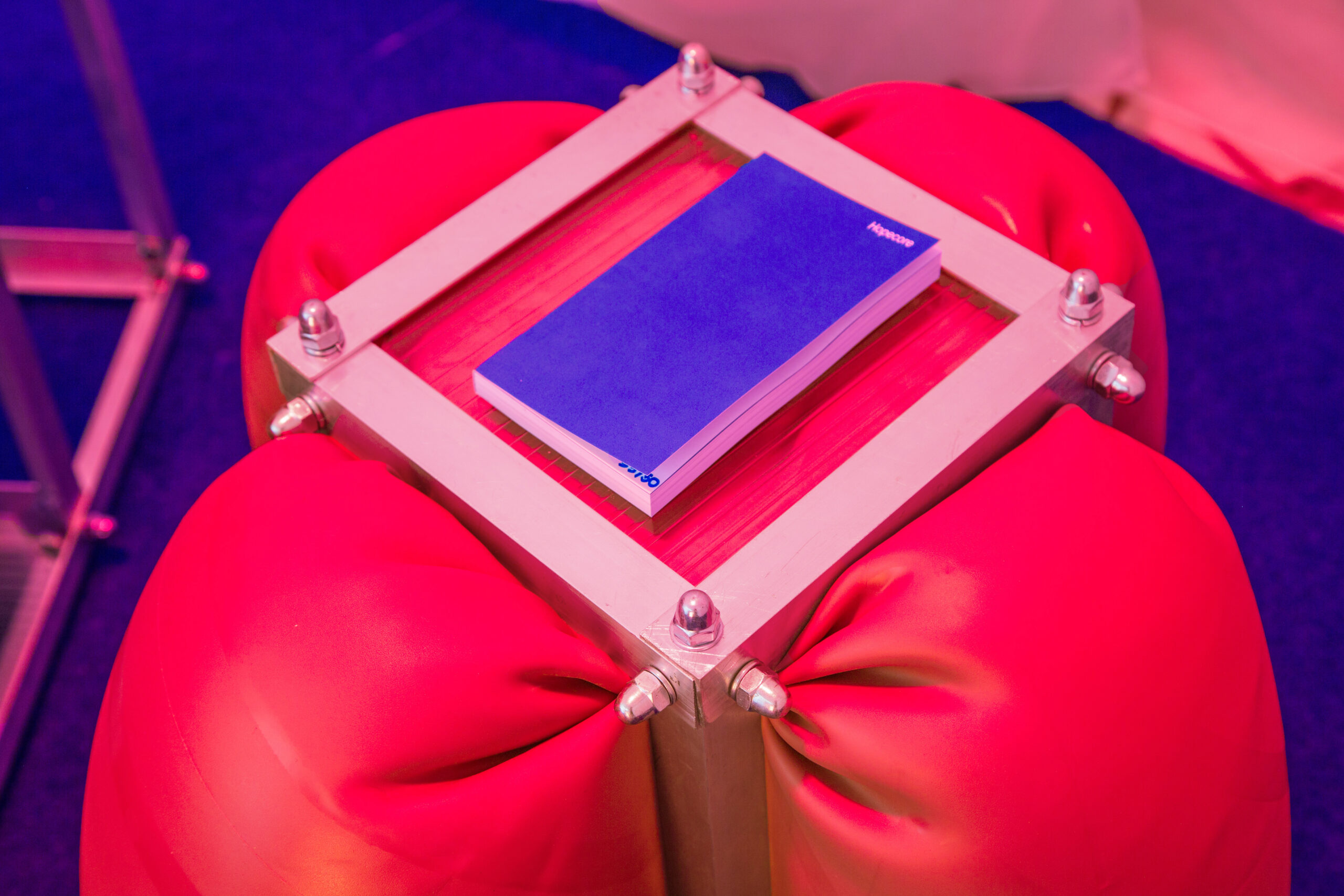
At the centre of the project is an artist’s book designed to match the dimensions of a smartphone. It gathers memes, social media posts, quotations, images and fragments of everyday conversations collected by Kaukėnaitė over time. Most of its contents were produced by others. Her gesture lies in recognising and selecting material from the continuous abundance of the feed, arranging it through an intuitive process of association. Conceived by the artist as an “emergency hope restorer,” the book creates a portable archive of things that have generated affection, reassurance, humour or attachment. The shift from screen to page changes how these materials are encountered. Scrolling becomes turning pages; an image can be held, revisited and passed to someone else. The book introduces a process that runs throughout Kaukėnaitė’s practice: choosing from what already exists and producing new connections through proximity and composition.
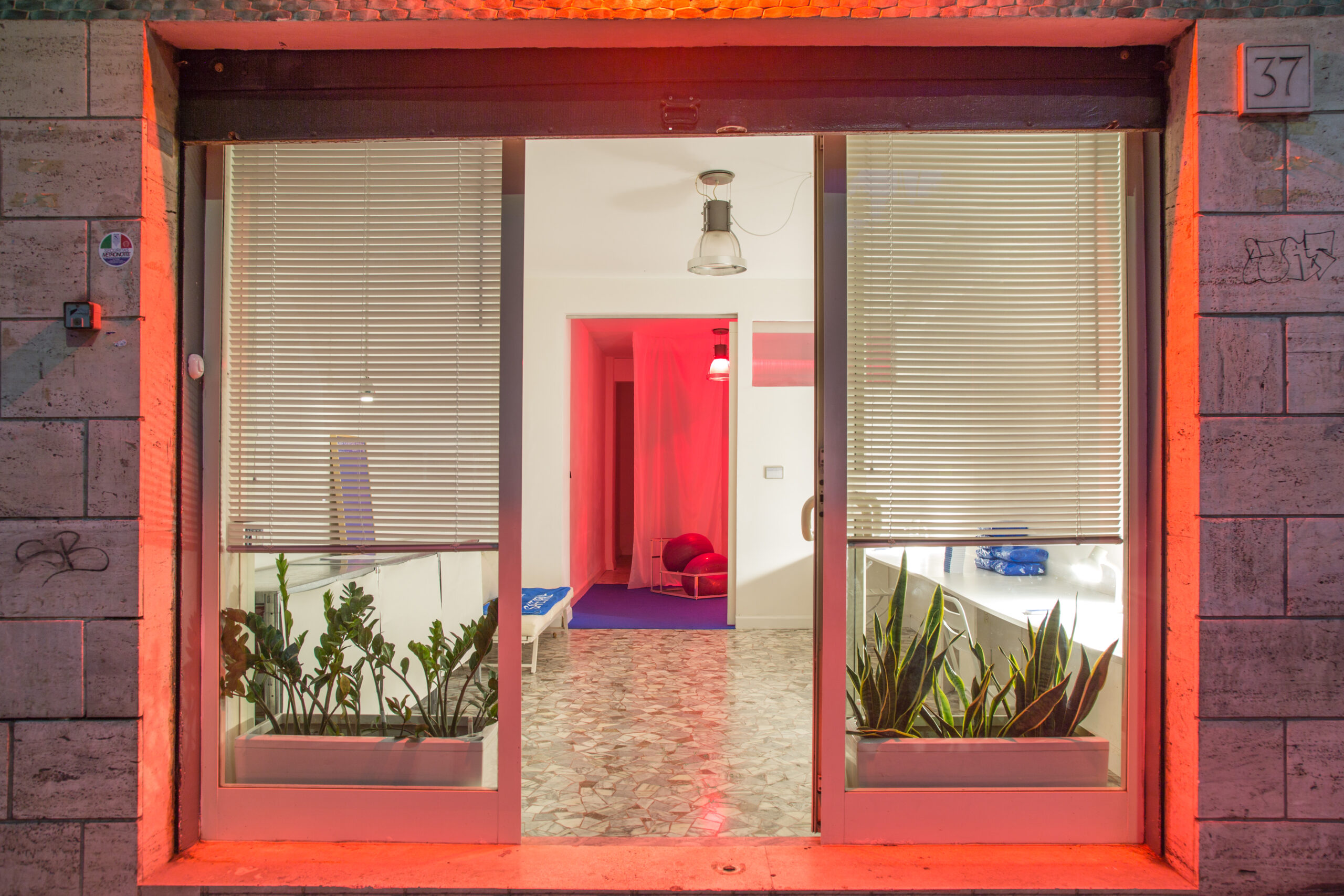
At 10 documents, this process expands into space. The exhibition unfolds through two rooms. The first acts as an antechamber to the newly commissioned work installed in the second. Printed blankets made by Kaukėnaitė, and copies of the hopecore publication create a soft, provisional setting. Fabric, printed matter and the gestures associated with resting give the room a low and informal architecture, bringing visual material into direct contact with the body. Softness creates the conditions for lingering and looking. Here the book can be leafed through, held and passed from one hand to another, and material gathered from many different sources becomes something shared among those present.
This logic of being-with resonates with Jean-Luc Nancy’s notion of the singular plural: existence takes place with others, and singularity itself is constituted in relation. In hopecore, the concept also speaks to the way the exhibition is made, through contributions, encounters and collaborations. Authorship is dispersed across this network, while Kaukėnaitė acts as an orchestrator, shaping its rhythm, arrangement and modes of encounter.
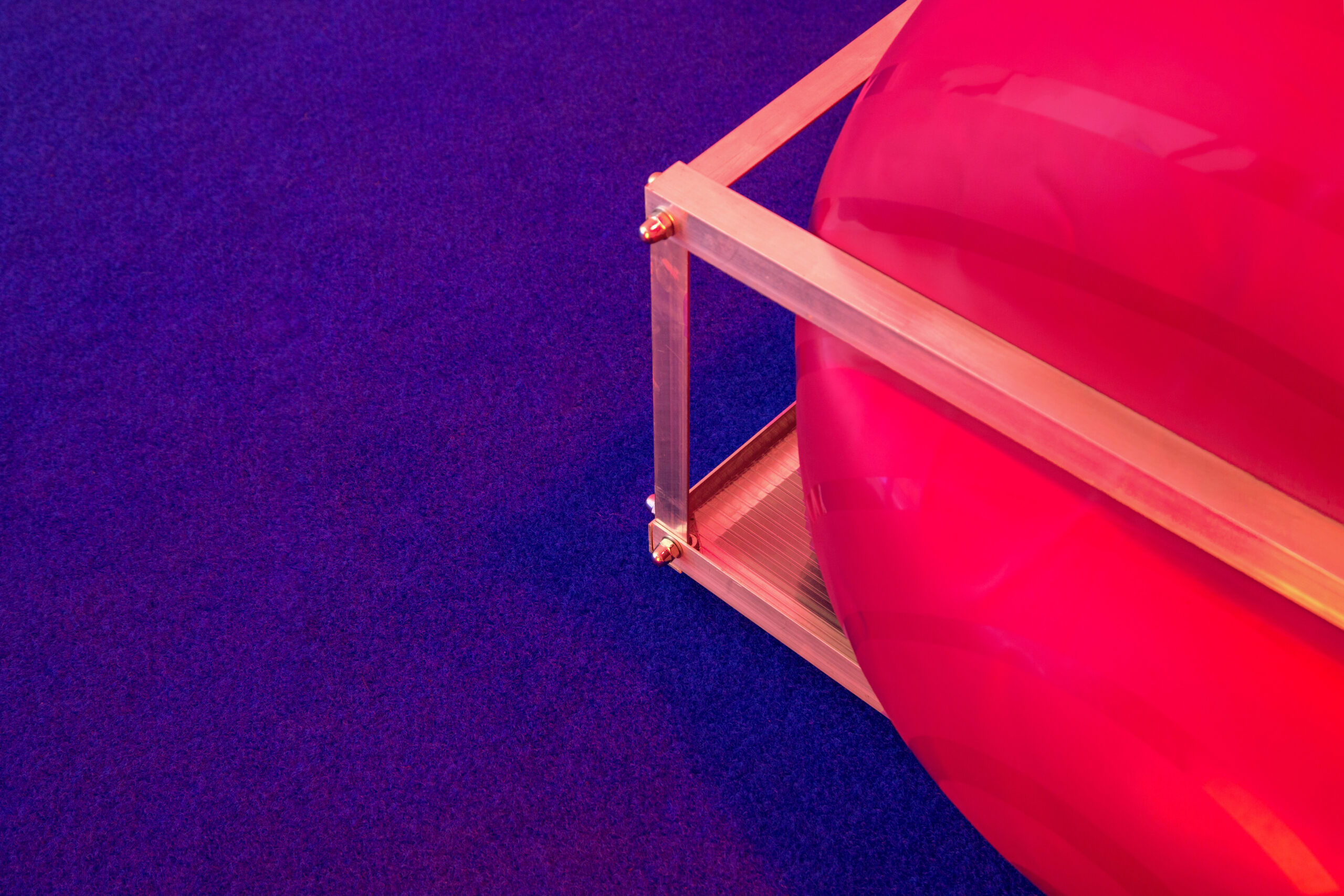
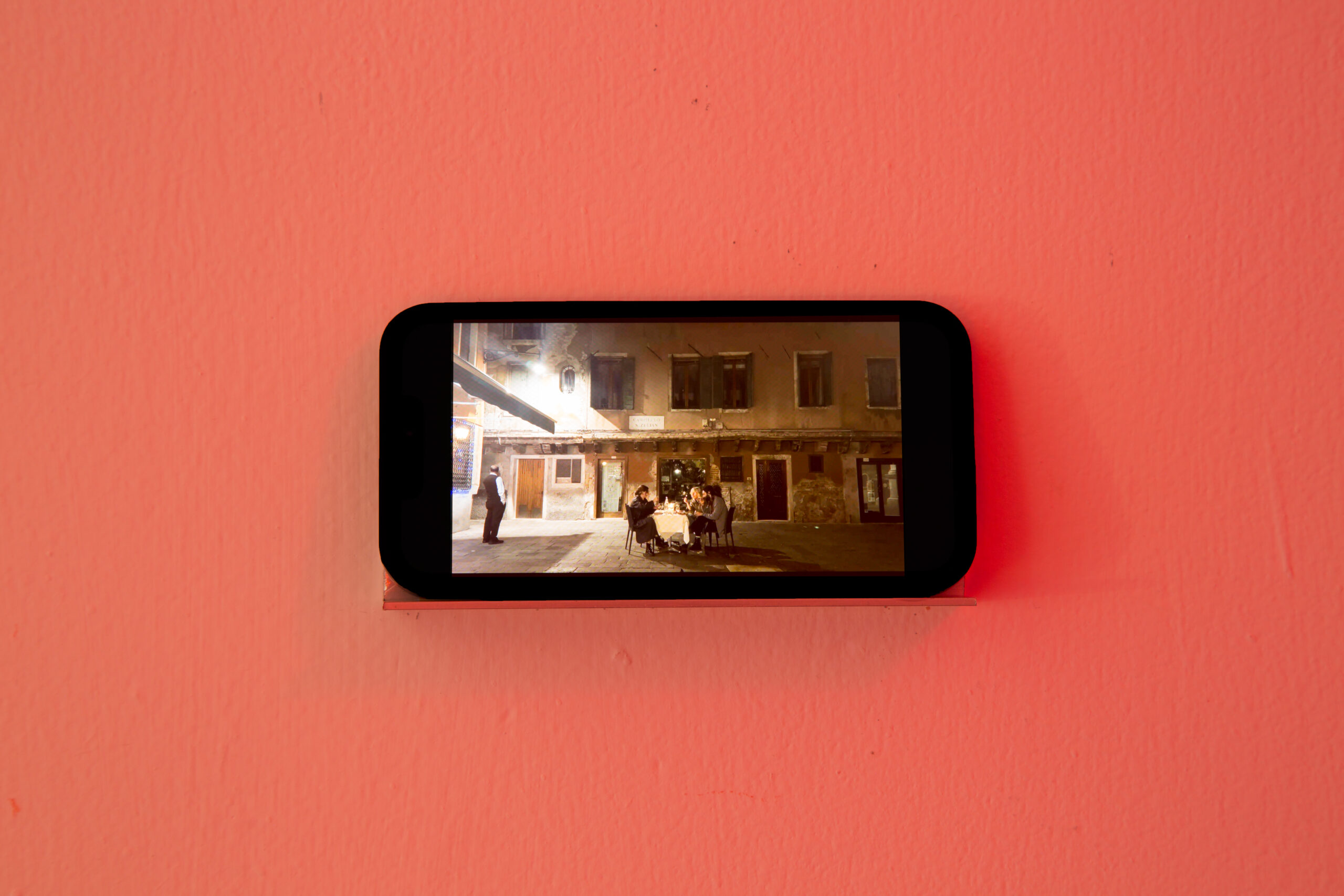
The second room concentrates this choreography around a newly commissioned work conceived by Kaukėnaitė. A chair faces a red screen, surrounded by red light and a soft blue carpet. Translucent white curtains enclose the chair, creating a sheltered space for whoever chooses to sit: a temporary bubble in which the rest of the room recedes and focus can settle. The arrangement translates a familiar bodily position into the scale of the exhibition: sitting before a luminous surface, gaze fixed ahead, remaining there as one image gives way to the next. The work draws on the grid, a structure embedded in graphic design and digital interfaces. Its geometry extends into the chair, giving graphic structure physical volume and placing the body within it. Deliberately comfortable, the chair supports the visitor and encourages them to remain seated. Getting stuck in the feed acquires a spatial and bodily form. The red light introduces the visual vocabulary of red light therapy and contemporary cultures of wellness and self-care. Screen, chair, curtains, carpet and light together produce a setting calibrated around the body. In the same room, a video by Joana Amil Cruz, displayed on a smartphone, shows Cruz, Kaukėnaitė and another close friend sharing tiramisu in Venice. It records an ordinary moment of companionship and shared time. Within the exhibition, it joins a constellation of objects and works originating from different people and situations. The phone holds a memory of being together within the same device through which countless unrelated messages, pictures and lives ordinarily pass.
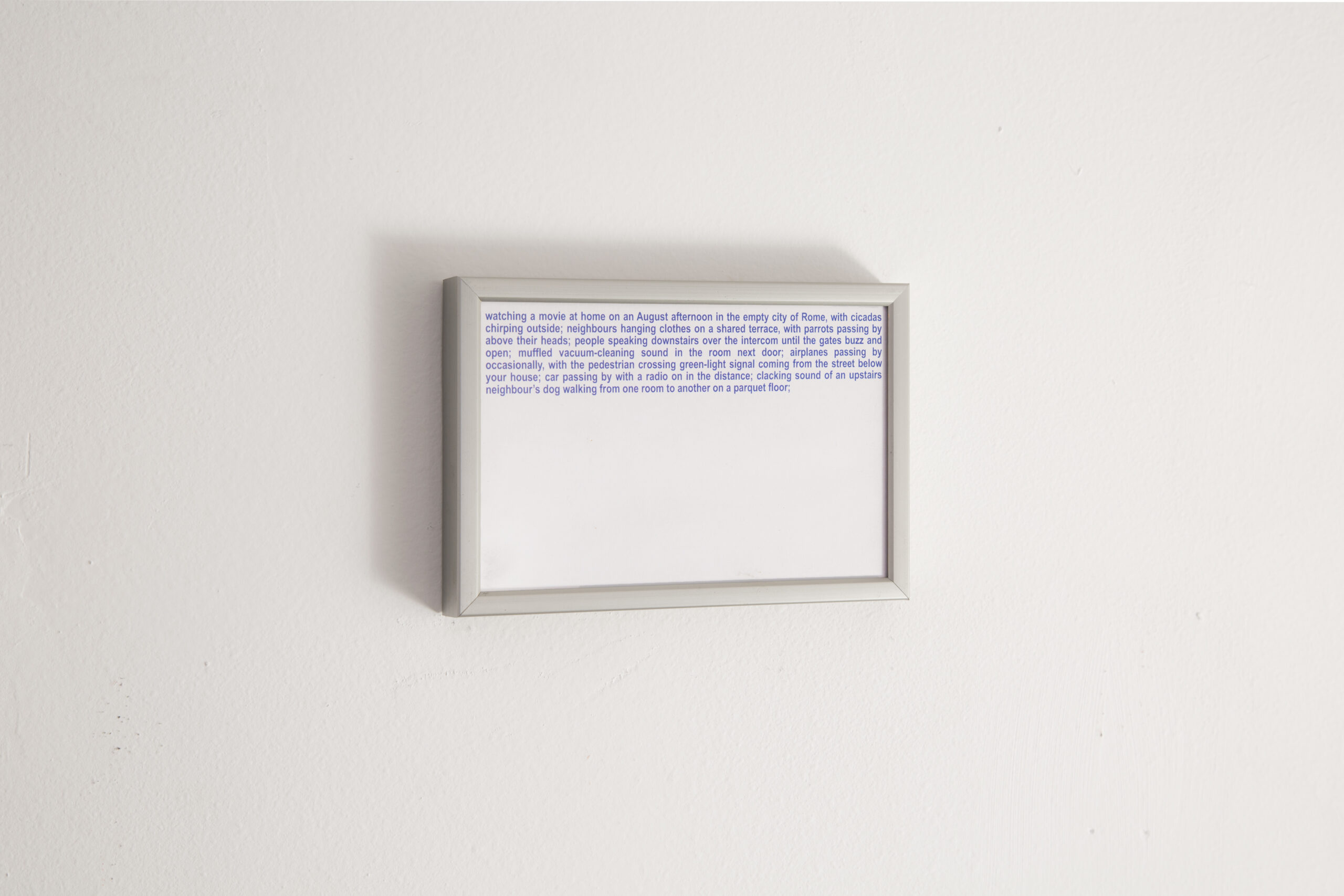
Kaukėnaitė’s background in art direction is central to this way of working. Her practice involves selection, composition, commissioning, delegation and the coordination of different forms of expertise. In hopecore, she choreographs books, textiles, moving images, furniture, light and sound; her involvement shifts between maker, collector, commissioner, collaborator, selector and director. The exhibition takes shape in the connections established among these elements. This mode of working also complicates the idea of the artwork as the expression of a single author. Joana Amil Cruz’s video retains its own authorship and history, while the newly commissioned work in the second room was conceived by Kaukėnaitė with co-design and production by Başak Tuna. The soundscape by Flavio Michele extends this distribution of authorship. Conceived as part of the environment, it was generated through software developed by Michele that explores the relation between text and sound: Kaukėnaitė provided the textual input, and the soundscape is its result. Her writing sets the conceptual direction, while the instrument that translates it into sound embodies Michele’s research. Kaukėnaitė’s role is close to that of a host: establishing a structure, bringing different presences into it and caring for the encounters that take place within it.
The singular plural thus describes something structural in hopecore. Its immersive quality emerges from a plurality of objects, images, sounds and people brought into a common field. A blanket turns words of reassurance into something that can be wrapped around the body; a video carries the presence of a friendship into the space; a soundscape translates written words into sound; a chair establishes the position from which a screen is encountered; the book gathers fragments produced elsewhere into a new sequence. Across the two rooms, saving, selecting, sharing, hosting and staying become methods for making an exhibition. What begins in the fleeting temporality of the feed takes on weight, texture, duration and scale, producing a temporary infrastructure for being together.
The exhibition is accompanied by a public programme further exploring the cultural, emotional and relational dimensions of hopecore.
hopecore is part of the Lithuanian Culture in Italy 2025–2026 program. The Lithuanian Culture in Italy 2025–2026 program is implemented by the Lithuanian Culture Institute and the Embassy of the Republic of Lithuania in the Italian Republic.