


LA SCIA
5:31
Text by Vincenzo Estremo
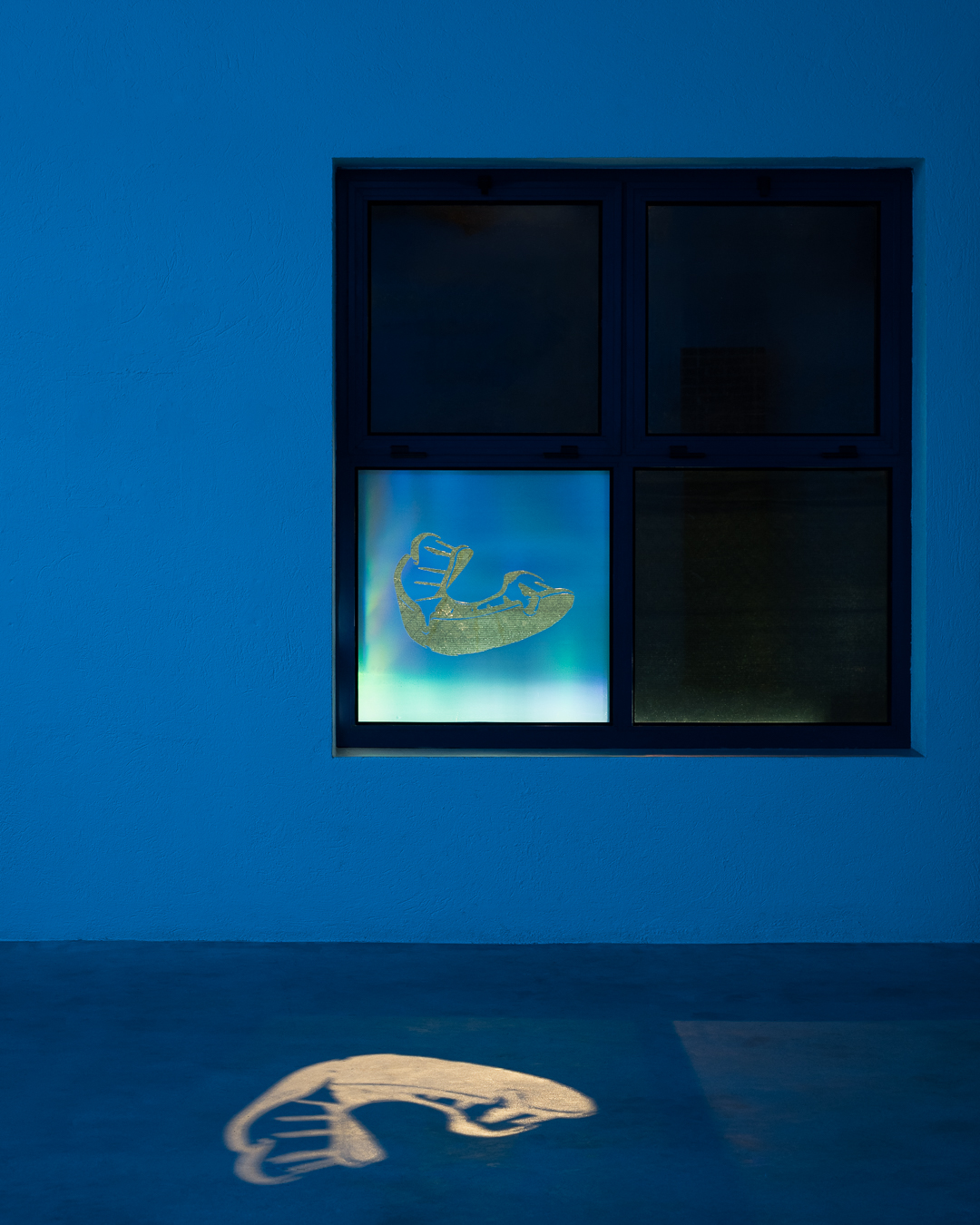
Wakes are a fluid-dynamic phenomenon that occurs whenever a solid body moves through a fluid. This does not happen with light, which instead leaves visible traces through an optical phenomenon usually caused by an object entering the Earth’s atmosphere. In this case, Gaia De Megni’s work brings these two meanings together, reflecting on the abstraction produced within systems of memory when a body passes through a beam of light. No longer physics, but an observation of time as it stretches into life. It is 12:32, and the display on the yogurt maker reads 5:31. Five hours and thirty-one minutes remain before I can switch it off. This will happen, but surely this will not be the thing that transforms our time—or could it be? Or does something remain even when there are no machines there to capture it?
On a Blogspot page from about ten years ago, in a comment by a woman recalling an Italian television drama starring Gino Cervi, she writes of the domestic atmosphere:
“the houses would turn into little cinemas;
even the lights were
switched off, and the silence of
those present was absolute.”
The theme song of that television drama was by Luigi Tenco, who at one point sings:
“The ship has already
left the harbour.
And from the shore it seems
a distant speck.
Someone, again this evening,
returns home disappointed,
slowly, slowly.”
Beyond the nostalgic dimension this scene might evoke, what remains is the light switched off in the rooms, making way for the television. A device that, unlike cinema, radiates rather than projects, striking the people in the room and turning them into screens. The bodies struck by images do not see them, but consume them. The ship Tenco sings of has left the harbour and, with it, a wake: a trace of the past that remains in the present, of something that, fading little by little like the foam churned by propellers across the waves, like the vapour of turbines in the sky, constructs the memory and forgetting of moments only just passed.
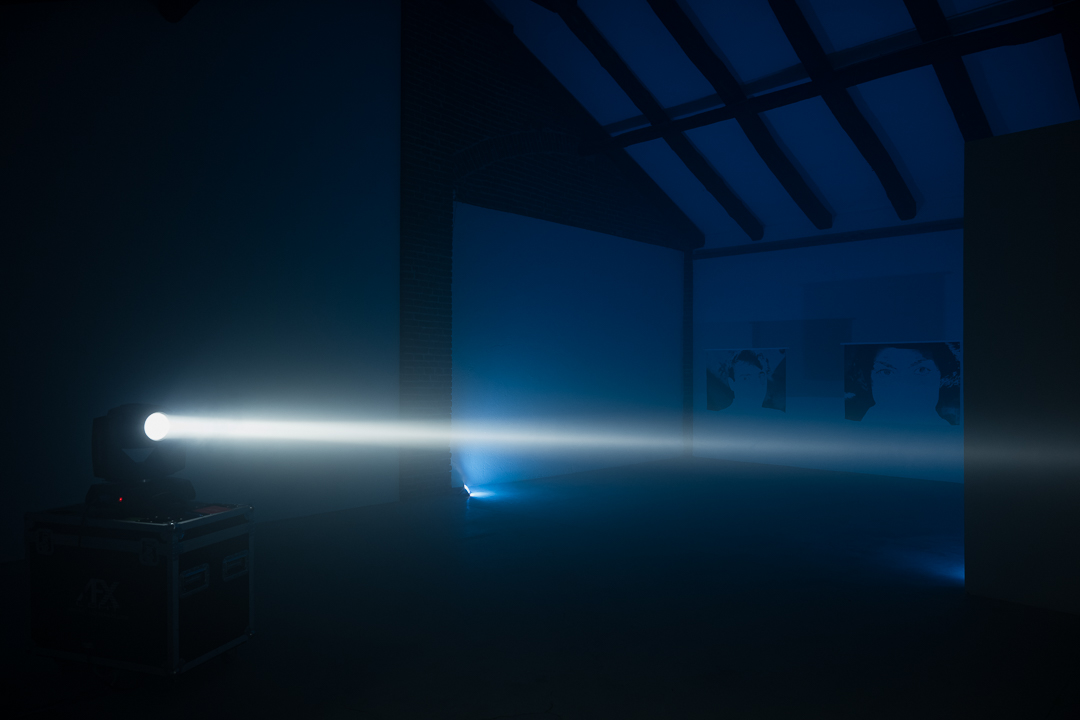
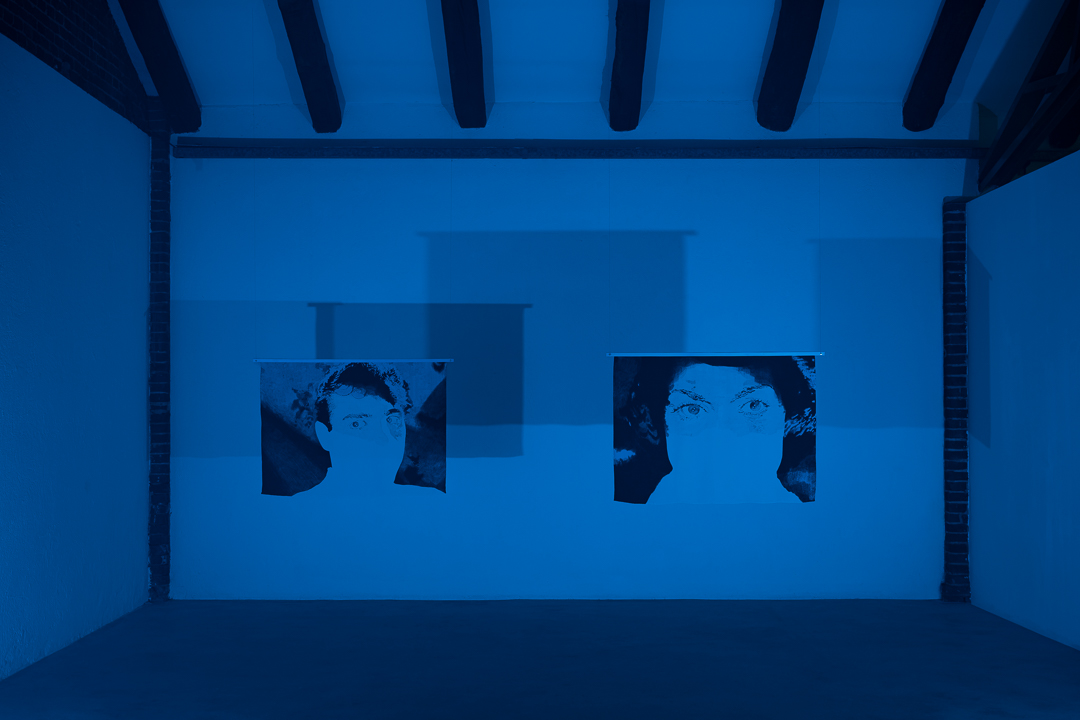
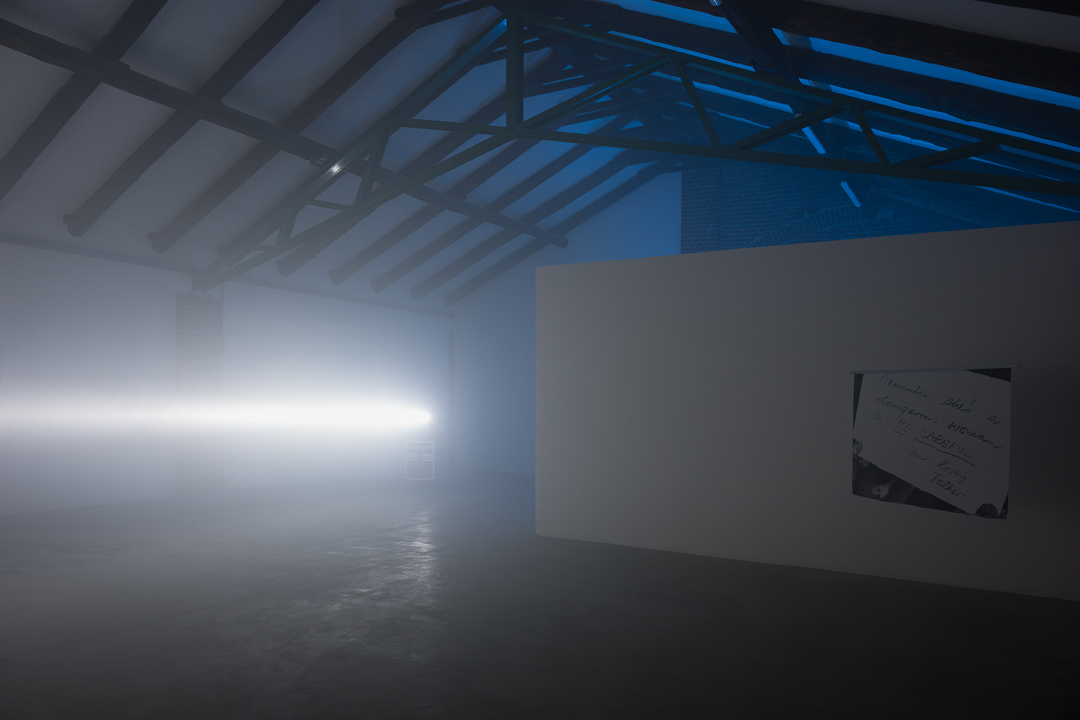
All of this repeats itself “every day,” turning our existences into micro-events within an unwritten history and, more or less in this way, returning in Gaia De Megni’s work. A work in which the geographical construction of space through light transforms the gallery into a cinematic space without images. Within this self-evident trace of a physical phenomenon, projection only superficially conceals the mechanisms through which the image is retained. The Wake is the one produced by those who visit the exhibition: an involvement in which abstraction prompts the release of the constellation of externalised and artificial memories that assail us beyond the space itself. A pause lasting only as long as the visit, an attempt at suspension before returning home
disappointed, slowly, slowly.