

Alessandro Di Pietro – Postumous Mock-Ups
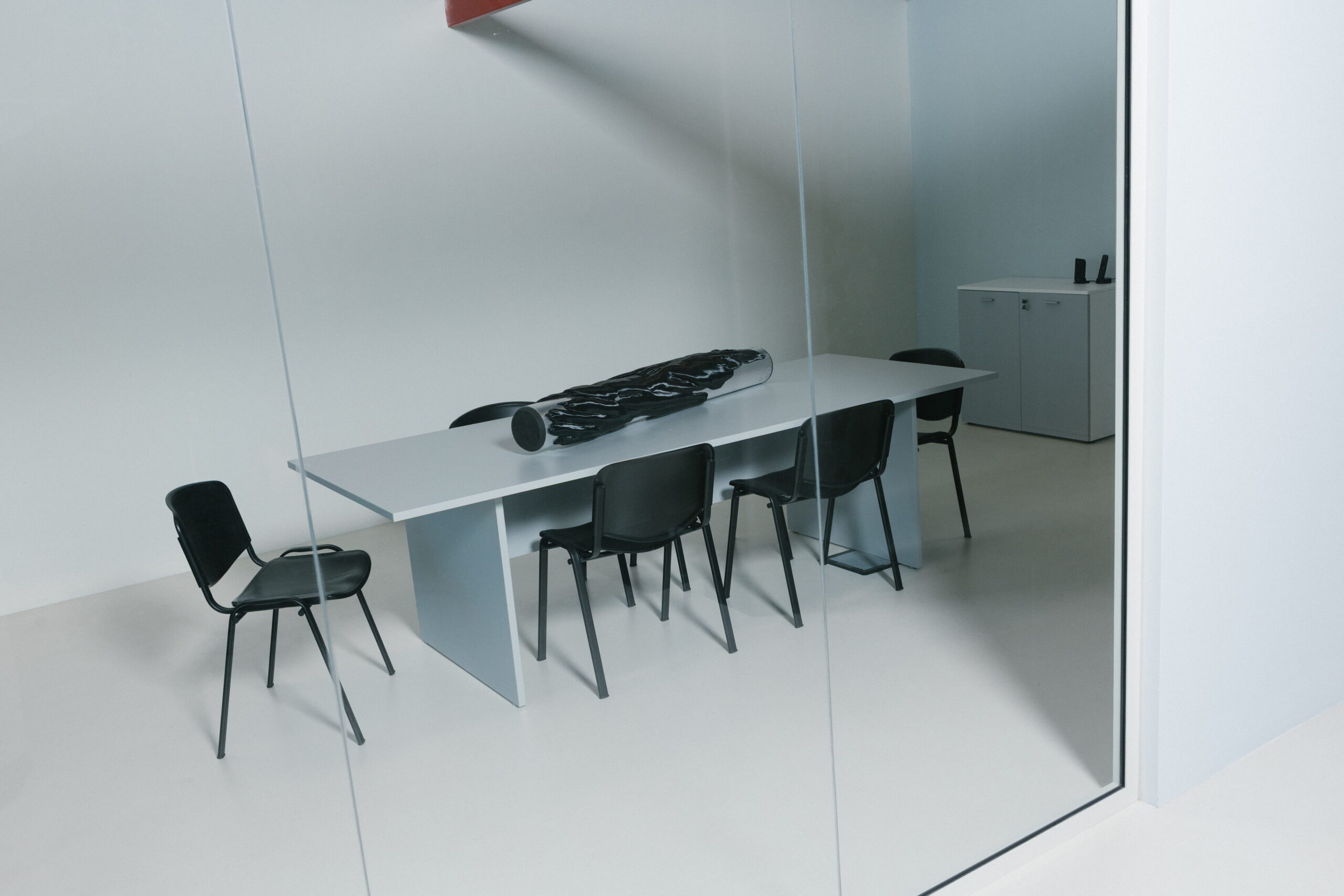
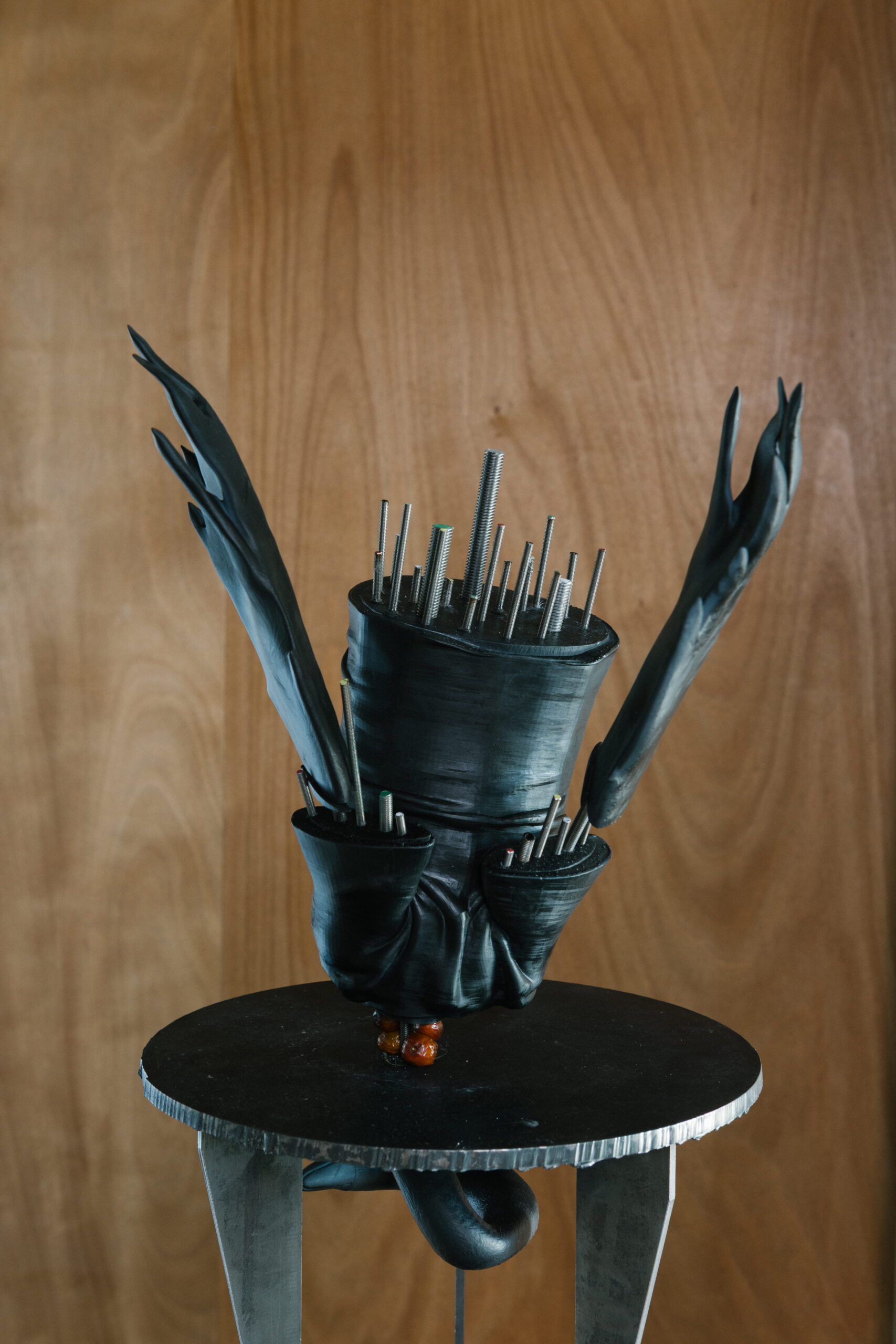
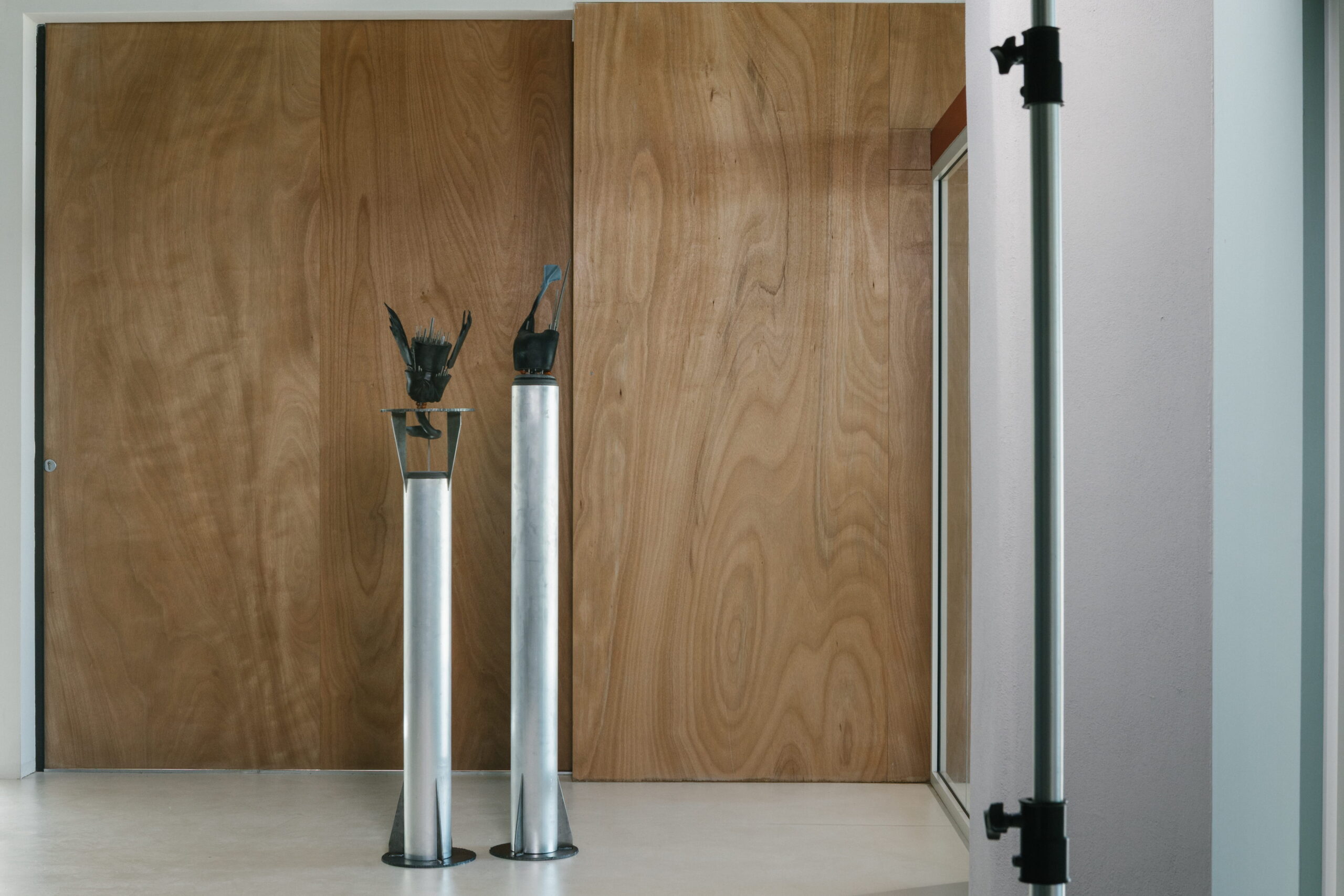
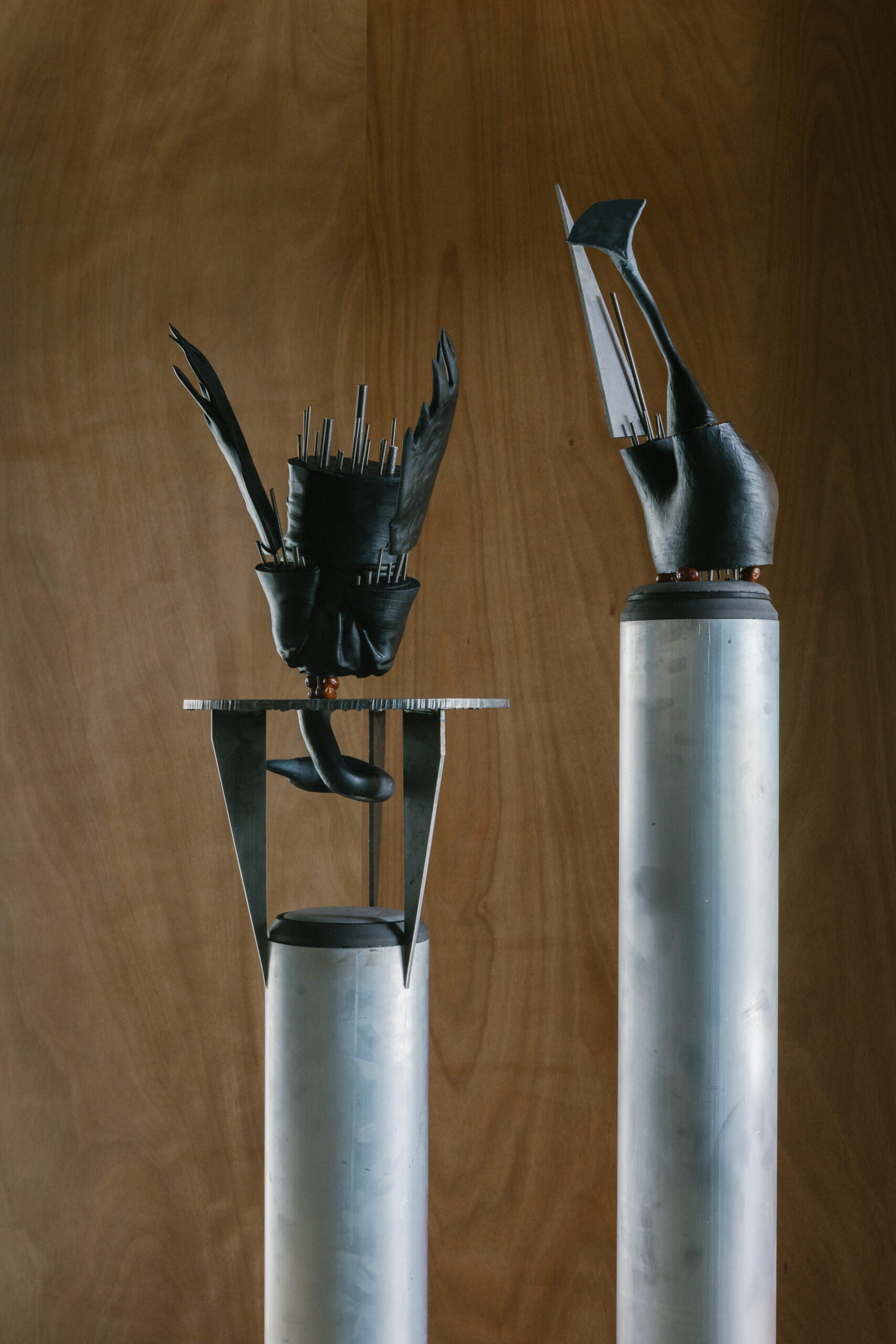
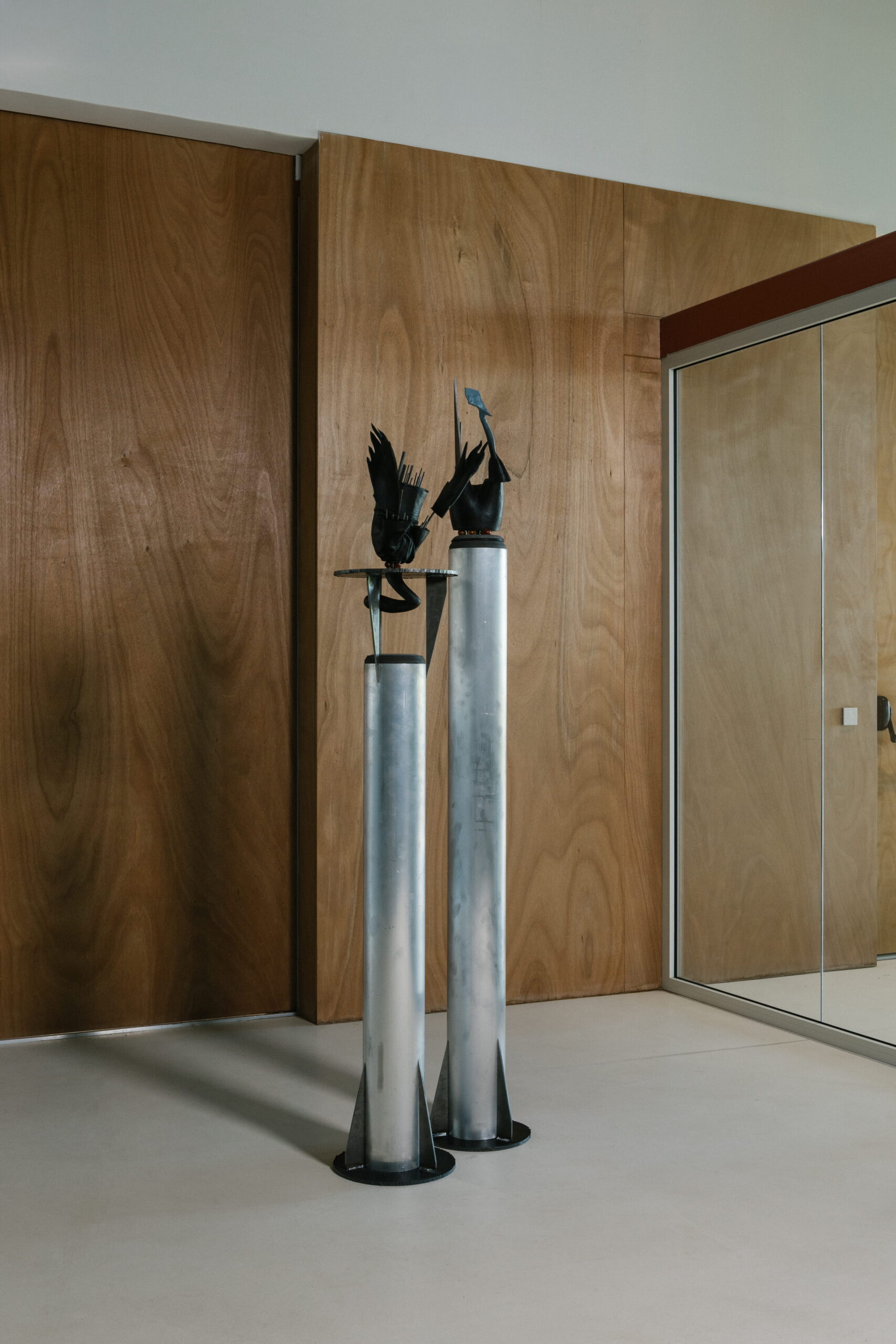
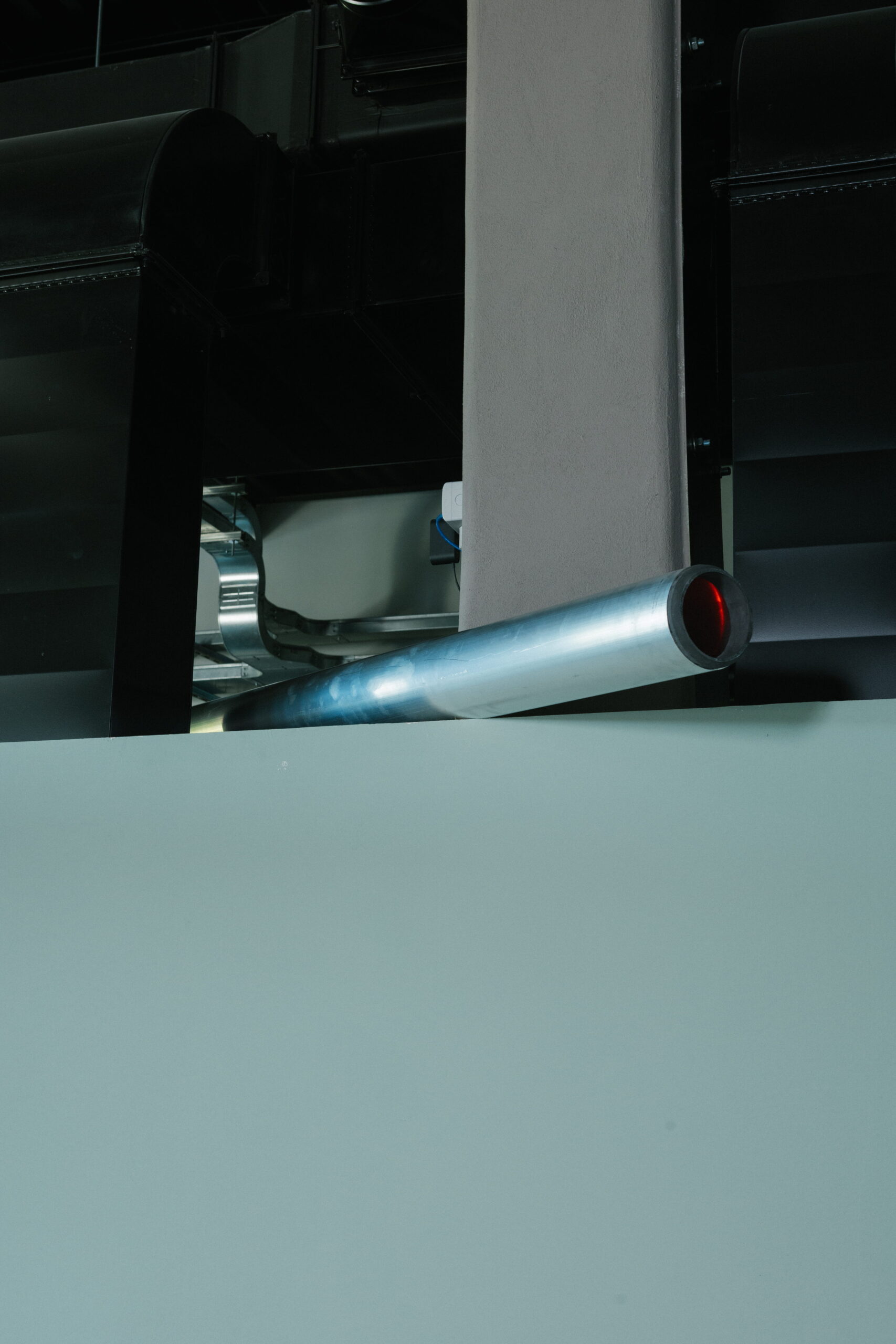
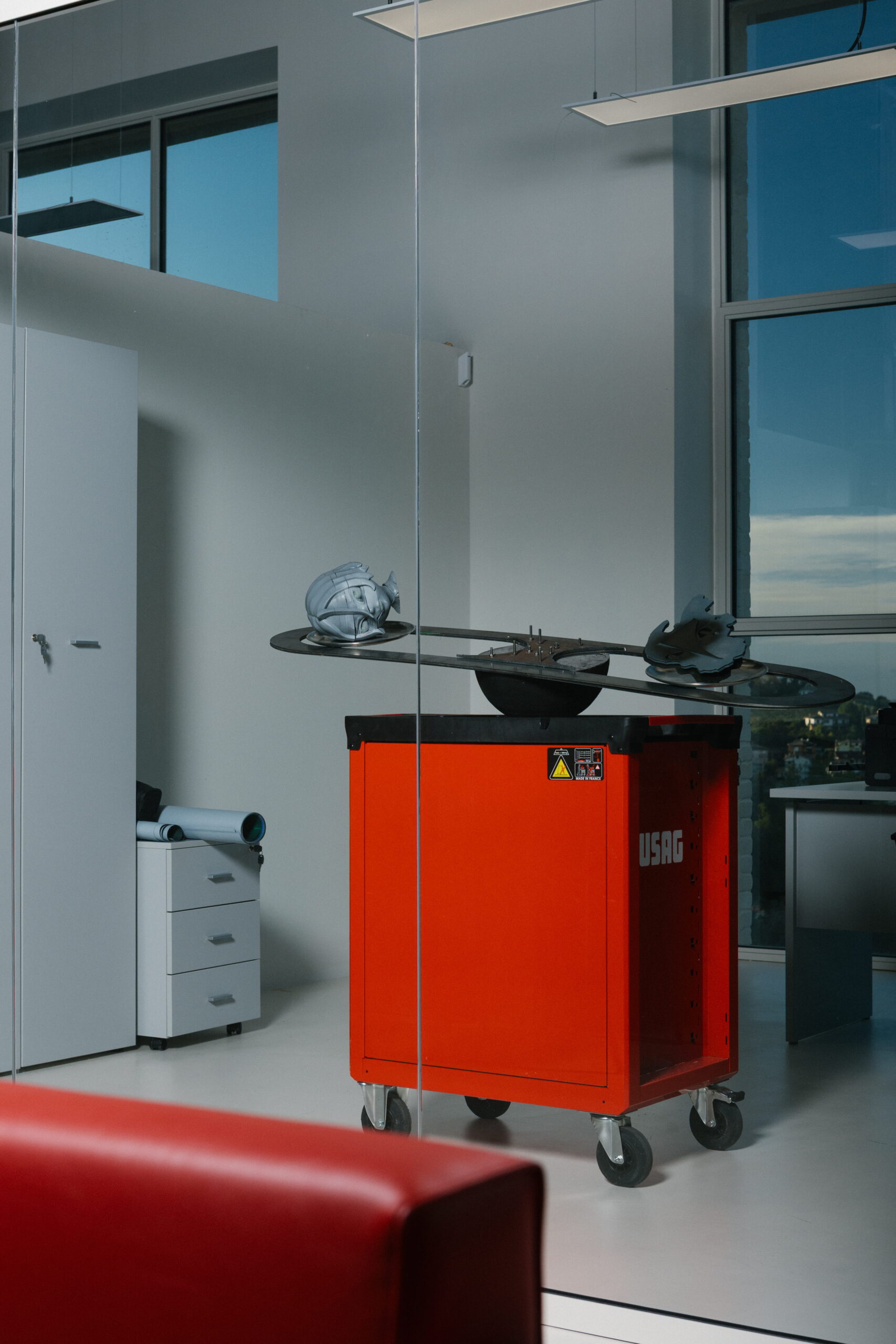
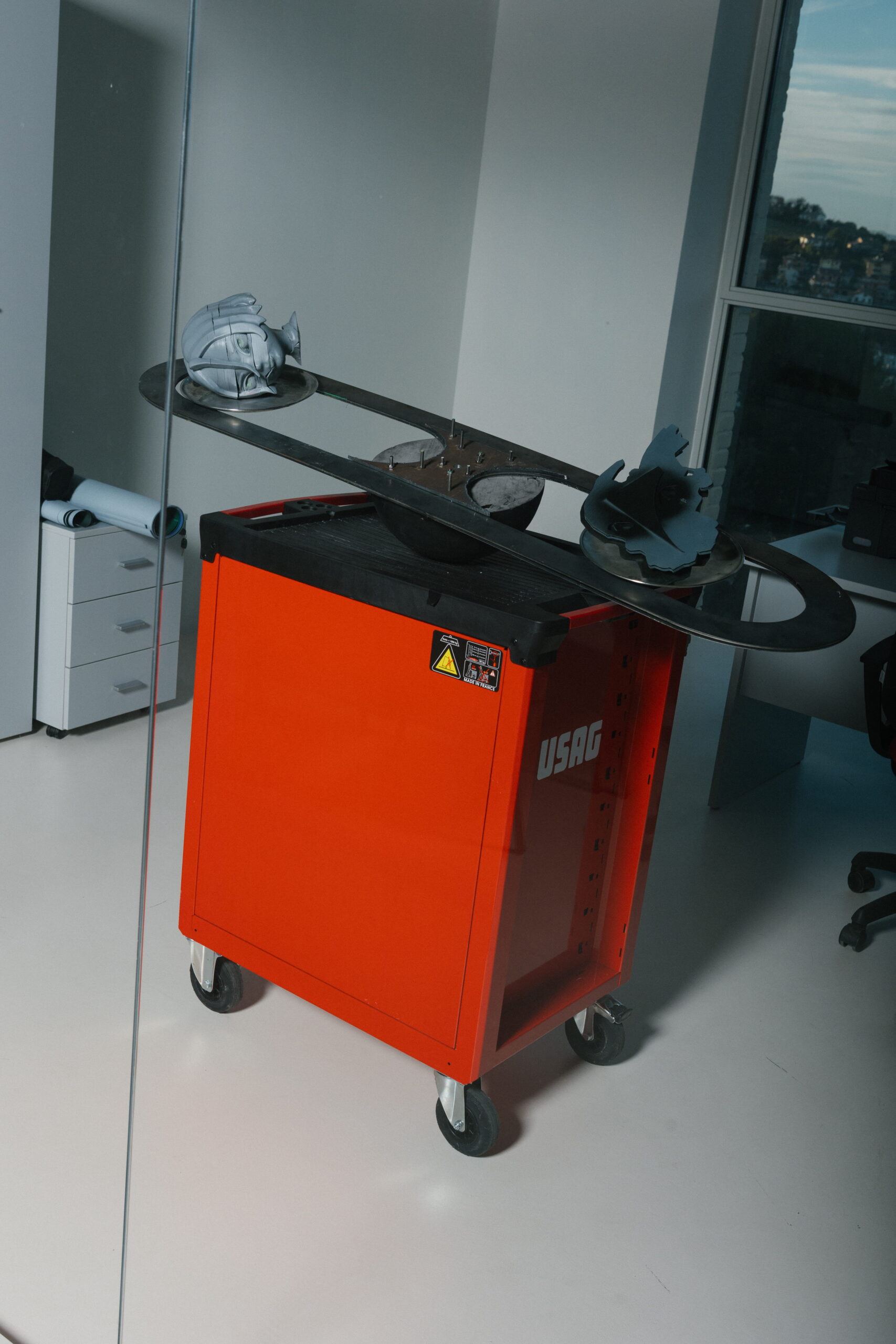
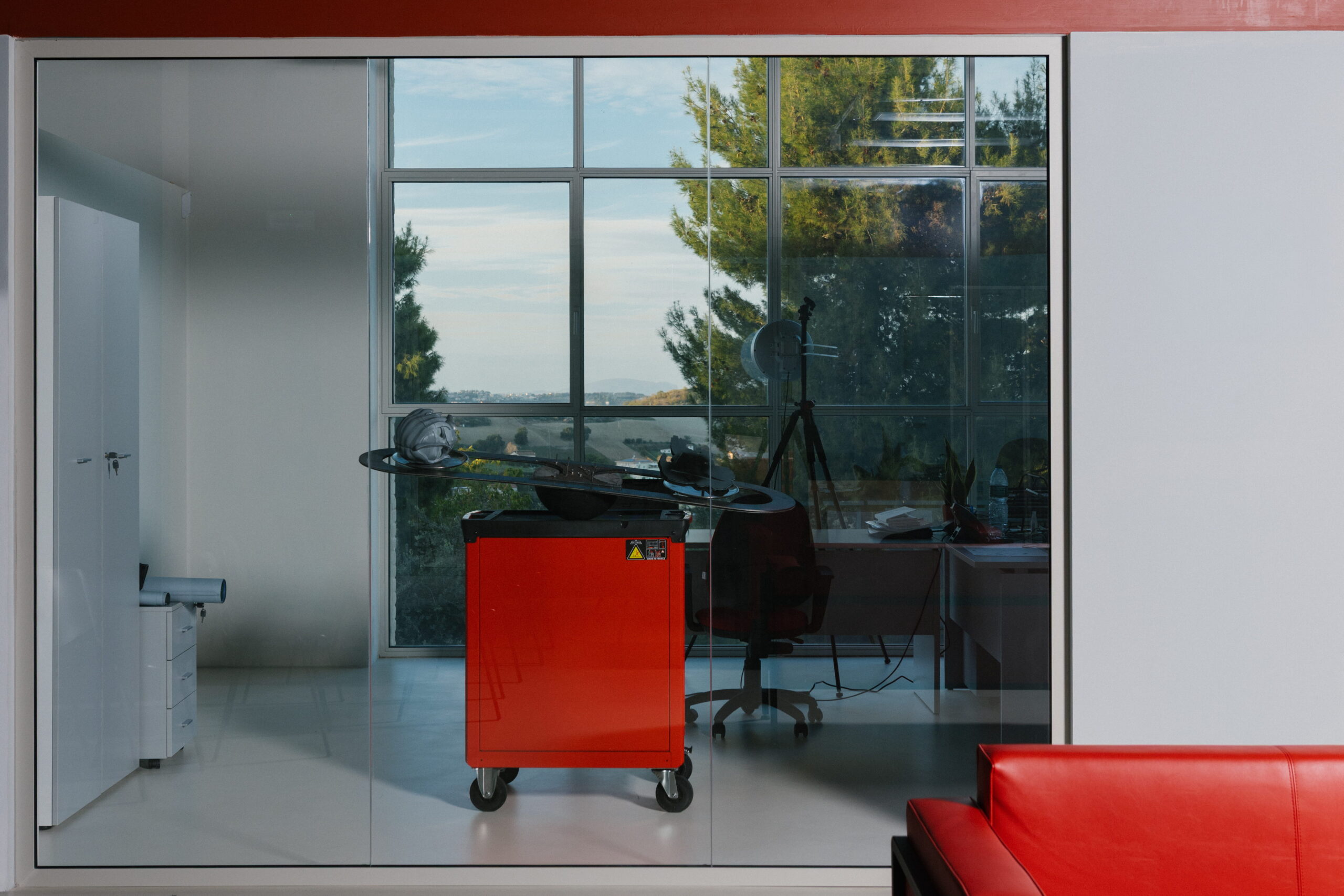
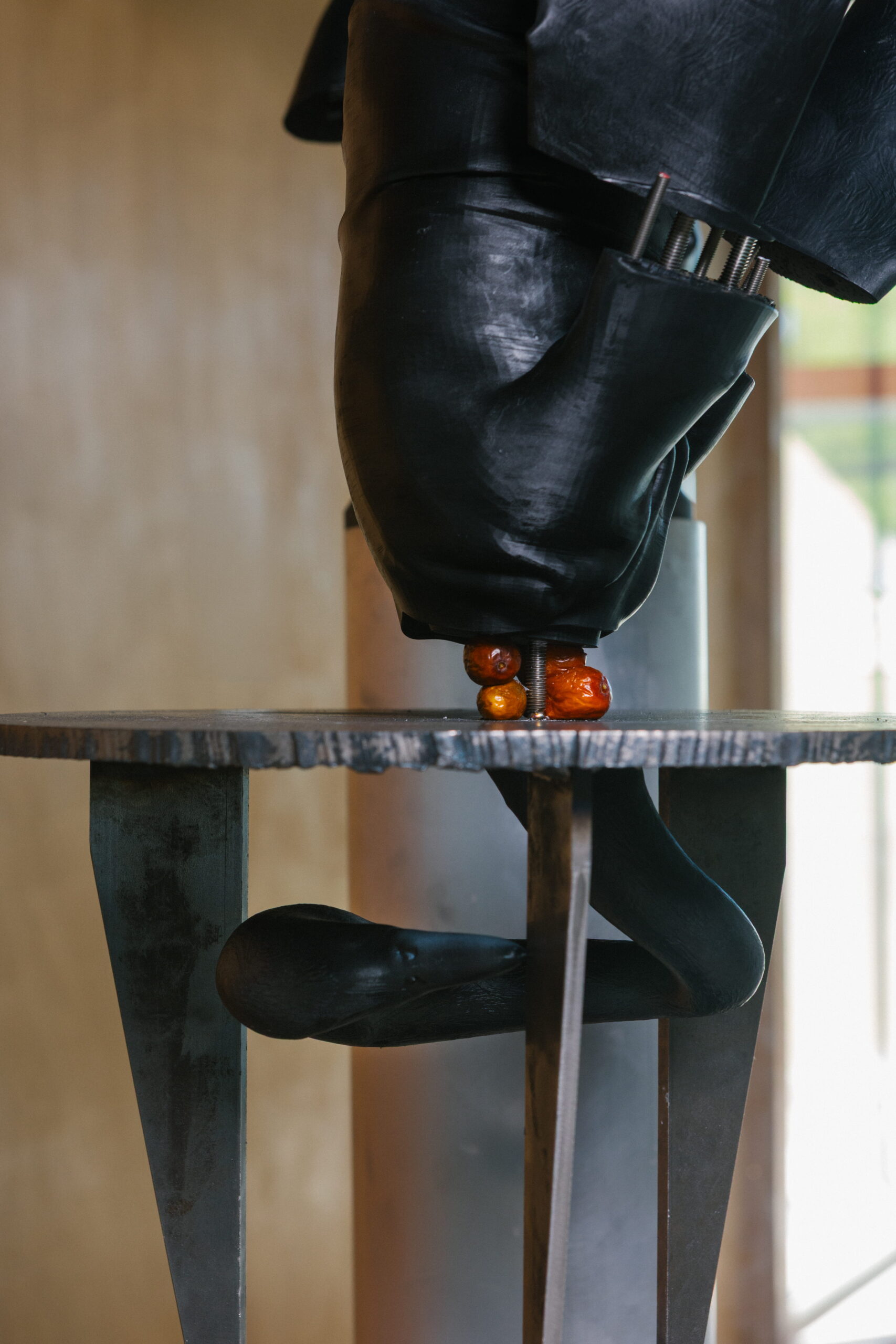
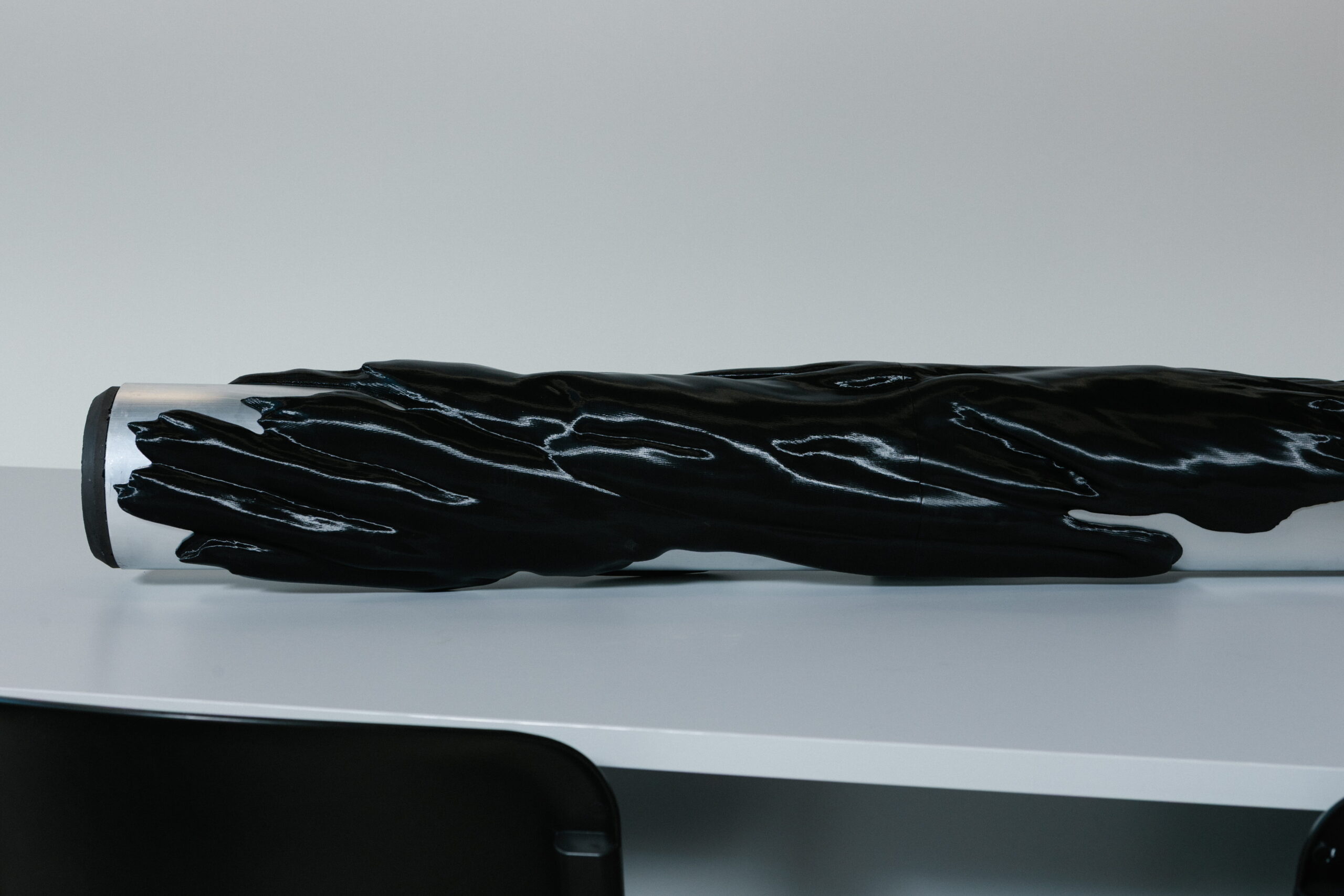
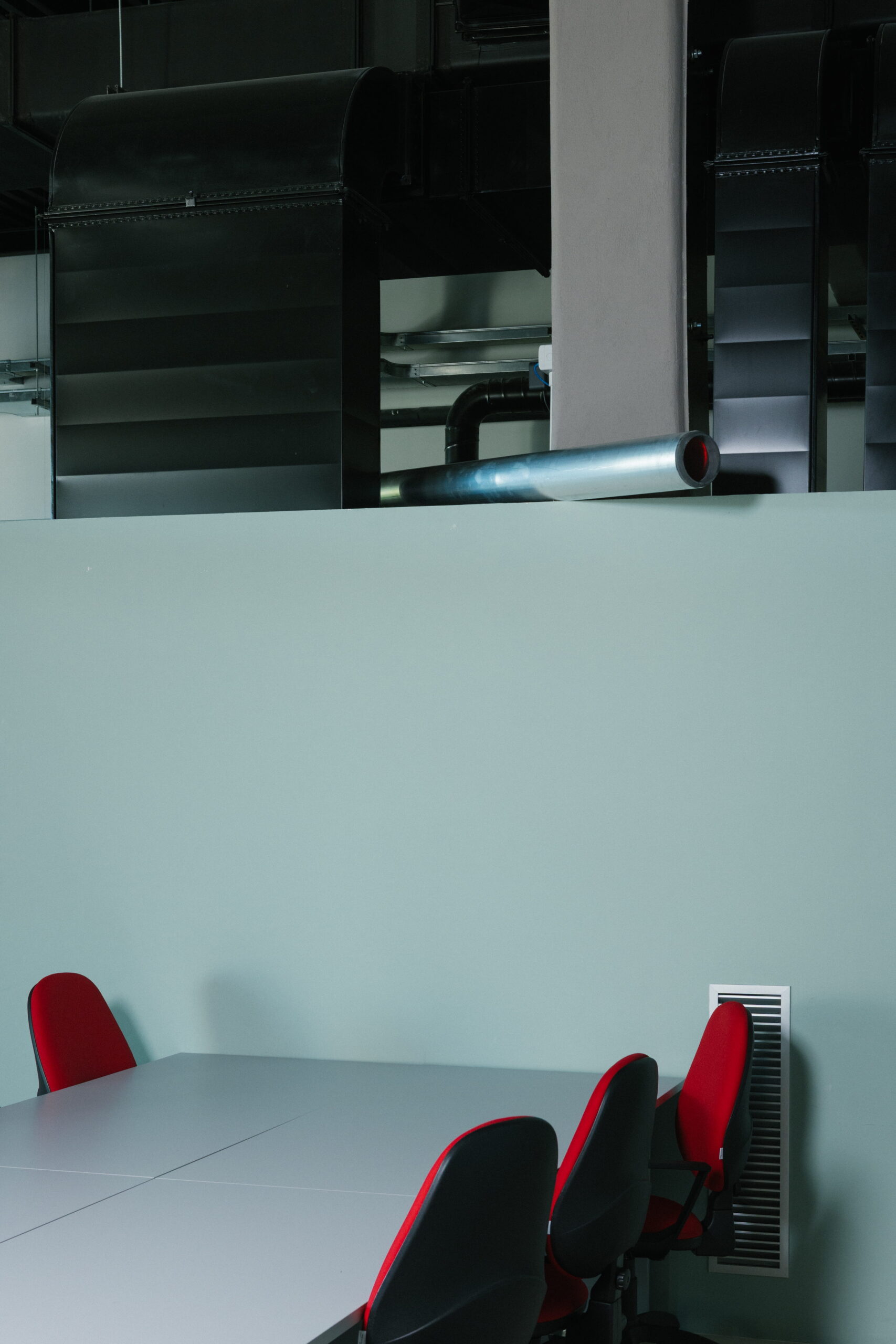
In the logic of industrial production, everything originates from a prototype that enables the multiplication of goods. Starting from an original form, a potentially endless process of repetition is set in motion. In Alessandro Di Pietro’s “Posthumous Mock-Ups”, this relationship is reversed: art, in a distilled form, leads to the prototype, rather than the other way around. From the posthumous present, we open up a reflection on the relationship between temporality, form-making and the possibility of setting something in motion, prepared to accept that this may also entail an ending, a definitive closure. In the works presented in the spaces of the former covered market, produced in collaboration with FermoTech and the Montani Technical and Technological Institute in Fermo, a form of production takes shape that ultimately remains open, in transit, in which the posthumous and posterity seem to emerge as conditions capable of restoring a new way of understanding artworks, their processes and their identities. The past is not an immutable reality, but a space still available for new translations and transformations. In the artist’s intentions, this body of works—although calling them works might, from a certain point of view, be a coincidence—is something very close to the zero degree of production, its minimal expression as sculpture and artwork. These are not preliminary models intended for future production, but models that come afterwards, that take shape retroactively, taking form without concern for questions of ordinary chronological sequence. Within this scenario, posterity is not simply what comes after, but becomes a condition through which what has already happened can act once again in the present, generating divergent possibilities. These objects do not anticipate something yet to come; rather, they retrace processes that have already taken place, condensing them into a new formal and conceptual condition. The prototype, realised after the fact, re-sectioned and cleaned up, may serve as an endpoint or become something from which to start again. The past survives, and the present transforms what seems to have come to an end.