


Where time settles, we mend
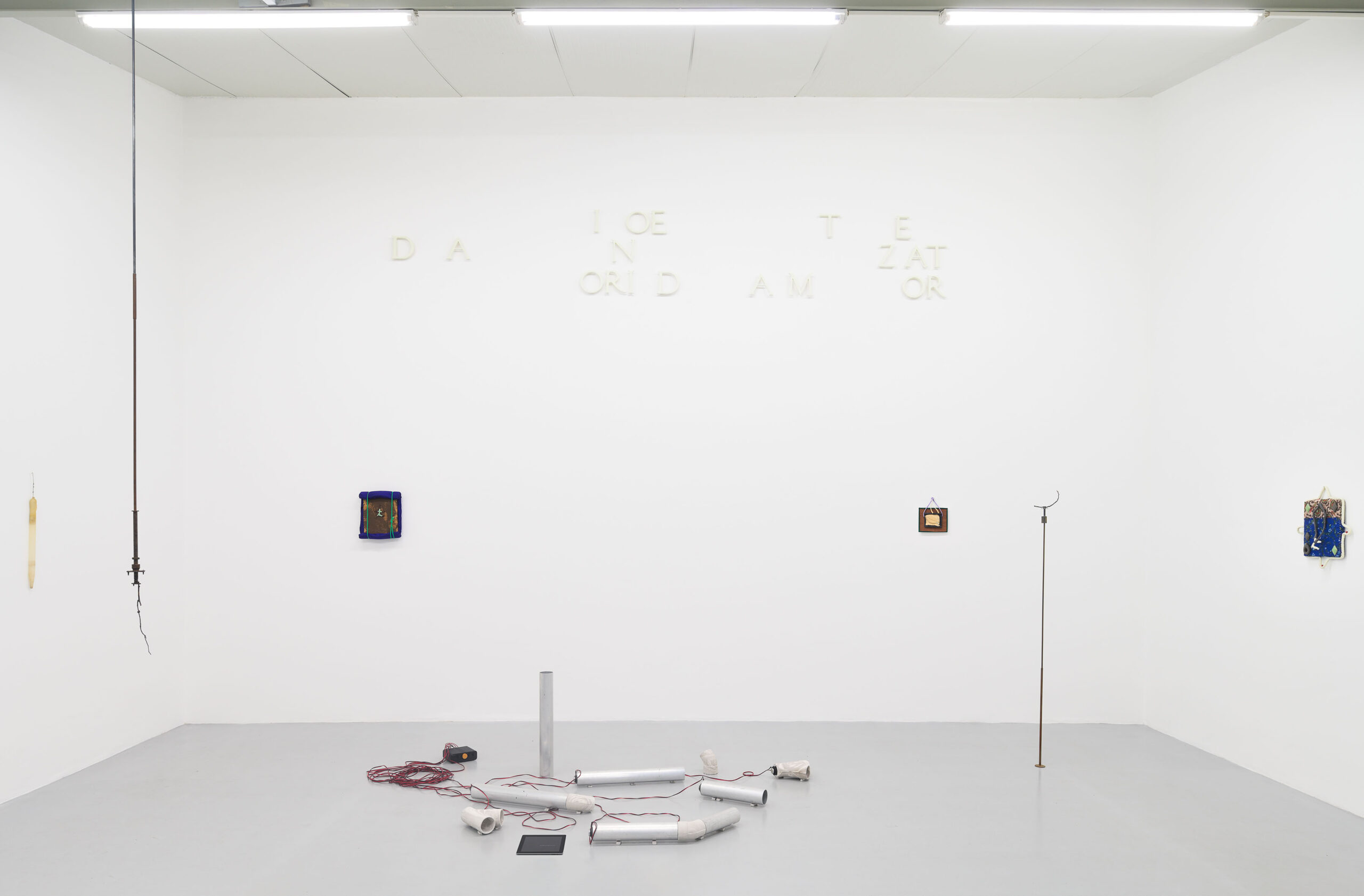
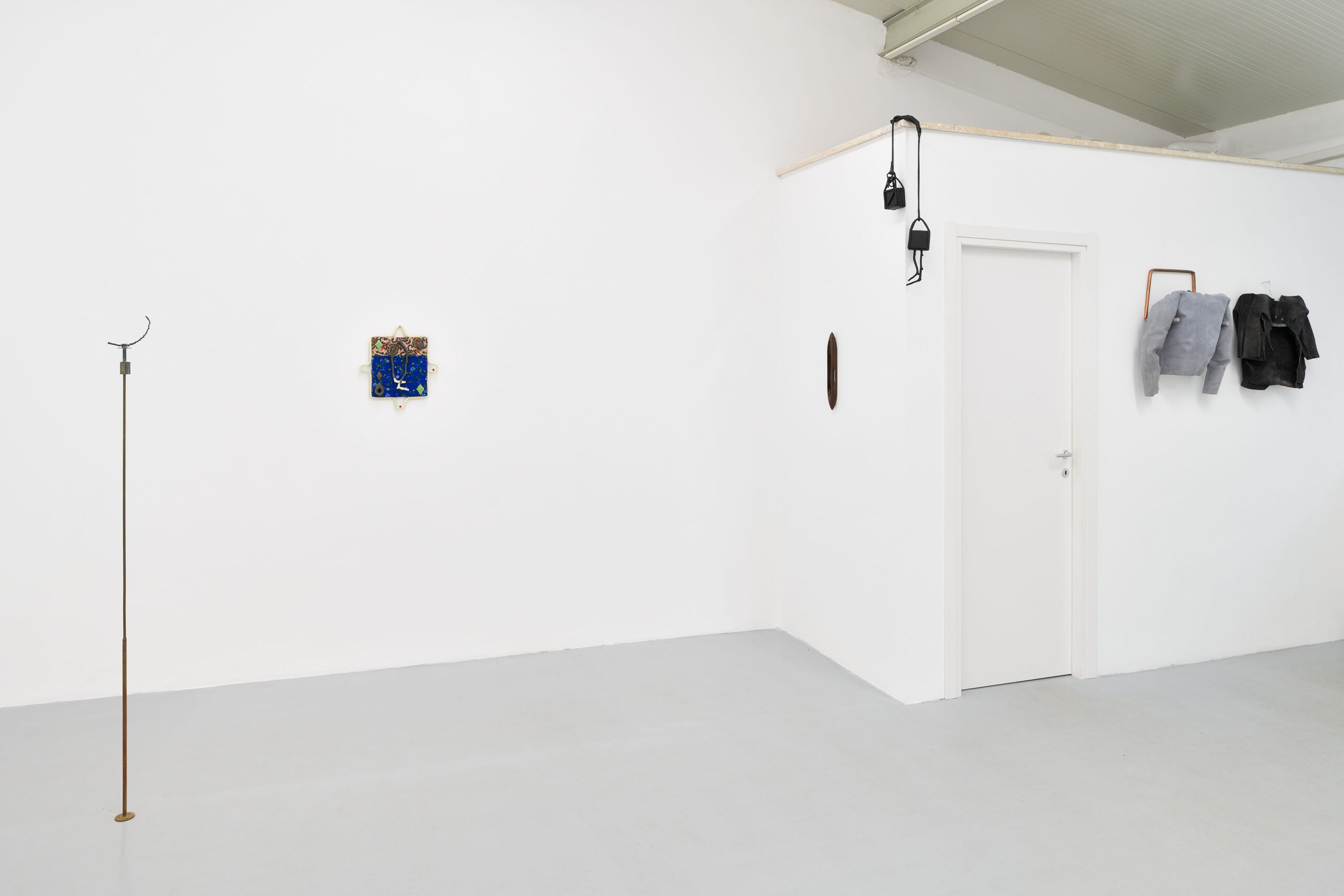
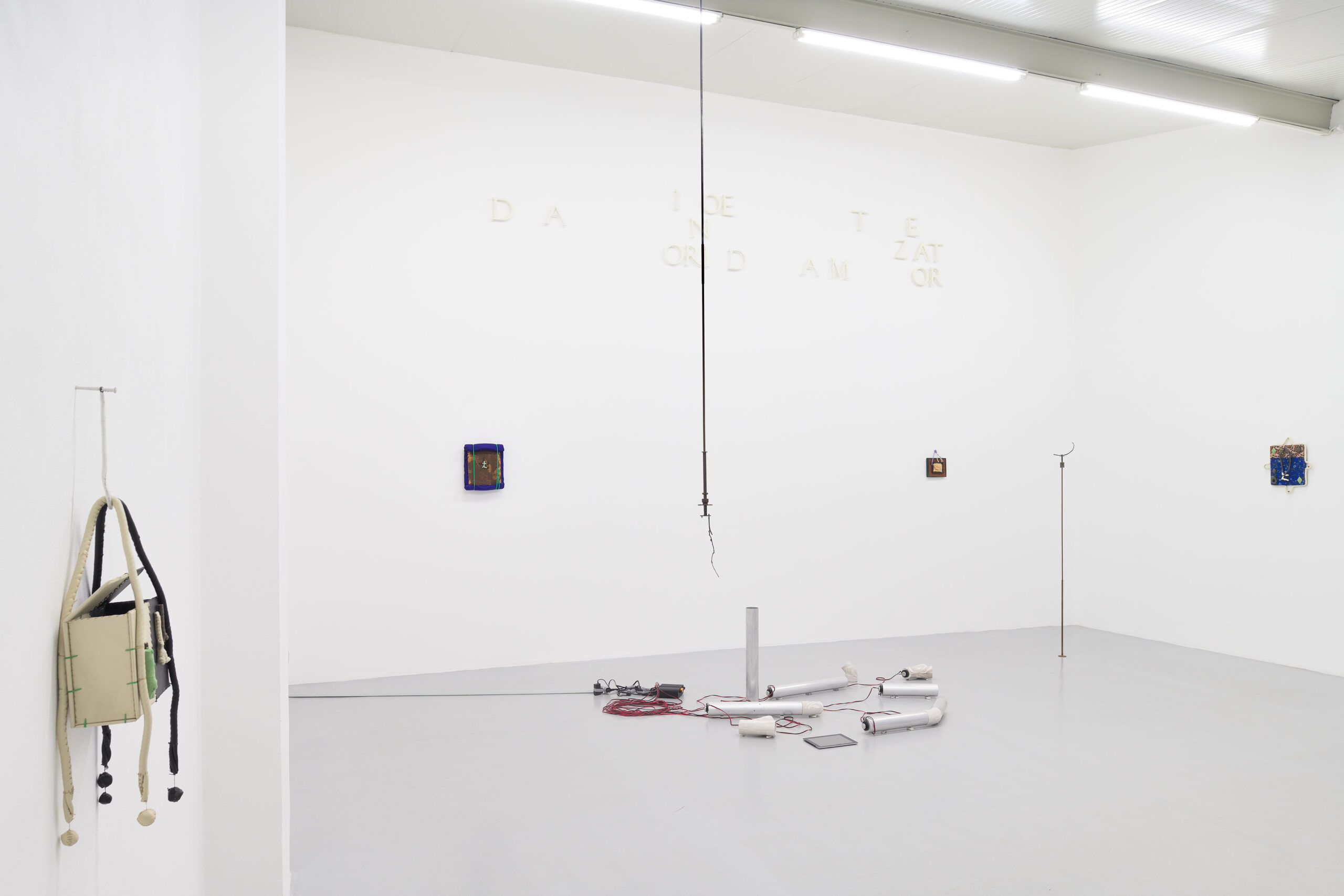
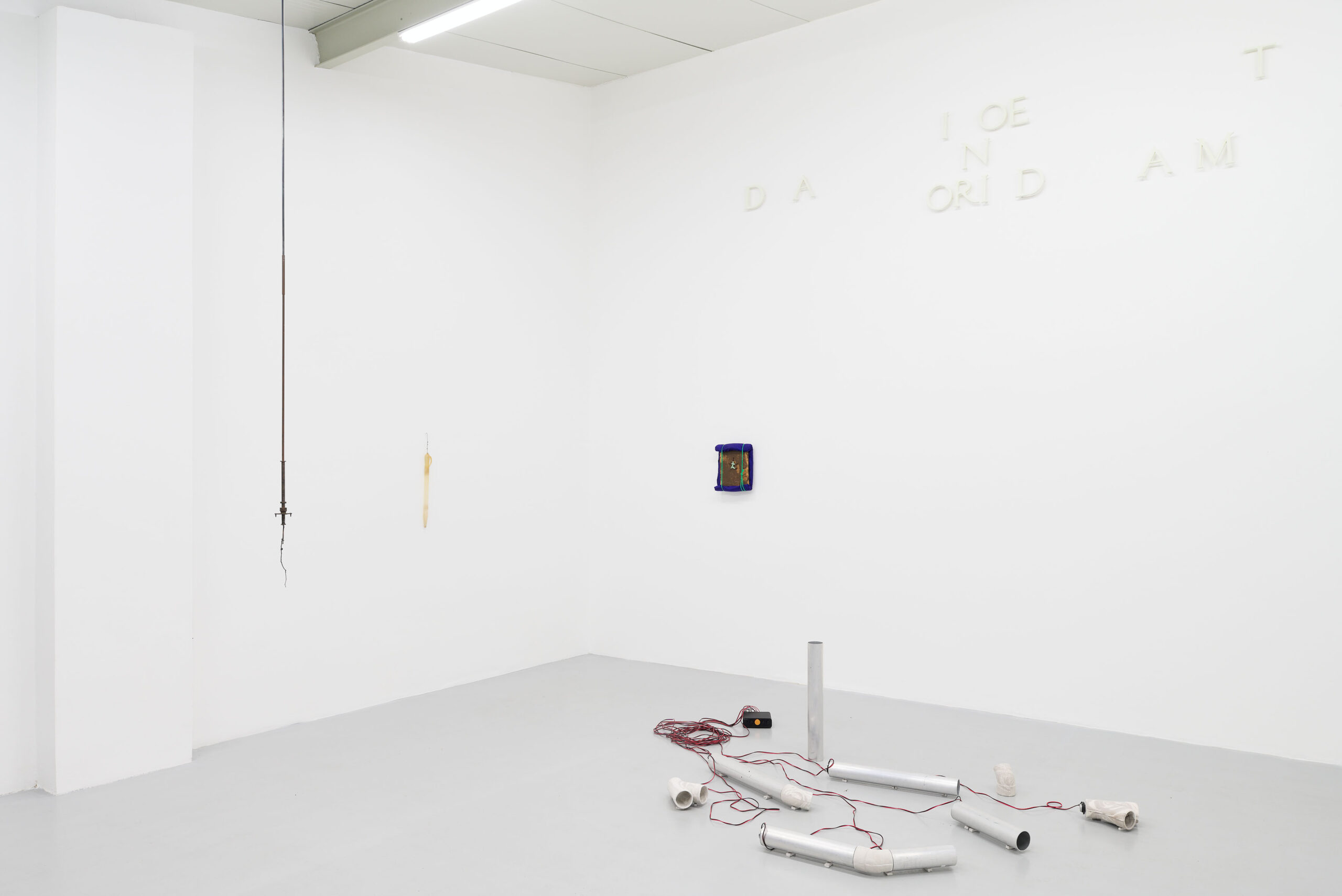
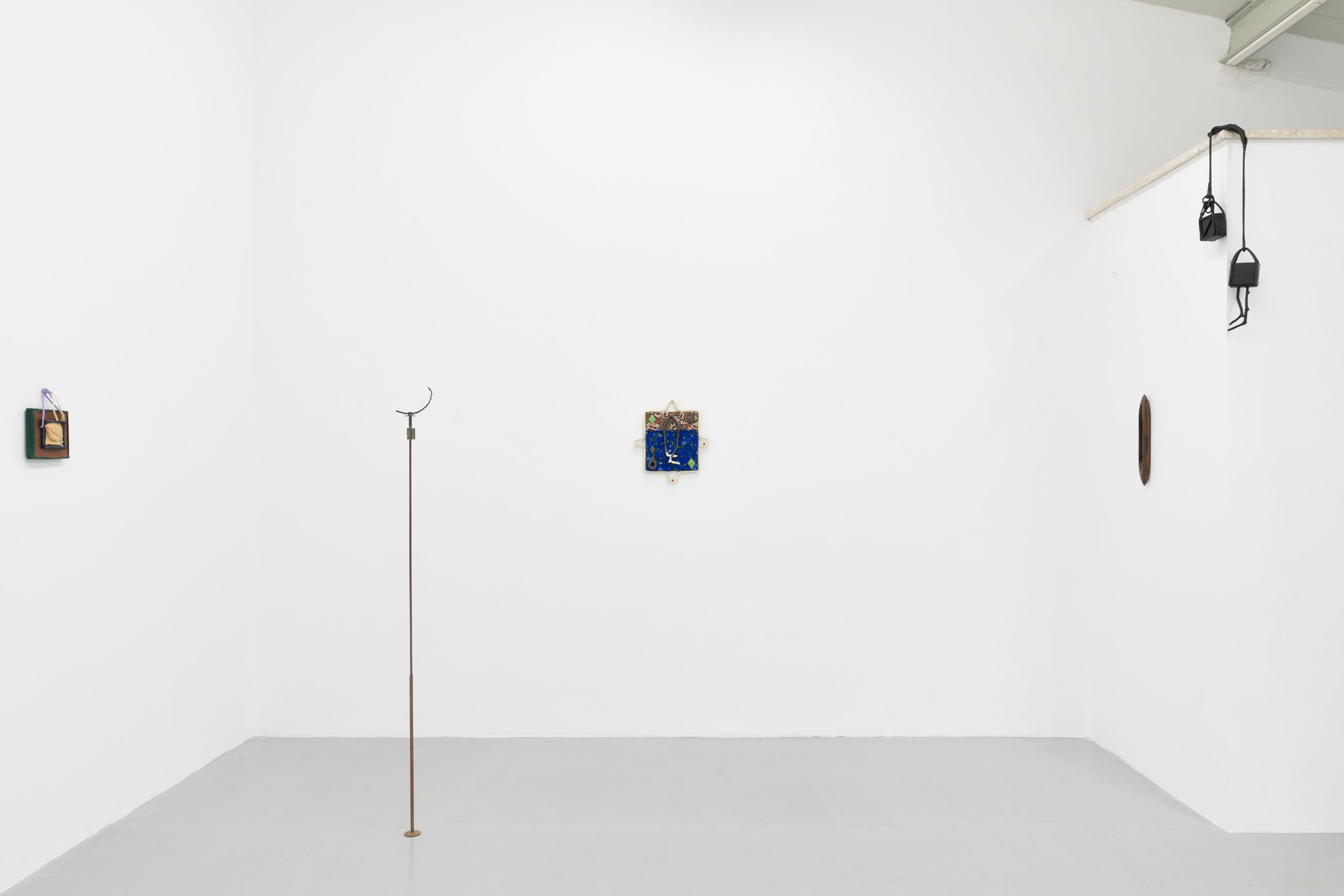
Sound installations, sculptures, and ceramics bring us into a visual and acoustic journey centred on the idea of recovery. By questioning the memories held by certain places and objects, the works here presented destabilise their narratives and histories, giving rise to a new genealogy. The title of the exhibition, Where time settles, we mend, seeks to emphasise this urge to respond: the past appears to be over and irreversible only when we don’t attempt to intervene upon, within, or beneath it.
Notes, memories, and visions of the past emerge in Golnoosh Heshmati’s sound installation titled What is Left to Listen to Now?. Listening to a soundscape re-edited by the artist and made of mechanical hum, crackling in the walls, and multiple sounds recorded in the building where the artist lived for nearly 30 years in Tehran, allows us to grasp the connections between different moments in time, making audible the attempts, tensions and, at the same time, promises of a different future that remained unfulfilled.
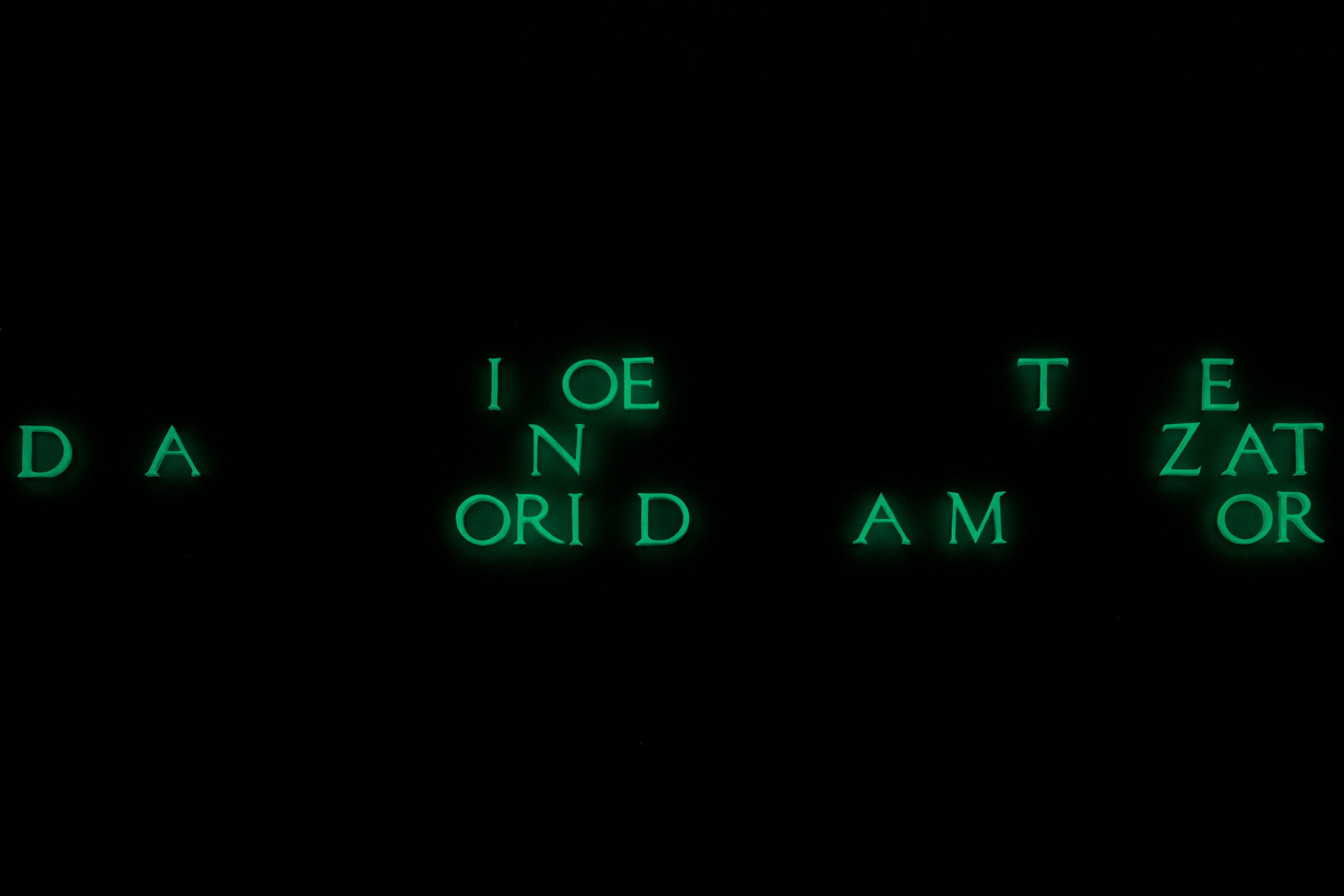
In the fascist slogans carved into the façades of many Italian buildings, Andrea Lo Giudice revisits a collective historical memory that remains too little discussed. Through a shared and generative sentiment, UR-AMORE intervenes on the words of the Fascist era with fluorescent pigment, selecting and recomposing letters from these inscriptions, freeing them from their original meaning and opening them to new poetic interpretations.
Jot Fau’s works build symbolic and enigmatic worlds that emerge from the recovery of objects that once, in another time, were separate and far apart. Thus reunited, reworked, and covered in fabrics by the artist, they acquire another name and become the custodians of many other stories.
Federico Arani’s sculptures reveal his interest in reclaimed materials and in objects that have been used, deteriorated, or abandoned. Mould, stains, oxidation, and processes of decomposition become signs of matter that remains active, engaged in a process of transformation. The focus is not on the object in its final state, but on that unstable moment when something ceases to be what it was without having yet assumed a new identity.