


5 Exhibitions to See in September
Our Guide to Exhibitions in Italy
01.09.2026
For those who have transitioned, more or less smoothly, from school obligations to the need to keep up with contemporary art, September is when everything begins again. In August, we typically don’t open exhibitions or seek out anything more stimulating than light interactive experiences—preferably somewhere between the beach and the bar—while the endless sunshine leaves us too tired to make even the slightest intellectual effort.
In September, however, everything changes. The first day of the month somehow gives us twice the mental energy we need to face a remarkable number of cultural events compared with the other months of the year. We are here to navigate everything that is going to happen from now on together with you, with five exhibitions not to be missed among the many on the agenda.
Alicja Kwade. ParaPosition, Piazza del Popolo e Sala delle Pietre, Todi (PG), until 4 and 25 October
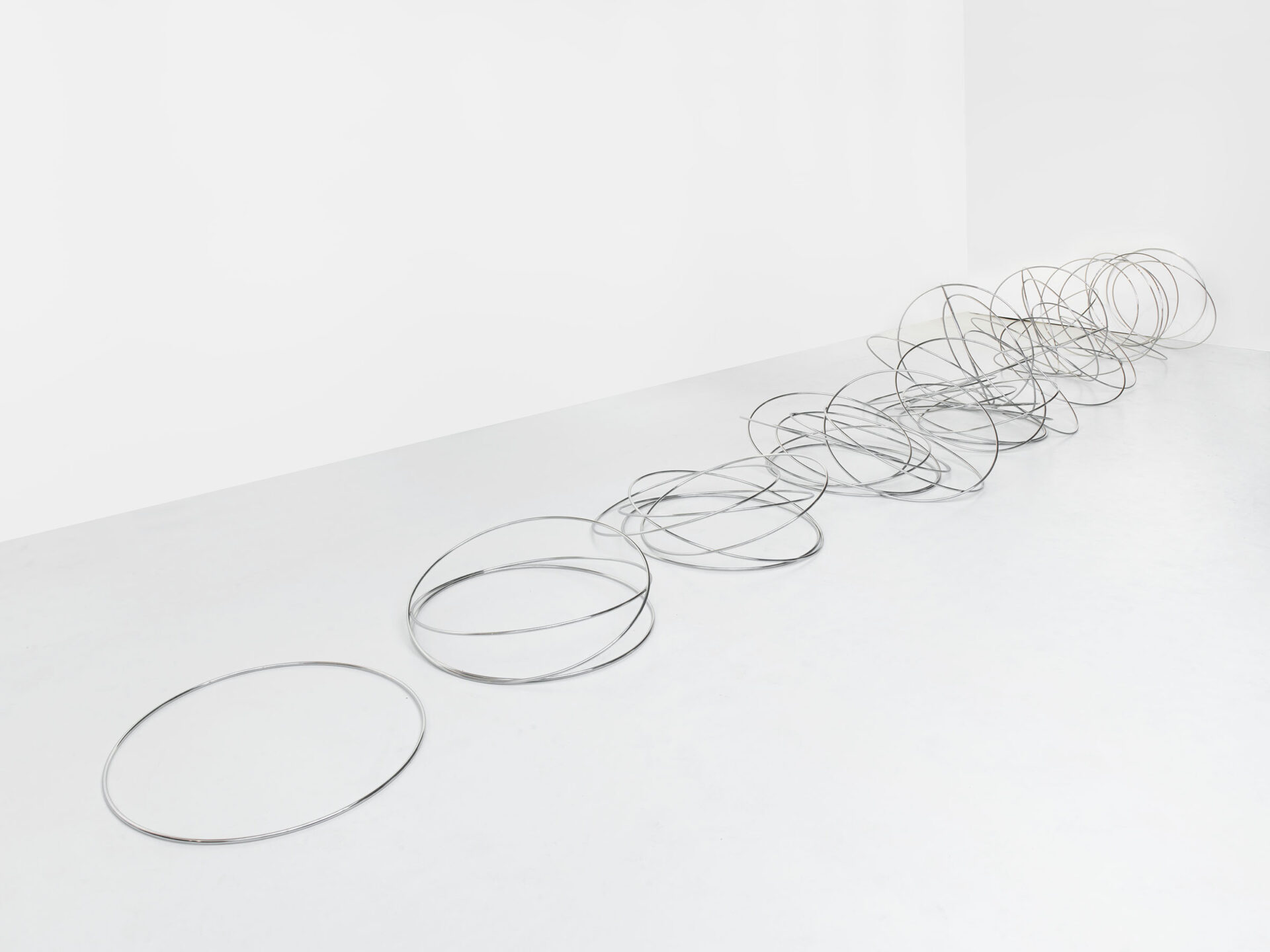
Alicja Kwade, 88 Seconds, 2017, ph Roman Marz
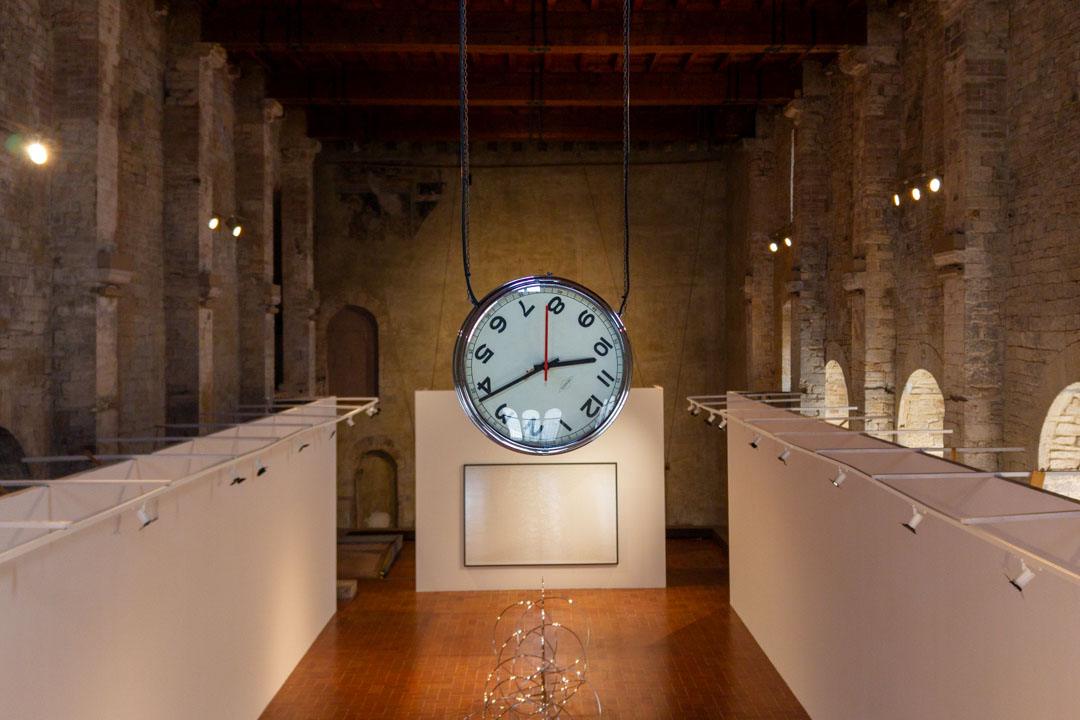
Alicja Kwade, ParaPosition, Todi, 2026; installation view; credits Clikkami.it
Alicja Kwade’s multidisciplinary practice encompasses sculpture, large-scale installations, film, photography, and works on paper: forms through which the artist questions our perception of space, time, matter, and reality. Using repetition, deconstruction, and by transforming everyday objects and natural materials, Kwade creates situations that challenge our usual ways of interpreting the world. One of the most internationally acclaimed contemporary artists—whose work has been exhibited, among other places, at the Whitechapel Gallery in London and the Hamburger Bahnhof (Nationalgalerie der Gegenwart in Berlin)—she arrives in Todi with a monumental installation in Piazza del Popolo (until October 25) and a solo exhibition in the Sala delle Pietre (until October 4), both curated by Marco Tonelli.
The exhibition presents some of the artist’s most iconic works, dedicated to the relationship between time, space, and perception, including Against the Run (Dual), a monumental clock whose dial rotates backward while the hands continue to indicate the correct time, and 88 seconds, a series of steel rings that appear to remain suspended at the moment of their fall.
Mauro Staccioli. La scultura: segnare, interrogare, attraversare (1971-2016), Porto Ercole (GR), until 27 September
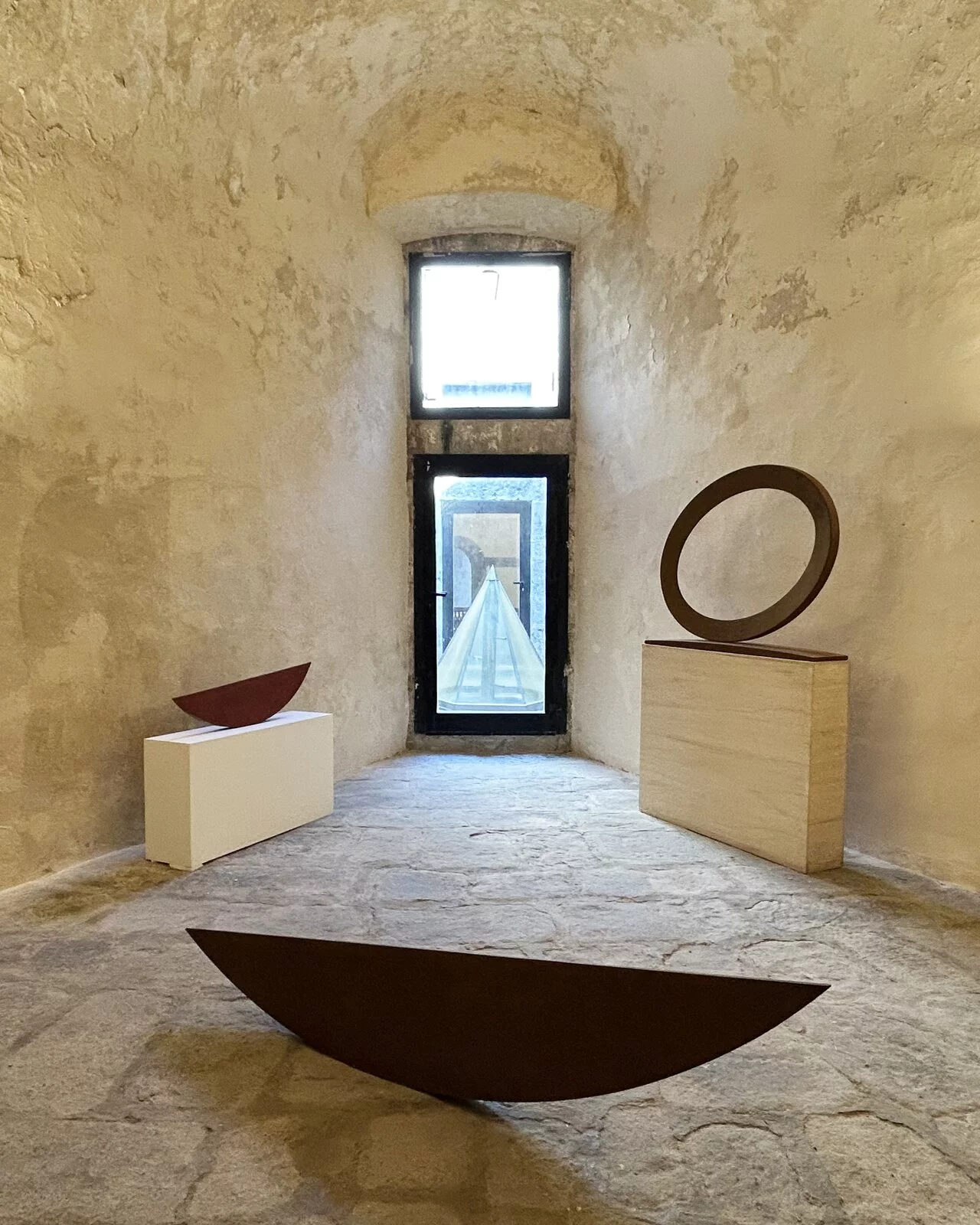
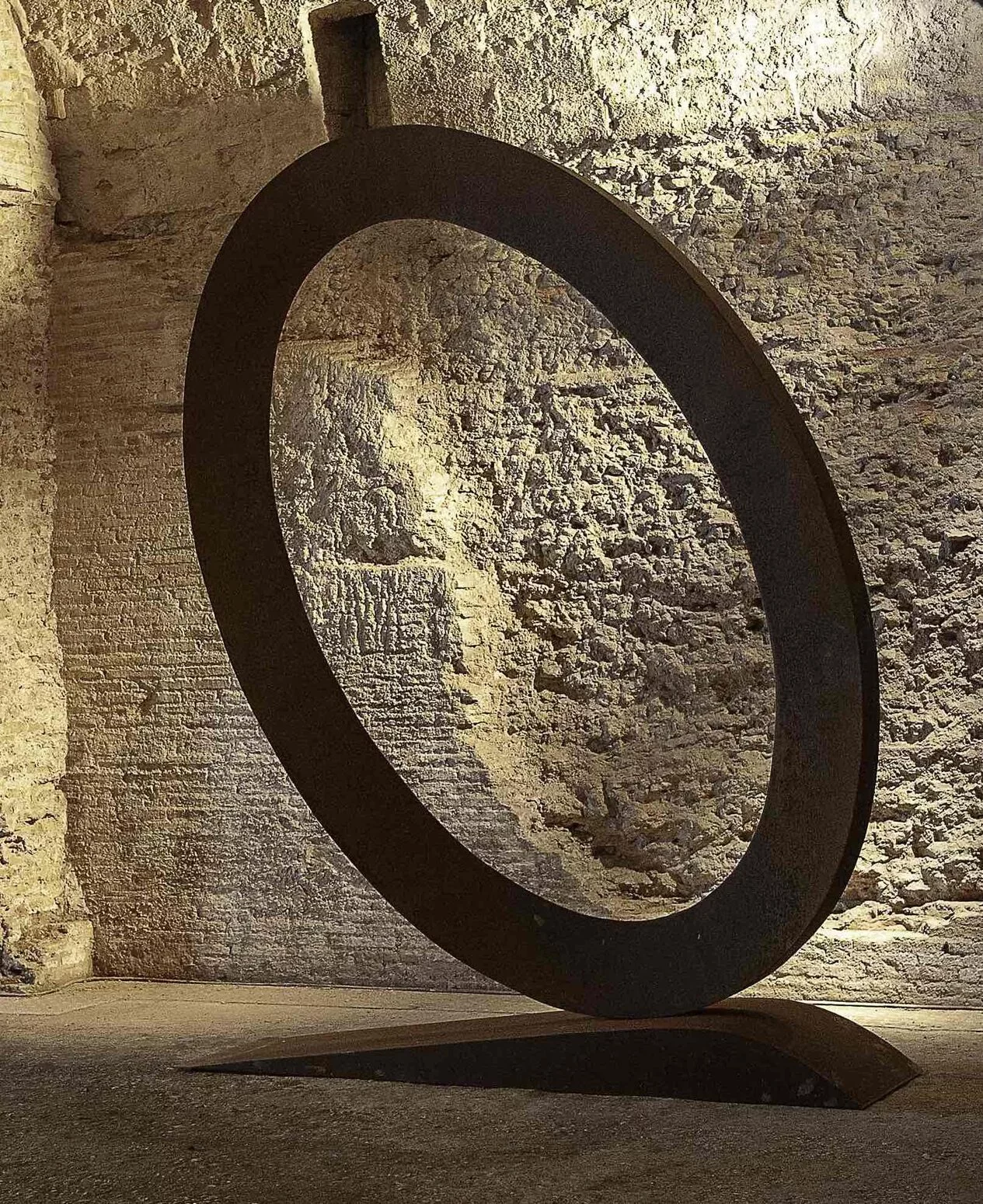
Mauro Staccioli. La scultura, press materials
The exhibition dedicated to Mauro Staccioli at Forte Stella in Porto Ercole presents a retrospective of twenty-two works, including sculptures and drawings, through which it is possible to trace the development of the artist’s research from 1971 to 2016. The exhibition unfolds within the particular architecture of the fortress: four large-scale sculptures are positioned in the four corners of the star-shaped bastions that enclose and support the hexagonal structure of the Forte, establishing a direct dialogue with the space and its configuration.
Inside the six triangular rooms, the works are presented in chronological order, with fourteen sculptures and four drawings documenting different stages of Staccioli’s research. The sculptures, made from materials such as iron, concrete, and Corten steel, through their dimensions and their relationship with the architecture, highlight one of the fundamental themes of the artist’s practice: the relationship between sculptural form and the space that houses it. The drawings on paper, meanwhile, introduce a more intimate and personal dimension, allowing us to observe the creative process and showing the continuity that, in Staccioli’s research, connects planning, form, and space.
Claudio Barontini, Uno sguardo, Palazzo delle Esposizioni, Lucca, until 27 September
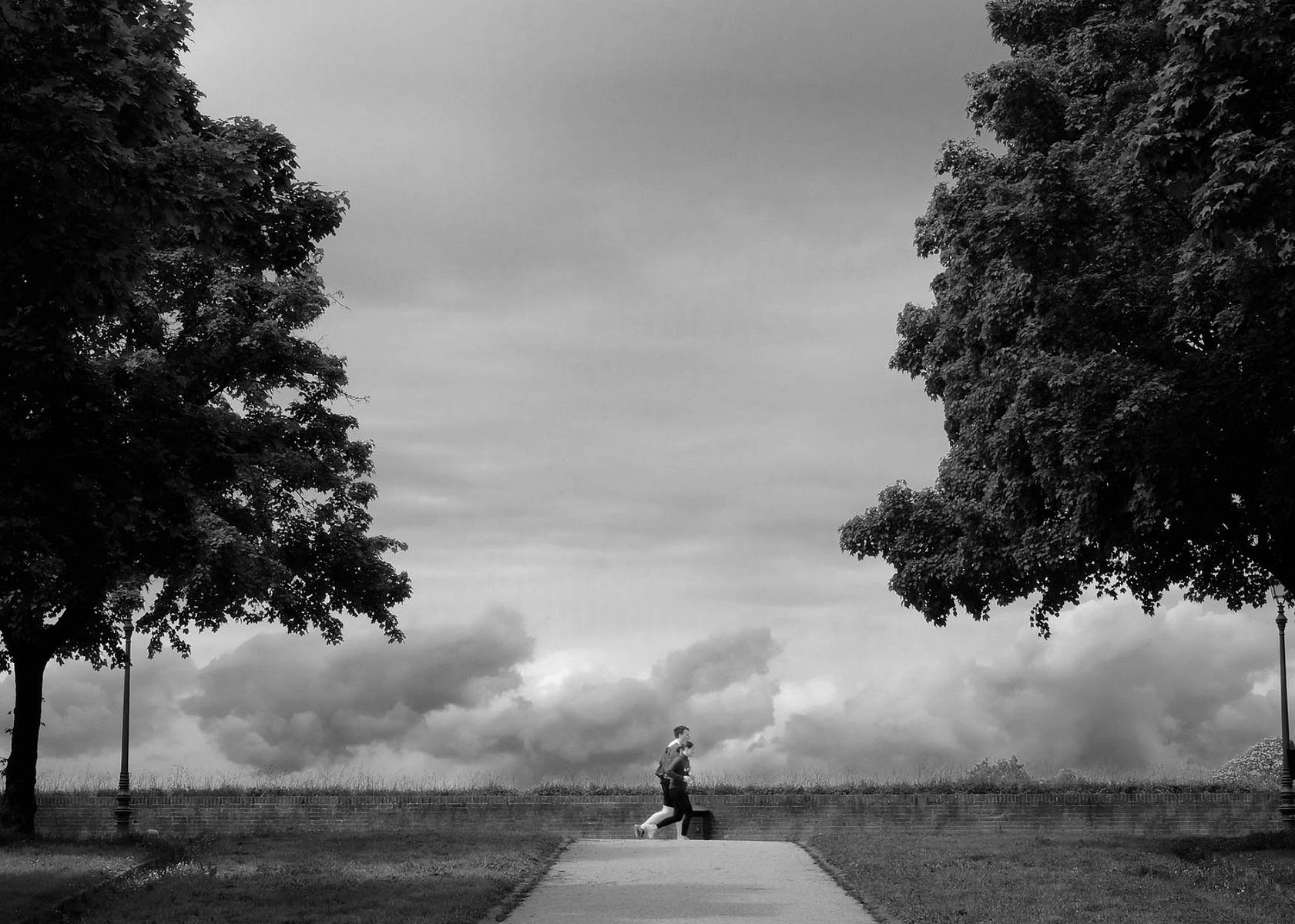
Claudio Barontini, Uno sguardo, press materials
Patti Smith, Vivienne Westwood, King Charles III, Vittorio Gassman, Sylvester Stallone, and Lindsay Kemp are just some of the figures who appear, in black and white, in the portraits by photographer and photojournalist Claudio Barontini exhibited at the Palazzo delle Esposizioni in Lucca. Alongside the portraits, we’ll see several previously unpublished photographs and a selection of images from the Flâneur series, taken during the photographer’s travels through Italian and international cities. A special section is dedicated to the Lucca area, with portraits of artists and popular figures—including Nicole Kidman, Fernando Botero, and Gabriella Ferri—taken over the years, as well as photographs shot in Lucca, Viareggio, Pietrasanta, and Torre del Lago. The exhibition creates a dialogue between the photographer’s international dimension and his gaze on everyday life and the local territory. The exhibition will conclude with a screening of the documentary Kemp-Barontini: Drawings and Pictures (2020), directed by Cristiana Cerrini.
At a time when millions of photographs, both new and archival, are just a click away, the direct encounter with a photograph—especially an analog one—retains something intimate. This is also what makes Barontini’s work significant: his portraits seem to retain something of the moment when the photographer encountered his subjects.
We All Needed the Same Sun, A Plus A Gallery, Venezia, until 30 September
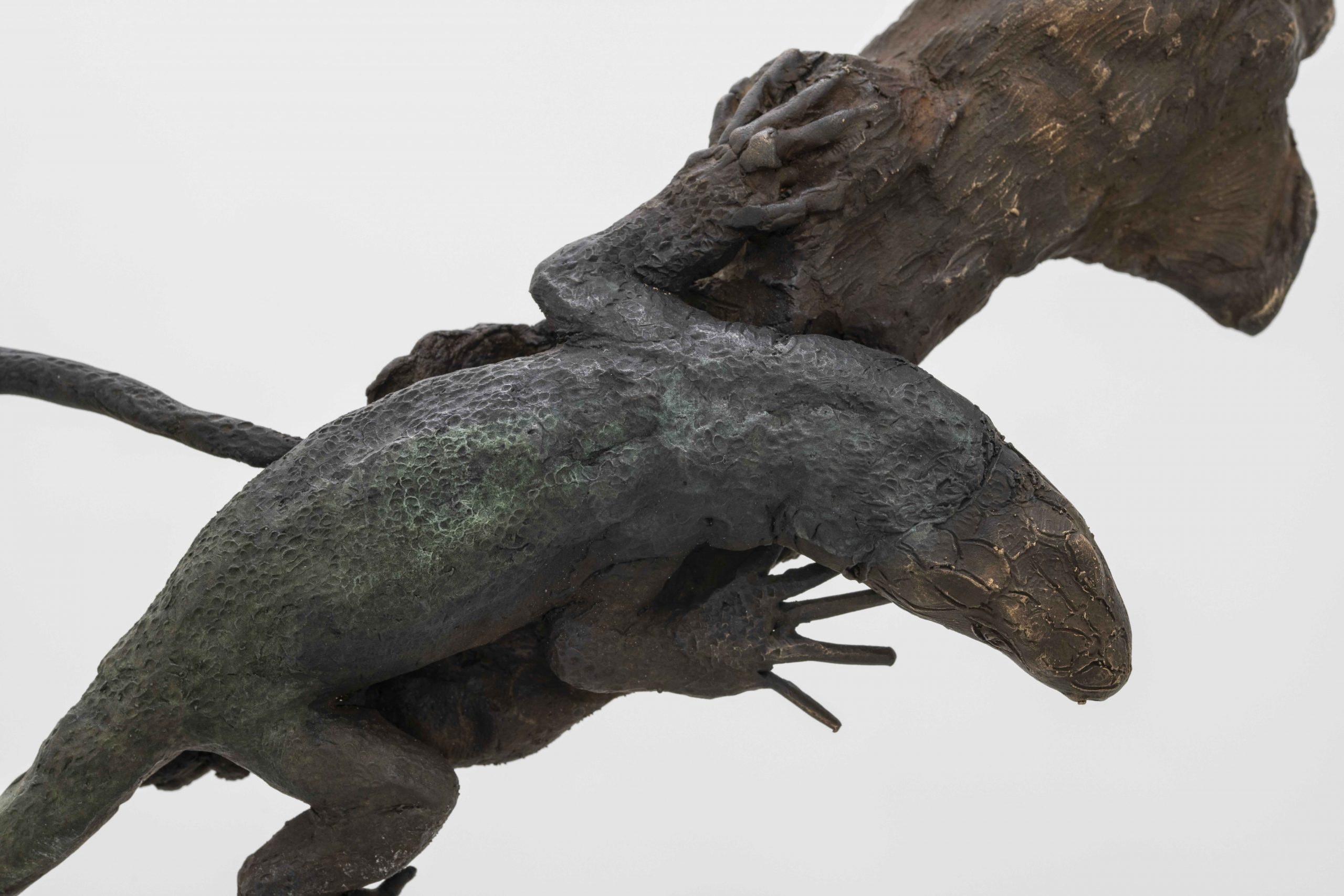
Matilde Sambo, Sogno lucido, detail, ©Mattia Mognetti
The statement in the title highlights a divide that, for centuries, has placed humans outside—and above—nature. It is precisely around this rapture that We All Needed the Same Sun is constructed. The exhibition is the concluding project of the eleventh edition of the International Curatorial Programme of the School for Curatorial Studies Venice, bringing together the work of ten artists and thirteen international curators.
Nature predates humanity by approximately 13.8 billion years and continues to transform according to dynamics beyond our control. Yet, throughout modernity, our relationship with the natural world has increasingly been based on appropriation: extracting, consuming, modifying, and exploiting. We All Needed the Same Sun questions this presumed centrality of humans through a series of associations between forms, materials, and different ways of looking at the living world.
When Species Don’t Meet, Spazio Volta, Bergamo, until 12 September
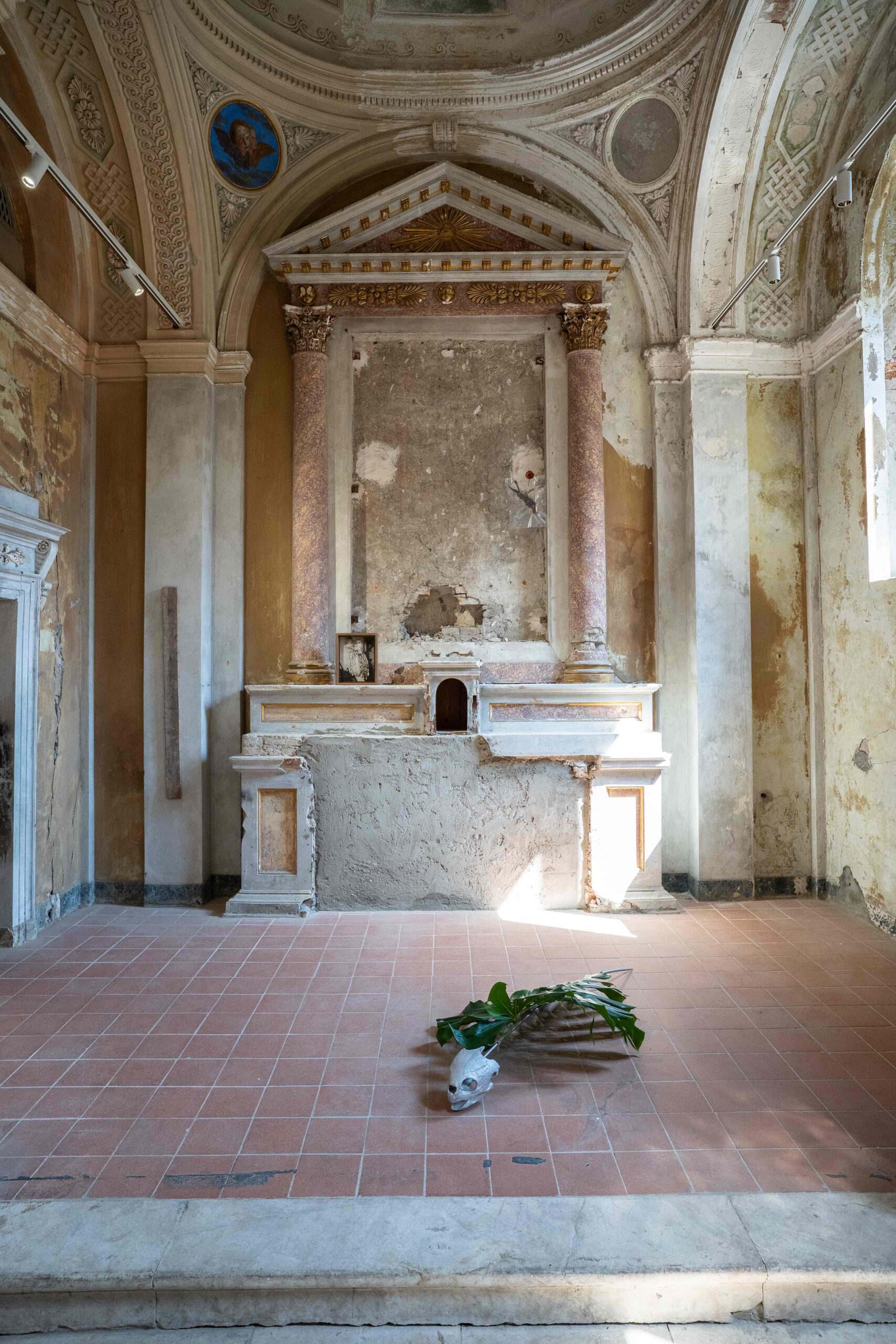
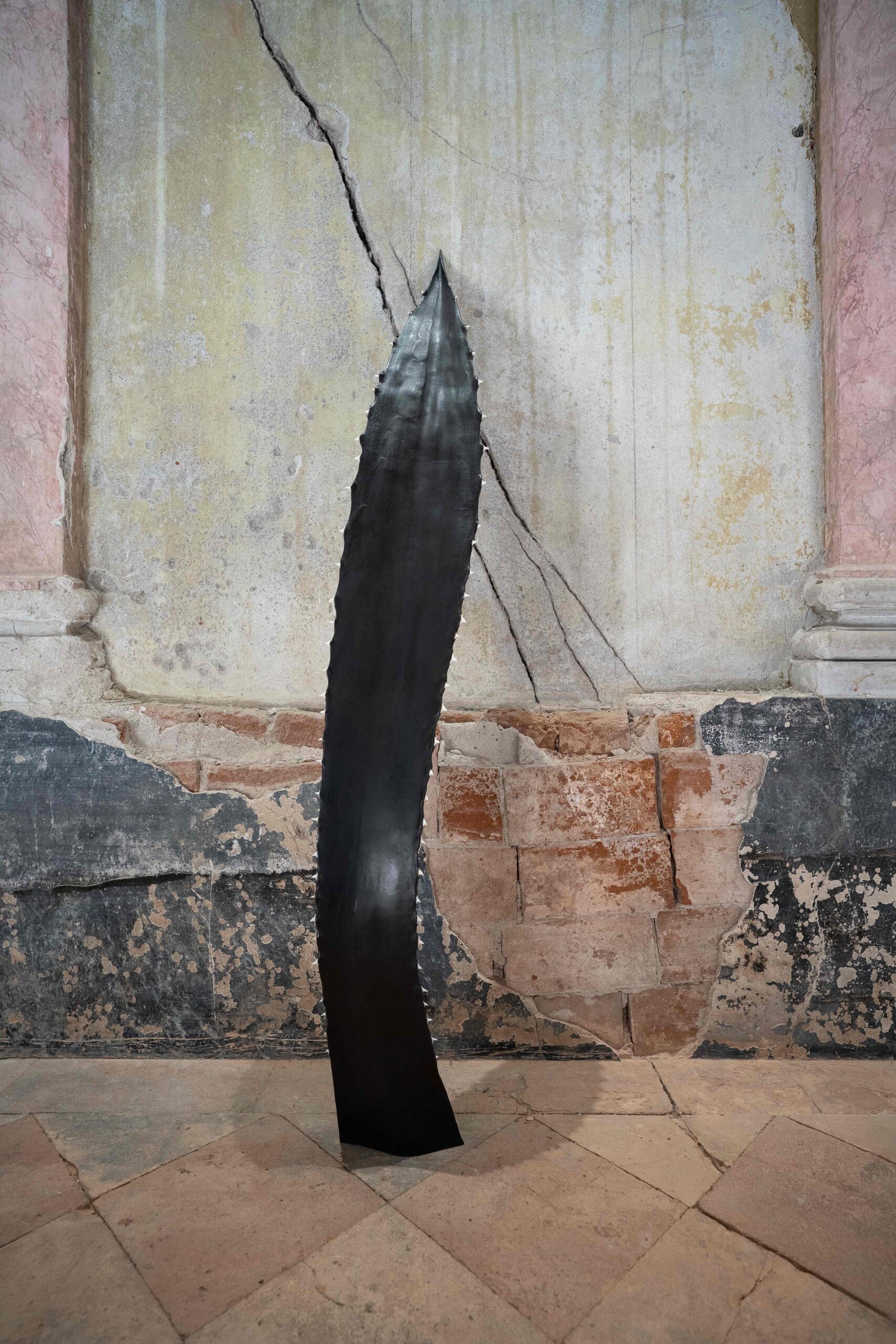
When Species Don’t Meet, installation views, ph Zoe Speziale, Edoardo Bonacina
When Species Don’t Meet stems from a dialogue between the practices of the invited artists and the collection of the Museo Civico di Scienze Naturali Enrico Caffi. The project began with an exploration of the museum’s storage facilities, where the artists identified several specimens that were subsequently incorporated into the works: among them, the skeleton of a Caretta caretta turtle, a jaguar skin, several display jars, and elements from the civic collections.
At the center of the exhibition is the way in which animality is observed, represented, and made visible through the institutional devices that determine its perception. The natural history museum moves from being a place of conservation to becoming an instrument of knowledge that, through different systems—from taxidermy to dioramas—orders and transforms the living into knowledge and image.
In this context, ecology emerges as an issue that is not only environmental, but also political and perceptual. When Species Don’t Meet shows how every practice of observation and conservation implies a precise structure of power, capable of establishing what must be seen, classified, and preserved. The exhibition thus brings the imbalance of this relationship to the forefront, while also questioning what, within these systems, remains invisible, excluded, or marginal.