


The Shape of the Self / La forma del Sé
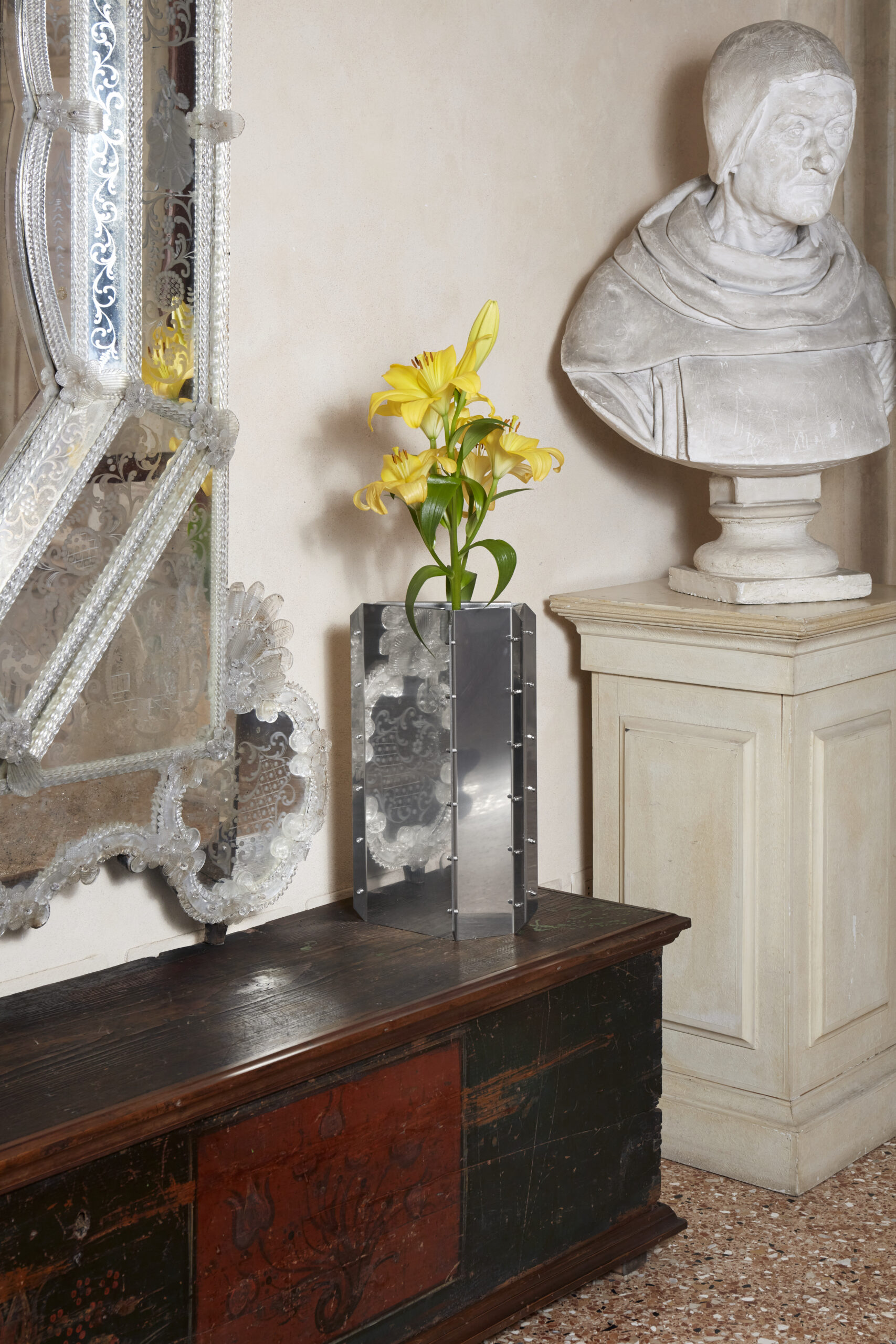
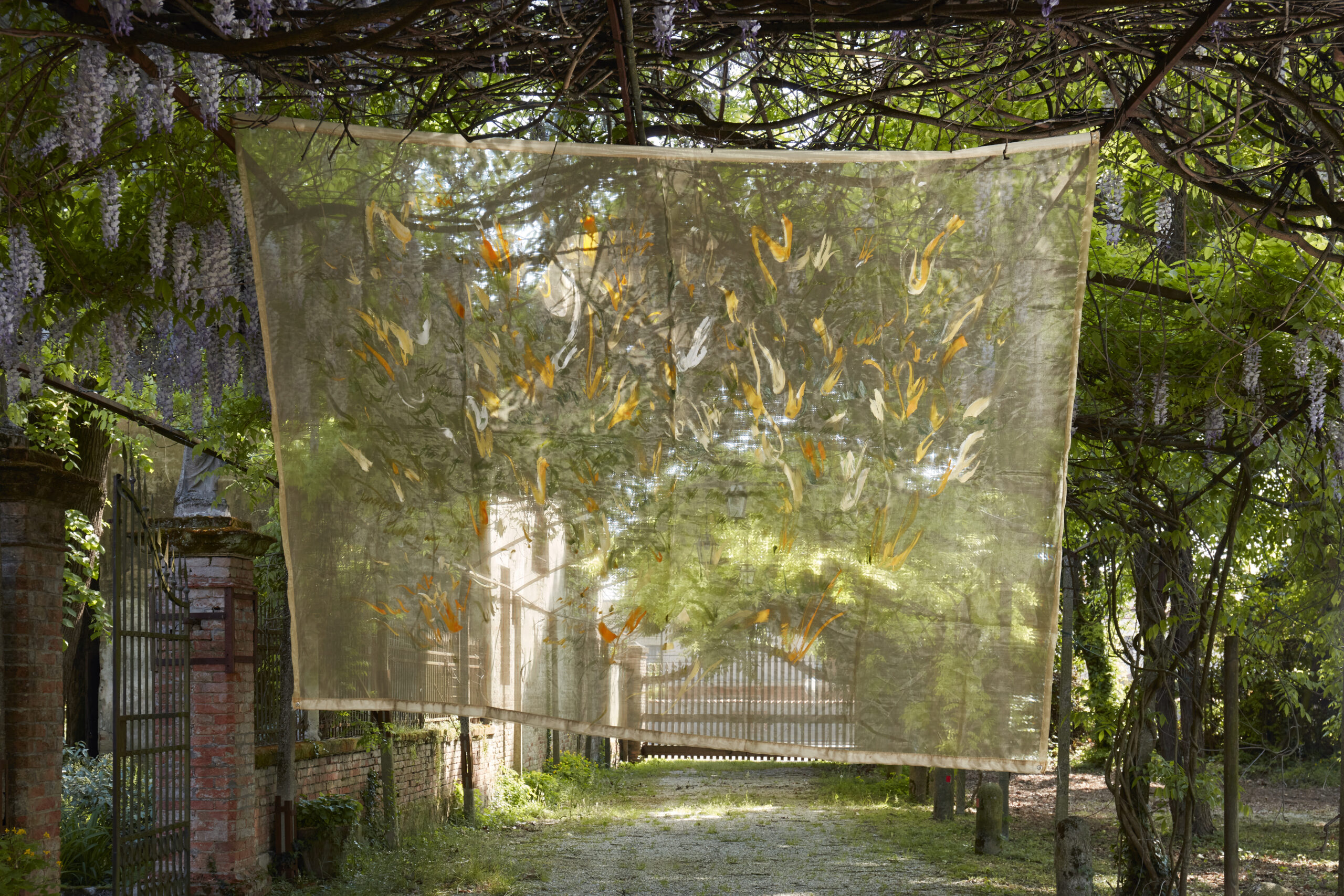
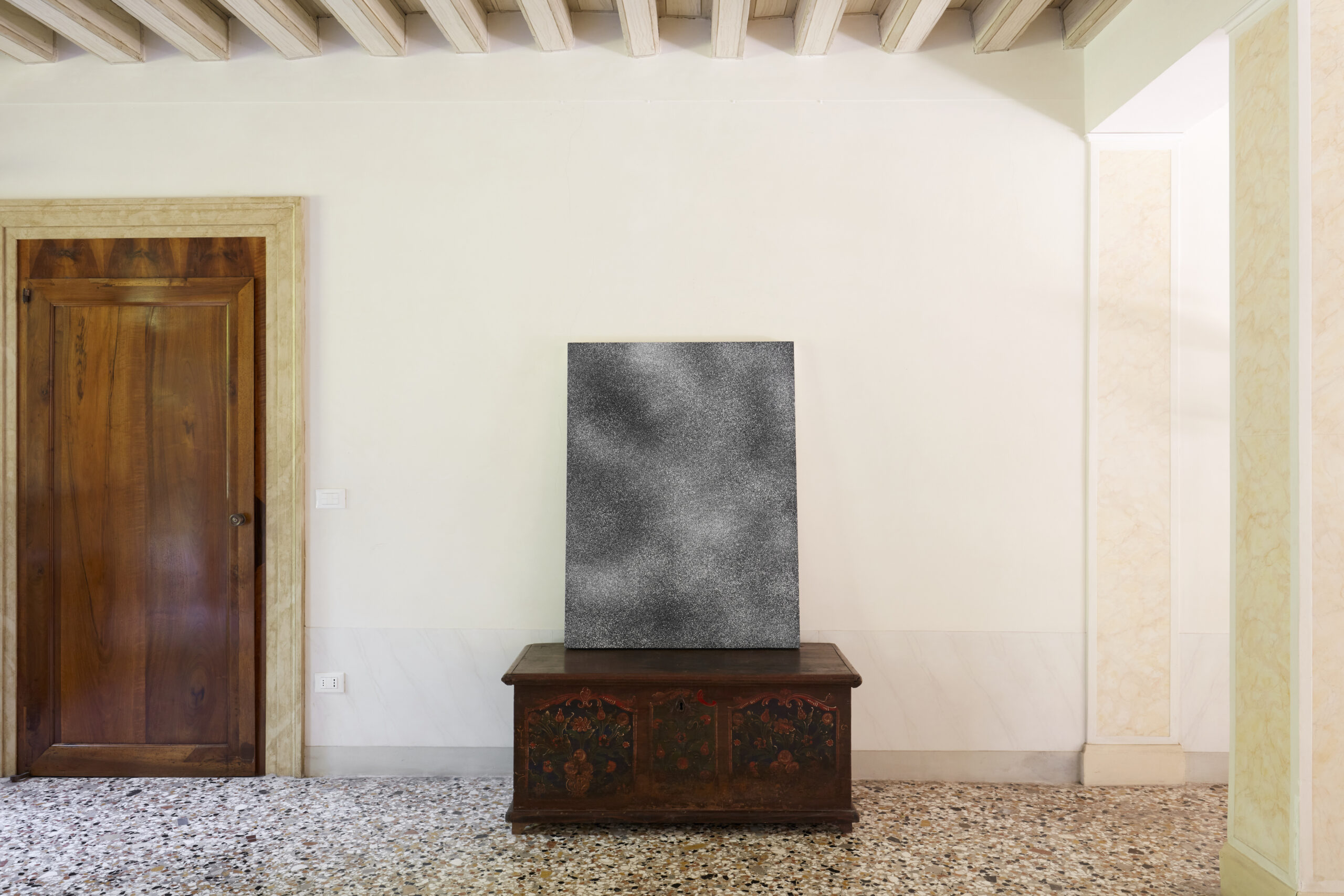
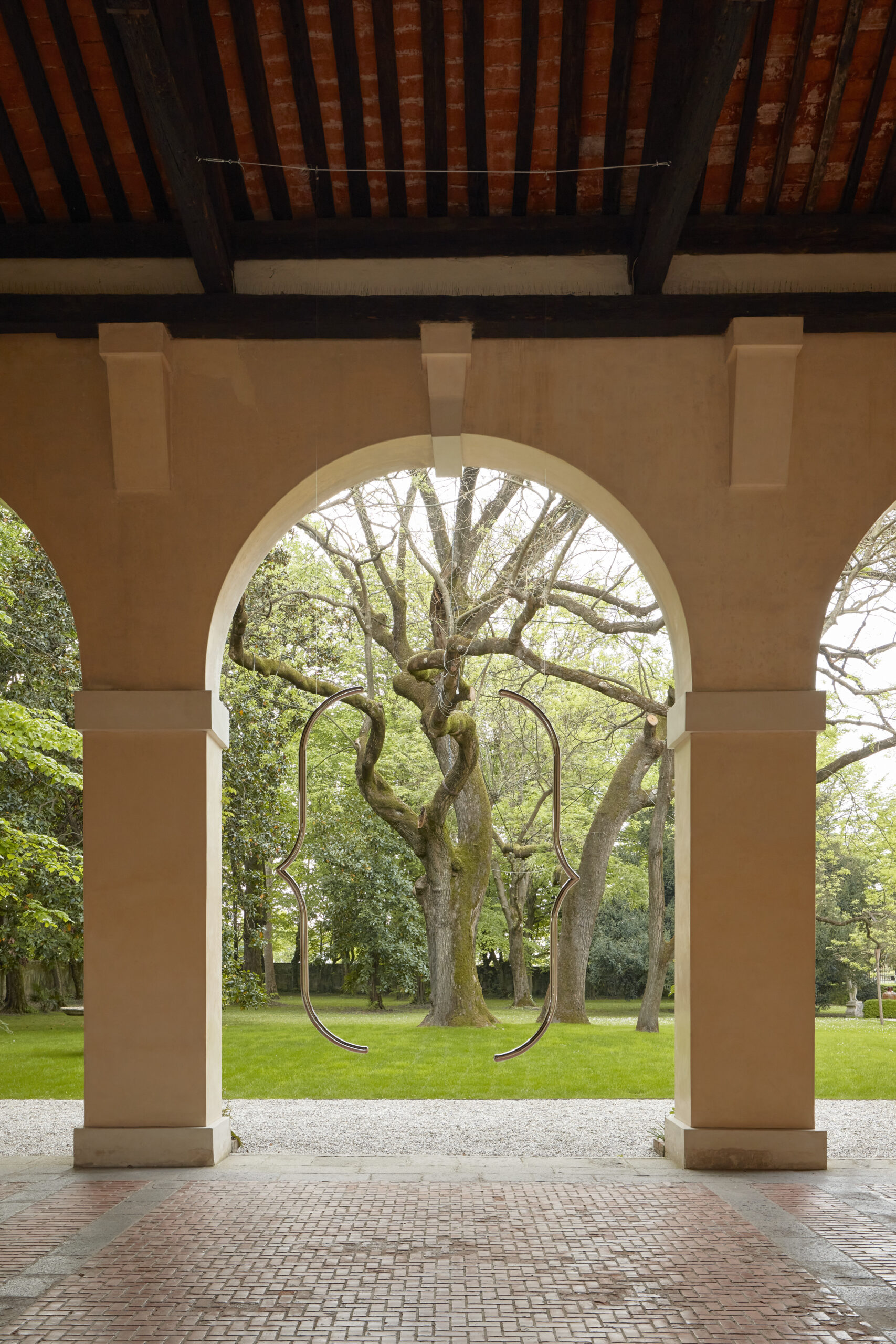
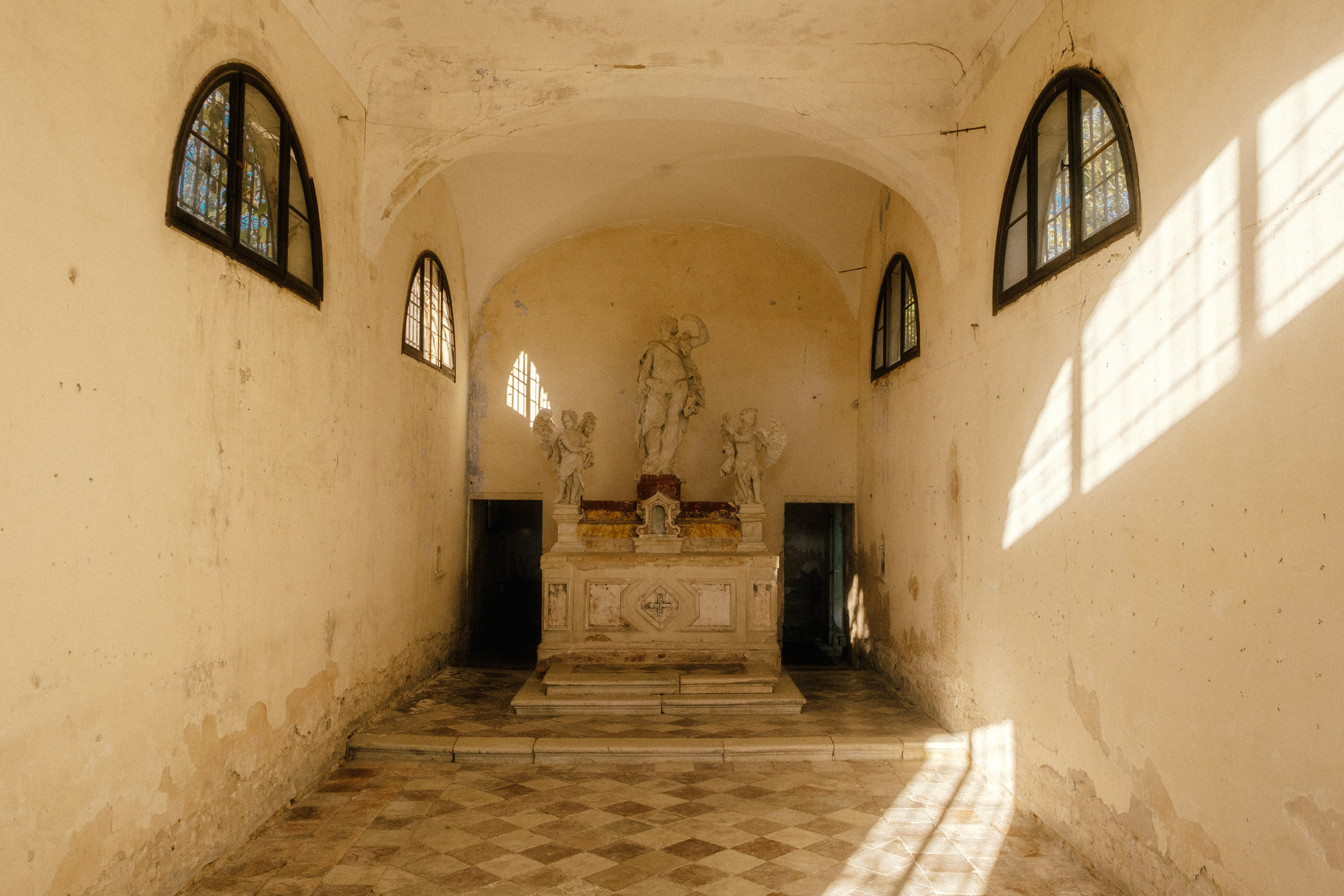
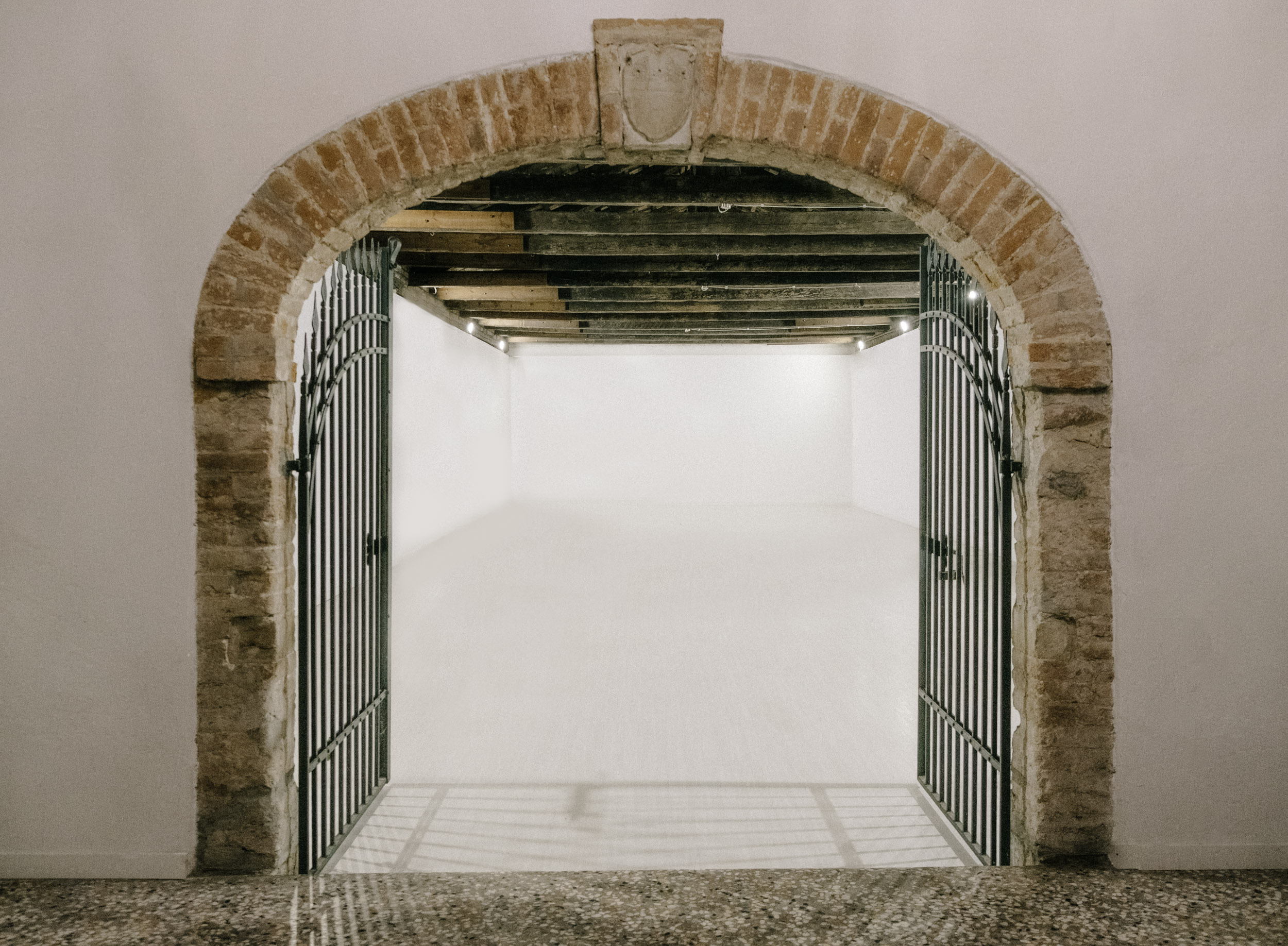
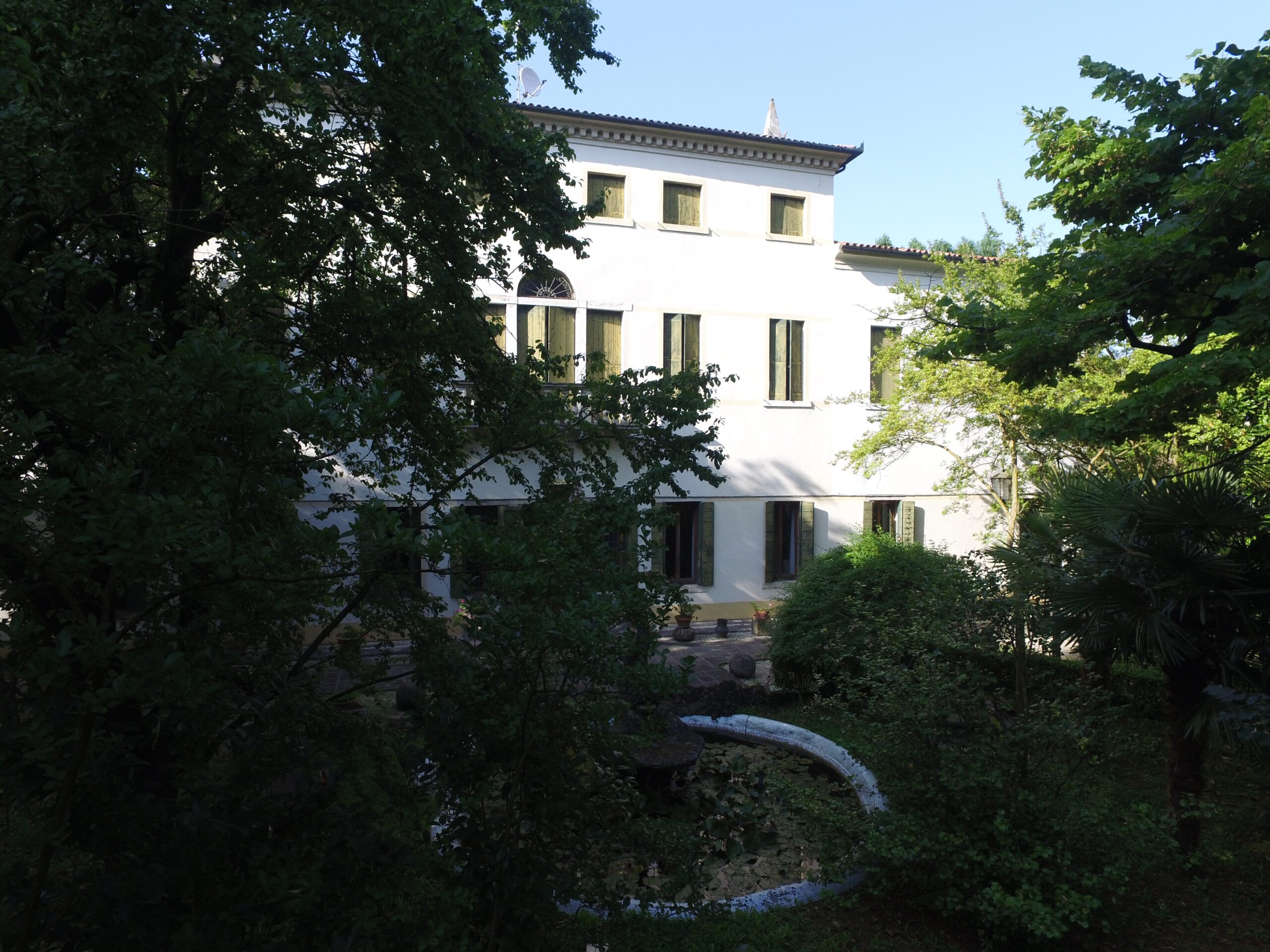
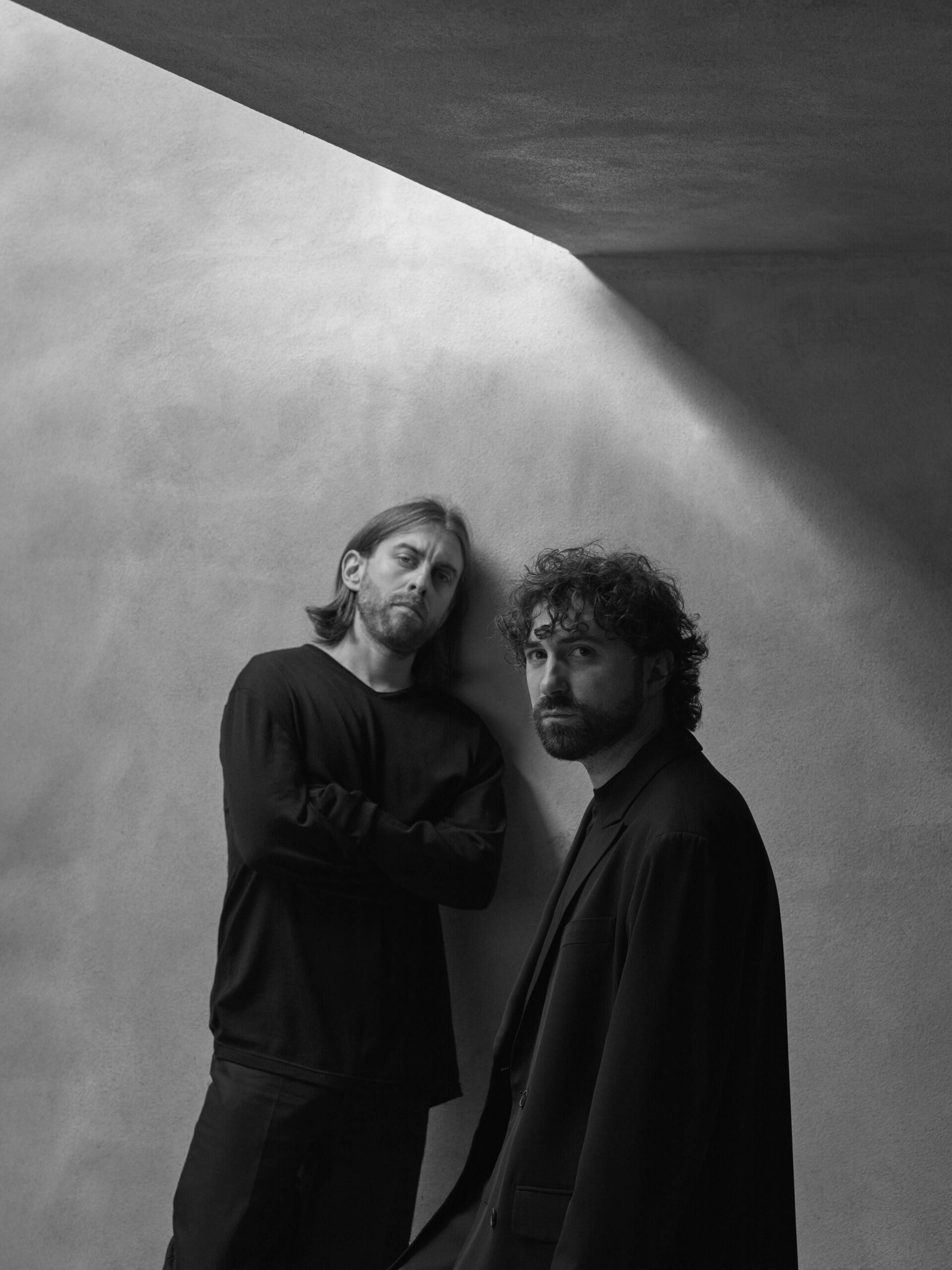
A new contemporary art program takes shape in Venice at Ca’ Riviera. An independent cultural project founded by Leonardo Tiezzi and Riccardo Corò with the goal of promoting a dialogue between art, design, and other languages. Located within two 16th-century villas along the Riviera del Brenta, Ca’ Riviera is conceived as a collaborative platform and incubator for galleries, artists, and international creatives and will launch its artistic residency in summer 2026 with open call. Starting from the 2026 Art Biennale and throughout the year, Ca’ Riviera invites artists, galleries, and international institutions to inhabit the space, supporting exhibitions, installations, and residency projects, involving local and global communities. Each collaboration is designed to promote visibility, dialogue, and long-term positioning through cooperation between collectors and international institutions. Rooted in Venice but open to global perspectives, Ca’ Riviera aims to become a cultural destination in Italy, acting as a home for the arts that goes beyond the duration of the main Venetian events.
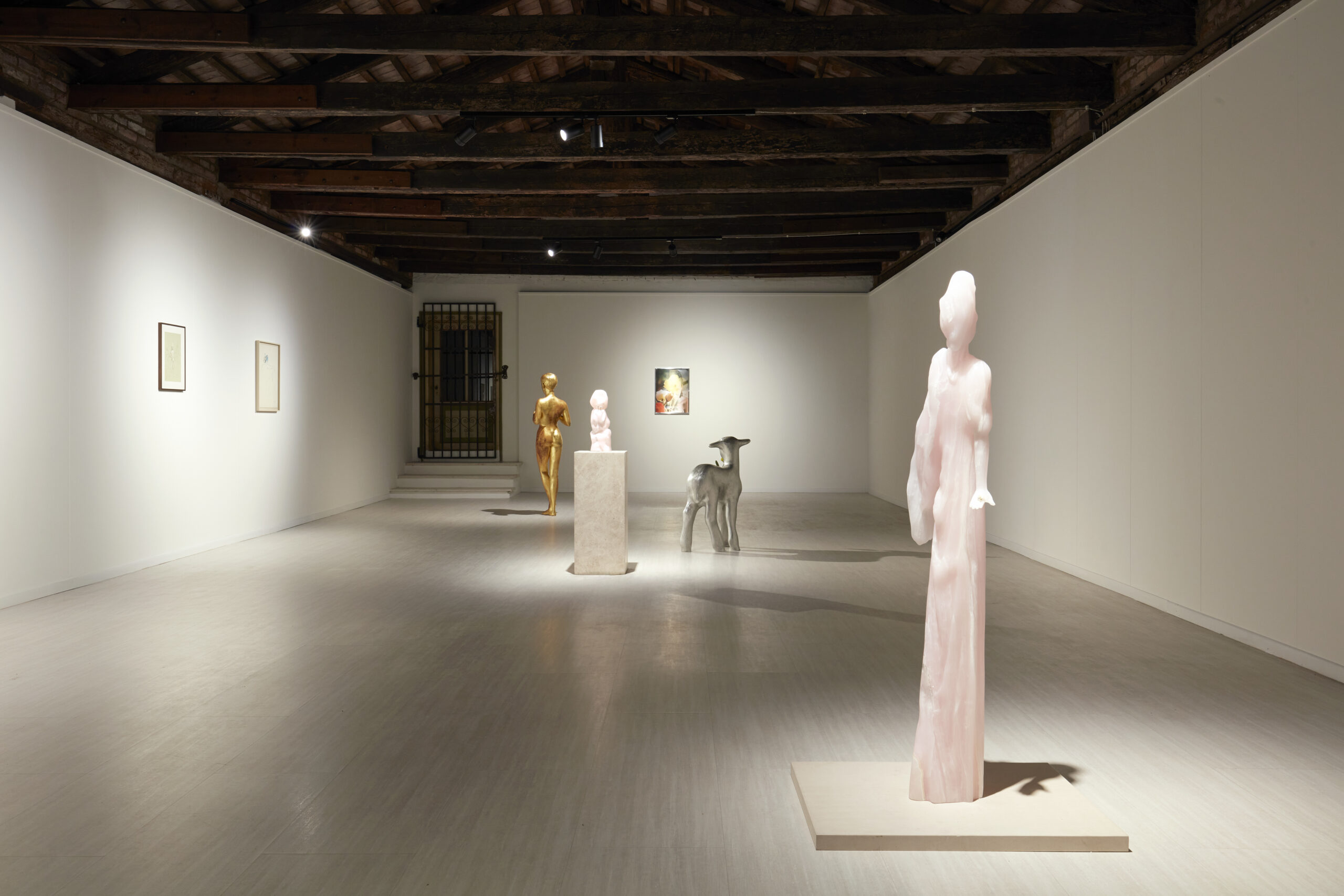
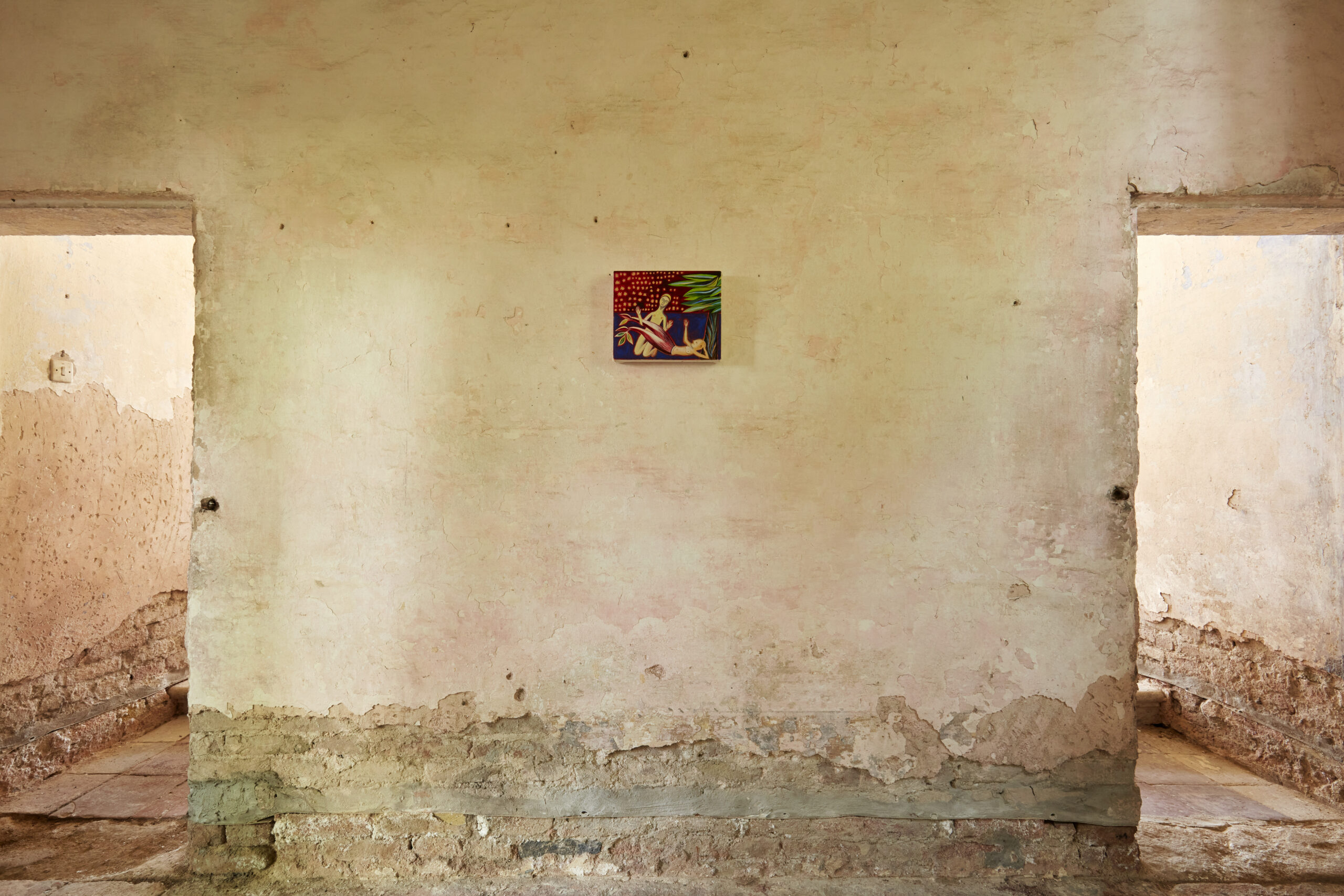
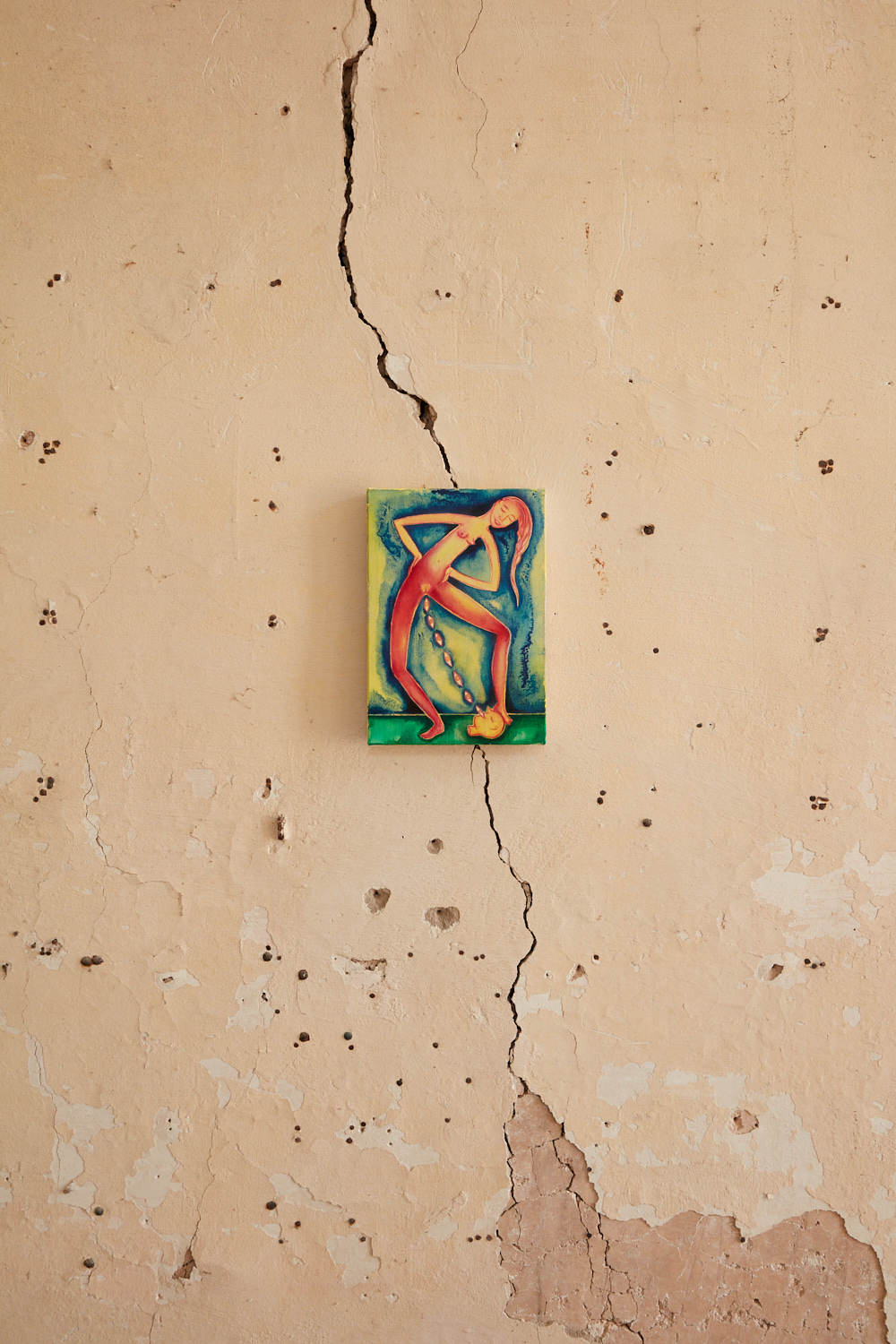
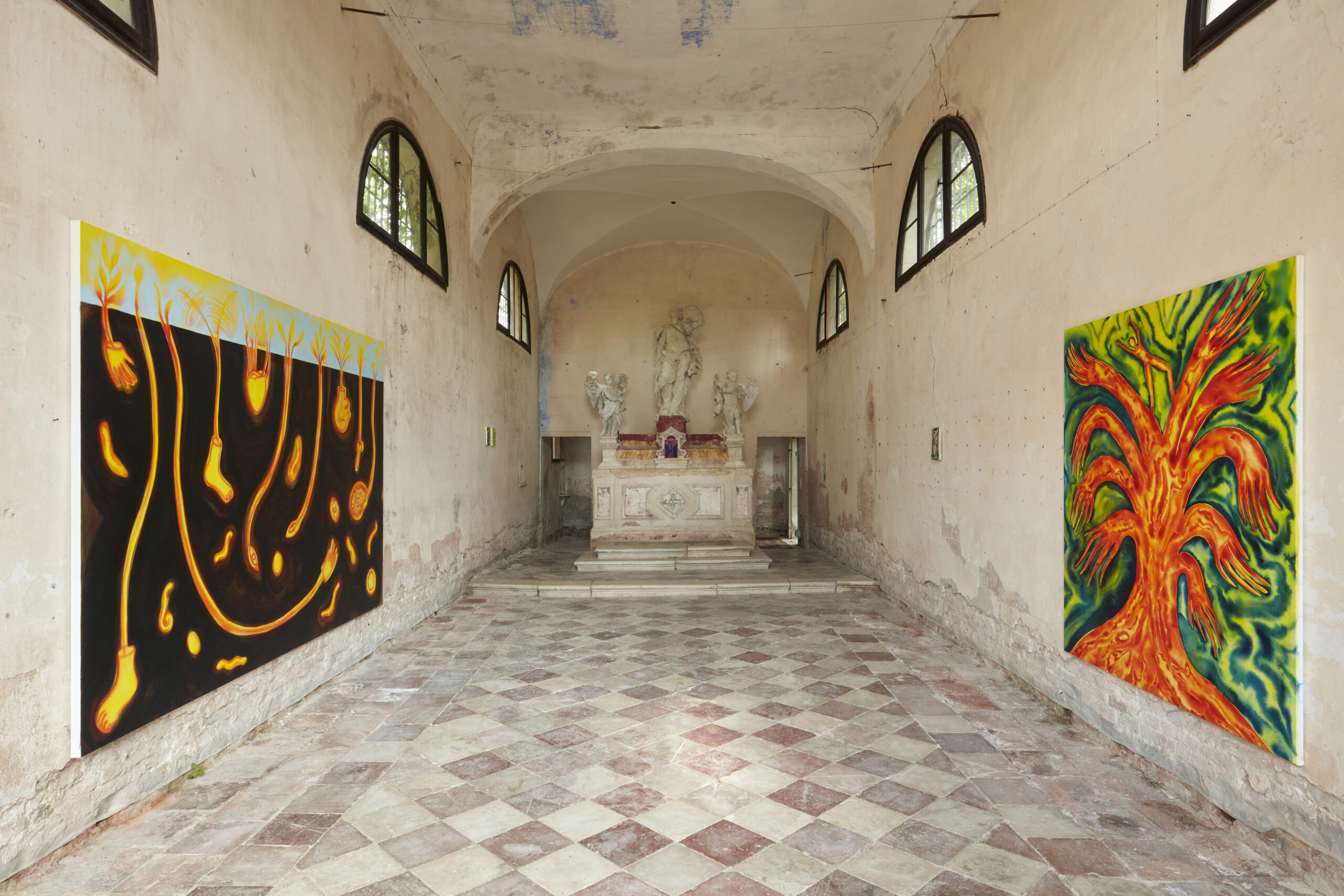
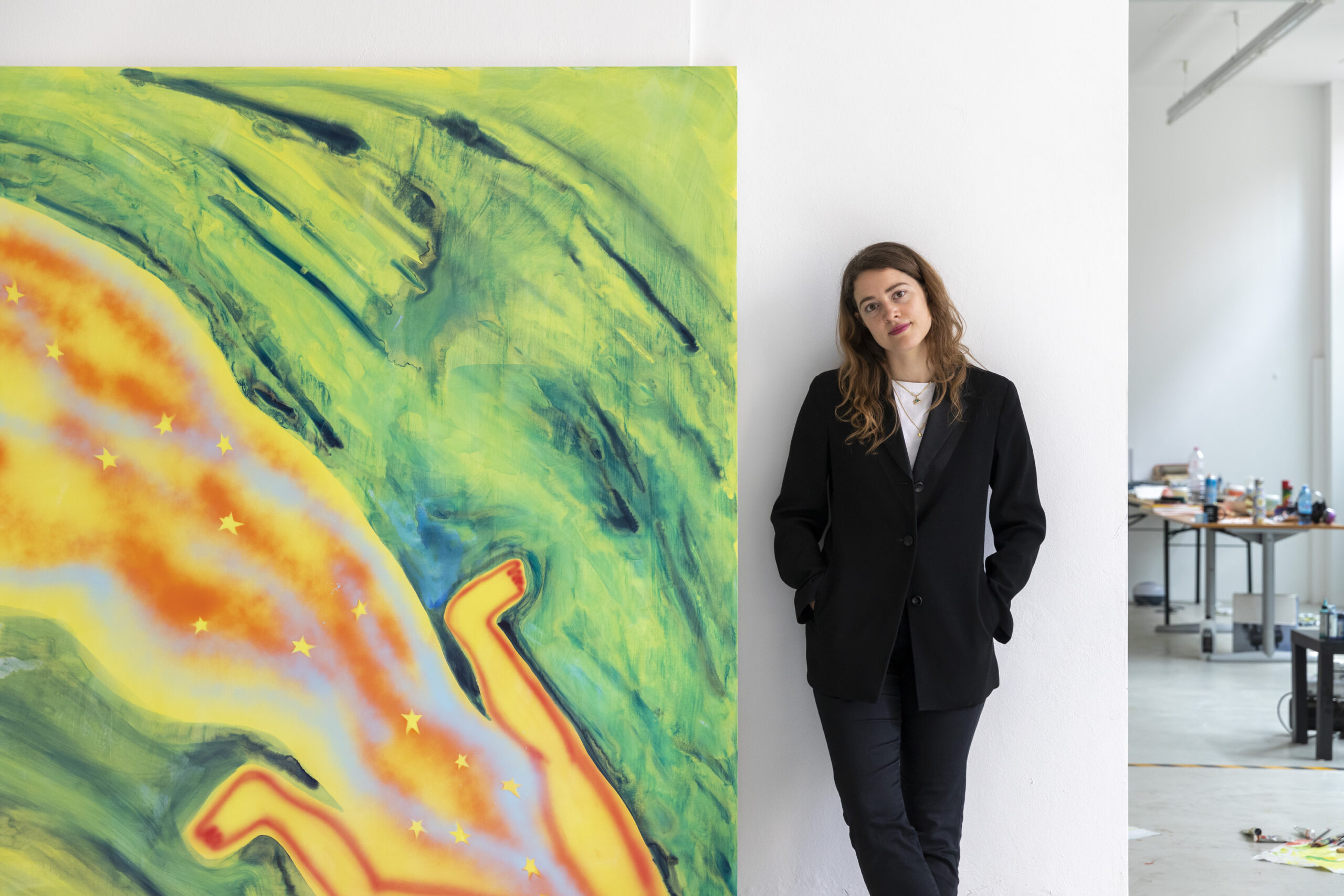
For its first appointment, on May 9, 2026, it inaugurates the group-show “The Shape of the Self / La forma del Sé”, which investigates the research of artists Leonor Fini, Cecilia Granara, and Yves Scherer through their path of redefining personal identity.
***
“I is another.
If copper awakens trumpet, it is not its fault.
For me this is obvious: I witness the unfolding of my own thought; I watch it, I hear it; I make a stroke with the bow: the symphony moves in the depths, or jumps onto stage.”
Arthur Rimbaud, sixteen, in the Letter of the Seer
At the boundary between definition of the self and fluidity of thought, Rimbaud anticipated what would be at the center of many modern reflections on psyche and art: the self understood as a continuously moving process, investigated through the senses, the body, and perception. The theme of visionary experience is connected to prophecy, expressing the human capacity to intuit the beyond without declaring it and to perceive possible life as a sensitive entity in continuous evolution. In this context, Symbolist intuition opens the way to a description of the “shape of the self” intimate and aesthetic, which manifests in the tension between the desire to establish defined boundaries and the will to embody something corporeal or emotional. In the exhibition “The Shape of the Self / La forma del Sé”, hosted at Ca’ Riviera and in collaboration with Cassina Projects Gallery from Milan, three authors make tangible the idea of an evanescent metamorphosis through the spirit of their research and the works exhibited, establishing a historical dialogue between the avant-gardes of the 20th century and the present and demonstrating how this theme remains current and capable of redefining itself in the contemporary. Research dedicated to the surrealist artist Leonor Fini explores the self by constructing a staging of her unconscious, a “spell in the form of an autobiographical assertion” that expresses the constant tension to define and liberate the condition of being a woman and an artist. Cecilia Granara, on the other hand, gives painting a universal dimension, recalling elements of spirituality and stream of consciousness, in a practice, projected towards the viewer, that is configured as a collective language exploring the relationship between body and nature through emotional registers and states of transcendence. The work of Yves Scherer focuses on recording reality, investigating the boundary between reality and fiction, and through the analysis of media and spectacle culture, highlights the contradictions and the continuous reshaping of images and meanings, transforming familiar idols into new narratives and showing the fluidity of the self in a present dominated by spectacularization.
With this inaugural project, Ca’ Riviera defines a new and personal curatorial direction, promoting lasting relationships between artists, galleries, and the public in a context where heritage and contemporaneity coexist and feed each other.