

Autopsia
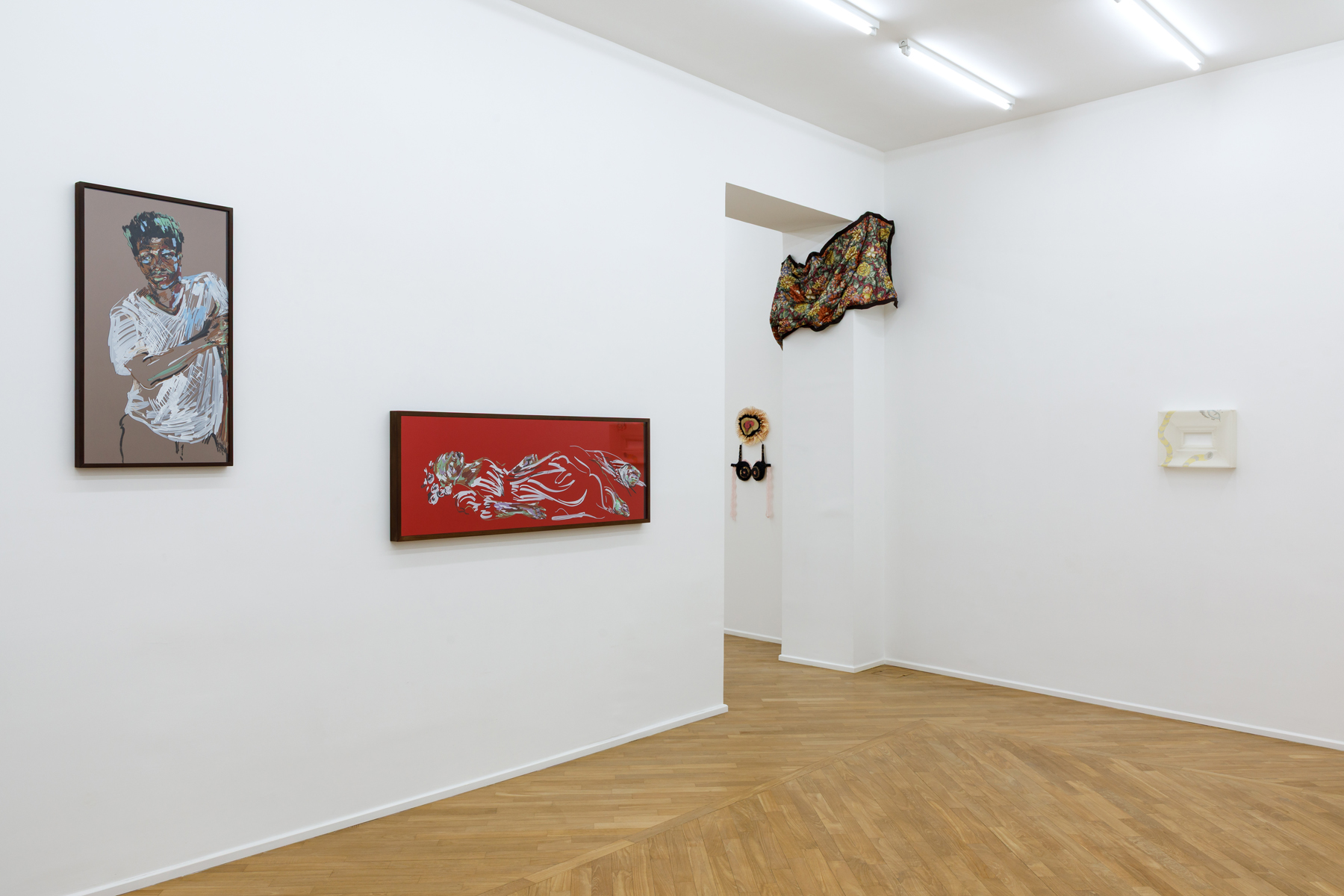
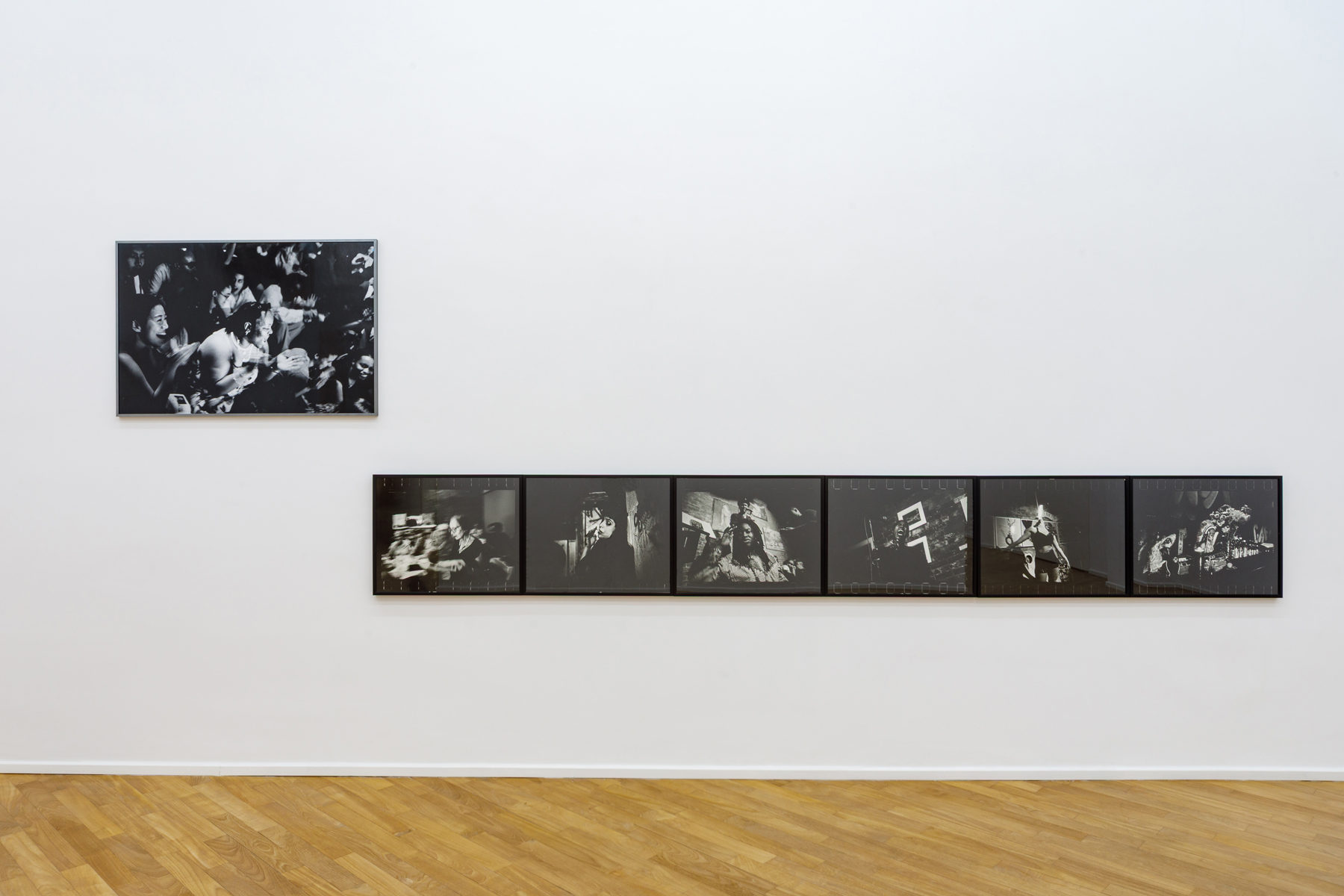
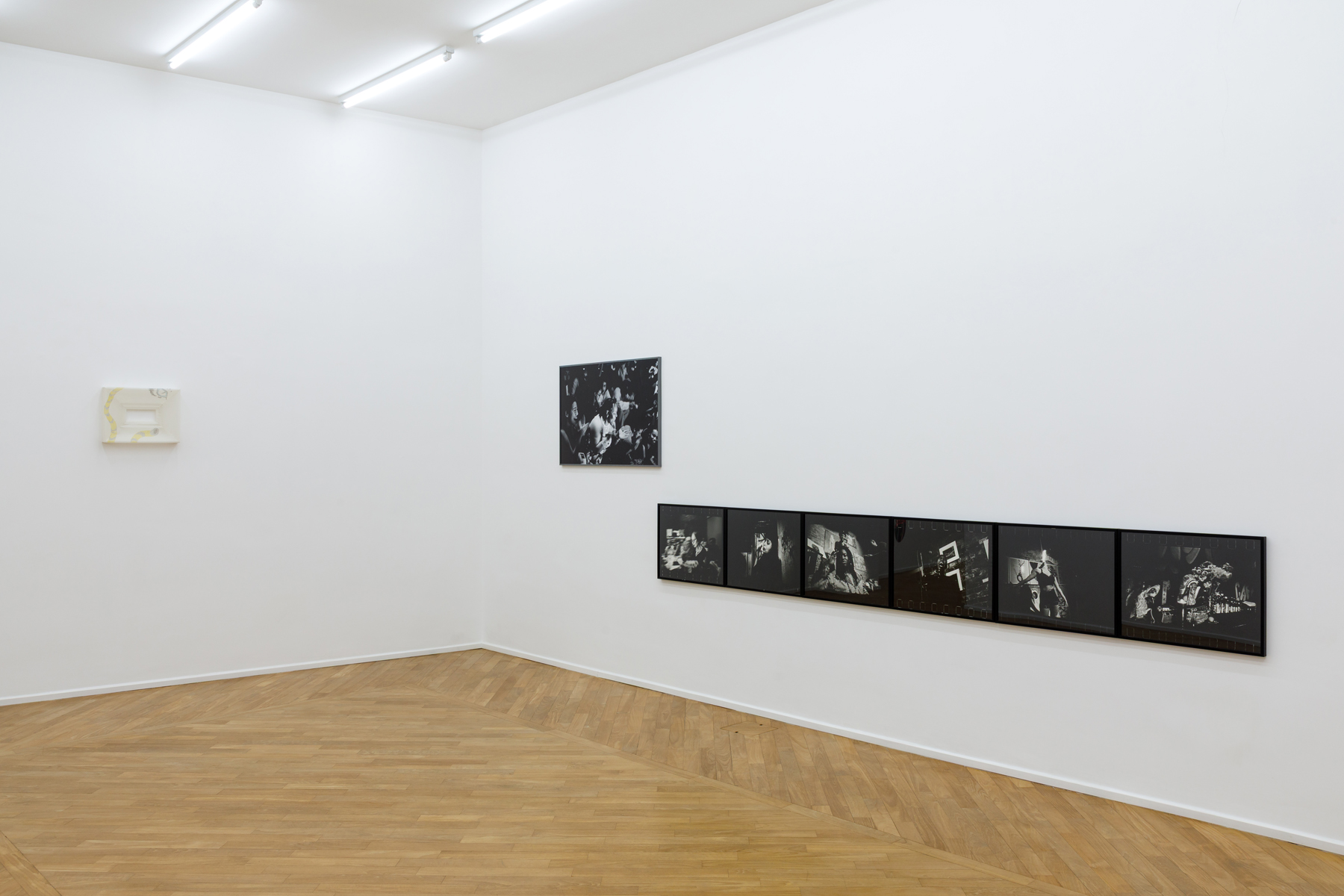
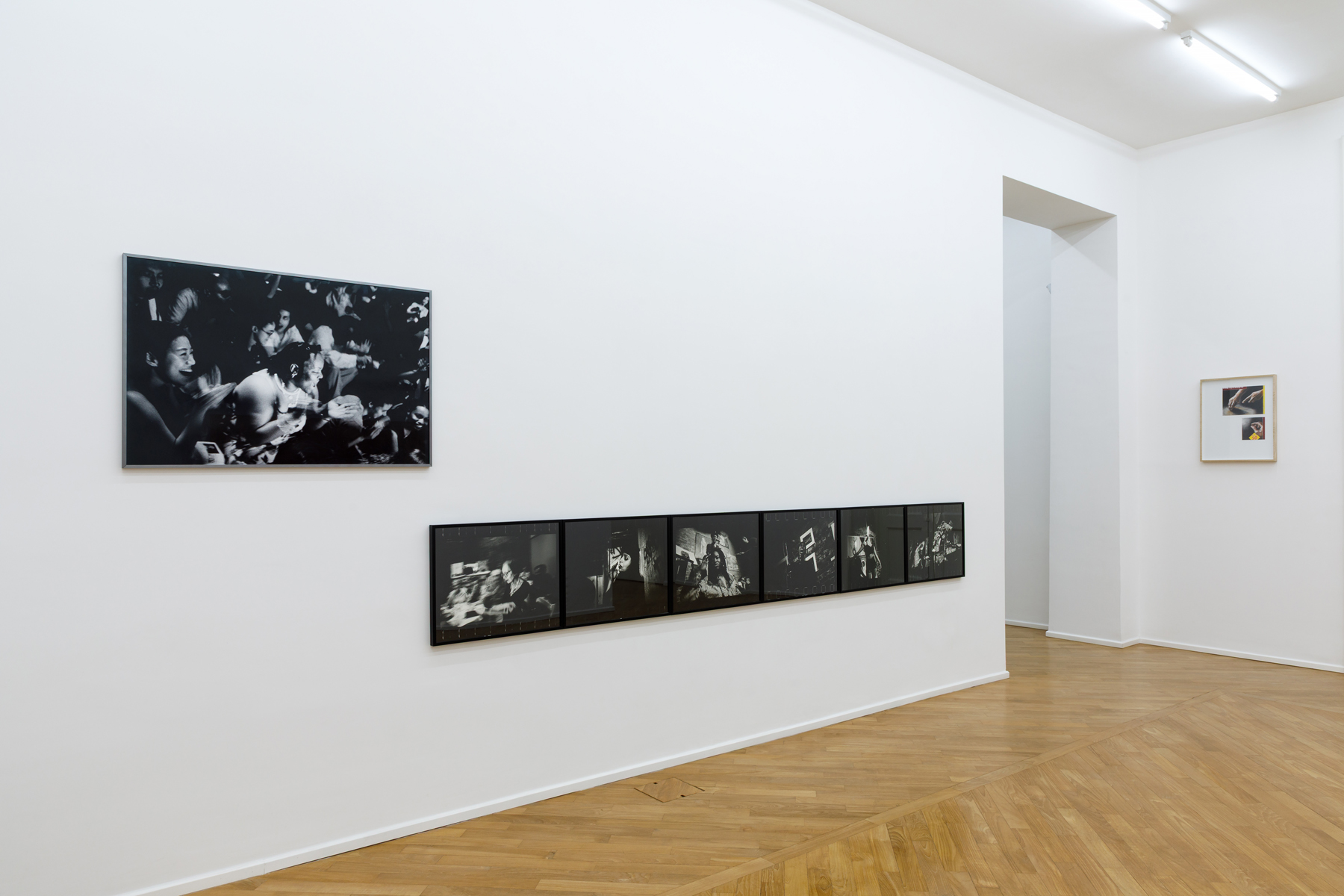
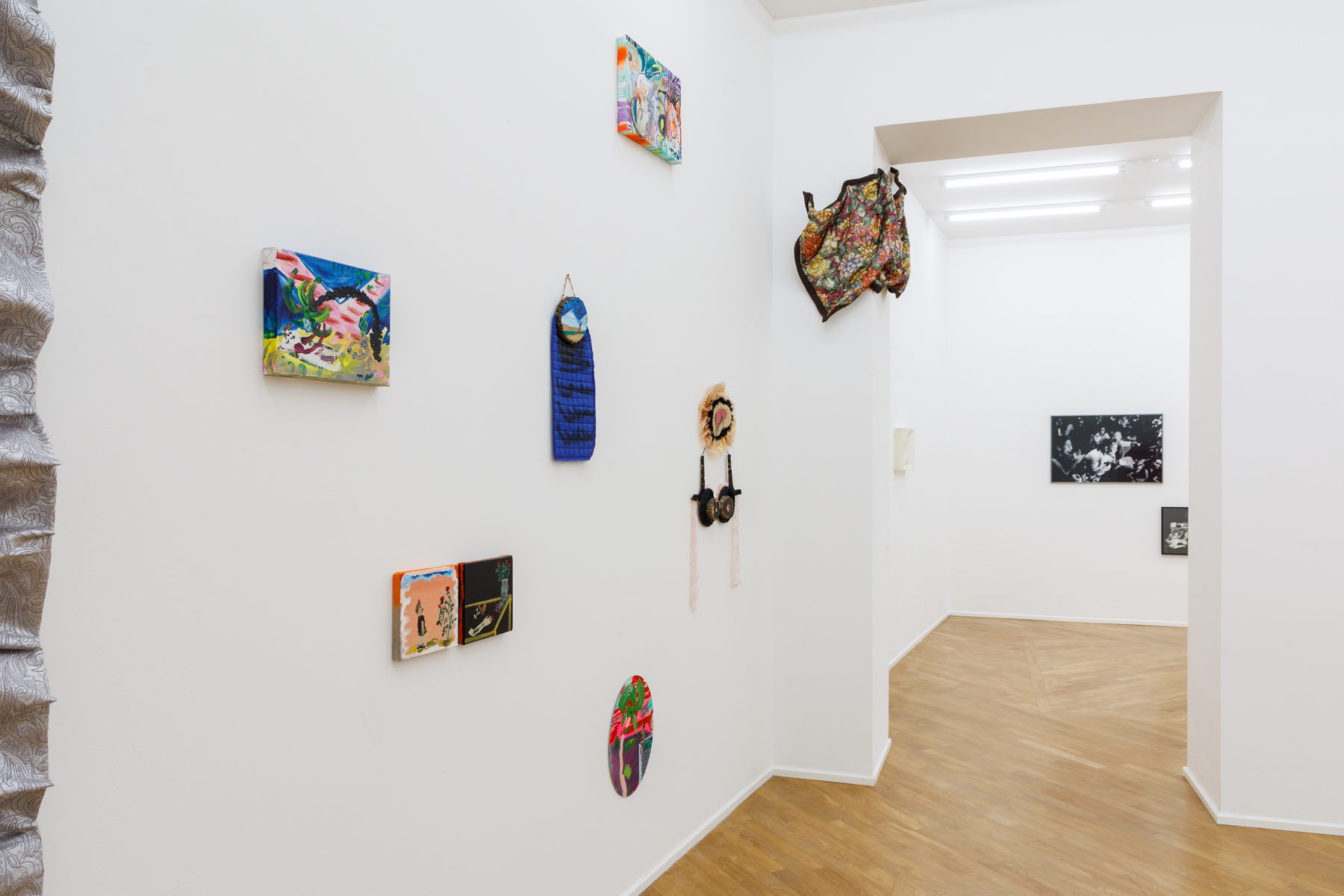
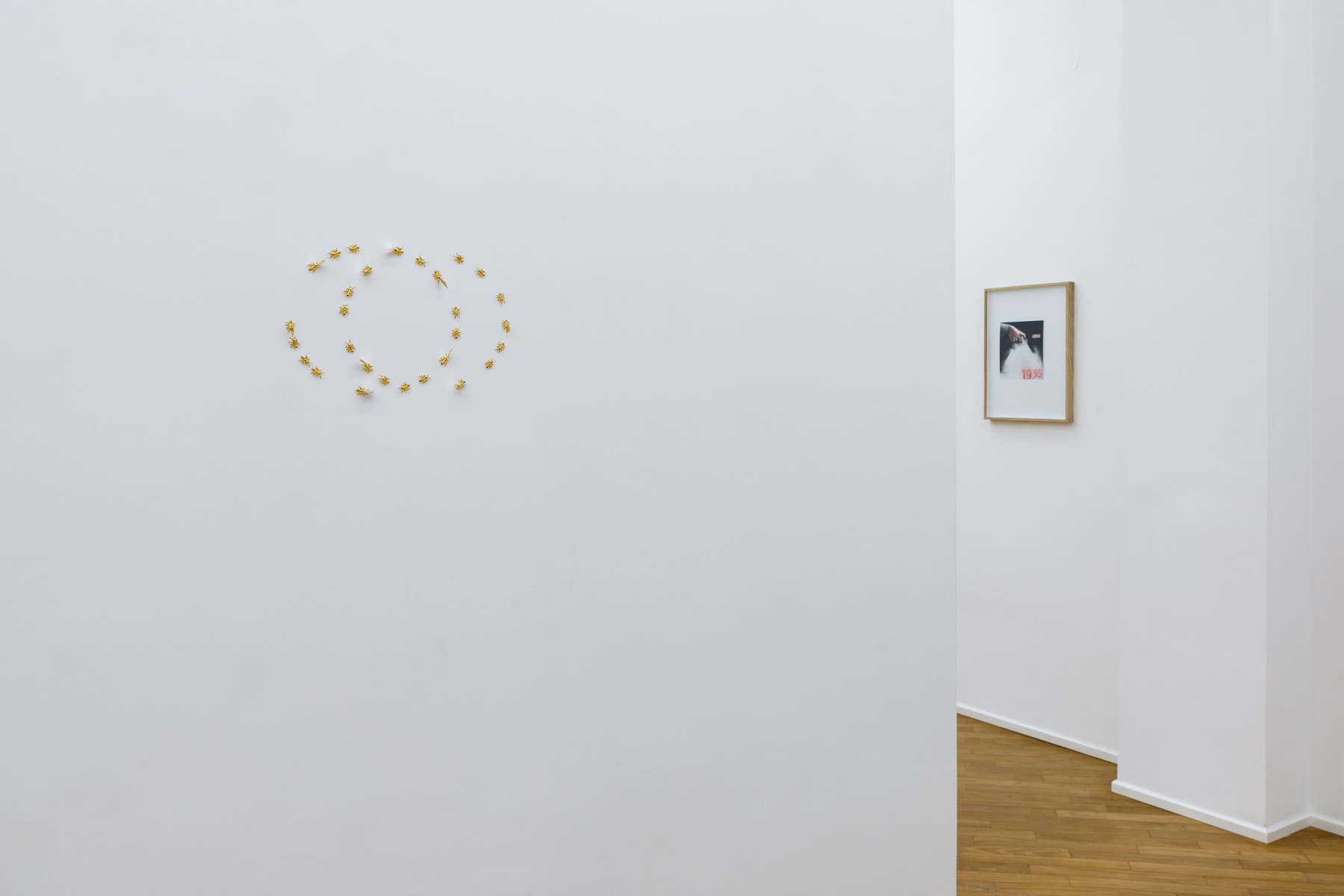
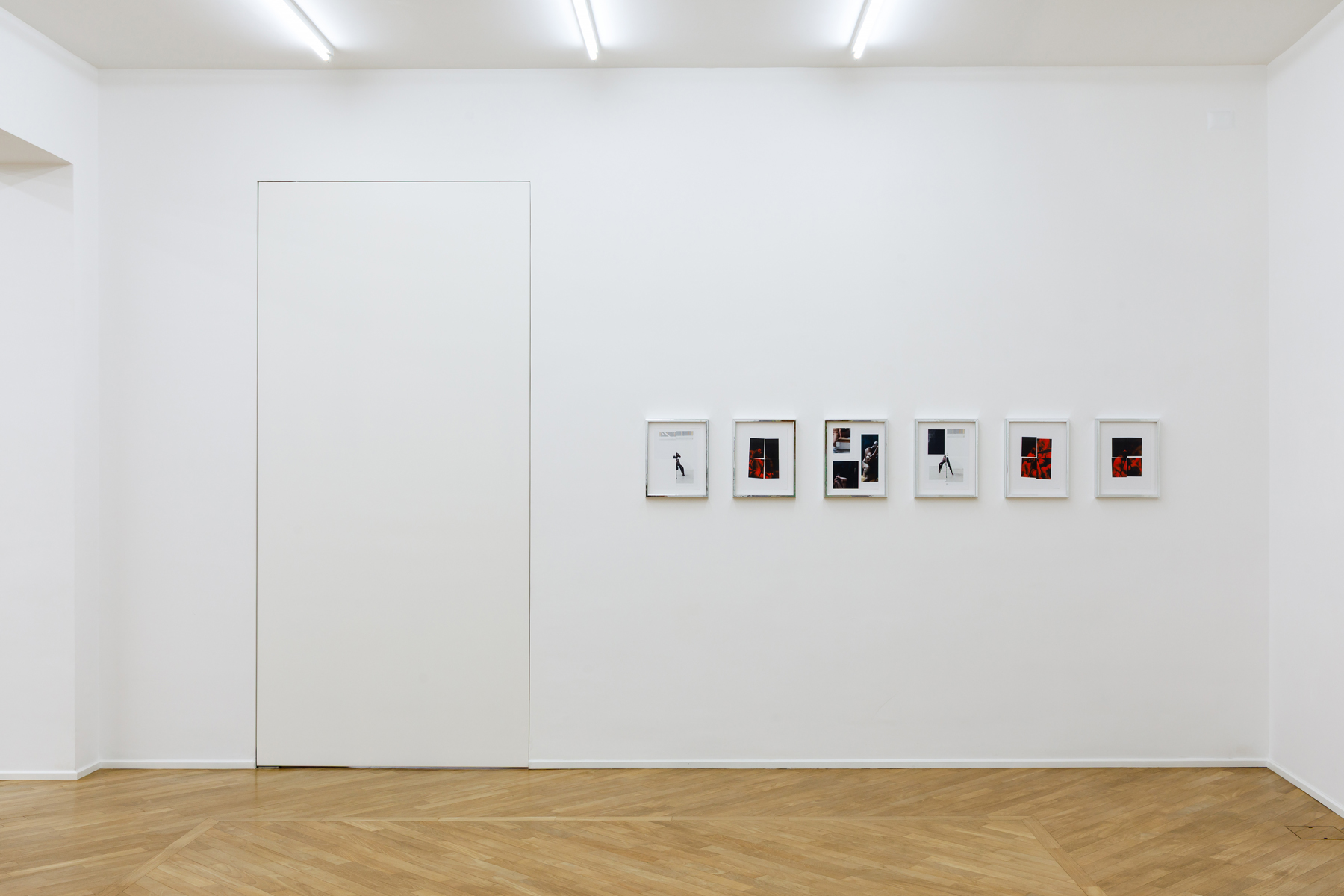
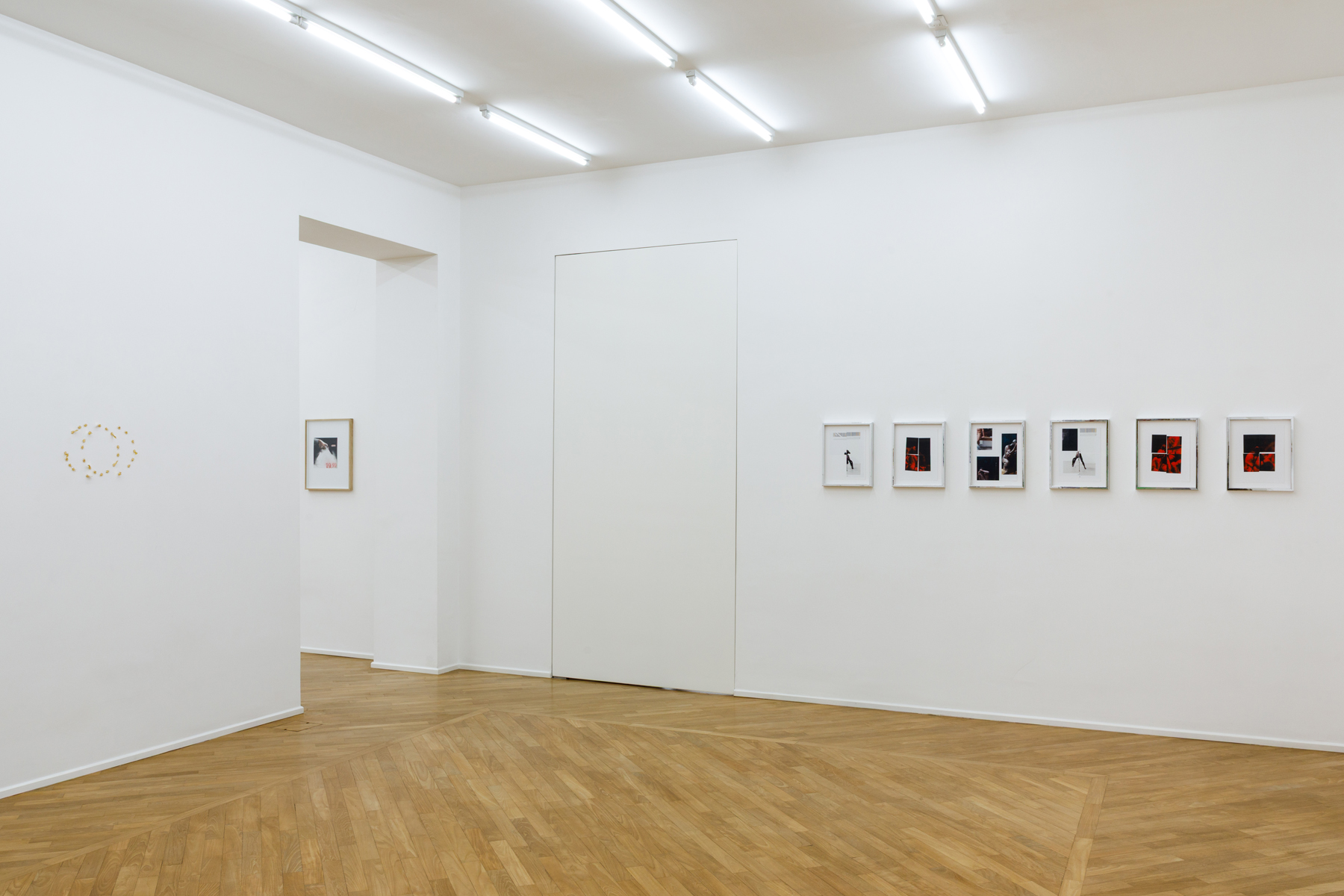
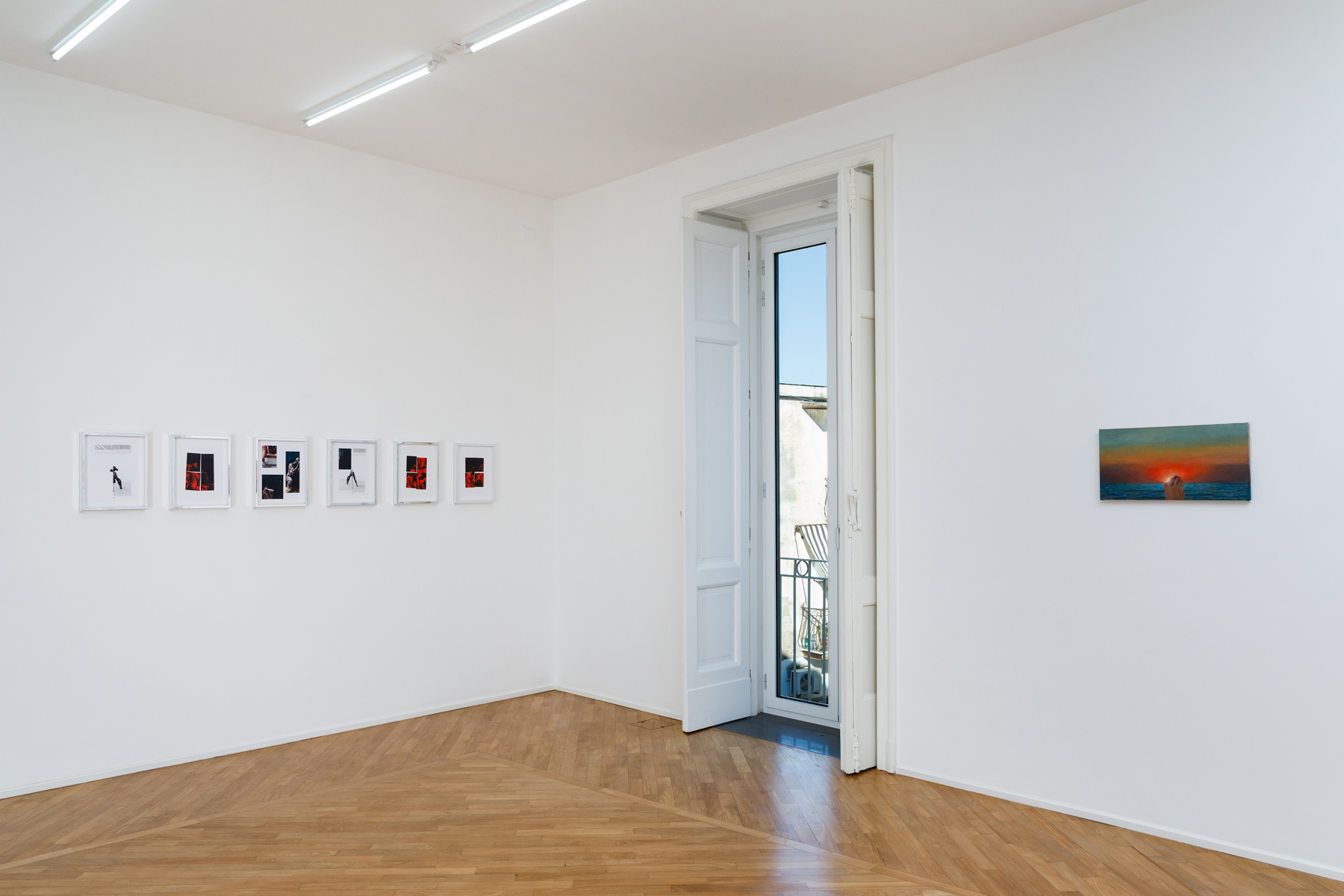
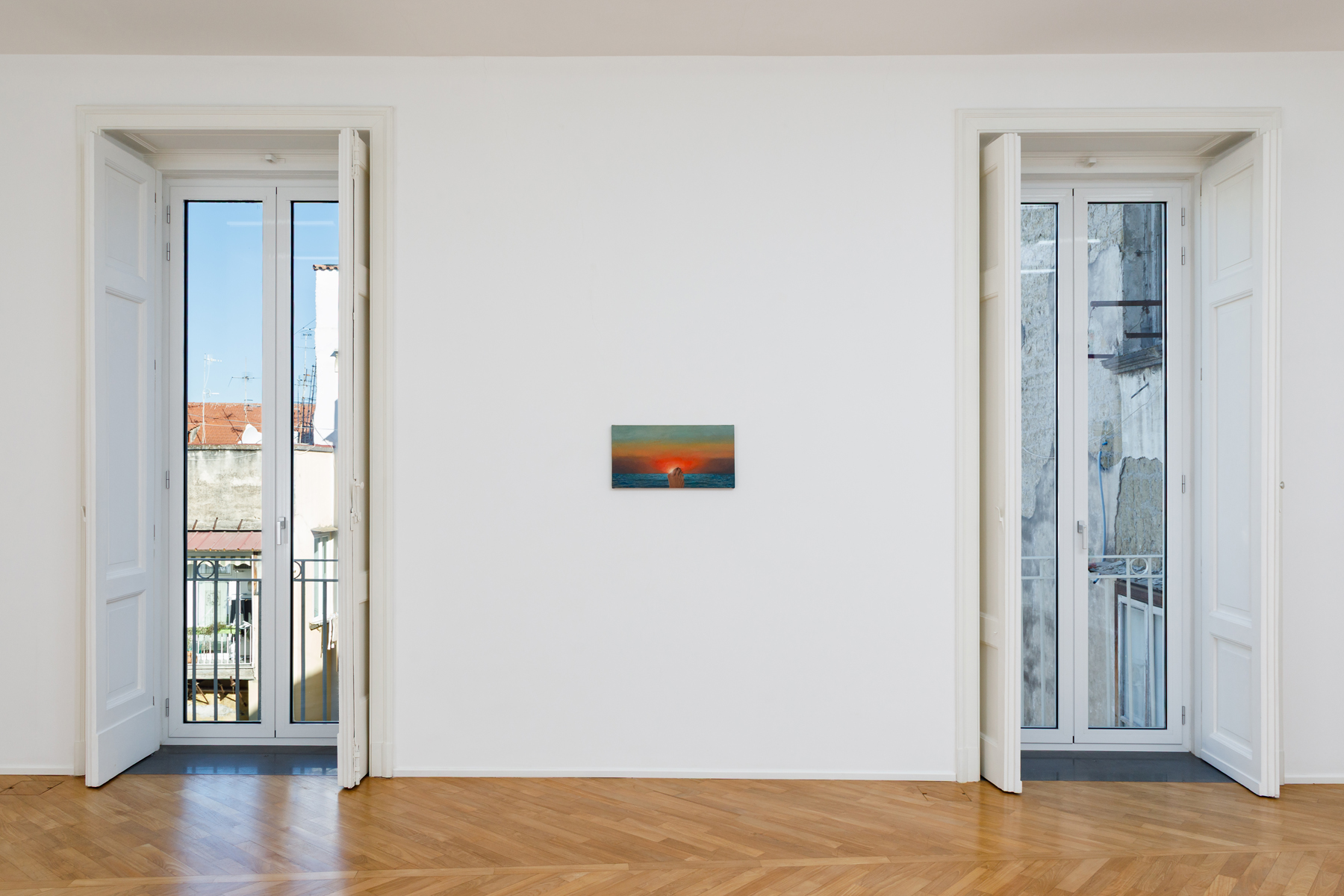
Galleria Umberto Di Marino is pleased to present Autopsia, a group exhibition bringing together works by Mario García Torres, Nilbar Güres, Antone Liu, Paul Maheke, Valerio Nicolai, Lina Pallotta, Paul Mpagi Sepuya and Luca Staccioli.
Autopsia means to see with one’s own eyes, but the word carries another meaning as well. In philology, it refers to the direct examination of a manuscript, without relying on copies or reproductions. These two meanings coexist, suggesting a form of attention directed at once towards things in their immediacy and towards everything a single act of looking cannot contain.
The works in the exhibition inhabit this space, where images, bodies, objects and memories emerge in fragments, through details, overlaps and unexpected juxtapositions. A gesture can become an image, a photograph can hold a story larger than the one it appears to tell, and an object can take on a different nature when removed from its original context. Meaning begins to take shape in these shifts, through a network of connections rather than definitive answers.
One book seems to gather this same condition into physical form. Anne Carson’s Nox unfolds accordion-style from inside a box, bringing together photographs, letters, fragments of text, definitions drawn from a Latin dictionary and drawings. The book grows out of a twofold attempt to recover a lost original. On one side is Carson’s translation of Catullus’s poem 101, the elegy for his brother who died far from Rome, which she works through word by word without ever arriving at a definitive version. On the other is her research into her own brother Michael, of whose last years she knows almost nothing, pieced together from objects, phone calls and faded photographs. The two paths resemble each other precisely in their failure. The Latin verse resists translation just as Michael’s life resists biography, and what Carson produces is never the original but only its approximation, the cast of something that will not return. The book cannot be read all at once, and what remains within its folds belongs to it as much as what is shown.
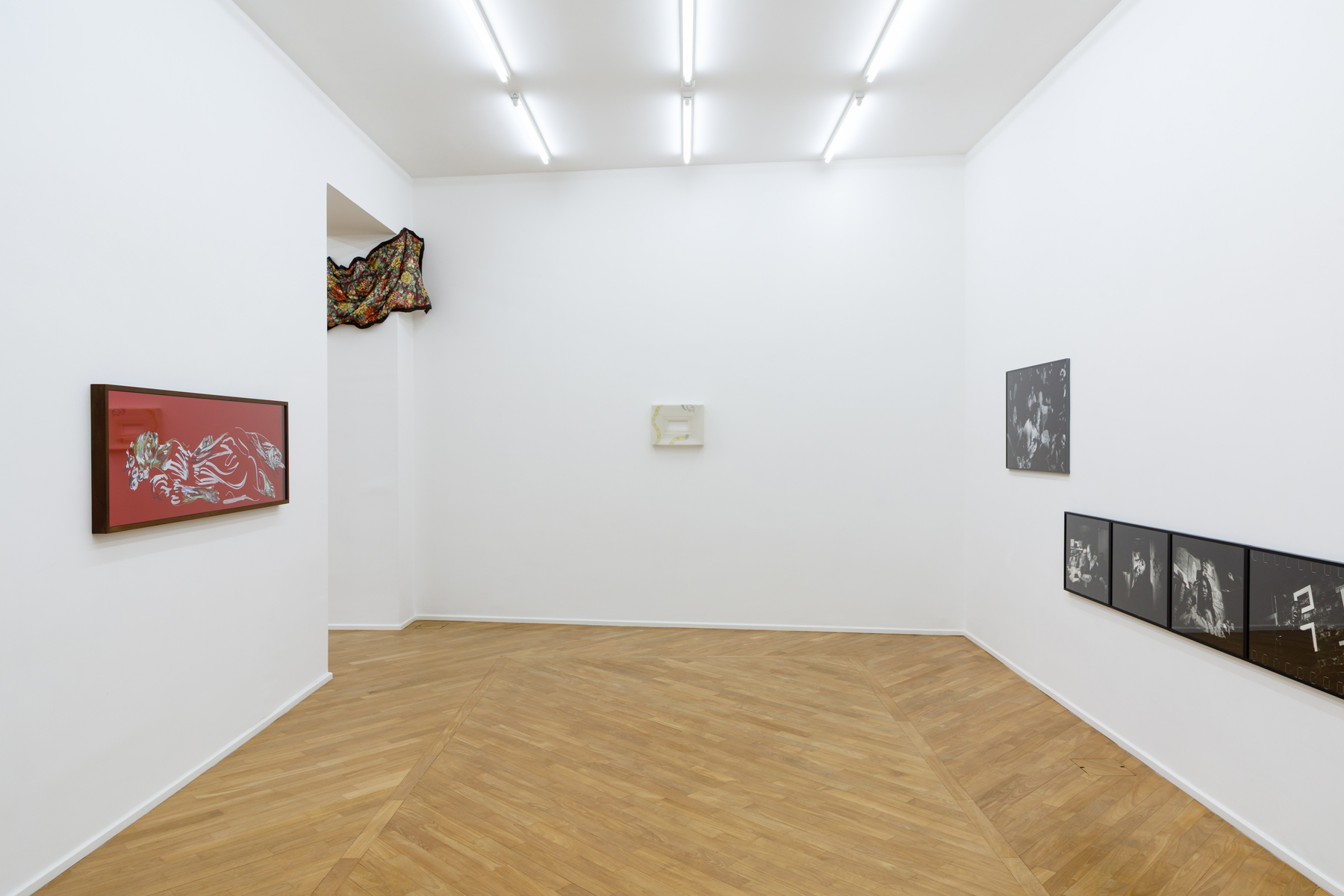
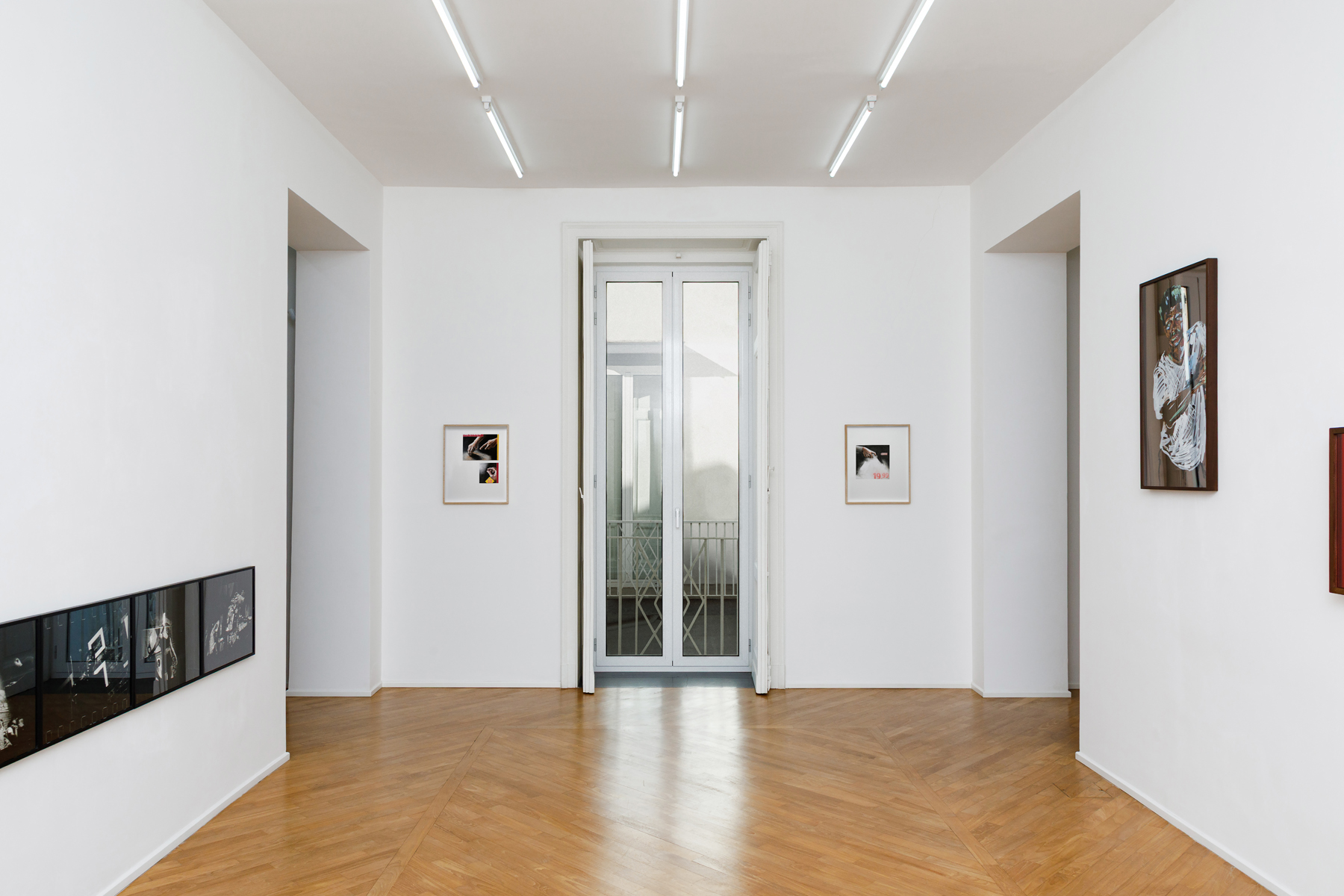
The works that follow return to this question in the terms of the photographic image, asking how much it can preserve without disclosing it in full. Paul Mpagi Sepuya makes the photographic apparatus visible through mirrors, edges, bodies and surfaces that would normally remain outside the frame. In his work, fragments photographed at different moments are arranged on a mirror and rephotographed, so that traces of their earlier configurations remain visible within the new image. Lina Pallotta, by contrast, builds memory through a sequence of isolated moments. In Tongue on Flames, developed from the slam scene at New York’s Nuyorican Poets Café, faces, gestures and bodies convey the experience of a community without attempting to contain it within a single image. Photography becomes a form of temporal montage, allowing a collective history to emerge through individual episodes.
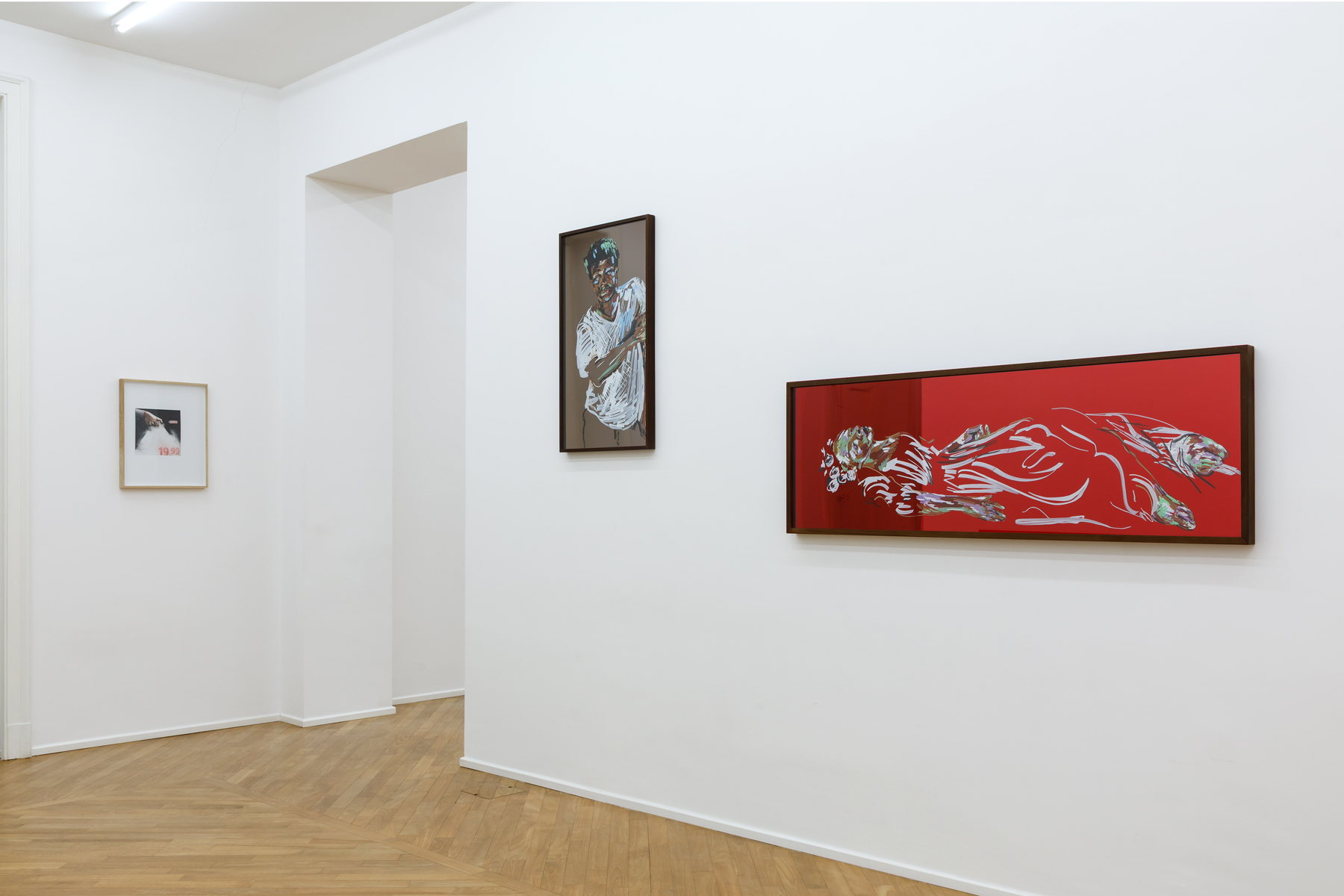
The private can likewise become the starting point for a broader history. In Yaya Joseph (Limoges circa 1983), Paul Maheke works from a photograph of his godfather and uncle, a figure deeply connected to his family history, translating it into a painted image in acrylic on a reflective plexiglass surface. The original photograph was taken in the first apartment Yaya Joseph occupied after arriving in France from Congo, via China, in the 1980s as an asylum seeker; he was also the one who helped Maheke’s father immigrate to France. His presence in the series is thus connected to a reflection on how we continue to keep the dead in our lives, but also on who is remembered and celebrated by History, and who remains excluded from it. The reflective surface brings whatever stands before the work into the image itself, connecting the memory of a specific presence with the present and with the viewer’s gaze. The past is not reconstructed as a continuous narrative, but through a trace that leaves room for other connections to emerge.
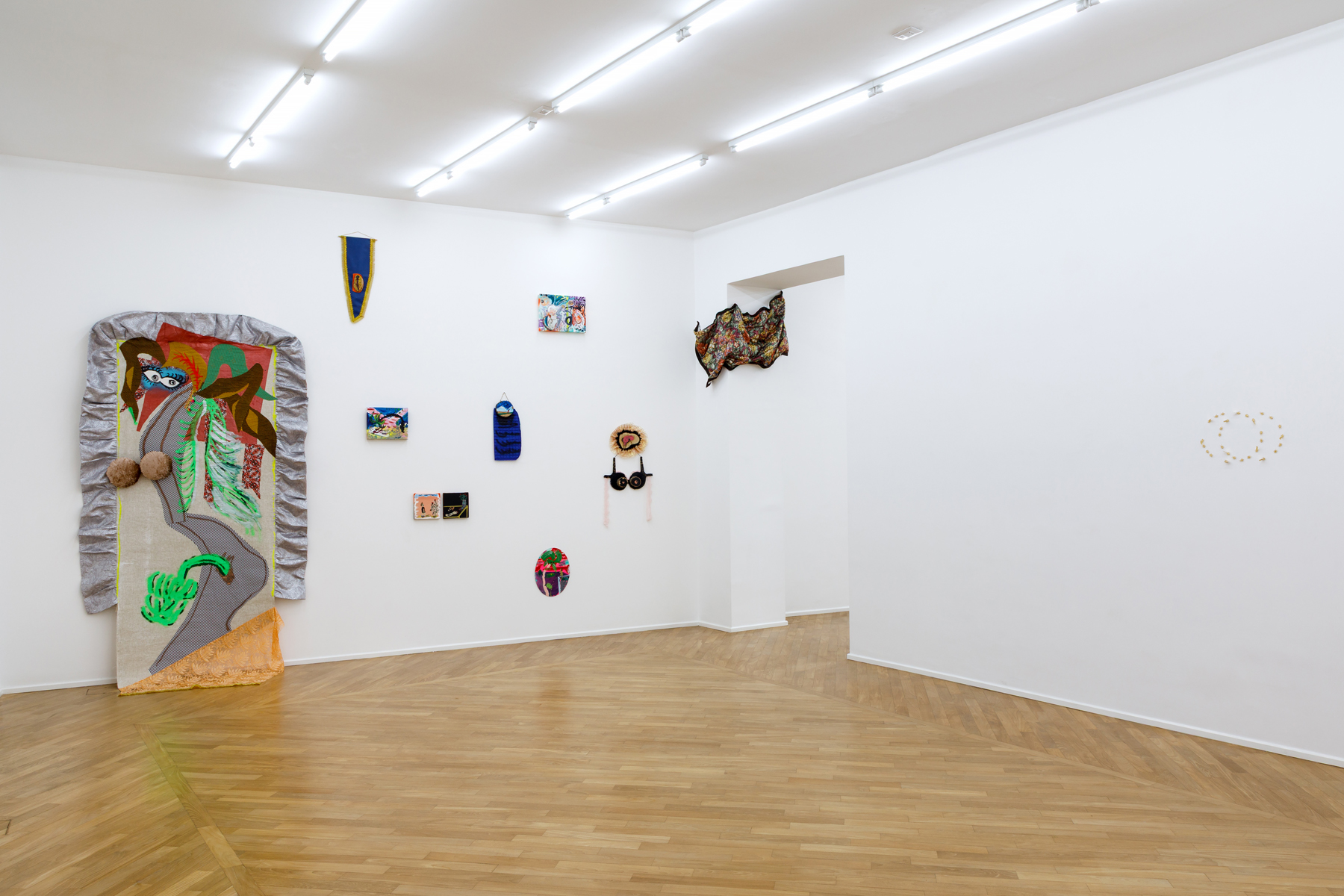
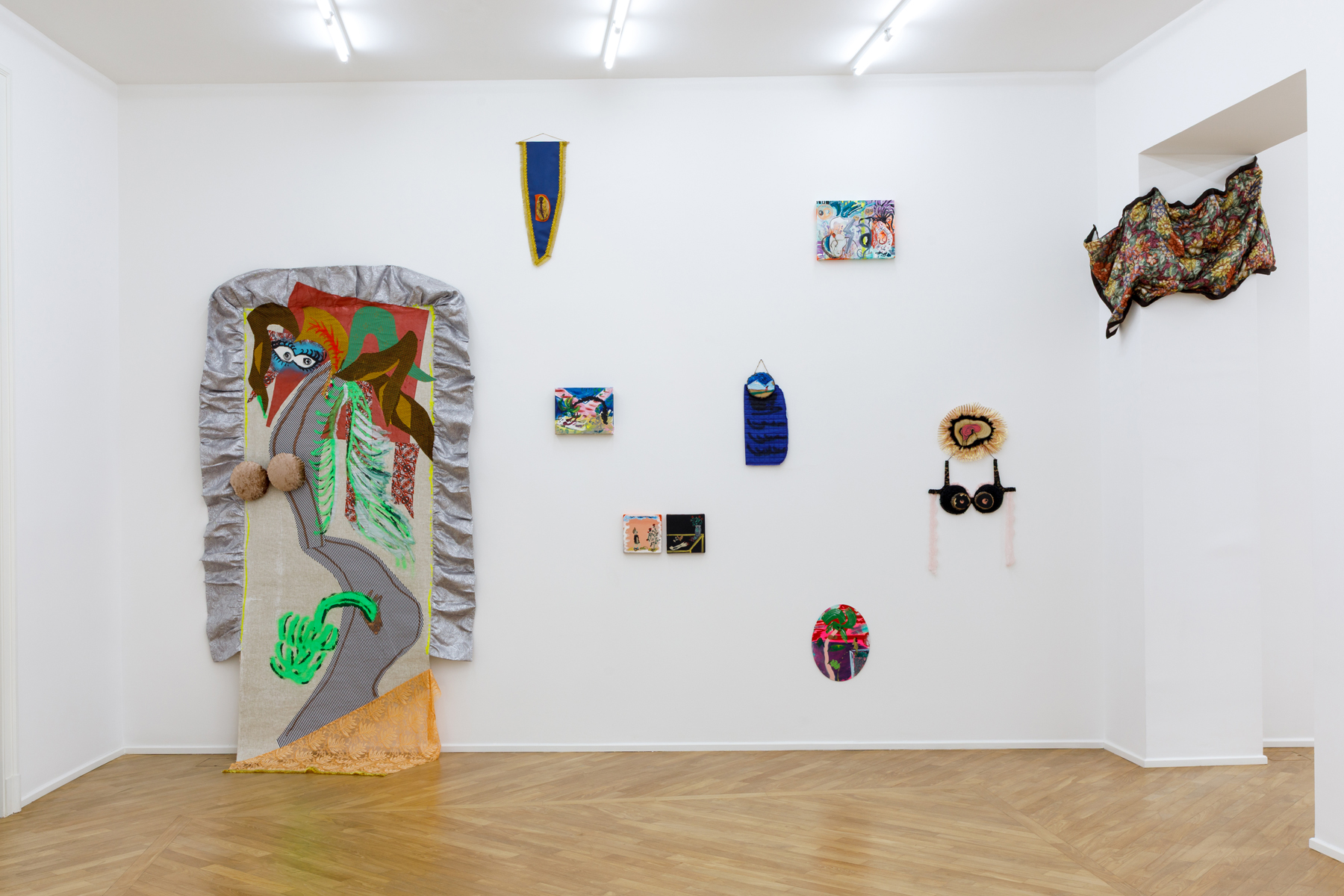
A similar process of transformation runs through Nilbar Güres’s practice, in which fabrics, embroidery, domestic objects, bodies, natural elements and cultural references are removed from their original contexts and recombined into hybrid configurations. Elements associated with tradition and the private sphere meet forms of contemporary culture, producing images in which identity and belonging remain fluid and contradictory. Antone Liu, meanwhile, works at the point where recognition begins to break down. Familiar objects and forms are reconstructed through materials and processes that unsettle their usual appearance and function, moving between soft and rigid, light and weight, transplant and harvest. Drawing on traditional techniques such as Gongbi painting and cross-stitching, as well as fashion, sculpture and Western framing, Liu brings everyday references into sculptural forms that are carefully constructed yet marked by a sense of hollowness. These precise voids create spaces for ghosts to inhabit, making visible what remains beyond the surface of things. In this sense, Liu’s work resonates with the idea of an autopsy, a close examination that seeks to reveal what is concealed within, without ever fully dispelling the mystery of what we encounter. Transformation does not erase an image’s origins, it leaves them open to question.
The relationship between the individual and the collective emerges in Mario García Torres’s golden ants, arranged on the wall as a constellation of autonomous elements. The collective form is not predetermined, but emerges through the relationship between the individual figures, creating a tension between order and unpredictability. A reverse dynamic can be found in Valerio Nicolai’s work, where a bunion interrupts a sunset over the sea. A small, everyday detail of the body enters a space traditionally associated with the sublime, altering its scale while allowing the landscape to continue, at least imaginatively, beyond what is shown.
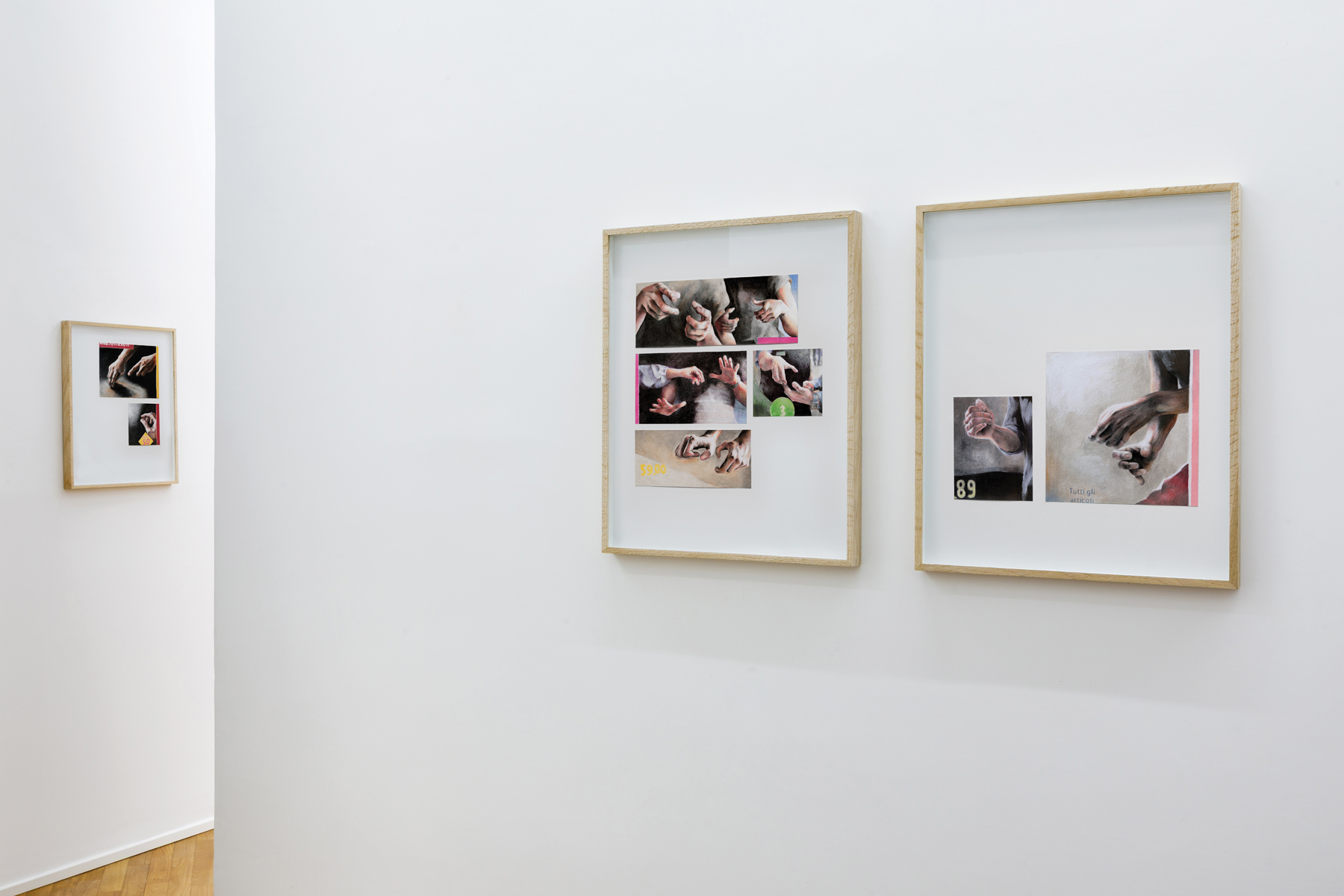
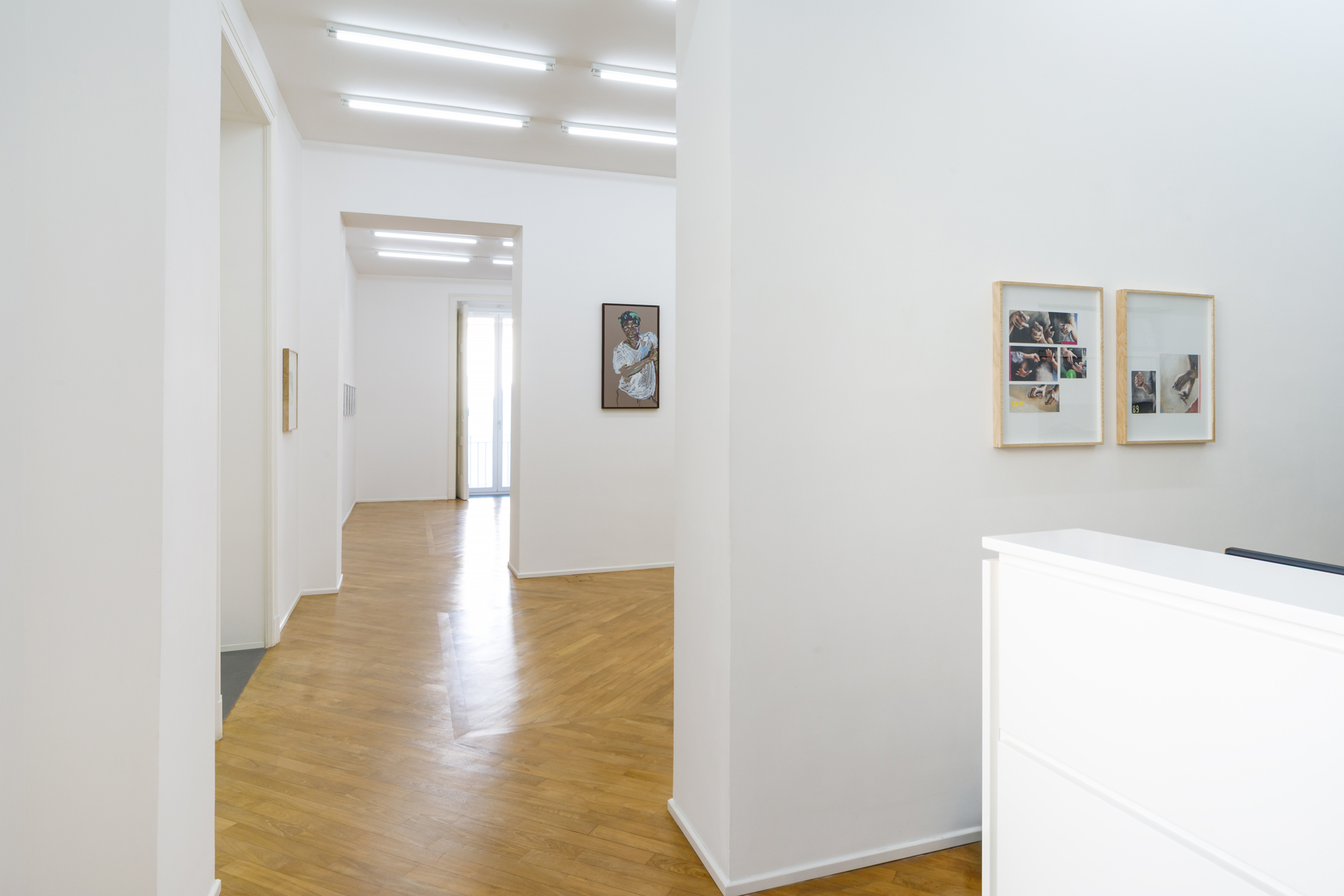
In Missing Objects (atlas of endless gestures), Luca Staccioli reproduces, through drawing, advertising images used to communicate discounts and special offers, staging gestures of use and purchase. He sabotages them by removing the products that appear to be at their centre, leaving only the hands and bodies engaged in the promotional action. Stripped of their function, these poses become suspended actions: the visual grammar built around desire is transformed into a repertoire of autonomous gestures, showing how even what seems secondary can become the point from which an image shifts its meaning.
Across these seemingly different works, the fragment operates as a critical device, disrupting the authority of a single narrative and opening multiple points of entry. The works do not seek a reassuring synthesis; they create a space in which marginal, personal or residual elements can become active in the production of meaning. The smallest detail can acquire a collective dimension, a trace can reactivate a memory, and a fragment can suggest a whole without ever reconstructing it.
Autopsia thus becomes a space in which looking means forming hypotheses, accepting discontinuity and keeping open the relationship between what is present and what remains outside the frame. It is neither a diagnosis of the present nor a celebration of incompleteness; it is an exercise in attentiveness to the forms through which the contemporary reveals itself and becomes legible.