

Sull’intrusione: Intromissioni d’archivio
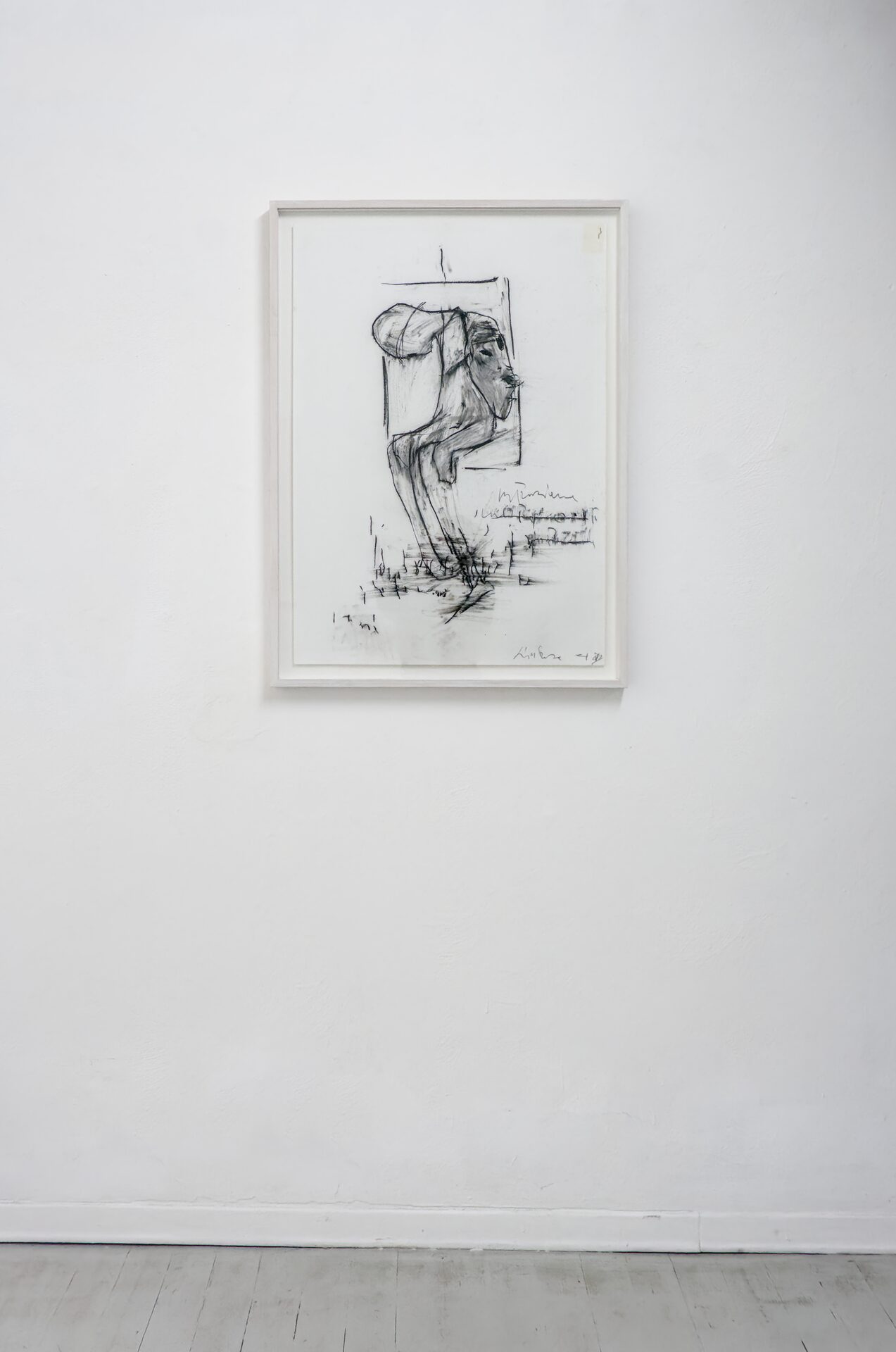
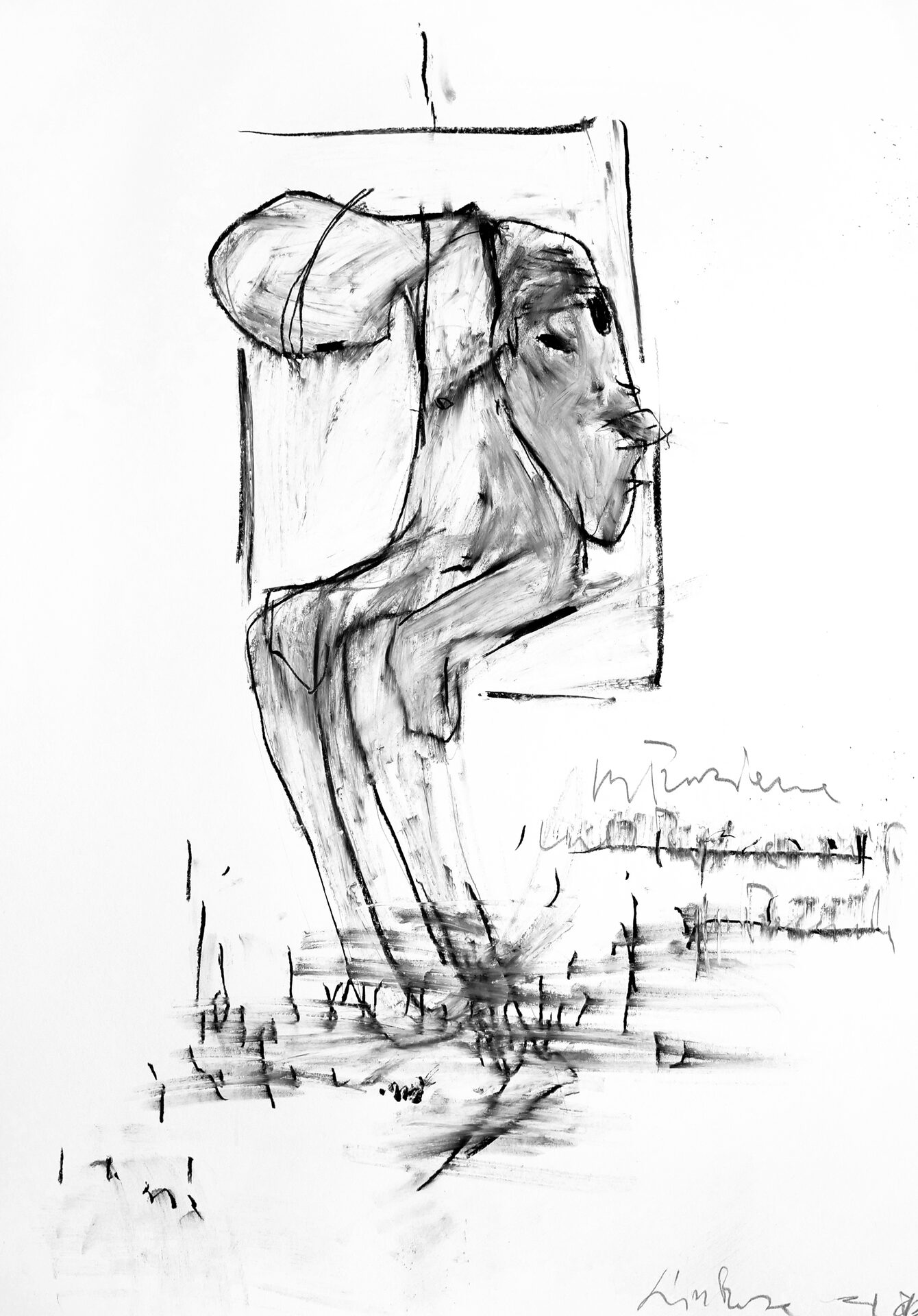
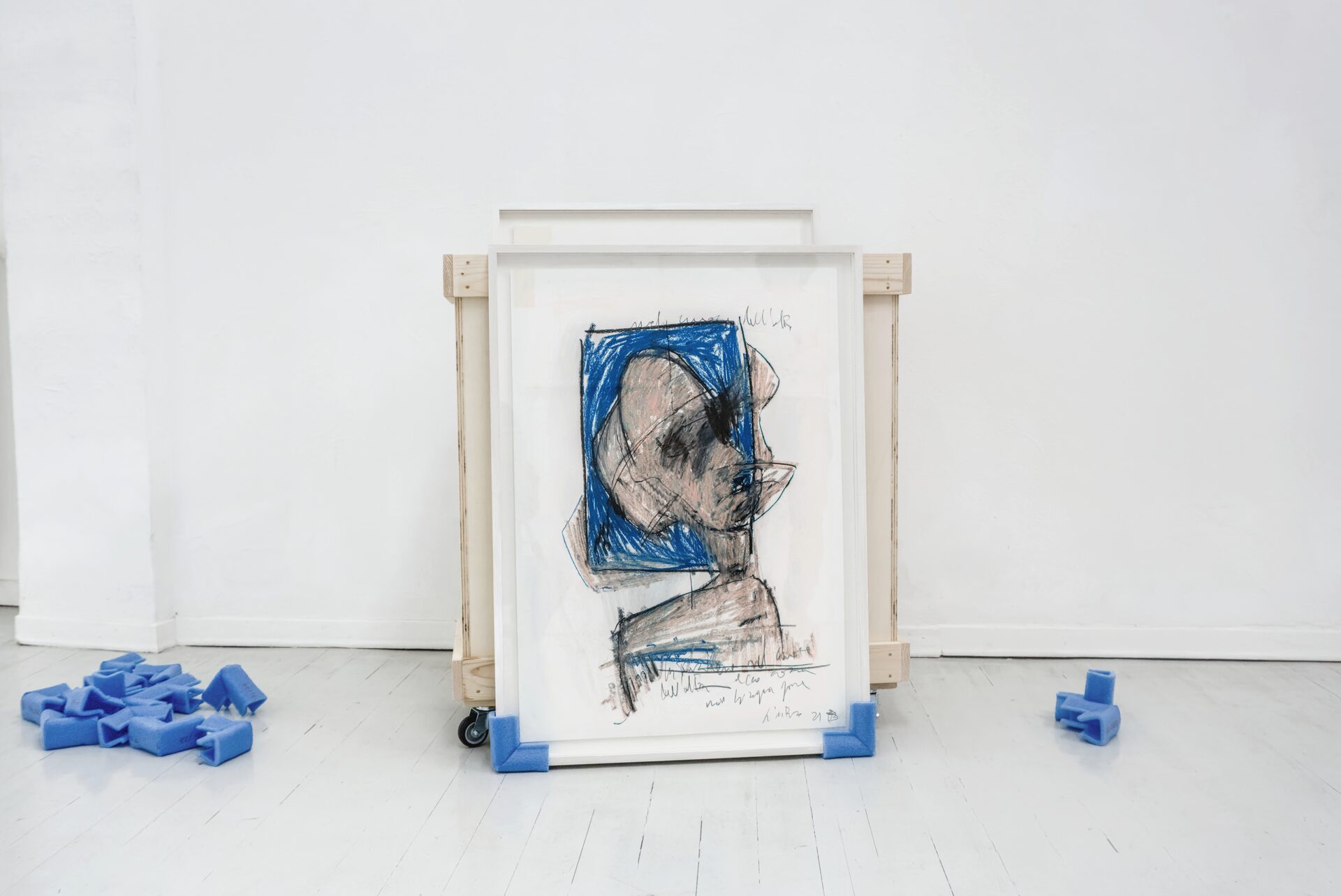
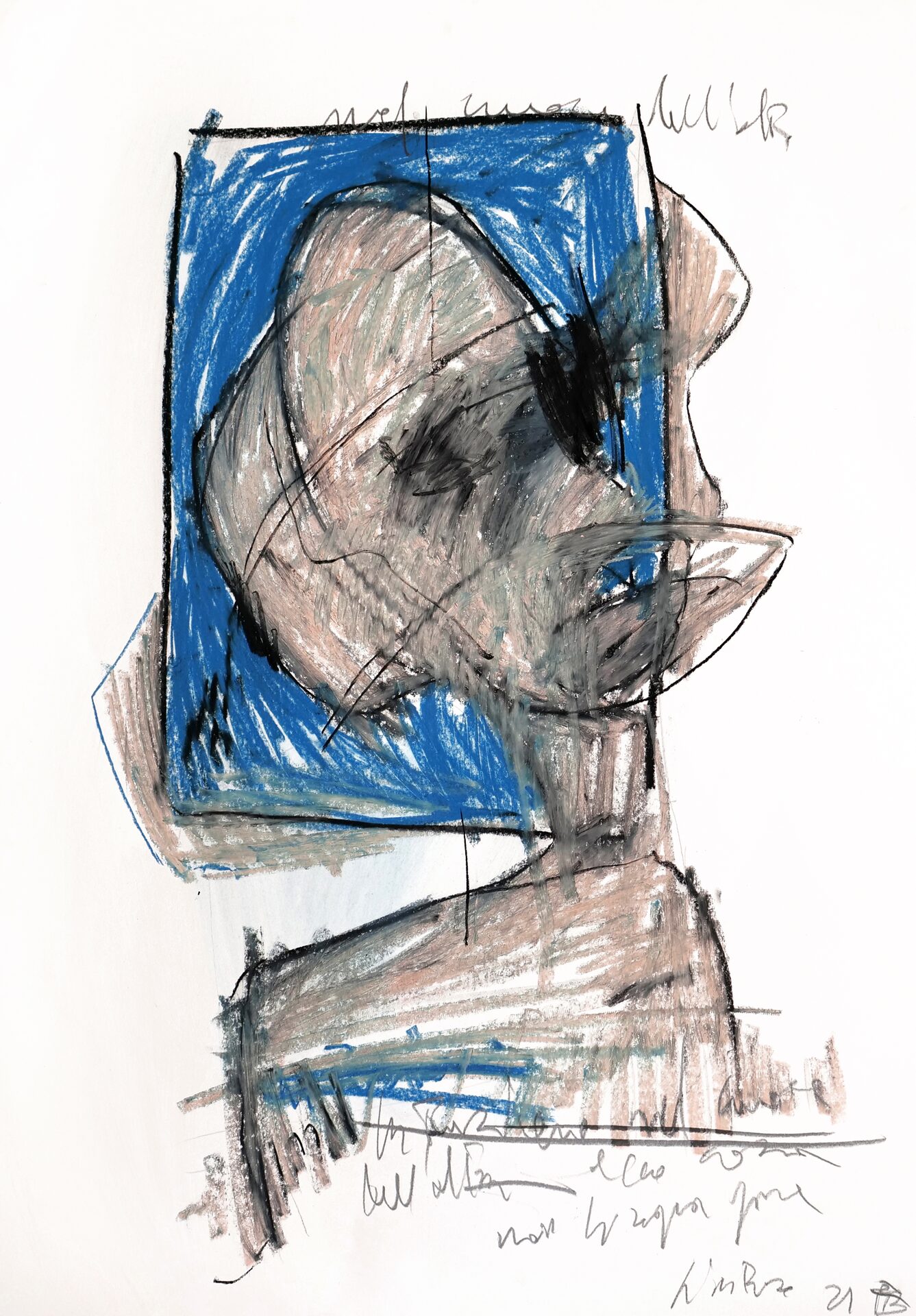
«Military and cyber incursions, new and desperate human migrations: in its many forms, intrusion crosses every conceivable threshold and enters our ever-changing lives. Where, then, does the artist’s practice stand amid all this? Artist and intruder, the artist as intruder, the artist’s intrusion and, finally, artist/intruder, to paraphrase Nancy. This condition has accompanied me throughout my life, shaping—and continuing to shape—how I see art and the world. (…) Artist and intruder are one and the same: marginalised and on the margins».
(Francesco Bartoli)
In 2000, Jean-Luc Nancy published L’Intrus (The Intruder), a short text recounting his heart transplant and its aftermath: the threat of rejection, the suppression of his immune system, and a cancer brought on by treatment. A failing heart is removed and replaced with a foreign organ that keeps its recipient alive, but only if the body’s defences are weakened—if it gives up part of its ability to distinguish self from other. The treatment that makes survival possible thus becomes the source of a new vulnerability. This image of the body offers a way of thinking about the art world as a social organism. Artists belong to it: they draw on its images and language, and work within its contradictions. Yet, like transplanted organs, they occupy a precarious position. To gain visibility and recognition, they must negotiate the barriers that regulate entry; once admitted, they risk being absorbed by the very system they have sought to enter. The contemporary art world has refined this process, presenting itself as pluralistic and democratic while carefully controlling its boundaries through open calls, applications, funding, prizes, residencies, the pressure to be seen, and personal networks. Above all, it has a remarkable capacity to digest criticism, absorbing challenges to its authority without altering the way it operates. Dissent becomes programming, marginality a curatorial subject, and crisis and precarity material for display.
Meanwhile, the machinery of exhibition and art-fair production demands a constant supply of things to show. New works, new projects, new positions, new “urgencies”: the present must be continually produced, displayed and documented. Even while one exhibition is under way, talk has already turned to the next. We might call it binge curating: exhibitions curated and consumed like episodes of a streaming series, one after another, with no pause for forms and meanings to settle. How can this relentless accumulation produce meaning or memory? It seems more likely to foster collective amnesia: the more images we bring into the present, the more quickly they are consumed and forgotten.
What if we looked back instead?
As exhibitions follow one another in quick succession, archives continue to grow: unexhibited works, abandoned projects, experiments, images and possibilities that found no place in the moment of their making. The archive is also where what the present could not accommodate continues to exist. If the exhibition is driven by the urgency of making something visible, the archive preserves missed encounters—and the possibility that something might return, out of step with its time.
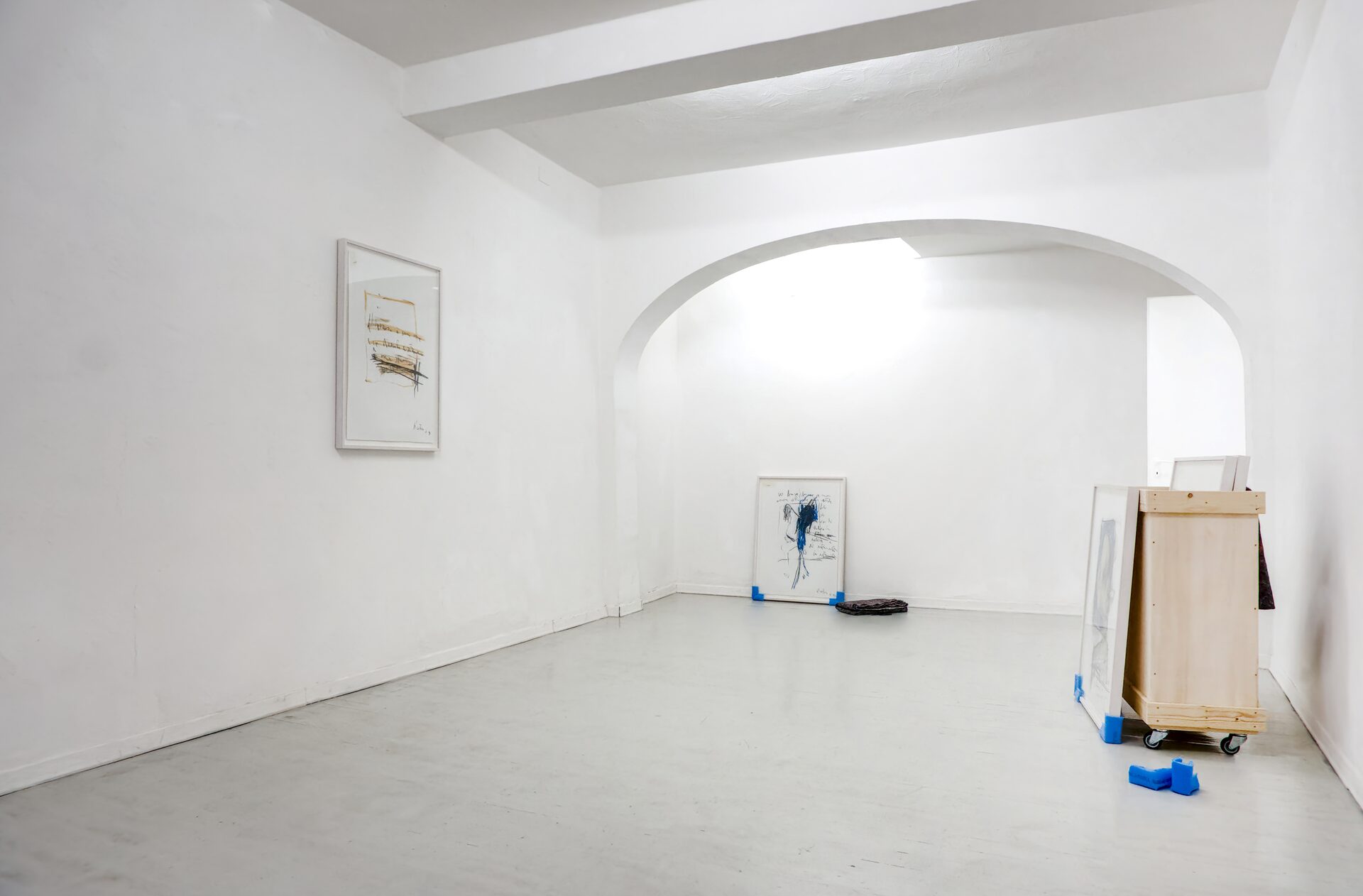
We had asked ourselves more than once what purpose another exhibition could serve, and decided not to make one. Inevitably, an exhibition came of it. The only option, then, was to deliver a show that might, as far as possible, resist the very idea of a show.
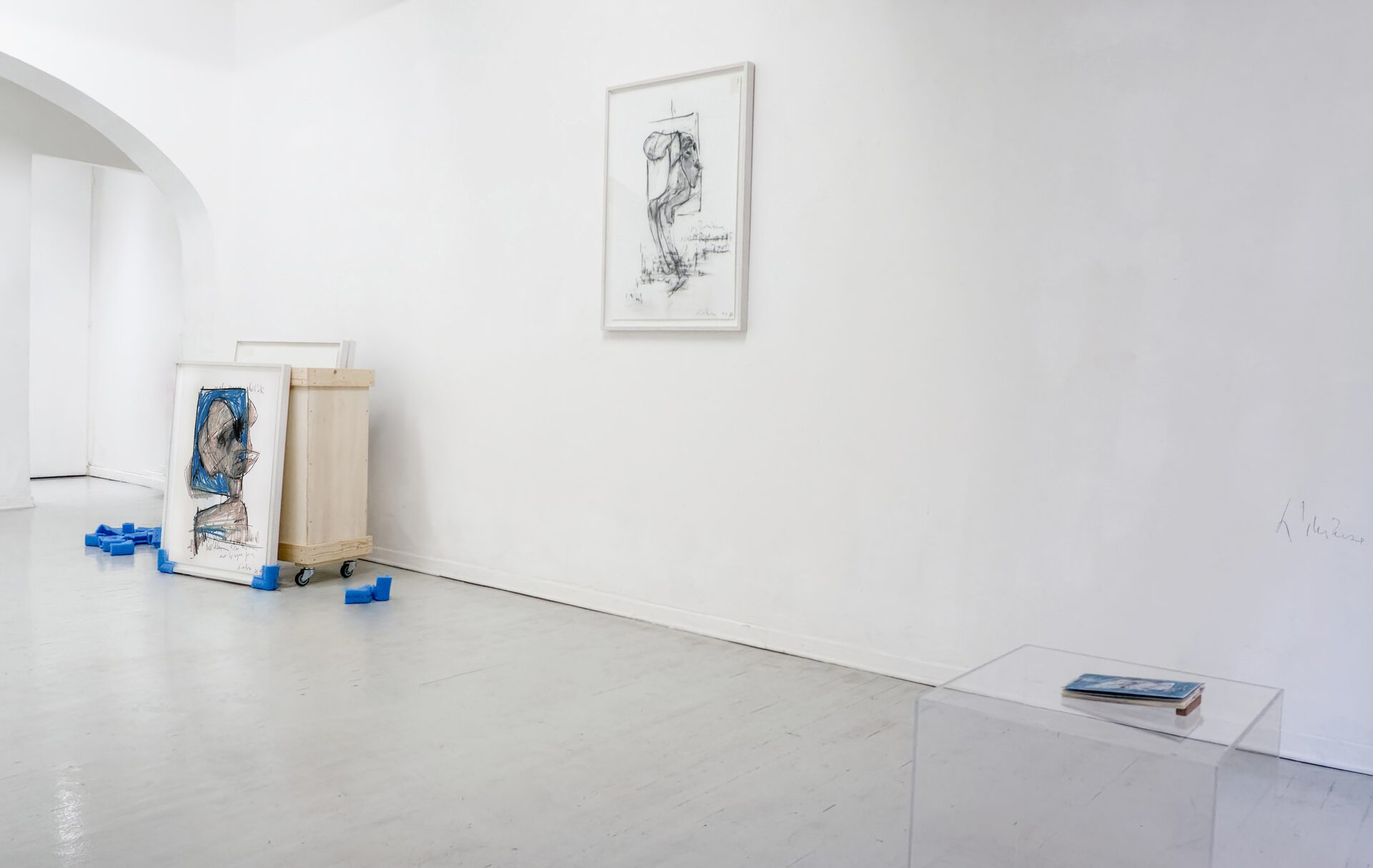
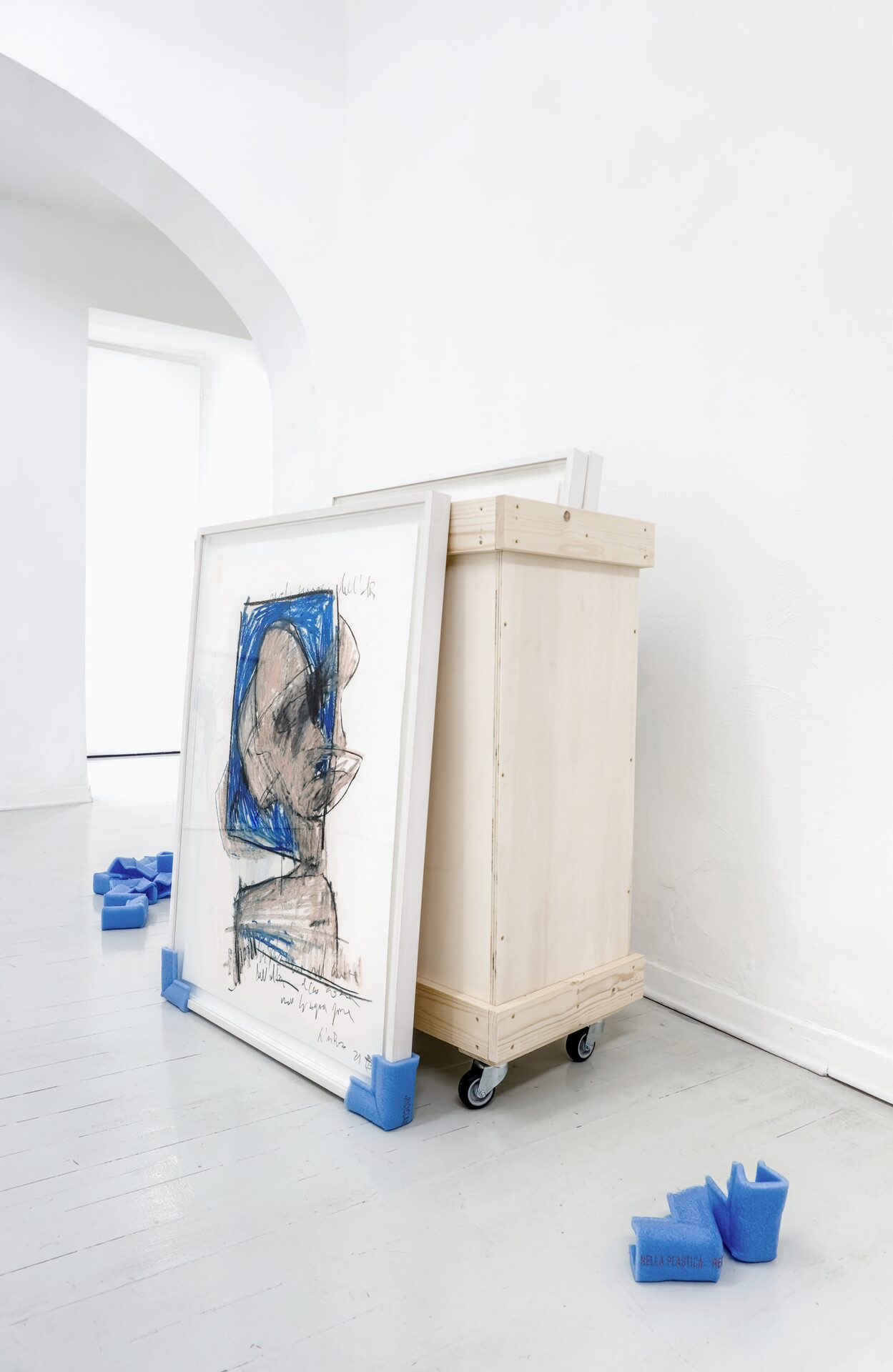
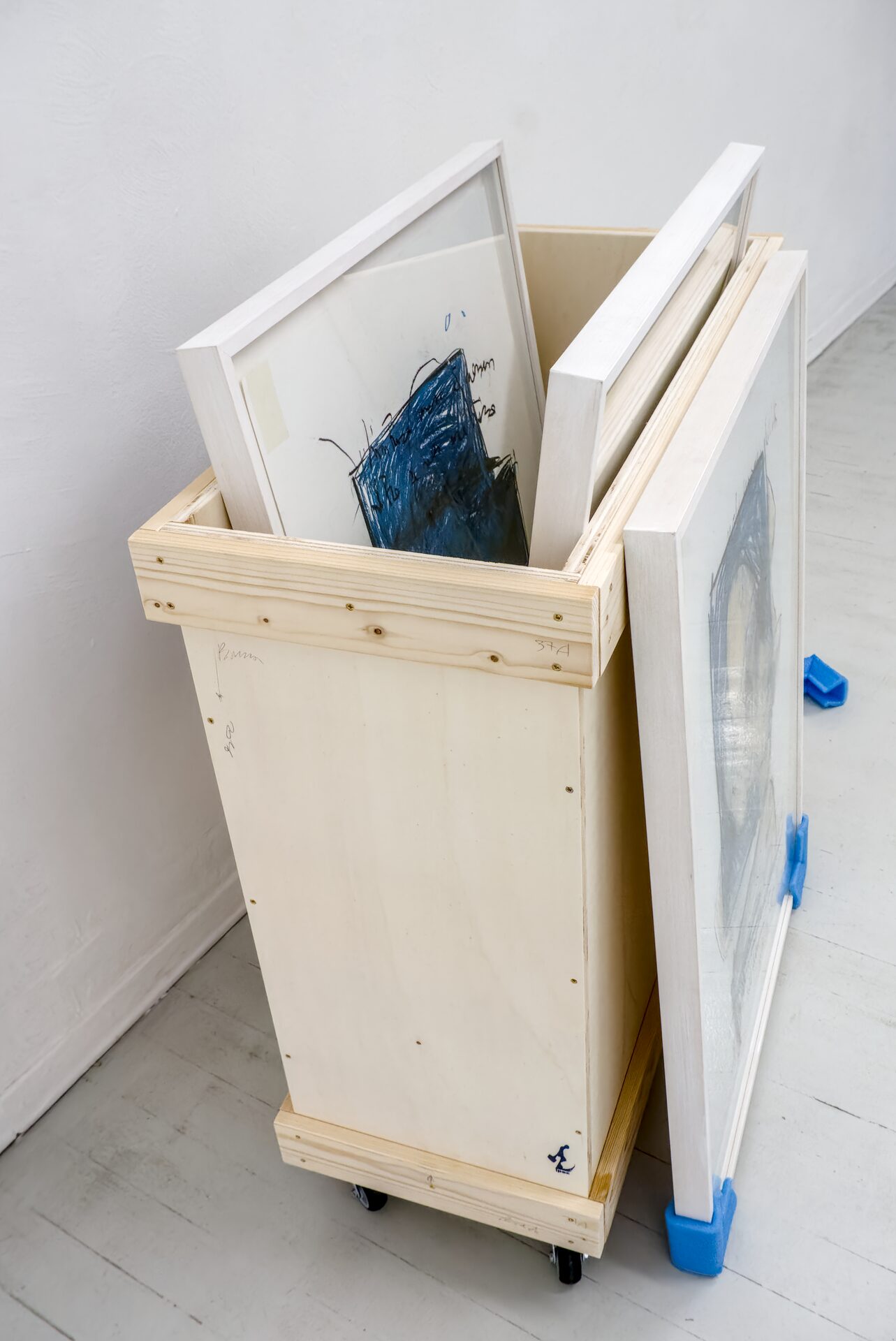
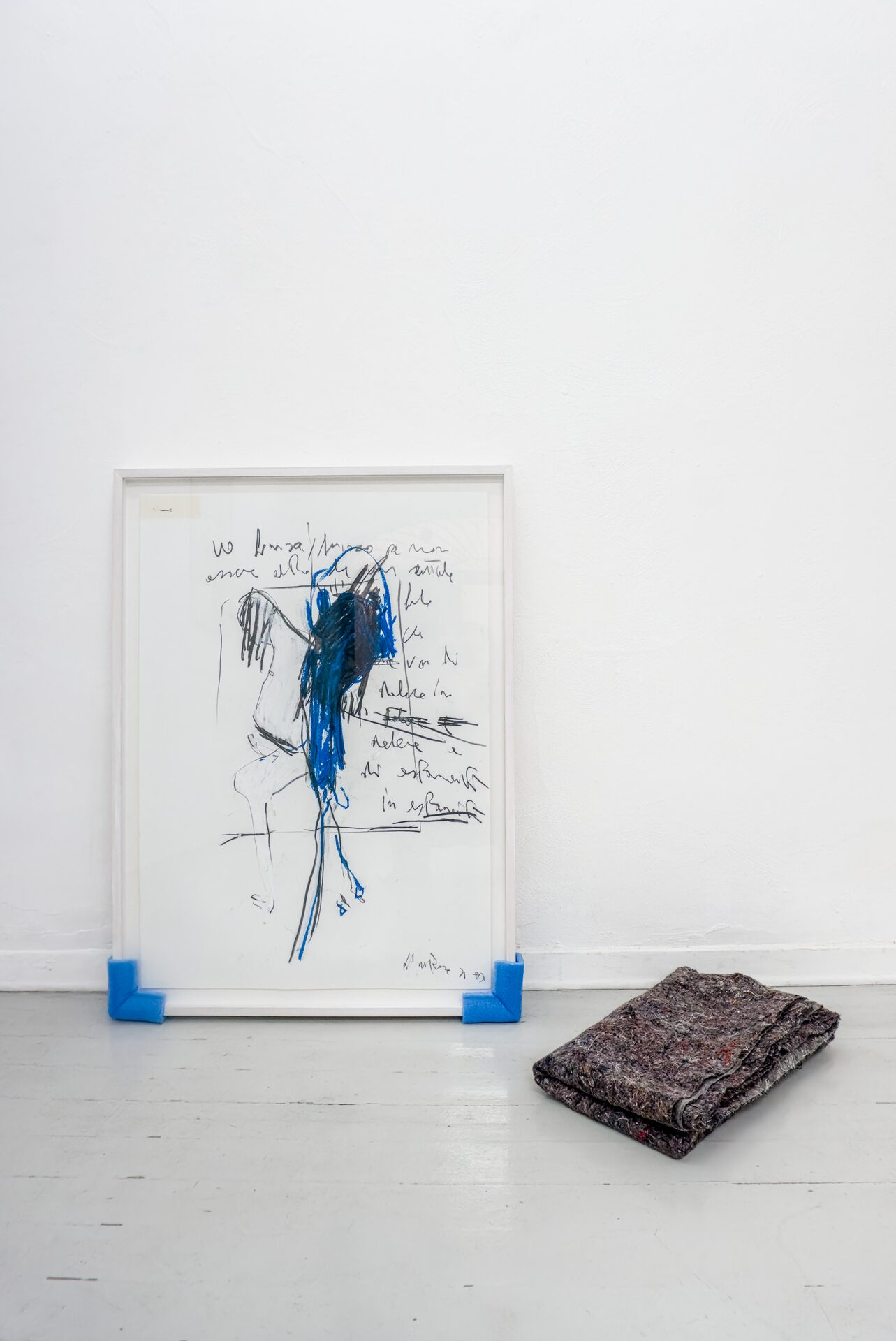
Bartoli first read Nancy’s L’Intrus in the Cronopio edition in 2014, when he returned to Italy after more than fourteen years abroad. A book about estrangement, then, encountered at the moment of returning to a country and a home he had to learn to recognise all over again. He revisited its pages in 2020, amid the isolation and vulnerability of a period we all remember. That second reading gave rise, in December 2021, to a series of twenty-one drawings in graphite and oil pastel on paper. Then the project came to a halt. Never exhibited, the works remained in the artist’s archive for five years, in the quiet of his studio up in the hills. Even now, they partly resist display: some have been framed and hung on the walls, while the others remain in a movable archive, where they can be taken out, examined and returned to their place.
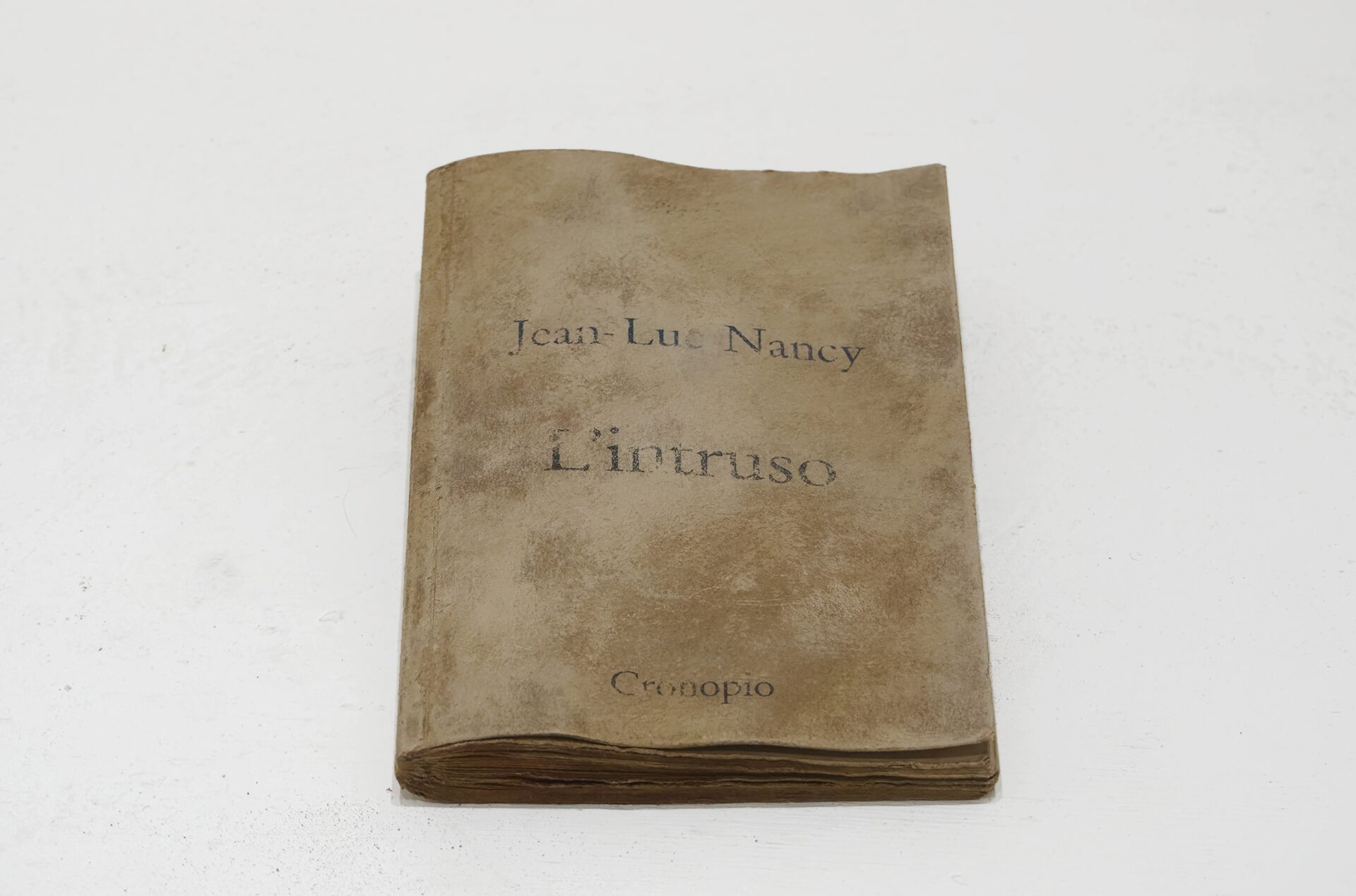
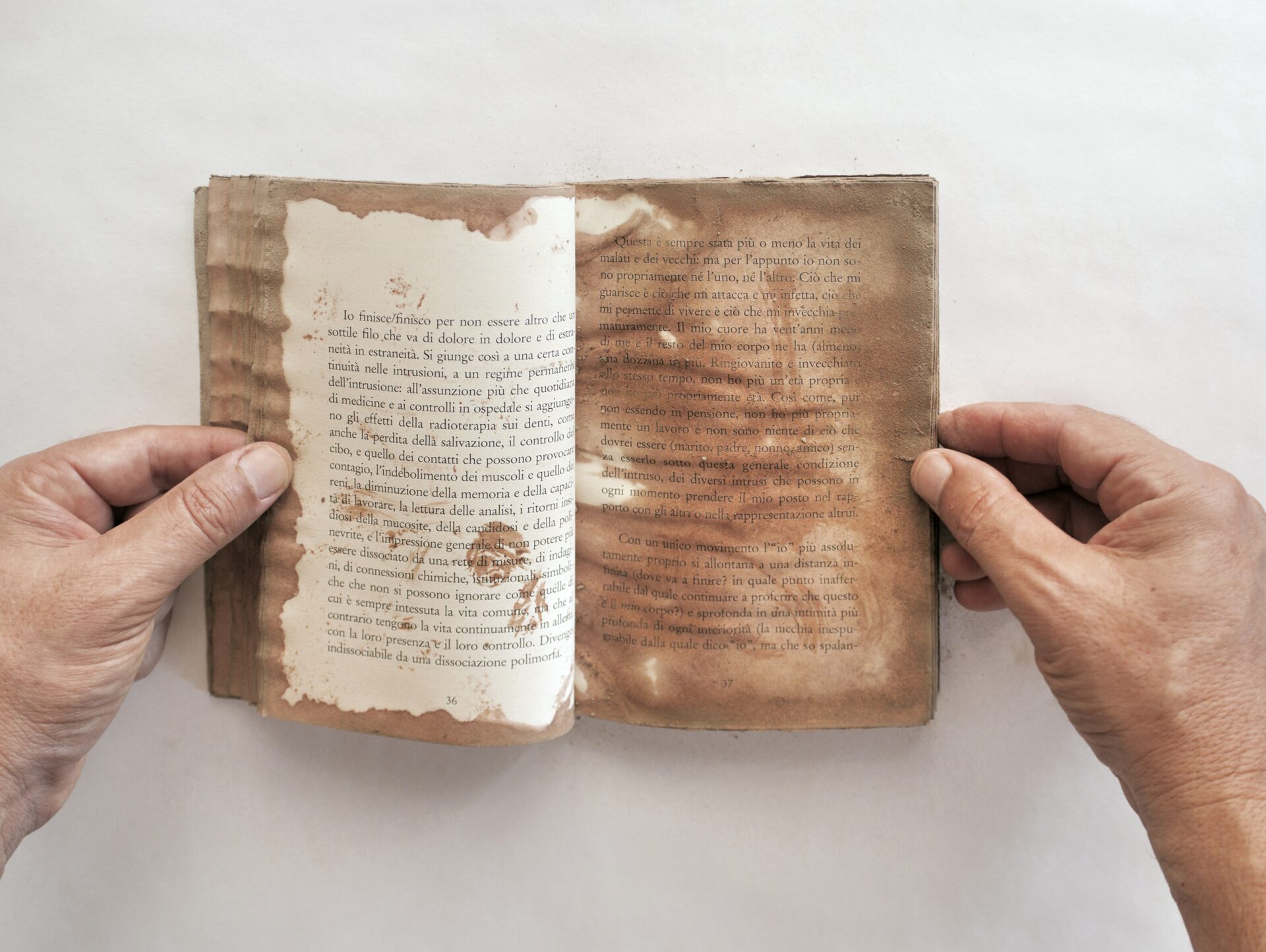
In 2026, Bartoli returns to L’Intrus, approaching not only Nancy’s writing but the book itself as an object. Two copies become the sites of distinct yet complementary interventions.
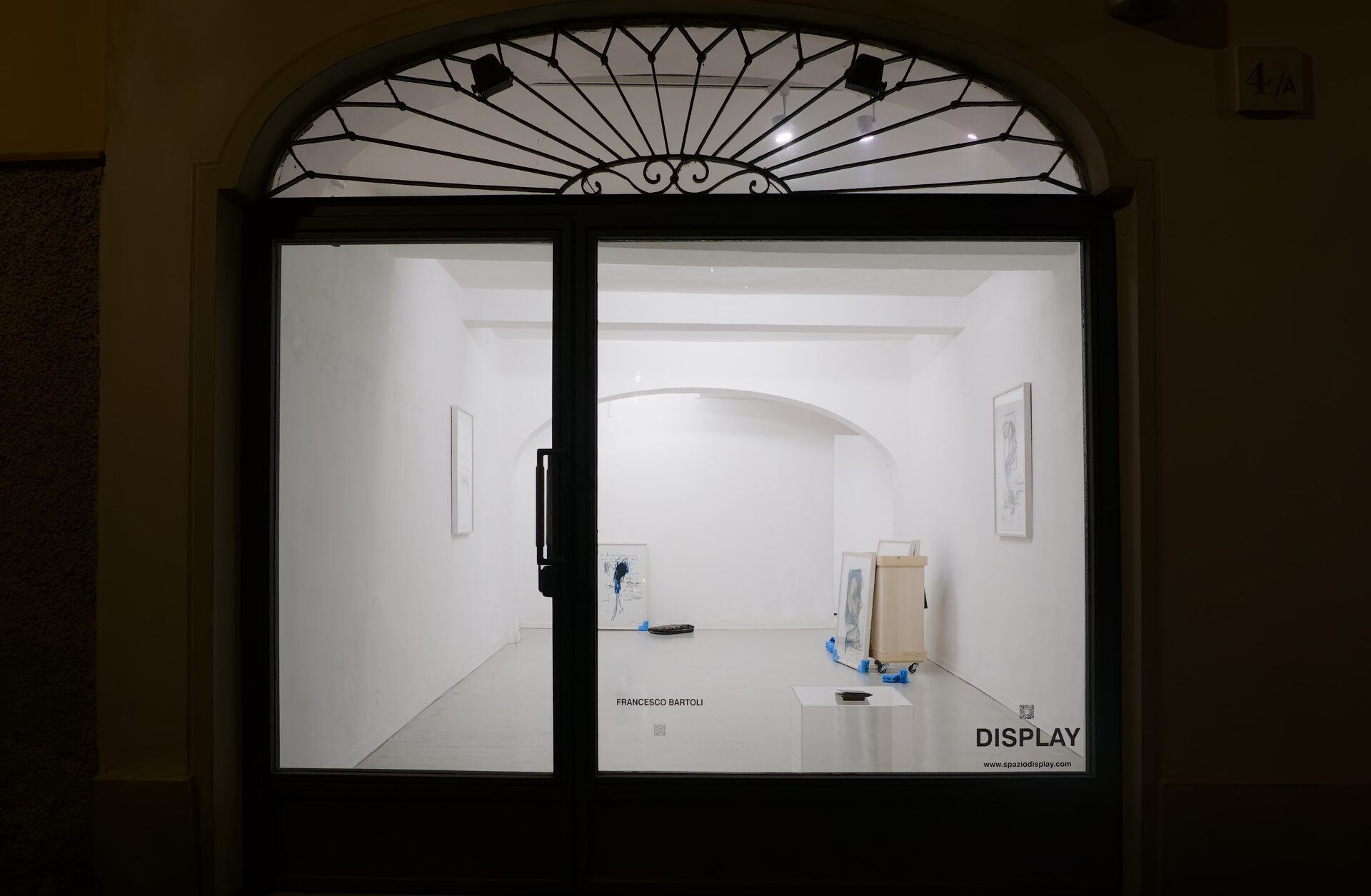
In this display window overlooking a narrow street in Parma’s historic centre, the exhibition sets out to challenge the very logic of exhibiting. What it brings to light is a state of latency: the desire to free both the artwork and artistic practice from the demand for immediate completion; the luxury of retracing one’s steps, reshuffling the cards and placing things in new contexts. The intruder is no longer simply the artist in relation to the system. It is also the artist’s own past, returning to interrupt the present. To intrude upon one’s own work is to enter something familiar as a stranger—to become, at last, the intruder within oneself.
In both the drawings and the books, Bartoli’s handling of materials is restless, even turbulent. Paper becomes a site of experimentation, poised between surface and depth, writing and image, opening and obstruction. The drawings bring together layers of personal history, social critique, anthropological inquiry, reading and memory. Words and images alternate, overlap and engulf one another in a precarious balance that can become dark, even neurotic. Human figures, cut through by clusters of vertical marks resembling sutures, are swallowed by colour, their grotesquely distorted forms barely discernible. Fragments of Nancy’s text intrude into the pictorial field or remain apart, as if scratching at the paper. Transcribed by hand, they are buried beneath or enclosed within urgent hatching, until language itself sometimes dissolves into lines resembling the trace of a seismograph.
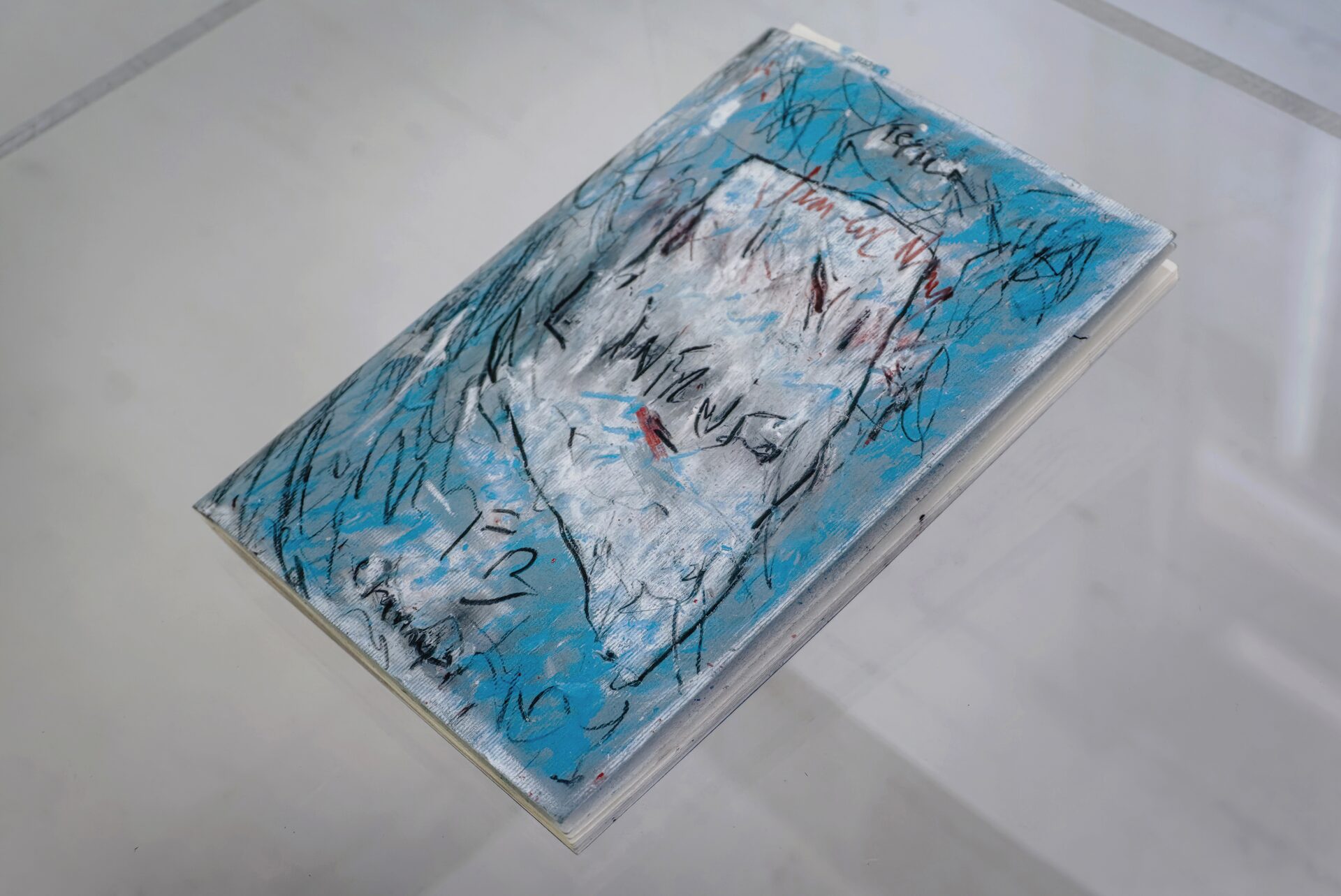
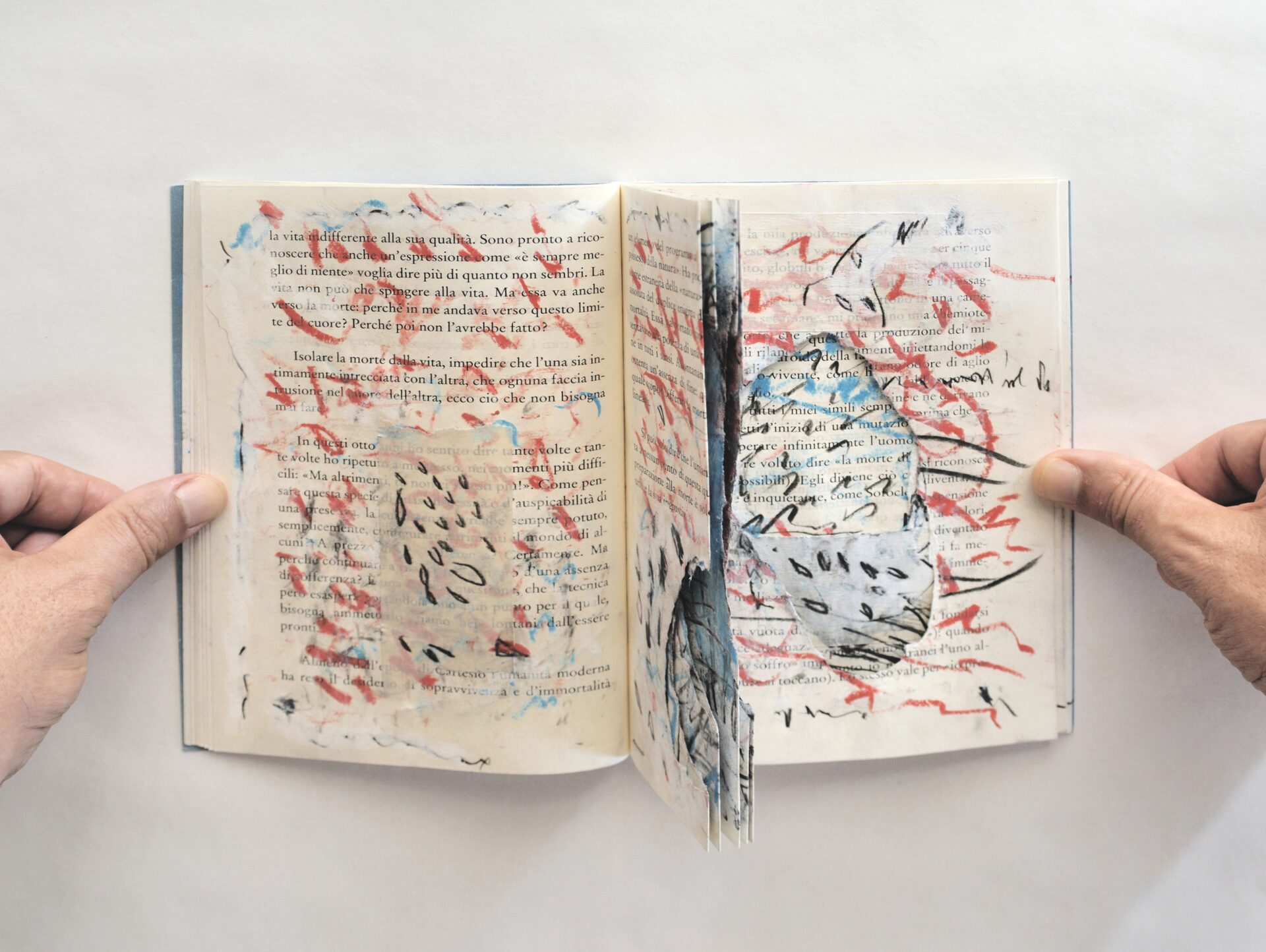
In the first book, this interplay of text and image extends directly onto the printed page. Bartoli works over Nancy’s words with oil pastels, tissue paper and strips of tape, then cuts into the sheets to create openings through the volume that bring otherwise separate pages into contact. In the second book, the gesture is reversed: instead of marks being laid over the page, a foreign substance enters the body of the book. Bartoli treats another Cronopio edition of L’Intrus with ox blood and powdered tuff. Used as paint, the blood spreads inward from the edges, leaving stains and ripples that, once dry, stiffen the pages and submerge the text. Here, too, the intervention changes the book’s very nature, irreversibly affecting its capacity to be handled, read and recognised. Through their opposing movements of opening and obstruction, the two works recall Nancy’s description of his own condition: “I am open closed.”
The weary, caged figures which populate the drawings ultimately bring this tension back to the body and its social dimension. They point to society at large, continually seeking to neutralise its own contradictions, and to the art world, capable of putting even the criticism directed against it on display, turning it into content, an exhibition or an event before it can genuinely challenge the way the system operates. Finally, there is the artist, searching for a place within that system, uncertain whether they will ever be welcomed—or whether it might, after all, be better to remain an intruder.
Bartoli wrote a text for the exhibition in which he recounts the origins of his work on Nancy and traces how the exhibition itself came about. In one passage in particular, he places the artist-as-intruder amid the strange carnival of the art world:
«We artists/human beings will emerge from this adventure lost and shaken, dazed and surely unable to sustain an ongoing dialogue with this world. We will emerge battered and breathless, perhaps close to death, but emerge we will, indifferent to death because we have already died again and again while alive».
—Ilaria Monti
From a written conversation with Francesco Bartoli