


Remains — The Alchemy of Lost Memory
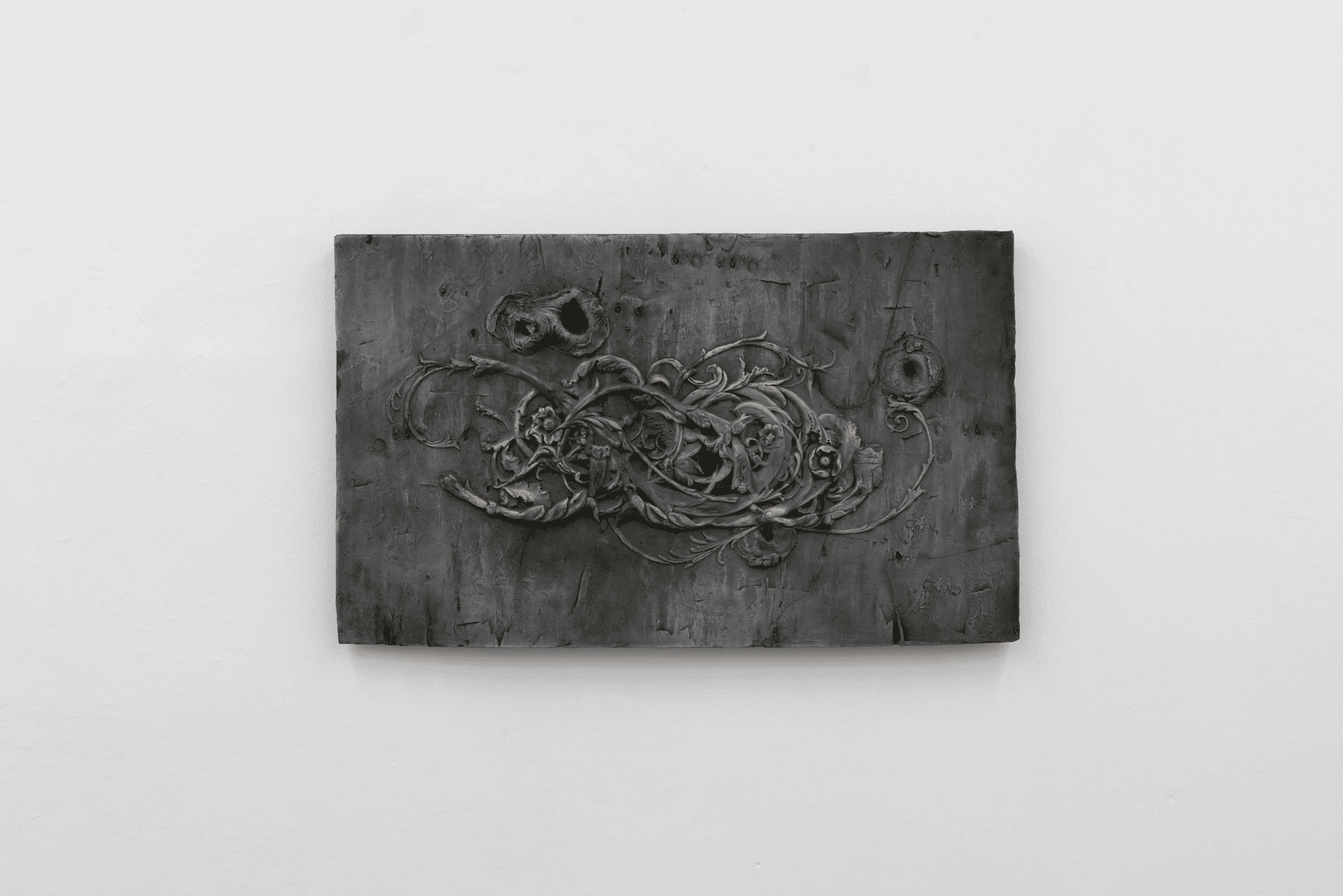
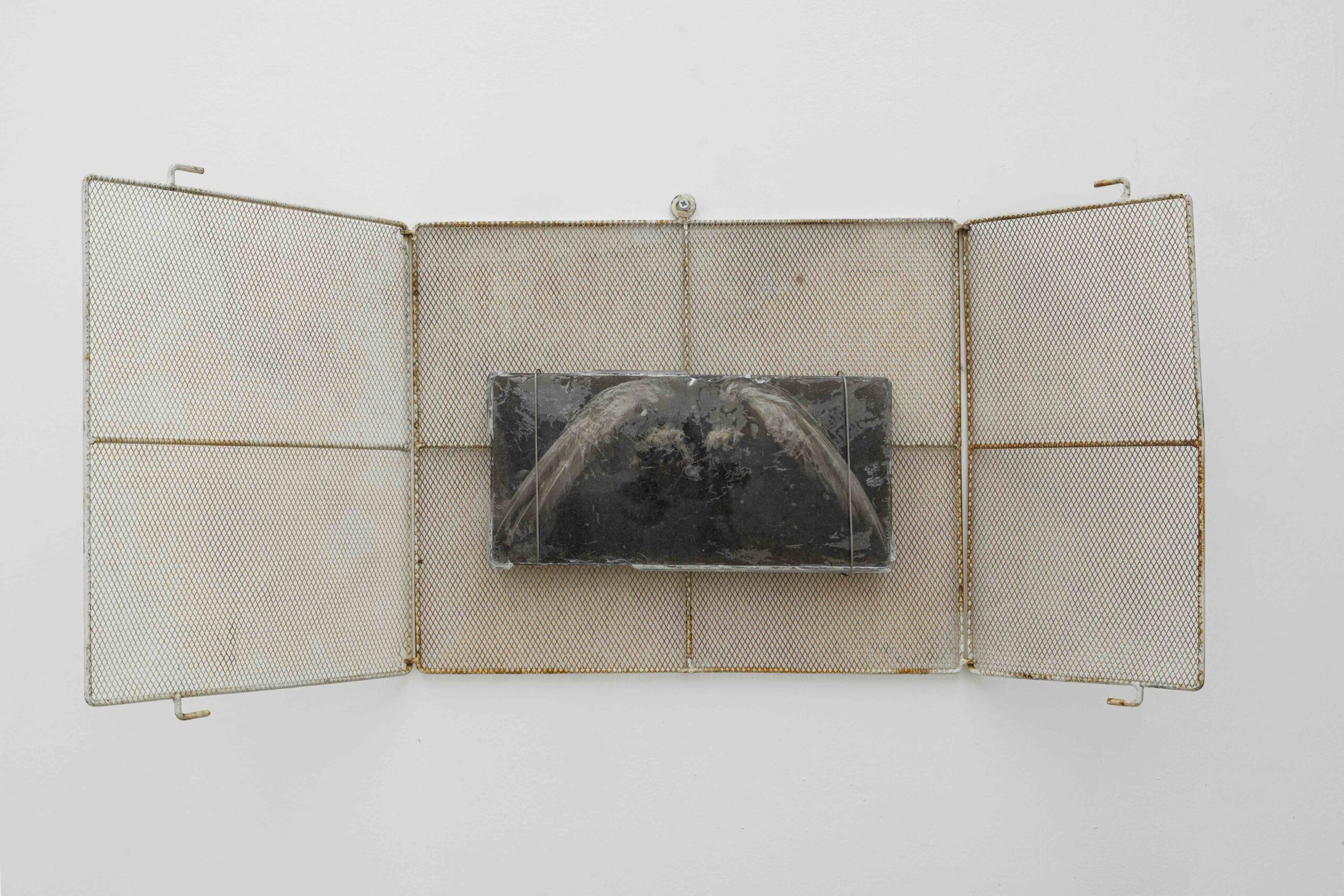
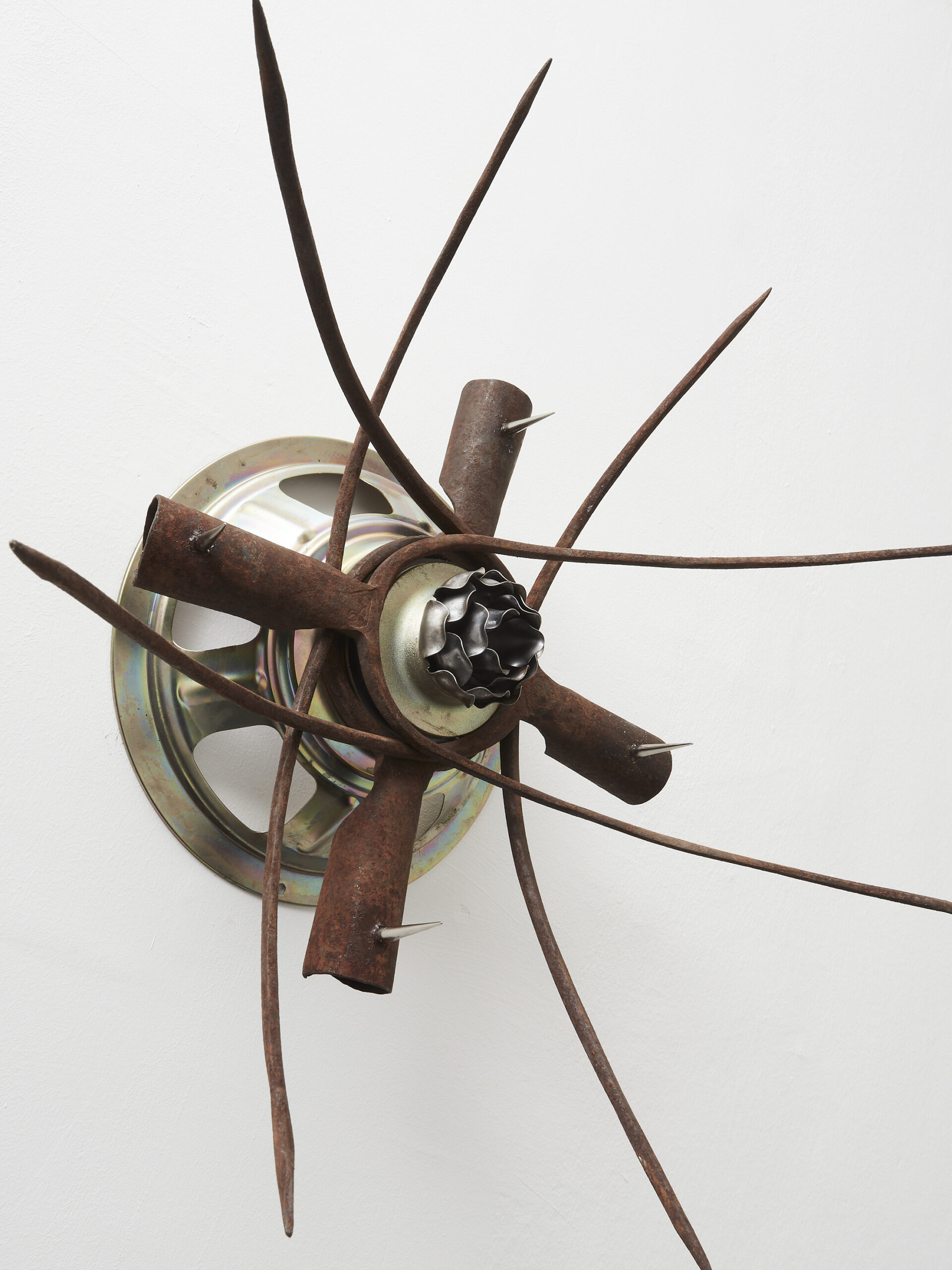
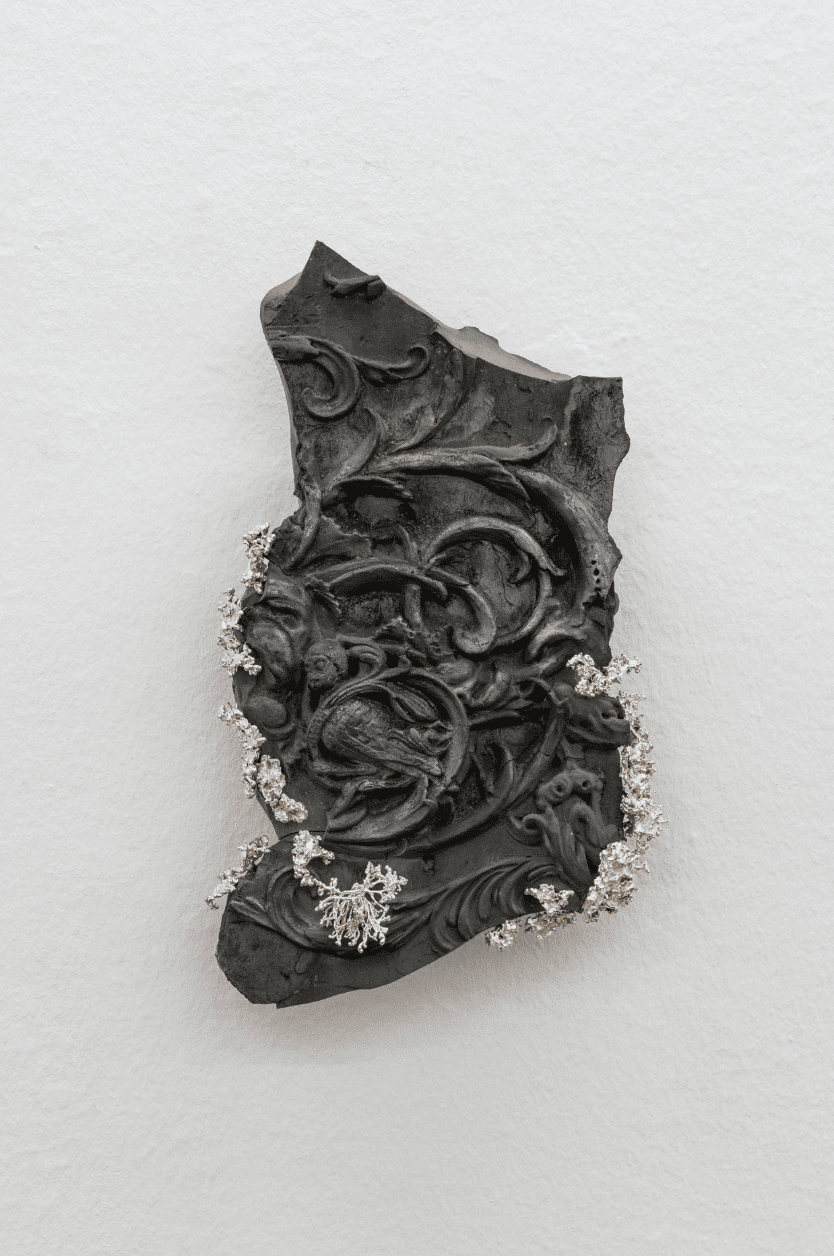
Remains -The Alchemy of Lost Memory is an exhibition curated by Alberto Dapporto and hosted by Associazione Barriera and Sergey Kantsedal, on the occasion of the sixteenth edition of Mirror Project.
The show is a reflection on time as it wears away, on matter as it transforms, and on the fragile trace humanity leaves behind. The exhibition unfolds within a liminal space between ending and beginning, where emotional and material processes — whether real or symbolic — take on the form of an alchemical act, revealing both the precariousness of our world and its relentless capacity for regeneration.
It evokes the idea of lost time, of nature burning itself out, where thoughts and beliefs shift as if through alchemy: matter changes yet never frees itself from its own weight; memory transforms yet continues to press upon the present.
Remains explores contemporary instability not as a static condition, but as the impossibility of bringing processes to closure.
The impulse to investigate the act of living and creating while everything around — and within — seems to collapse is sparked by an image evoked by Derek Jarman in Modern Nature, where in 1991, in the context of his garden at Prospect Cottage in Dungeness, he writes: “I am a gardener, a maker of ruins.”
In a marginal landscape, the act of care and attentive observation becomes a form of resistance amid precarity. Remains gives shape to this attention toward what persists, despite the absence of a future, and to the capacity to remain present in the face of what cannot be saved.
In his desire to leave a trace, Jarman underscores how the end of things is always, inevitably, the beginning of something else. Within this cyclical tension emerges an invitation to perceive existence with greater delicacy and to discern, within decay, a subtle harmony.
The works of Nicola Ghirardelli, Edoardo Caimi, and Bri Williams engage in dialogue across three distinct registers: the fragility of imposed systems, non-sequential time, and the intimate vulnerability of trauma.
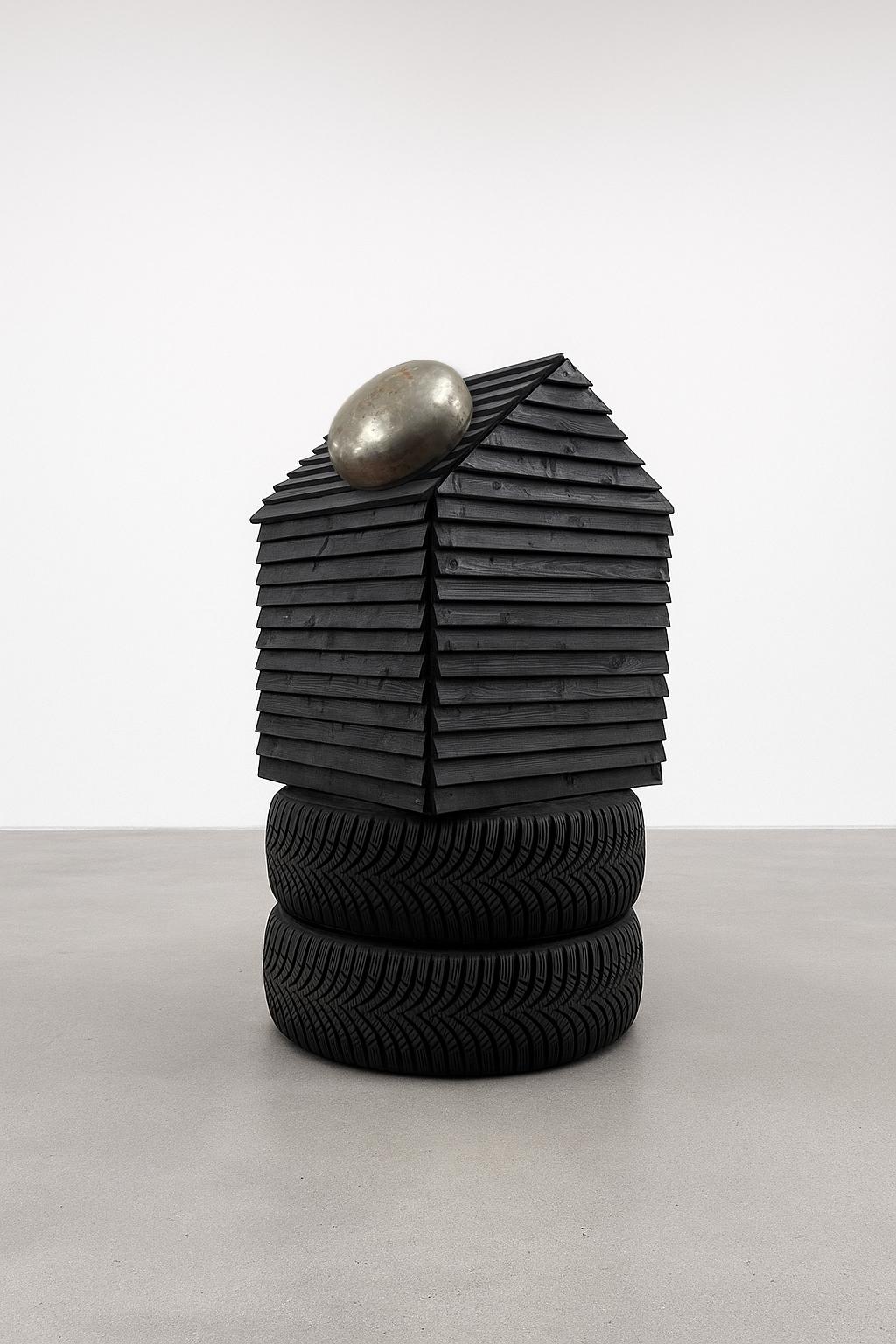
Nicola Ghirardelli investigates the organic element as a territory of conflict between nature and ideology, challenging the failed illusion of control over physicality. His research draws upon the philosophy of material transformation, revealing the fissures within a system of thought that has contributed to the fragility of the present. Through the recomposition of archaeological and natural elements drawn from everyday imagery, he does not speak of human trauma, but of an instability in which the human loses its centrality.
What emerges is an open question: how do we inhabit a world that no longer responds to our expectations of dominance?
Within this state of collapse, Edoardo Caimi, drawing from peripheral suburban and rural cultures, from practices such as graffiti, and from the use of industrial materials, reimagines contemporaneity within a cosmogonic and survivalist narrative. His work reflects on a non-linear time — a time that belongs to the present as much as to the past, or even to the future — evoking scenarios of social erosion and contaminated landscapes in which new forms of tribalism, organizations, and resistance groups find their habitat.
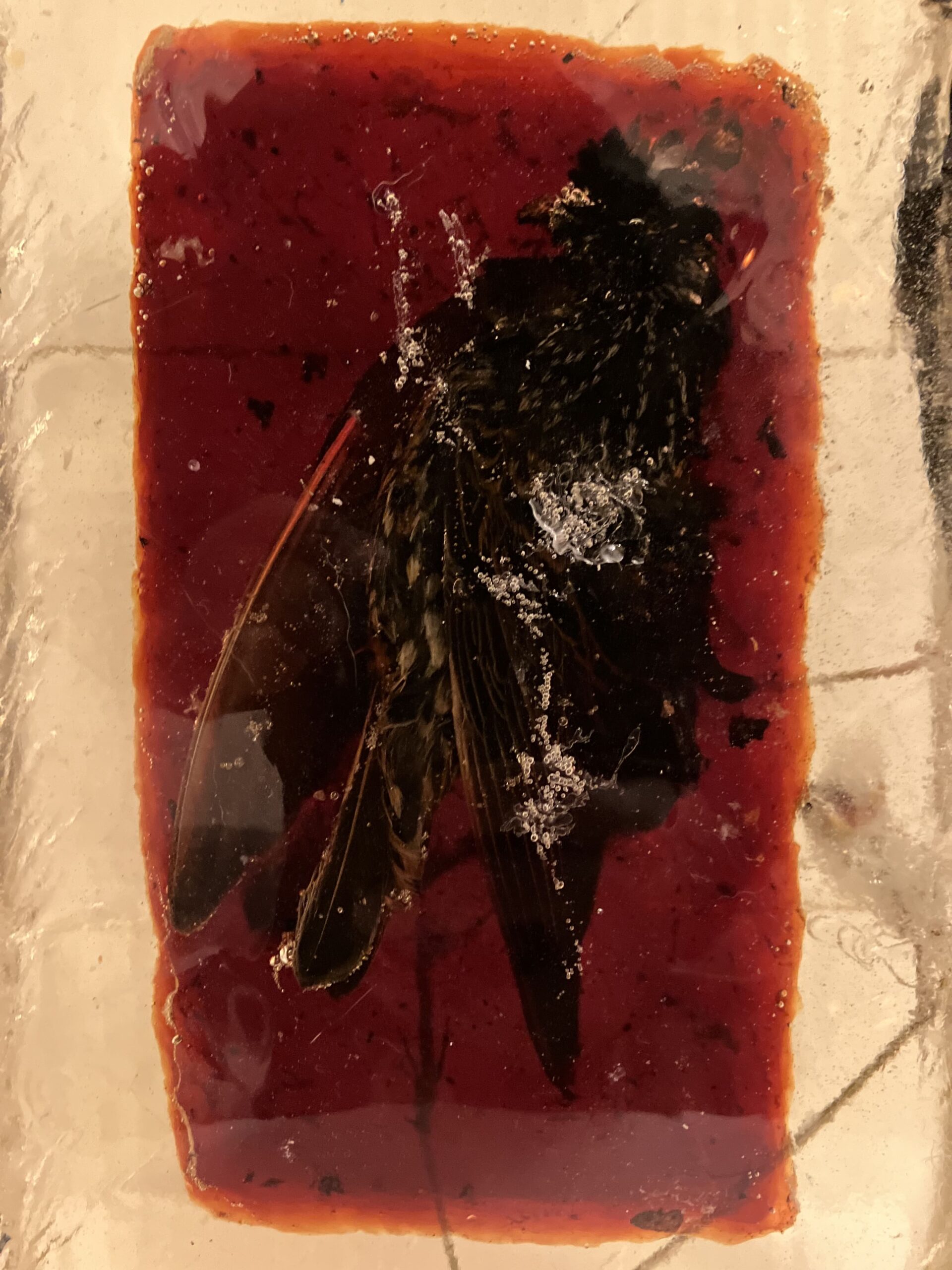
Bri Williams enters this dialogue by exploring the loss of control within intimacy: recurring memories, persistent traumas, and pains resistant to linear healing. Their objects are not mere remnants — remains — but rather what we attempt to archive in everyday life, and which instead lingers in suspension, demanding recognition without ever offering itself as a resolved narrative. Their work speaks to the part of us that struggles with what cannot be corrected or erased: emotional complexity, vulnerability, memory that moves not by will, but by necessity. Through the act of objet trouvé, Williams employs organic materials and everyday artifacts as containers of lived traces, while the immersion of certain works in resin takes on an allegorical and purifying value, crystallizing the past and inviting reflection on our relationship with remembrance.
The exhibition space itself is configured as a place in transit, where signs of passage, residual gestures, and fragments overlap like interferences, creating a transforming landscape in which the works appear as glitches from other times and other realities.
In this suspended state, Remains – The Alchemy of Lost Memory refuses a conclusive narrative. It does not speak of what changes, but of what, even in changing, continues to weigh upon us, and it questions what remains of us within mechanisms that elude every resolution.