

Cinque teste
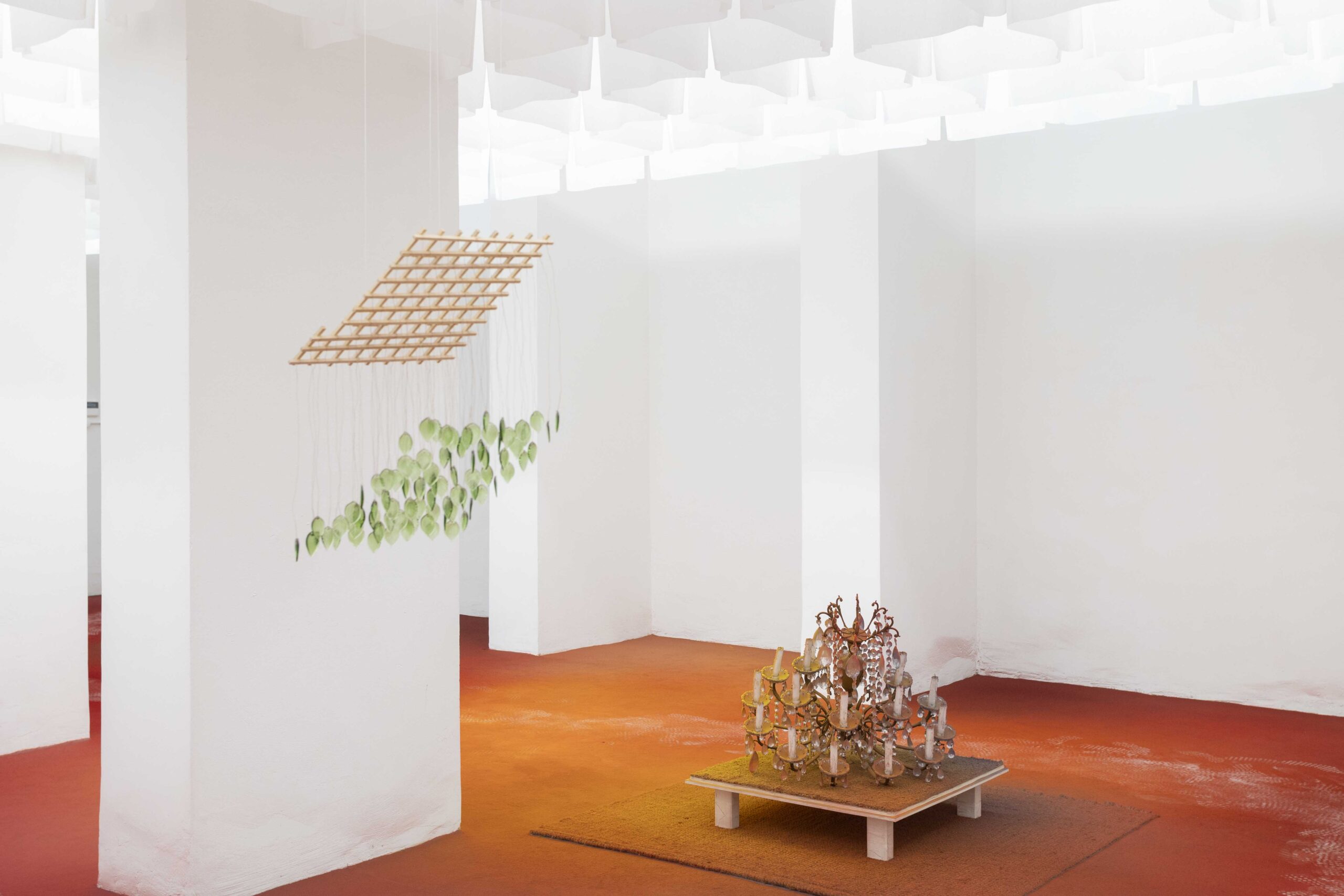
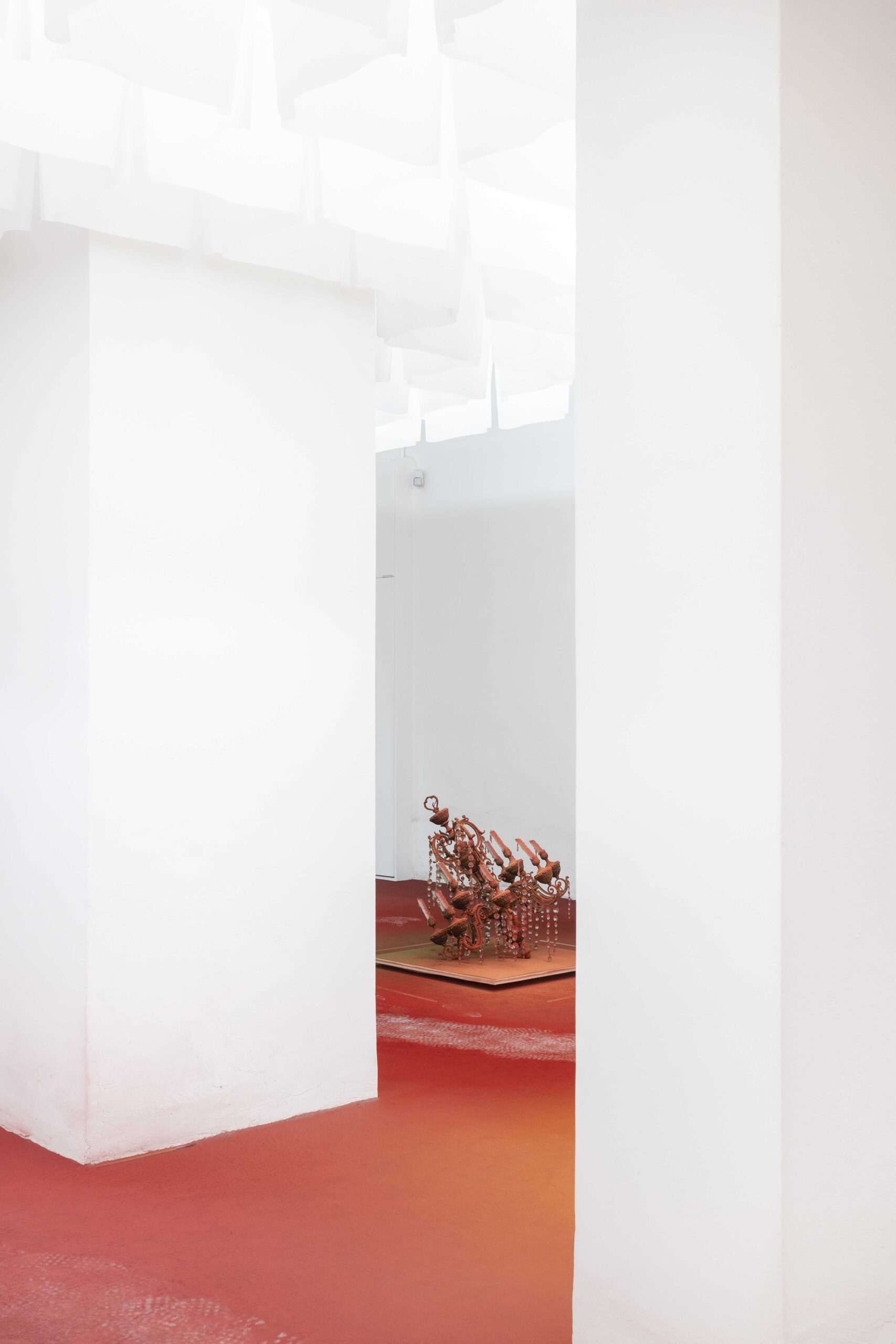
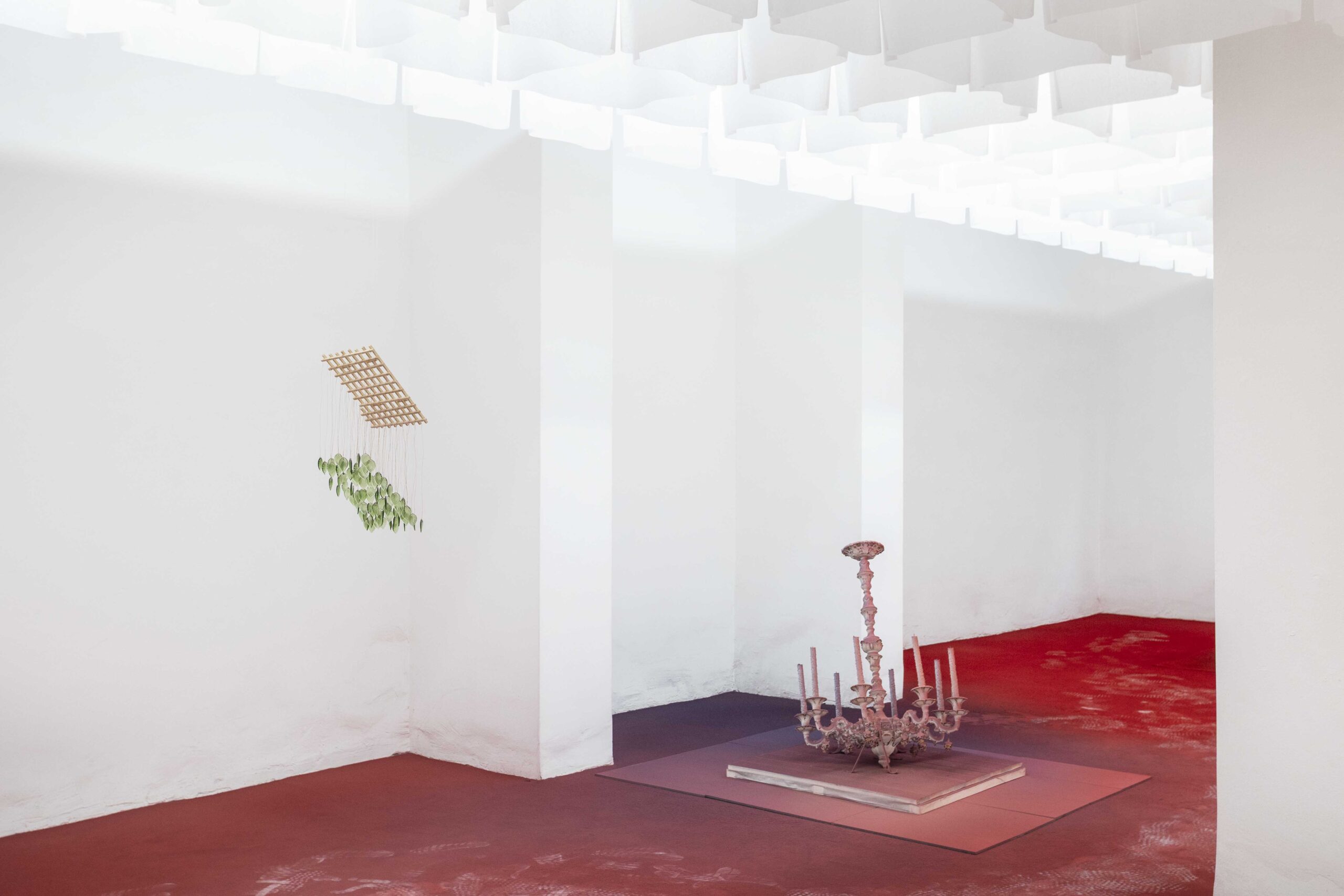
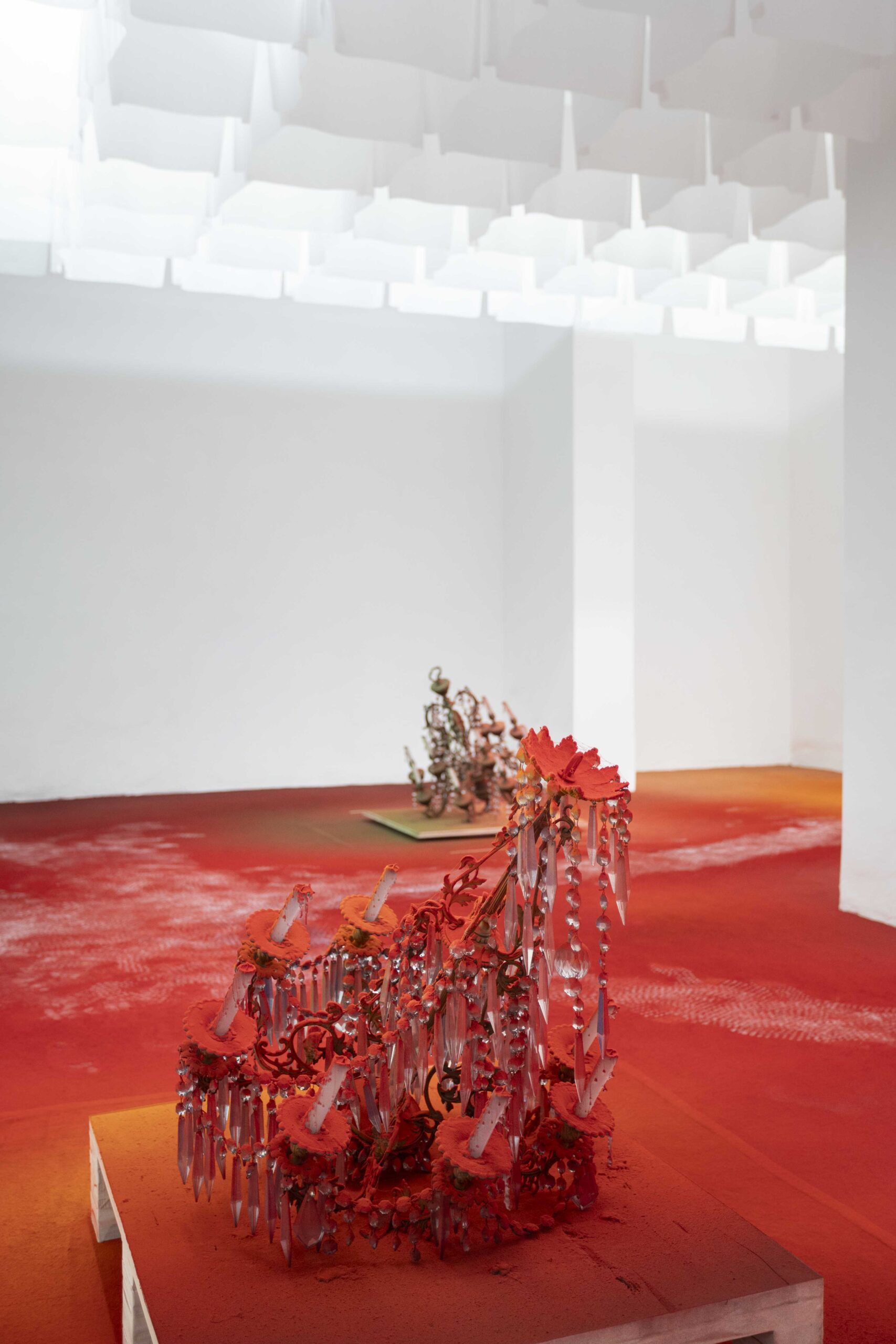
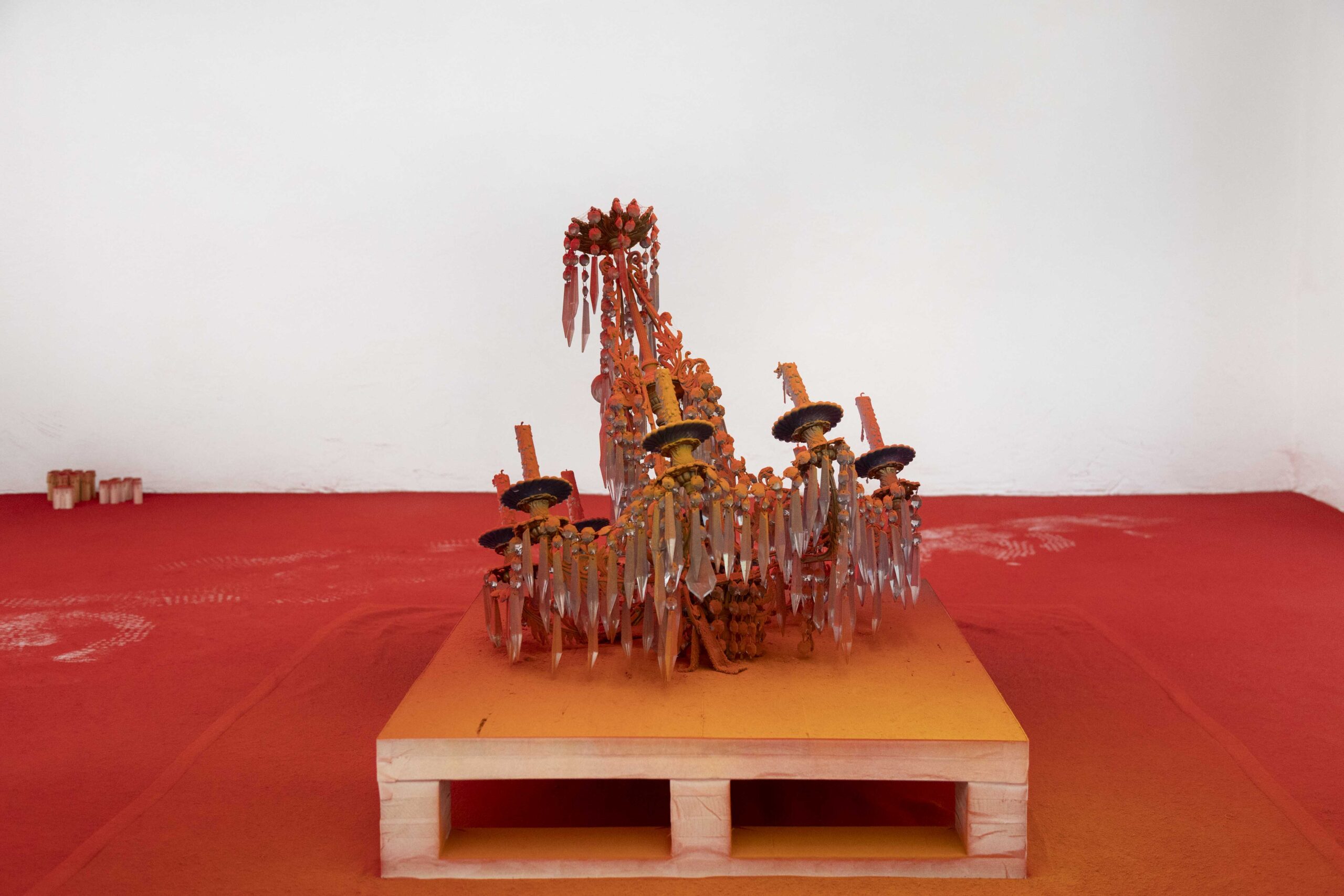
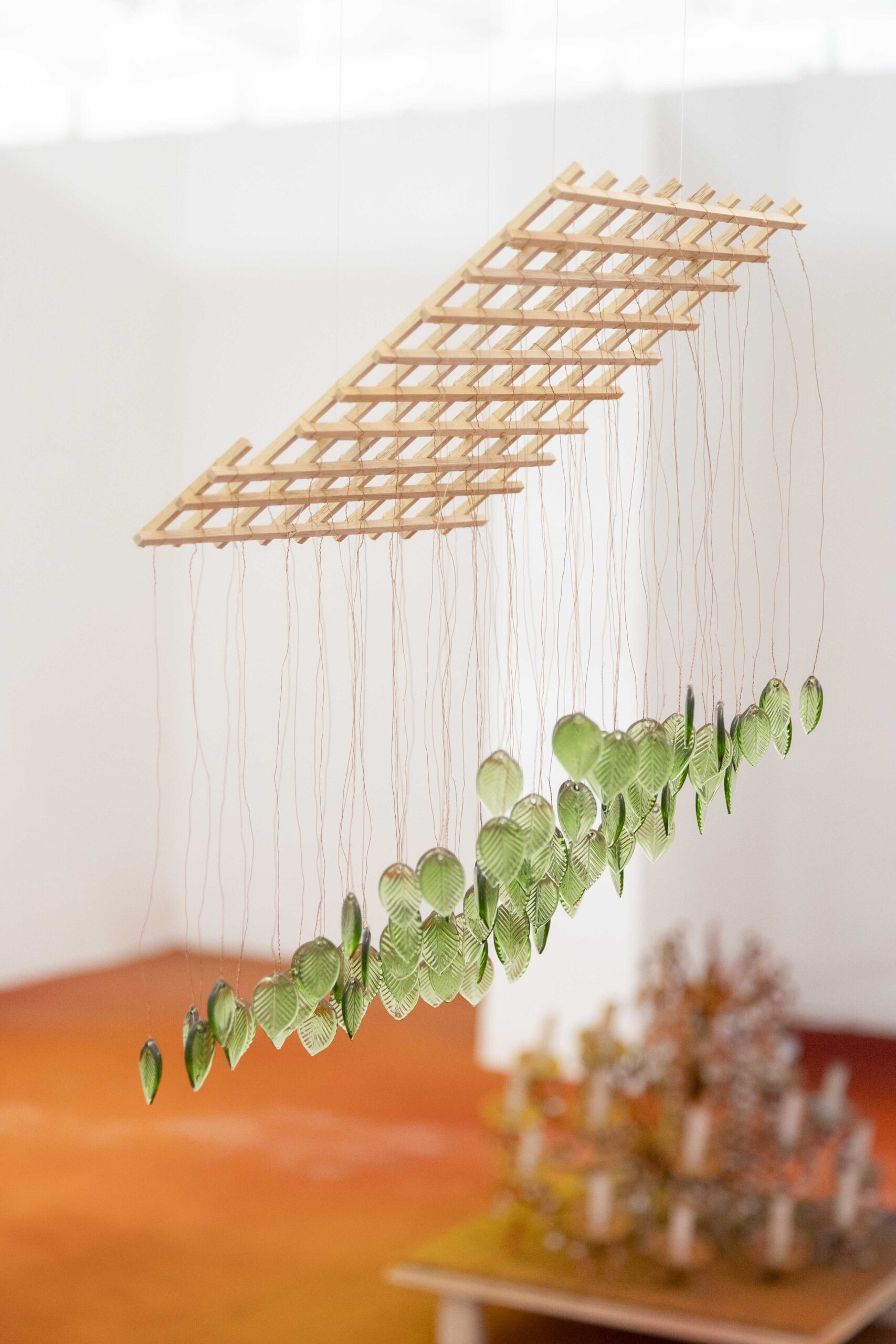
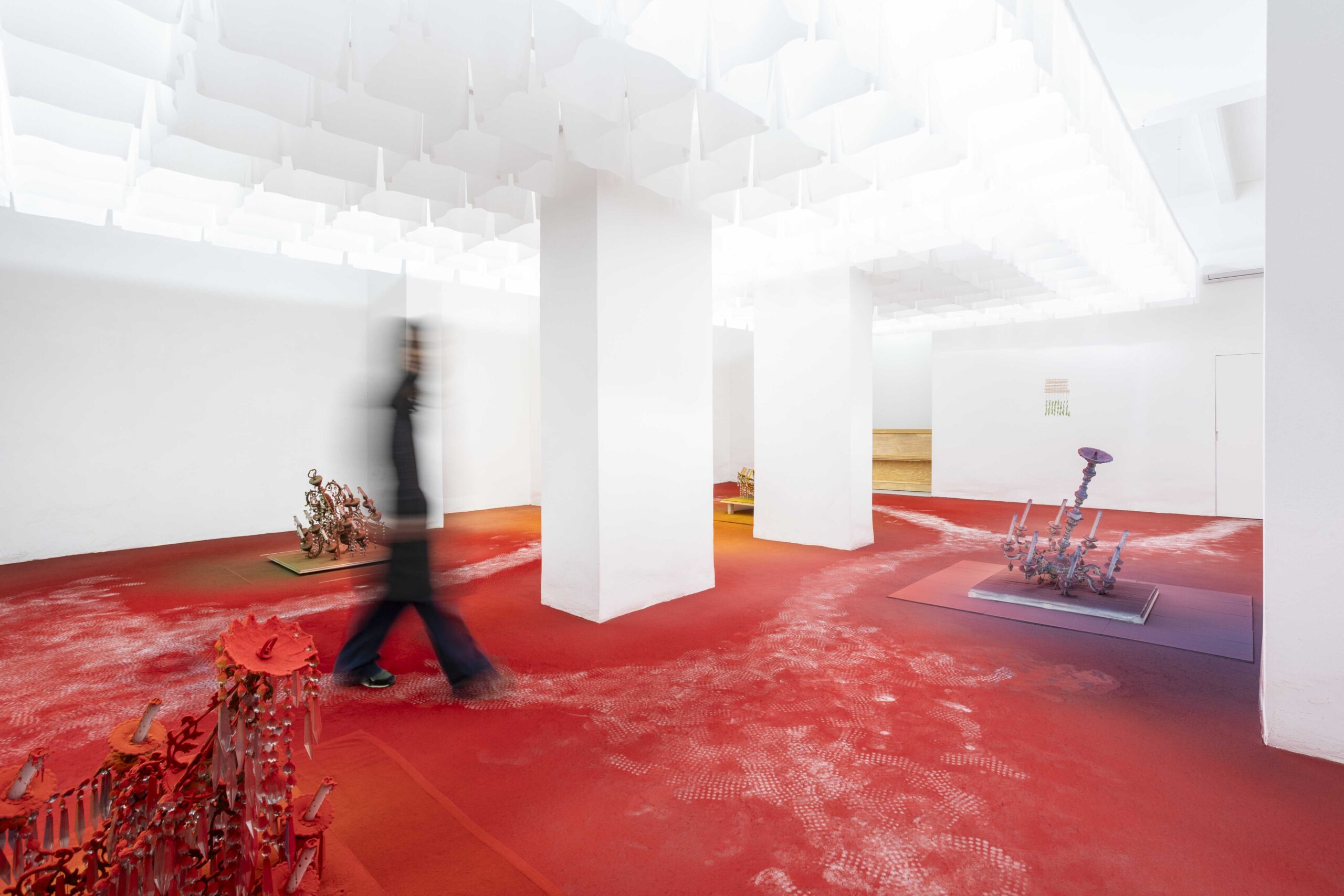
rerum opens its doors with a powerful and immersive exhibition, allowing itself to be entirely overtaken by the work of Marlon de Azambuja, Brazilian artist who has been based in Paris.
For rerum, Marlon de Azambuja has conceived Cinque teste (Five Heads), an exhibition whose title refers to one of the most singular episodes in Livorno’s recent history: the discovery, in 1984, of several sculptures in the city’s canals, initially attributed to Amedeo Modigliani and later revealed to be forgeries—the result of an elaborate and now-famous hoax. For several weeks, the heads emerging from the water blurred the boundaries between authenticity and invention, between history and myth.
Cinque teste (Five Heads) takes the form of an environment, almost an ecosystem, into which the viewer is invited to enter both physically and mentally. It is inhabited by the “Supernovas,” a series of sculptural objects born from fallen chandeliers, collected and reconfigured by the artist. These objects have lost both their original function and position, acquiring a new existence through the action of one of the most elementary and inevitable forces: gravity. The fall thus becomes a central gesture. Not necessarily an ending, but a possibility for transformation.