


Tips and Thunders
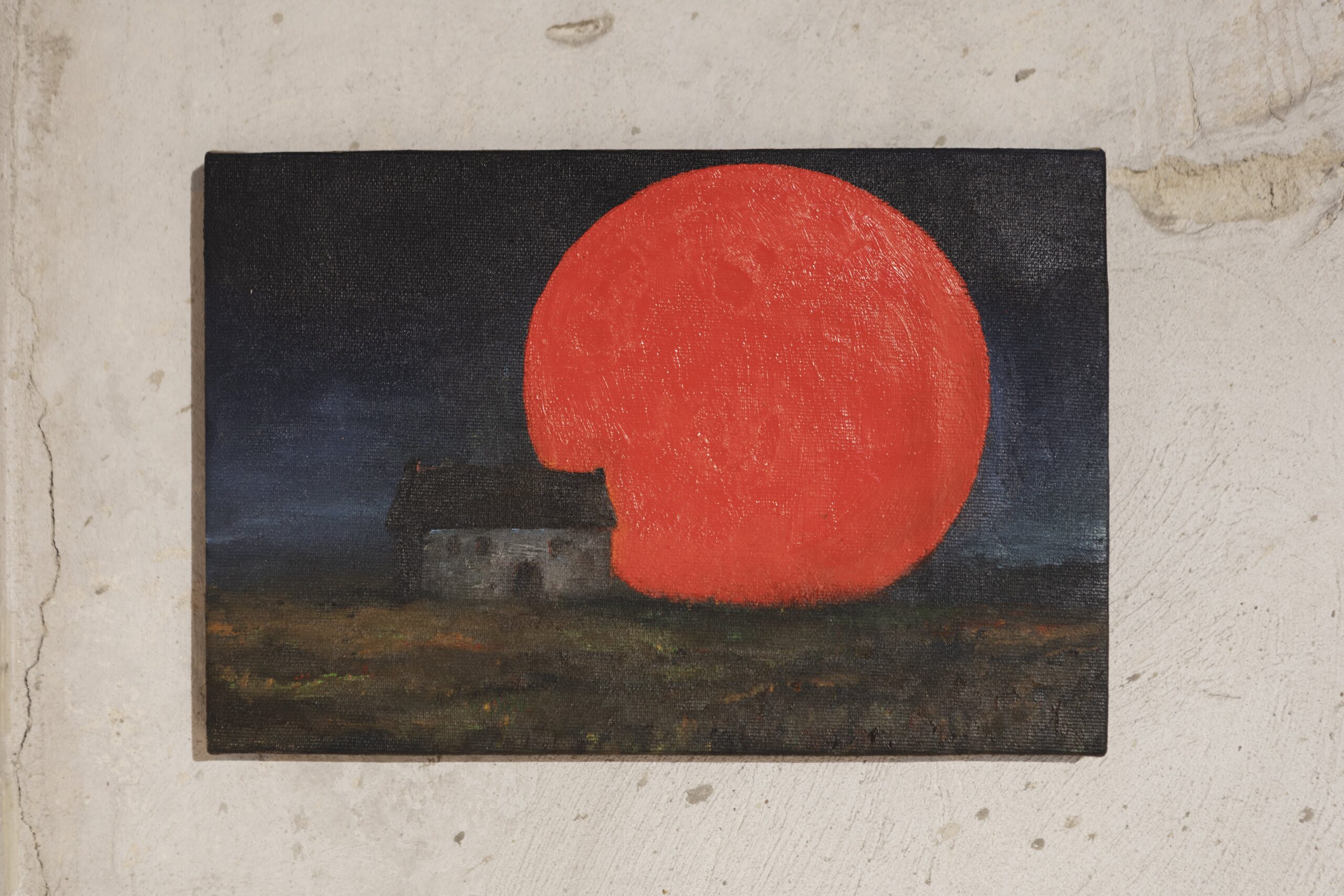
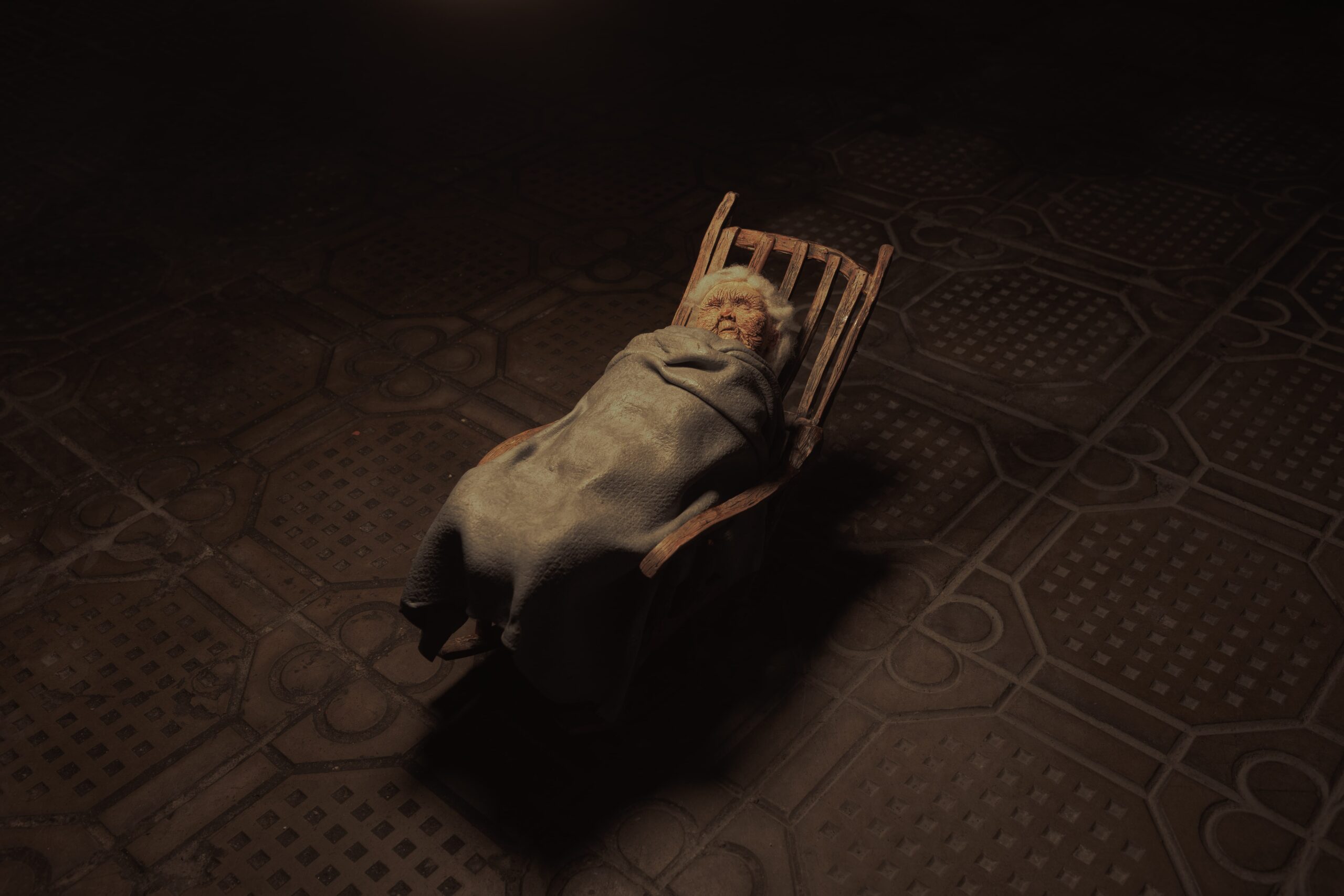
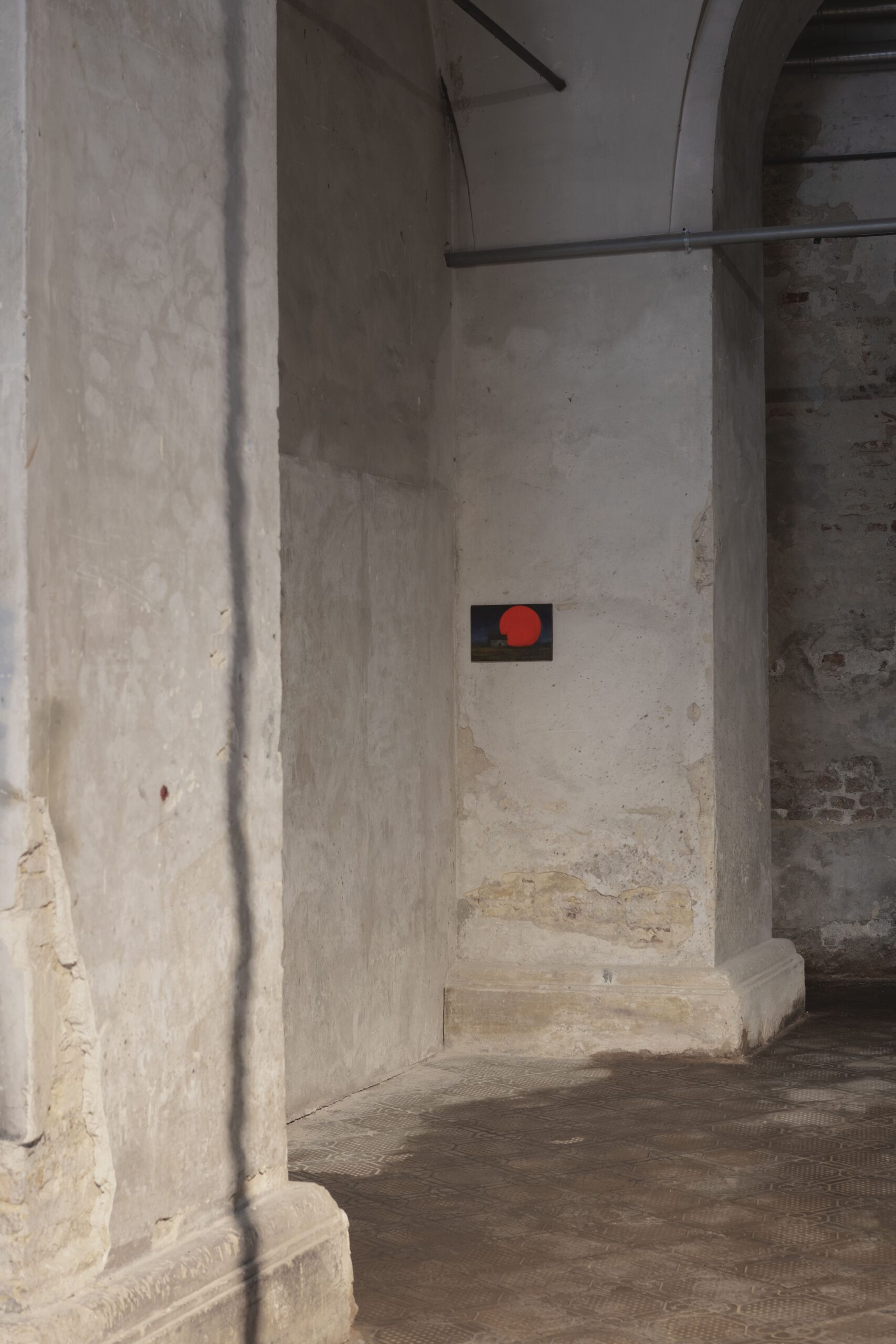
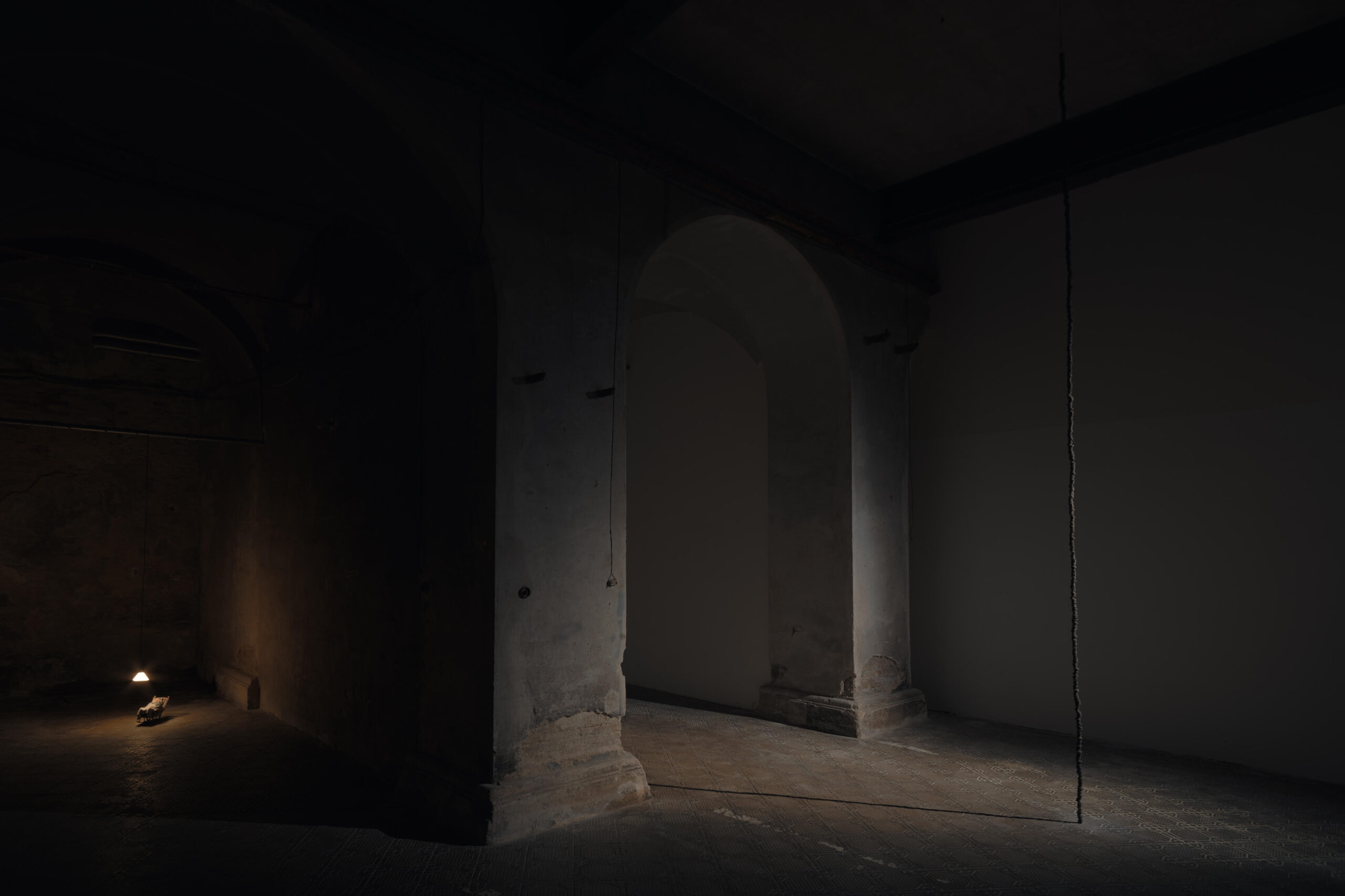
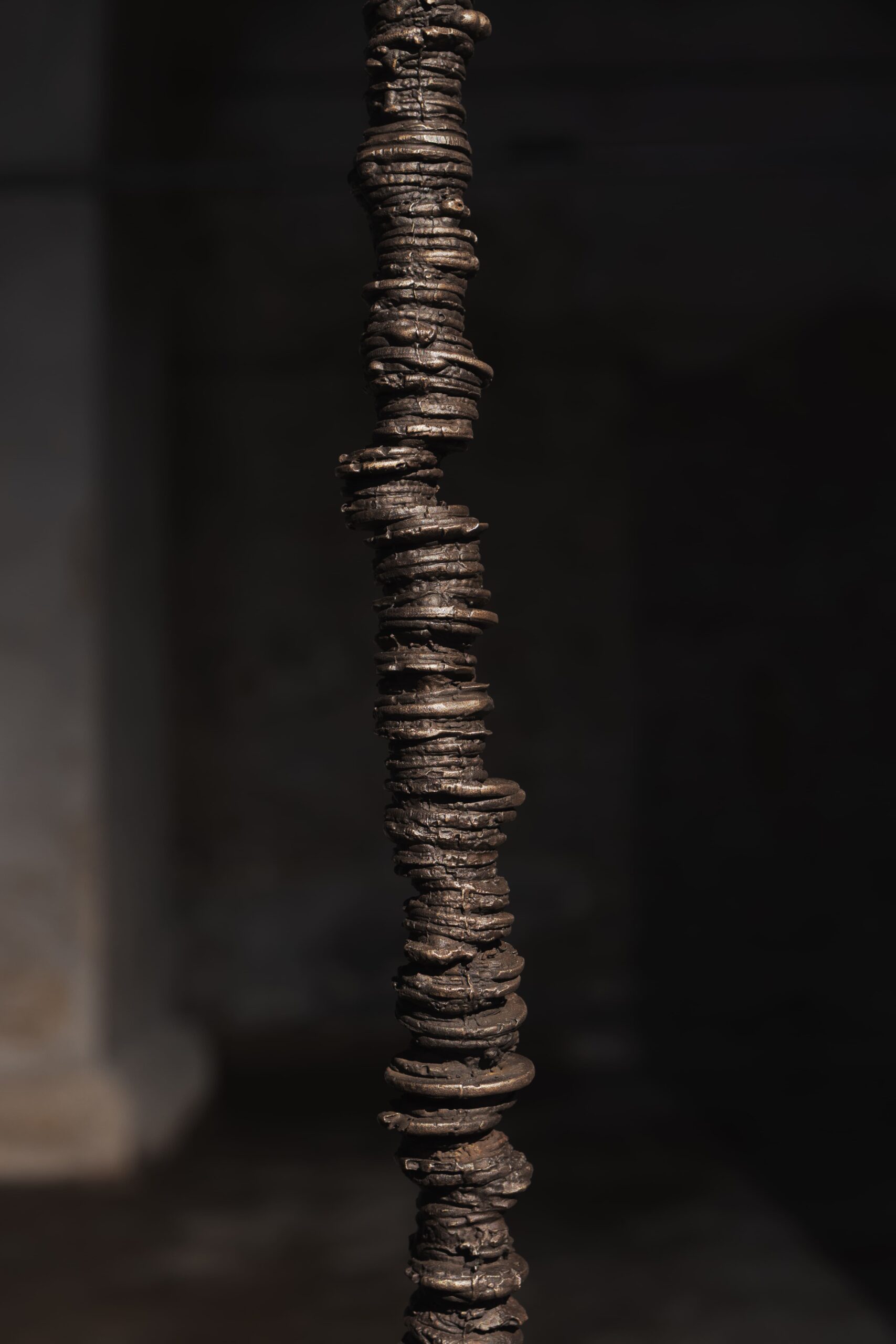
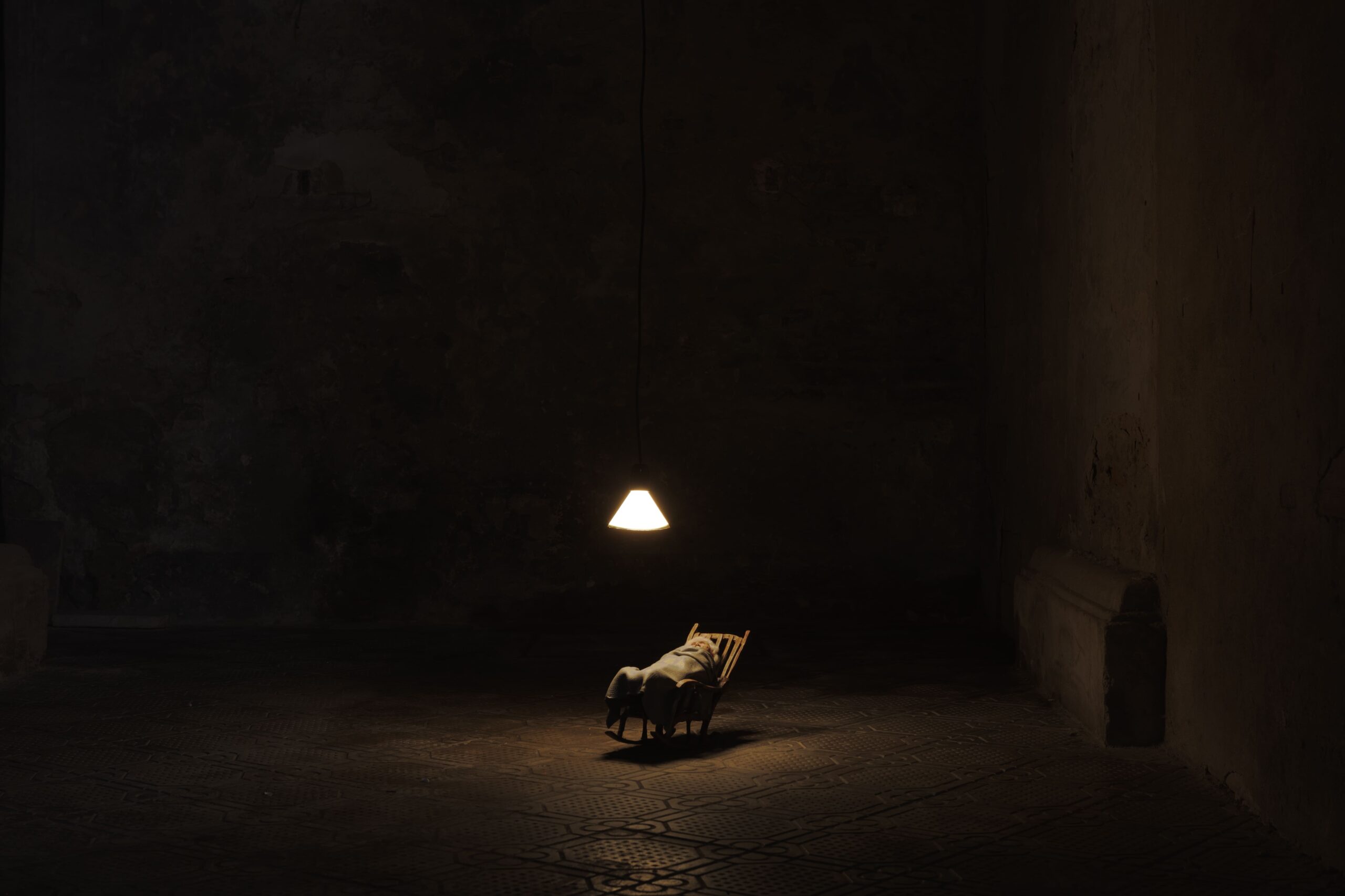
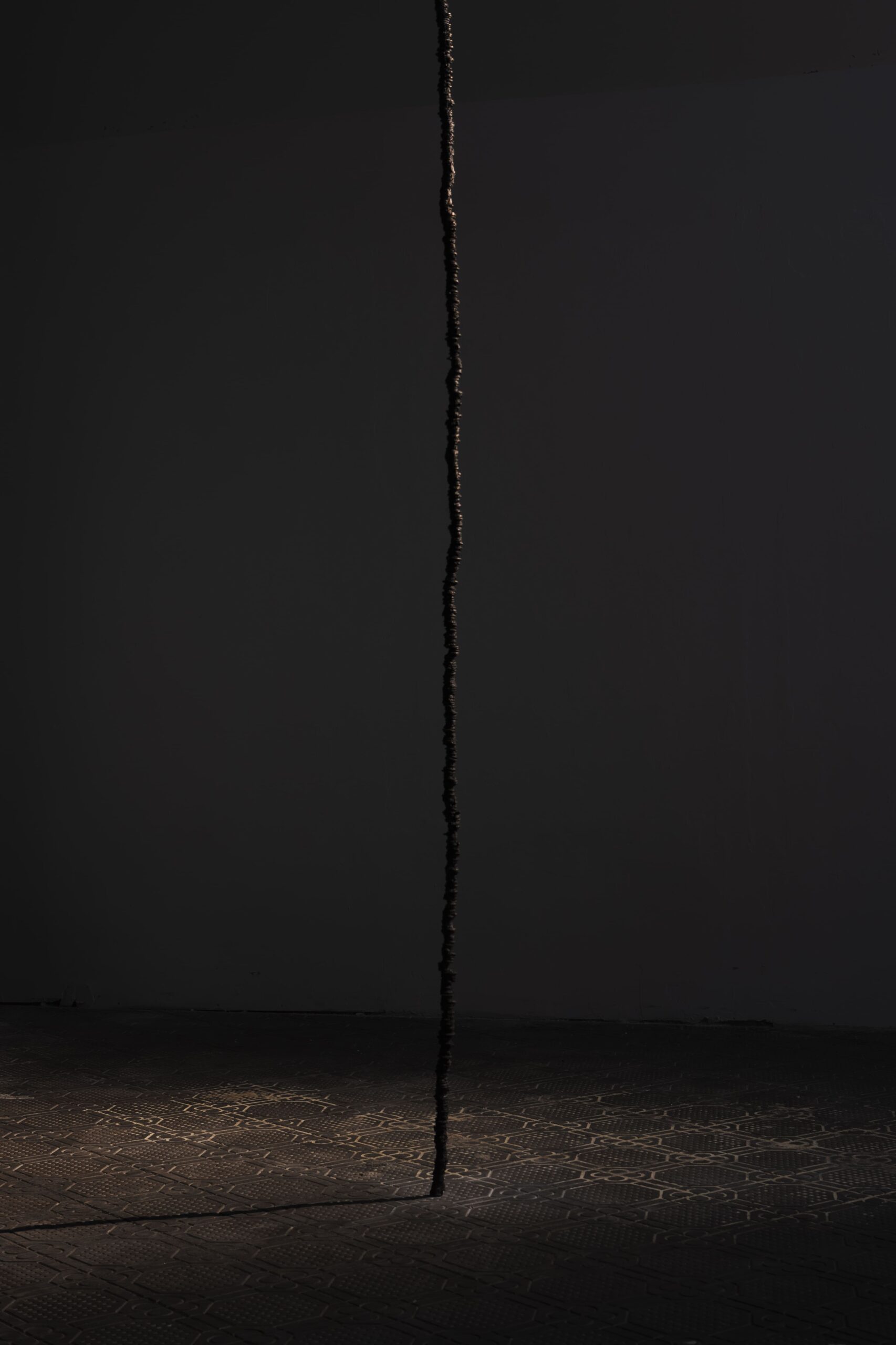
An infinite object winks in the darkness: a slender, unstable column that rises from the ground and reaches, slightly askew, to who knows where. Tips are gratuities, the ones you leave at a bar or that all grandchildren have received from their grandmothers or grandfathers. The mancetta, as my grandfather used to call it, with a diminutive that conveyed both the tenderness of the gesture and the paltry amount of money he gave, was always made up of loose change—there were even ten-lira coins with ears of wheat—that seemed made to be stacked one on top of the other, in small, wobbly vertical rows. This image of stacked coins… perhaps due to some dormant memory of comic strips. Tips is Tosi’s column of coins, a patinated bronze structure, a cast reproducing a resin matrix whose imperfections it faithfully preserves. Thus, thanks to these roughnesses, the discourses that might be associated with it—linked to money, capitalism, and destruction (obviously and especially environmental, which is also cultural)—flow quickly through the observer’s mind, leaving room for broader, more expansive reflections. Tips are also advice, suggestions offered by those who have experience or who are so old that they have seen and known a great deal. From the ground has risen this stalagmite of capitalism, thrust up like an archaeological relic of a contemporaneity that is detonating, but also like a plant born from a chimerical magic bean, similar to a chewed, corrugated form that climbs upward, reaching a space beyond our grasp. Thunders: a sound that resonates deep and bewitching, so immense that we can perceive its contours with our hands, with our bodies. It seethes and draws us into a corner, where a small chandelier casts light on a domestic scene: a rocking chair, with a little old woman sleeping soundly beneath a thick blanket. It is from her that the great roar originates. This small resin sculpture, only 30 cm long, takes on an enormous form, propagating through space, entirely filled by its expanded, pulsating, pervasive sound: a pouring rainstorm, with booming thunder. The sculpture, whose face is treated on the surface as if the wrinkles were drawn in ink, somehow recalls the most ancient figurines of female deities: like them, she too is closed in on herself, small and charged with the cosmic energy of thunder and rain, a gentle yet vibrating idol, whose body is immobile in an attitude that emanates archaic stillness. The thundering grandmother has not fallen asleep to the sound of the rain; rather, it is her sleep that generates the storm. For the exhibition Tips and Thunders, Federico Tosi has conceived a series of interventions that occupy space through a generative force, both physical and emotional at once. The works resonate with one another and with the architectural space, expanding beyond measure like a telluric force that, through propagation, stirs archaic memories and possible images. As in a lucid-dream journey, in which the scene is illuminated only by isolated cones of light, the reverberation of the real generates fantastical and surreal scripts. Tosi’s works possess a complex spatiality that does not resolve within the works themselves; their reading is not exhausted within plastic boundaries but also entails the involvement of something that lies outside them. They continue beyond themselves, somehow asking the viewer to enter the game. Their nature does not lie in being illustrations of ideas, nor is their peculiarity aesthetic provocation: Federico is a saboteur of living-room complexities, of ingratiating refinements. His works push toward a lucid stance in favor of invention and discovery, claiming clarity, peremptoriness, and impertinence for the artwork, which allows archaic dimensions, culture, pop imagery, and specialist practices external to art to dialogue together (his bio notably highlights that he holds a diploma in thanato-aesthetics and thanato-praxis). Probably, his images captivate us so strongly because they activate memories sedimented in our ancestral memory, of animals that have grown through narratives. Tosi does not seek polarization; he prefers to tell stories, to fray, to widen the meshes of feeling, as in Sapore di Mare (2022), where the viewer is not asked to stop at the uncanny image of the dolphin devoured by rats, but to try to imagine situations from a divergent point of view, one that allows different energies to emerge—like the What if… scenarios of comic books. Finally, his research has to do with time, with its flow forward or backward, crossing eras and surpassing them, sliding over things and transforming them—and this transformation always has something cruel about it, yet at the same time sweet and seductive. The images are familiar, yet they vibrate with a glitch that transposes their meanings into an elsewhere that floats between fiction and the visionary state of a charlatan medium.