


u-/dys-
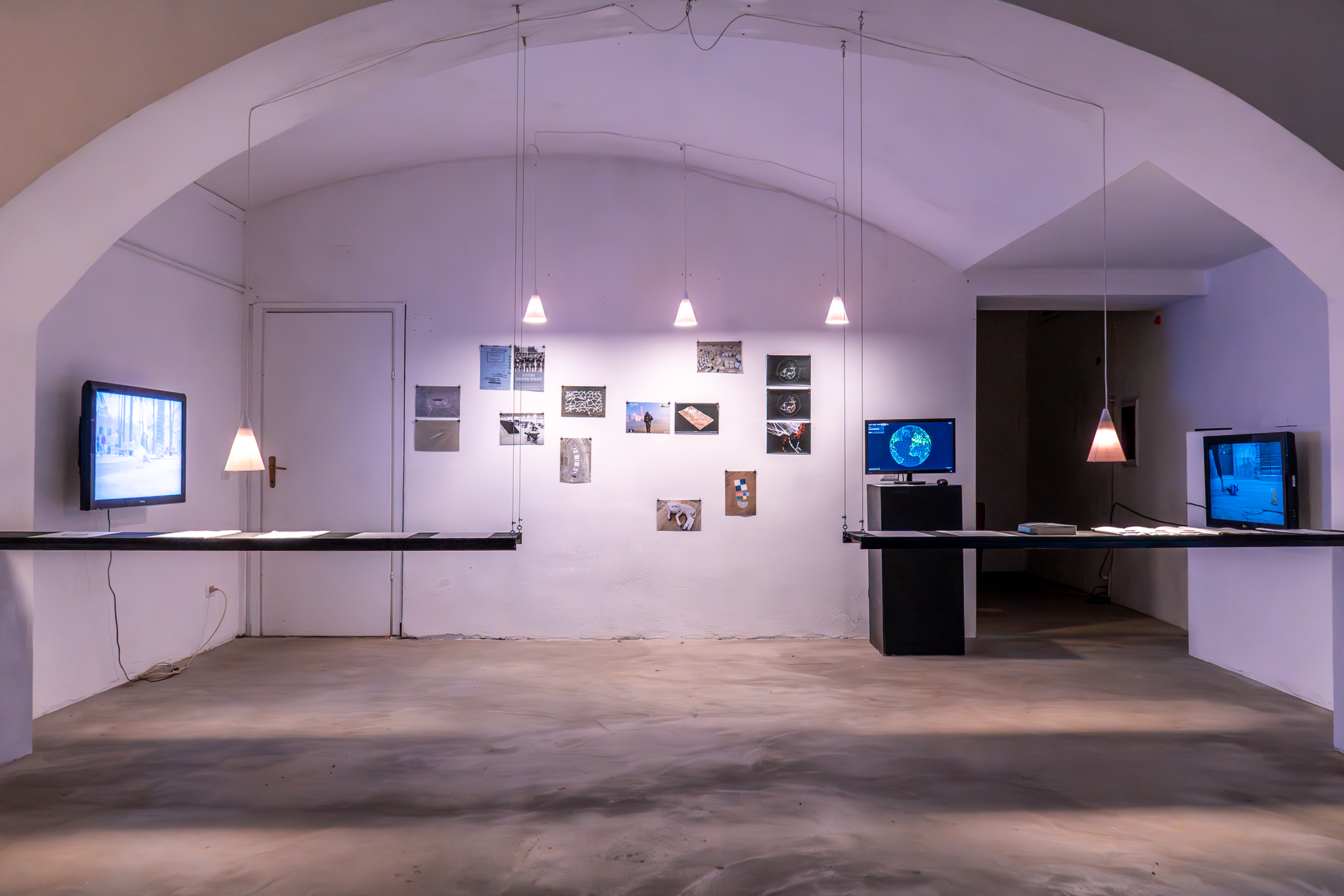
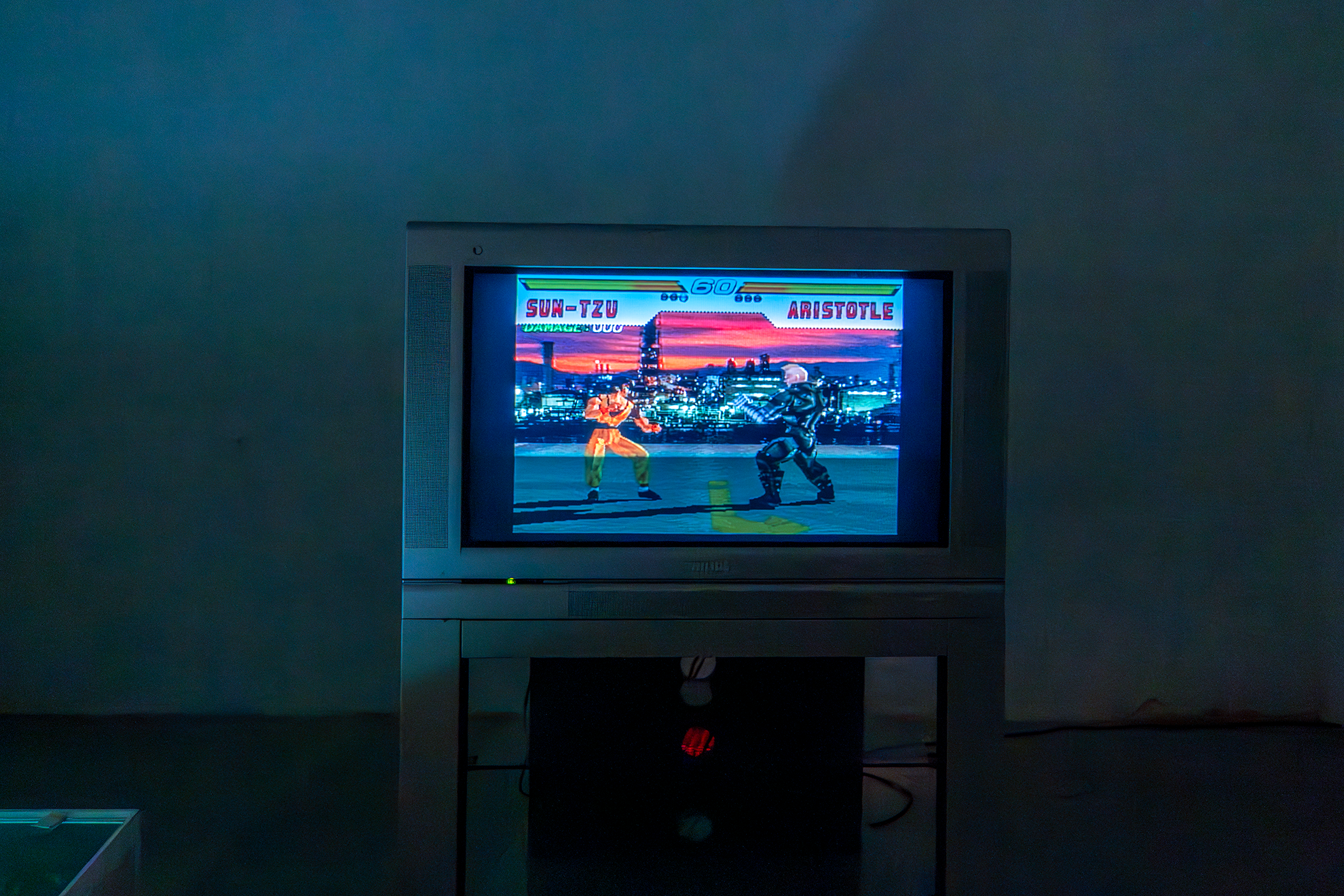
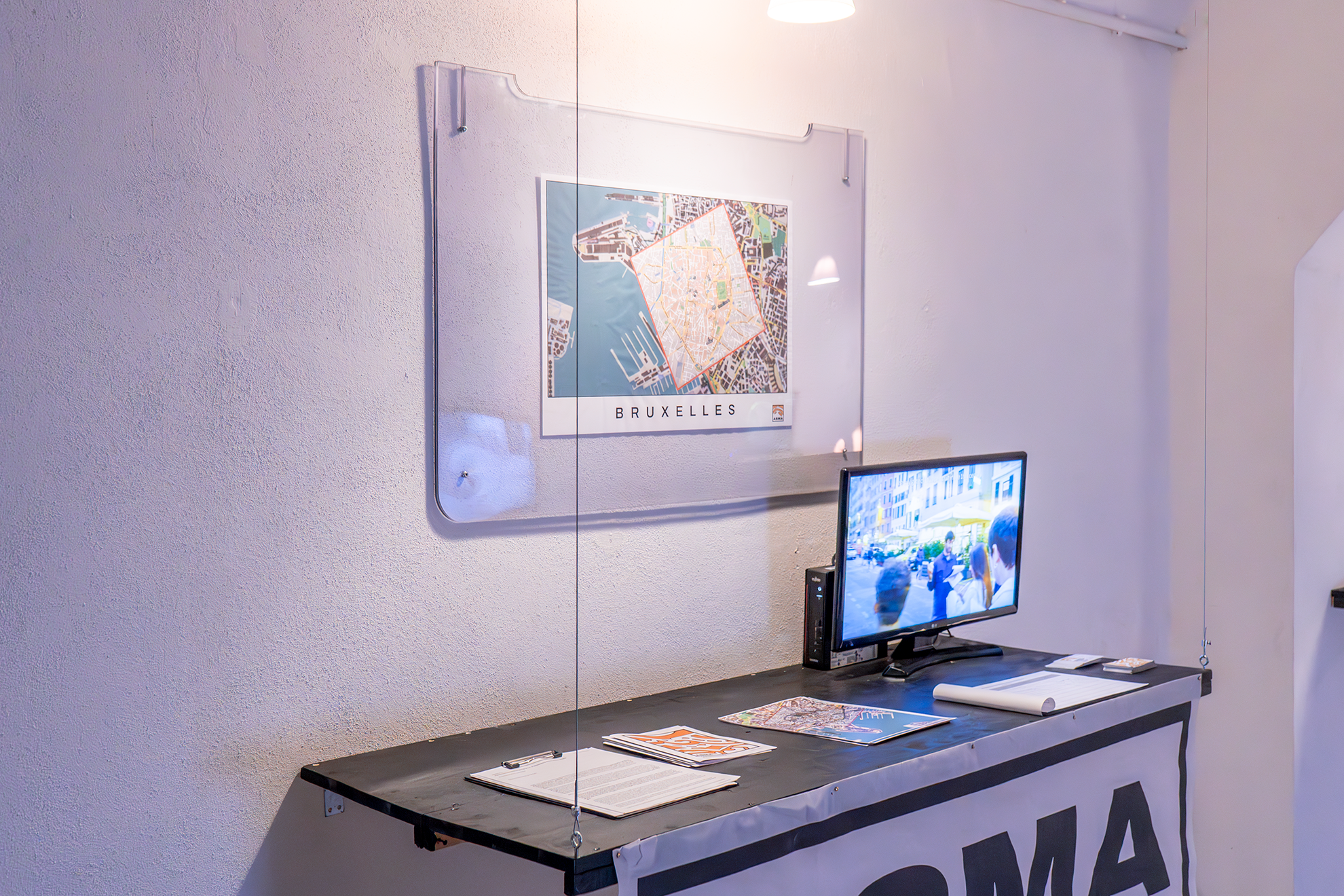
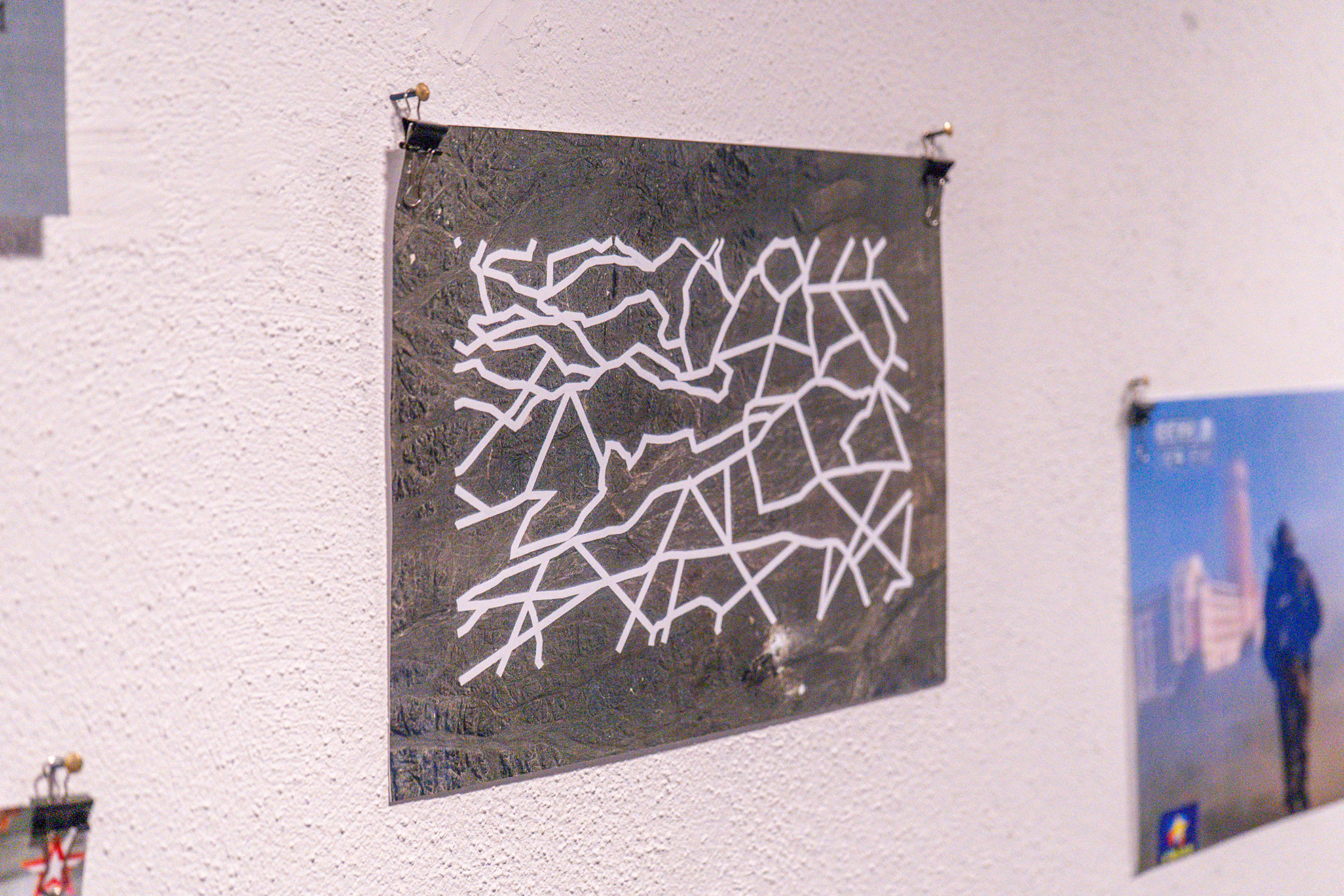
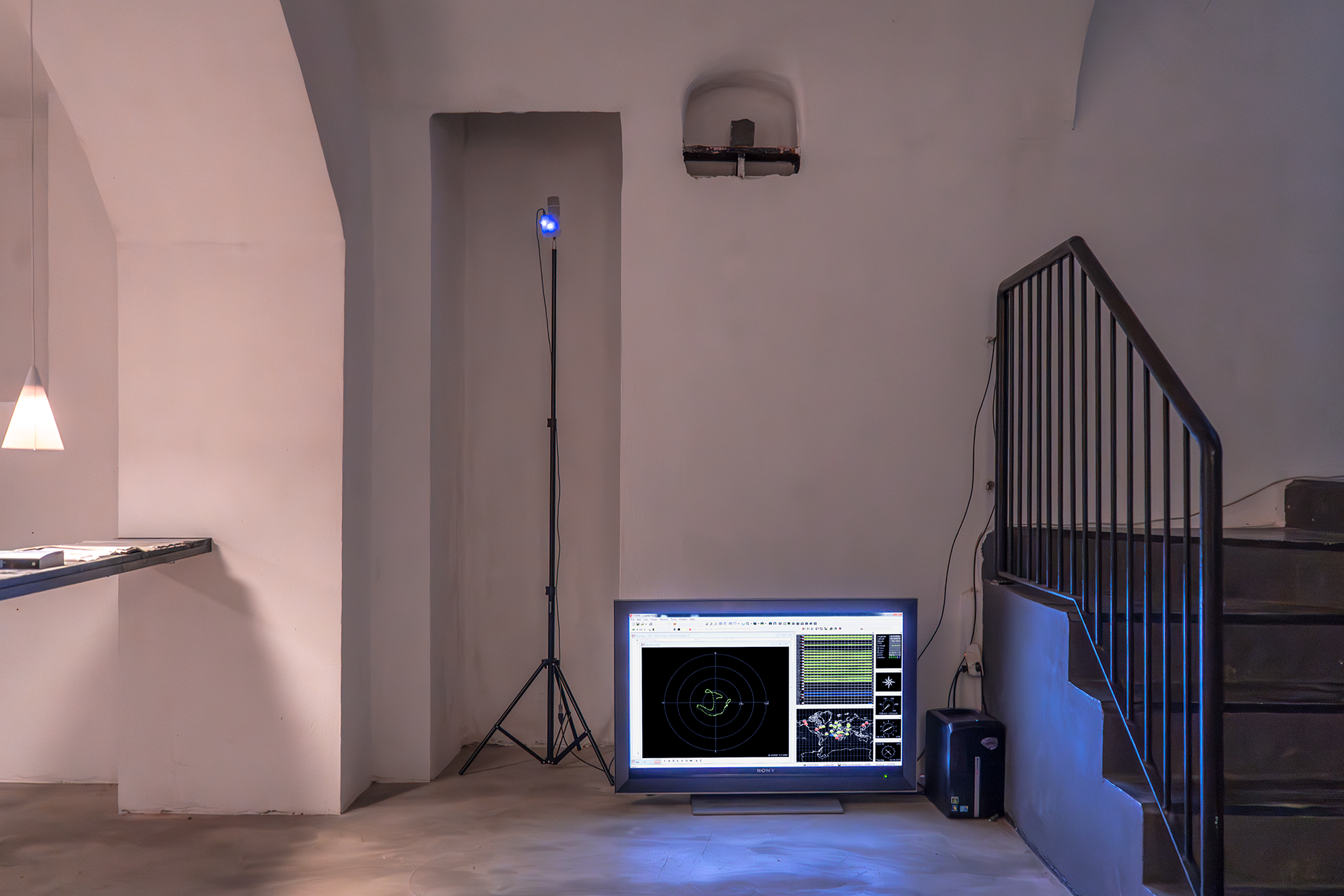
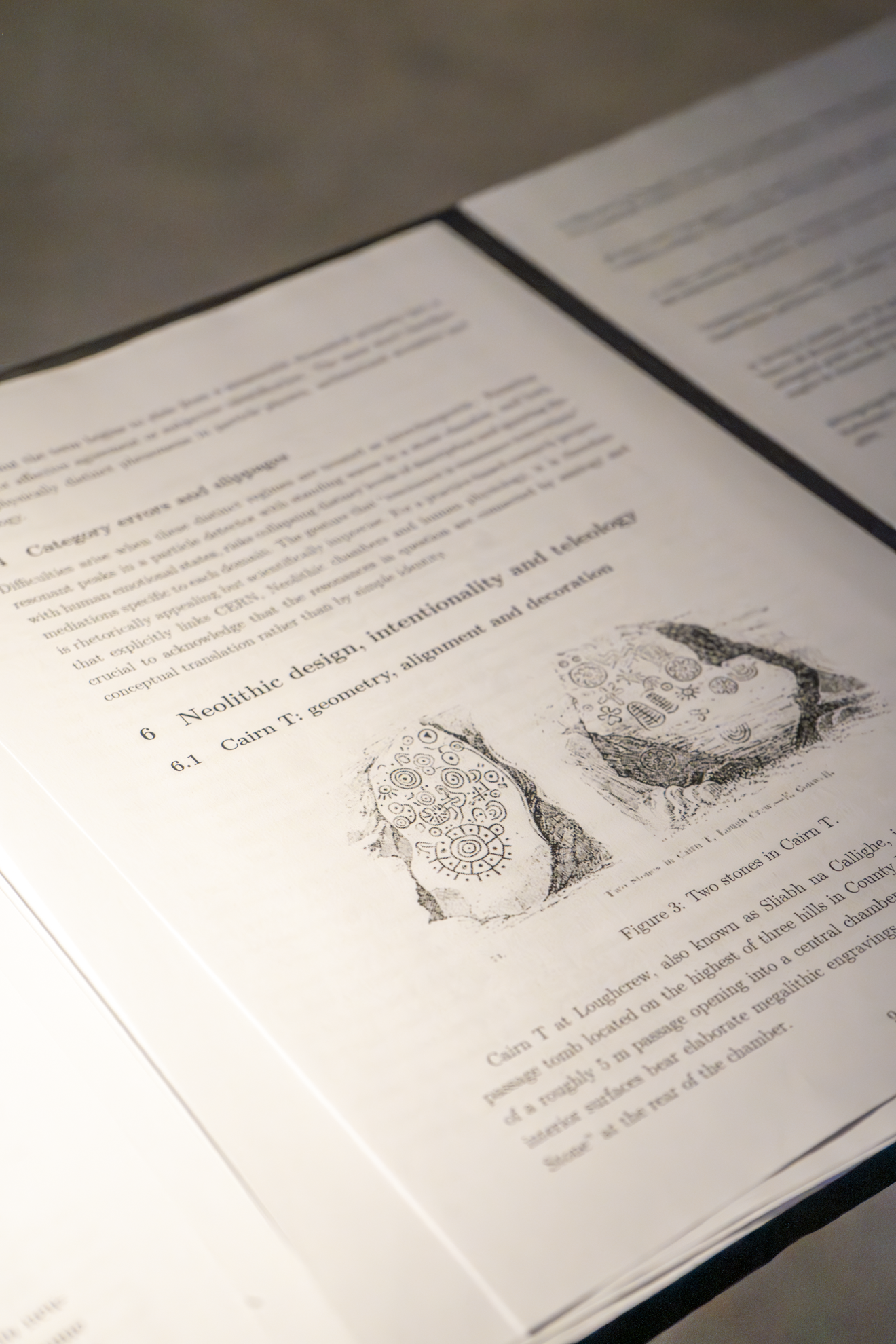
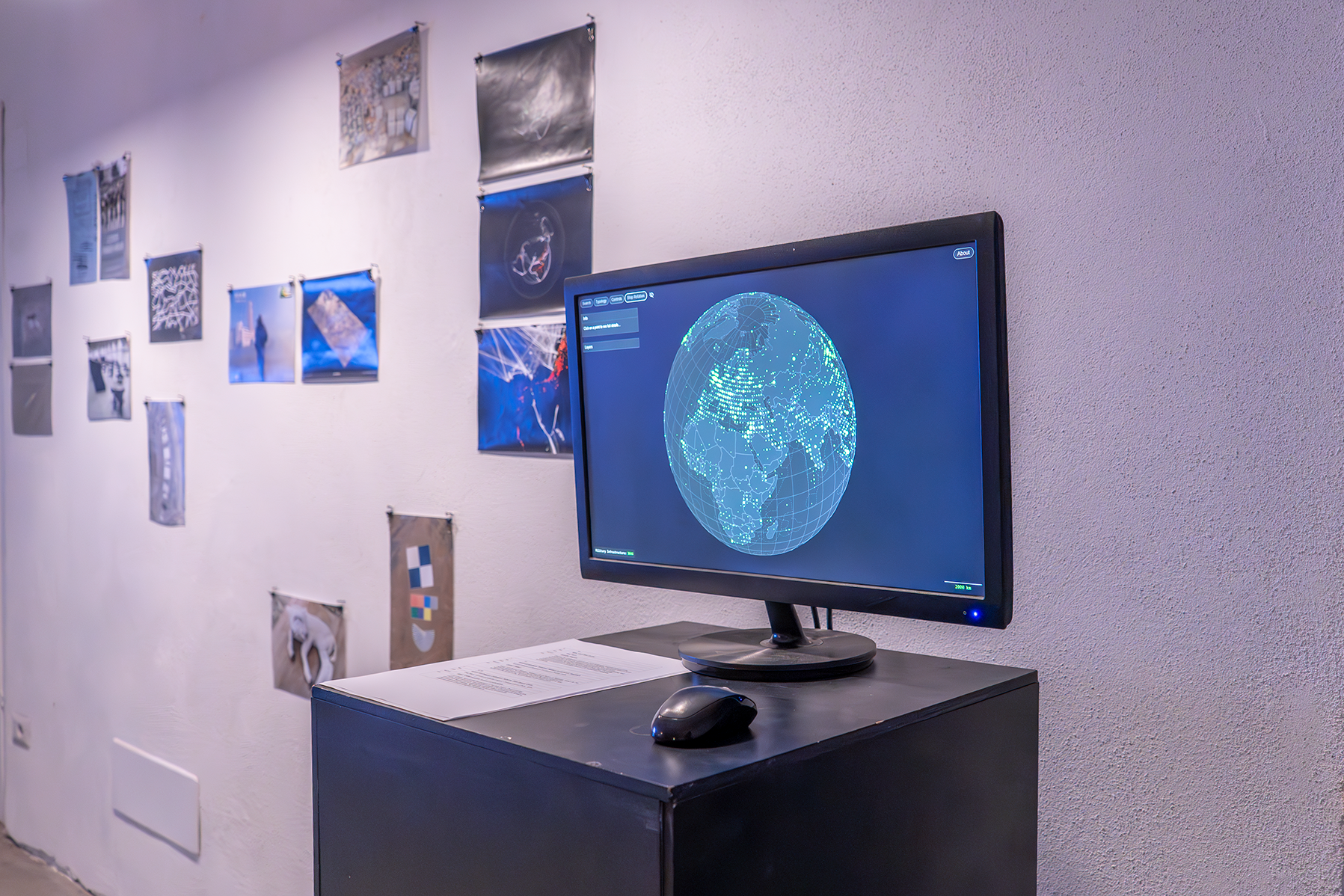
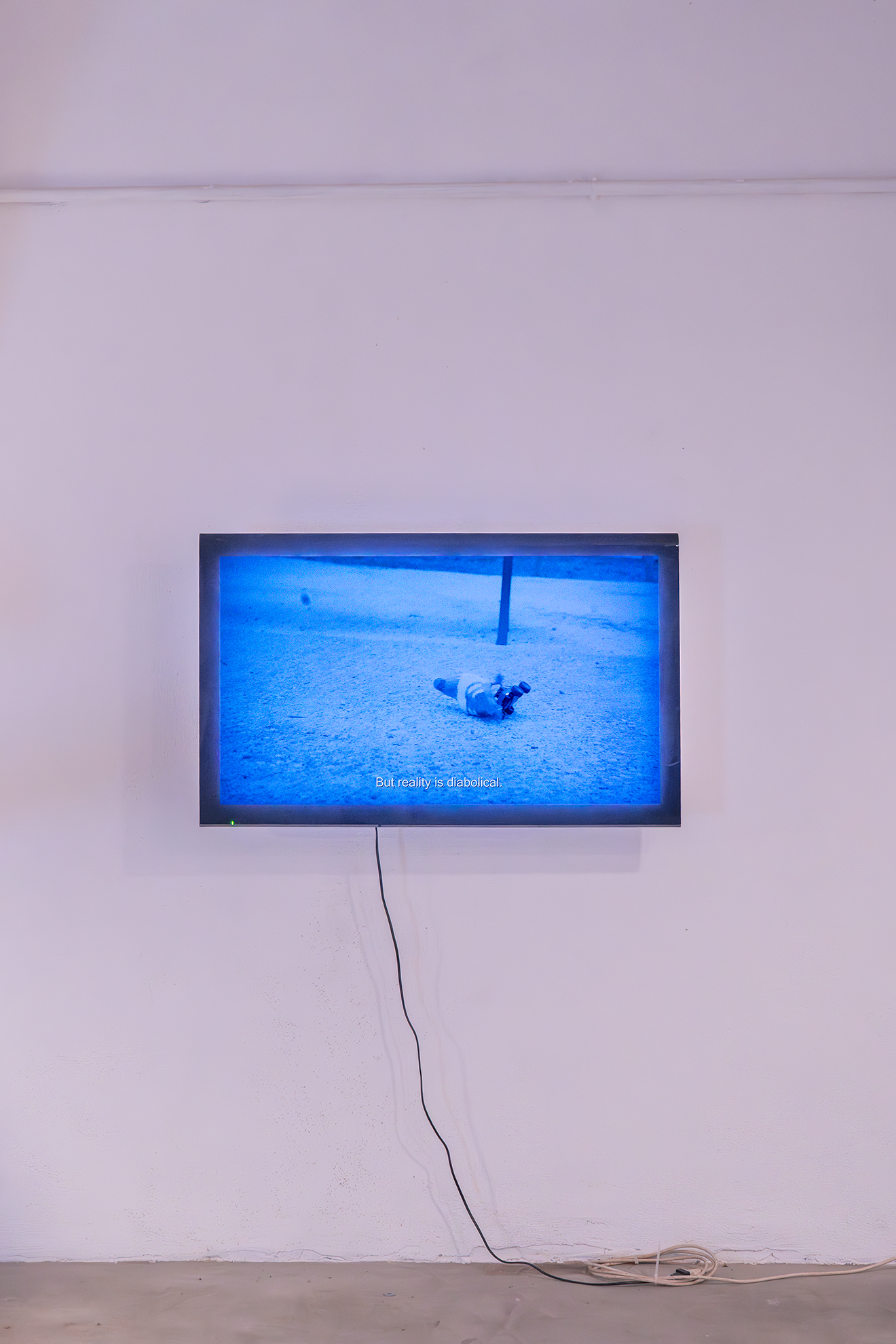
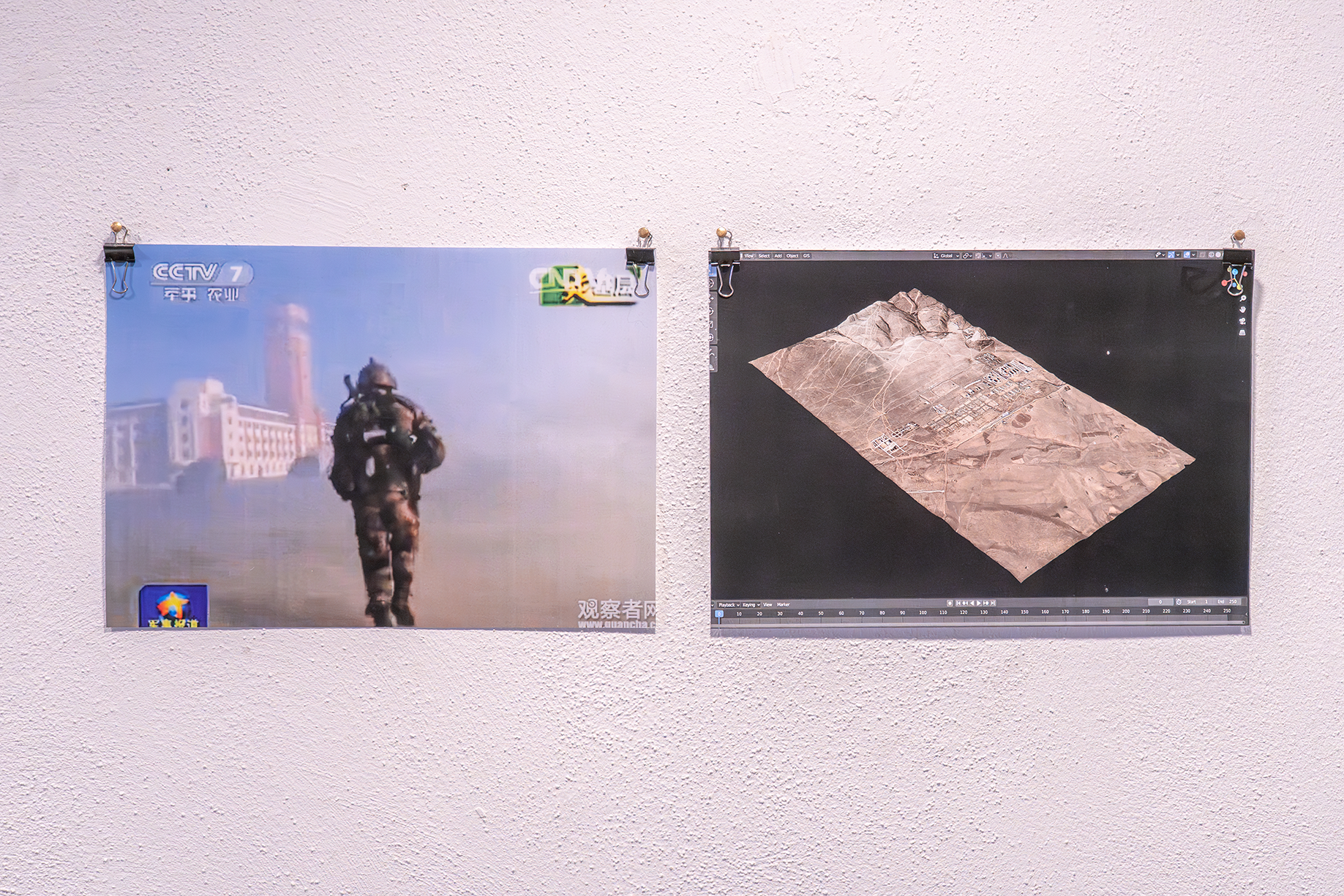
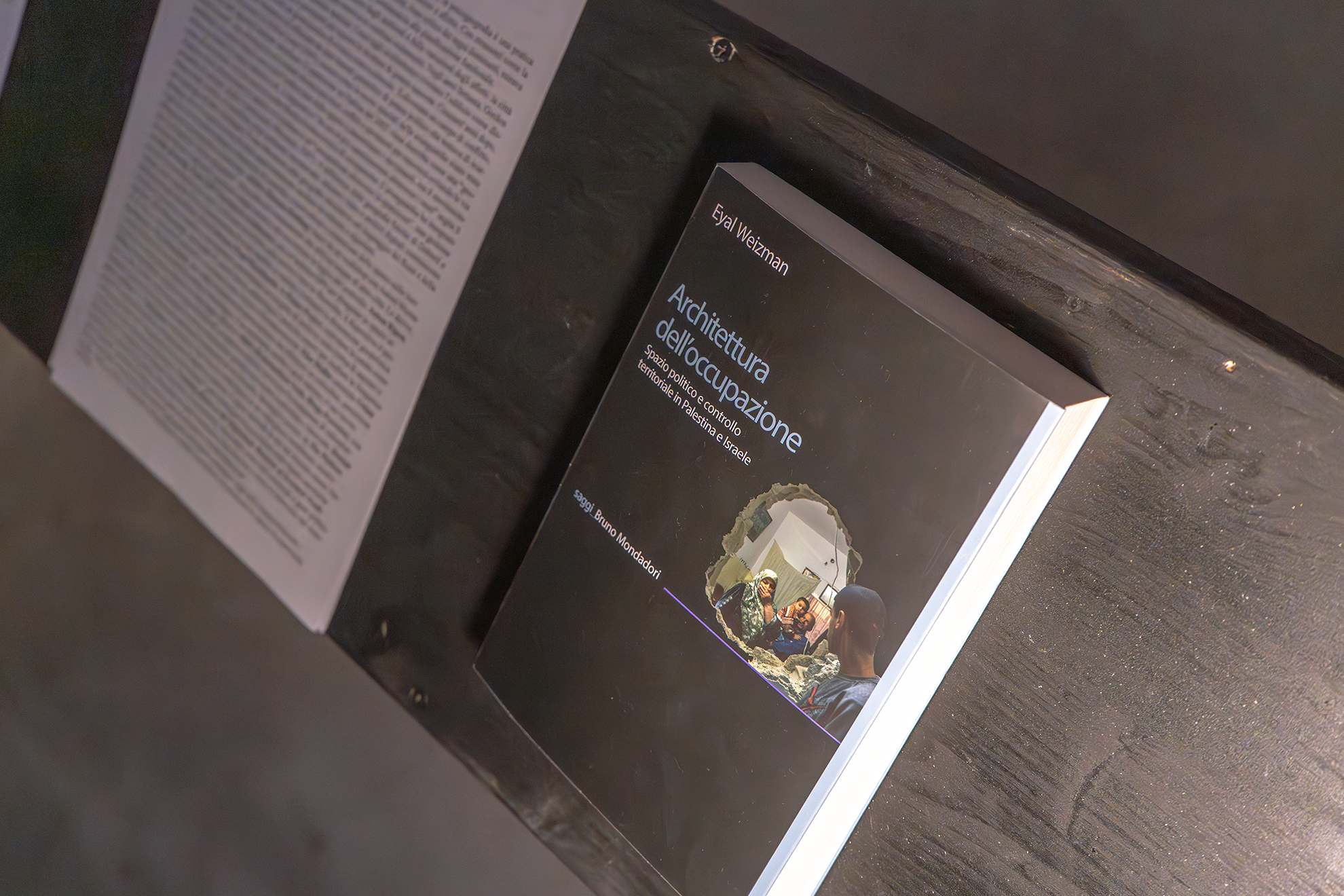
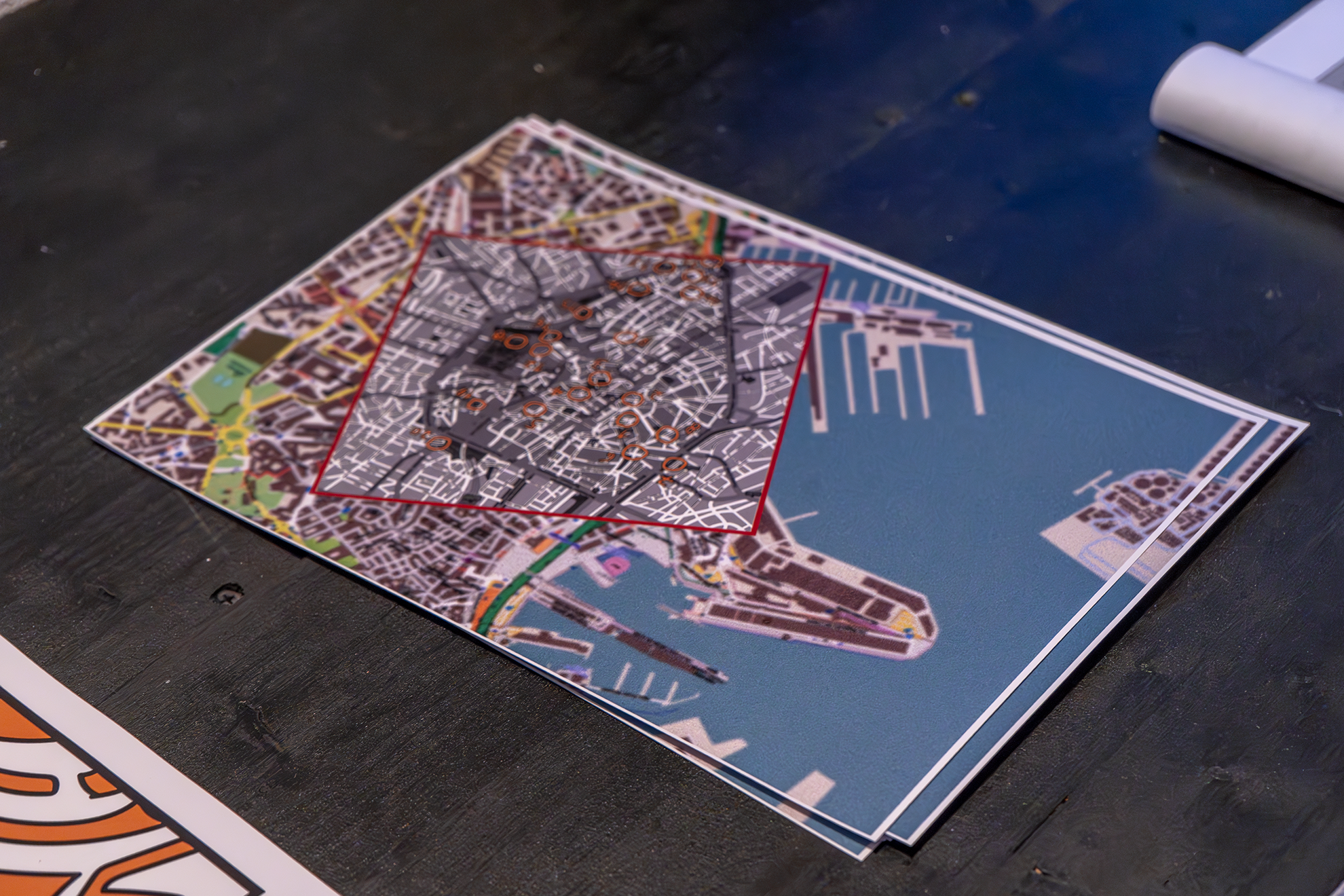
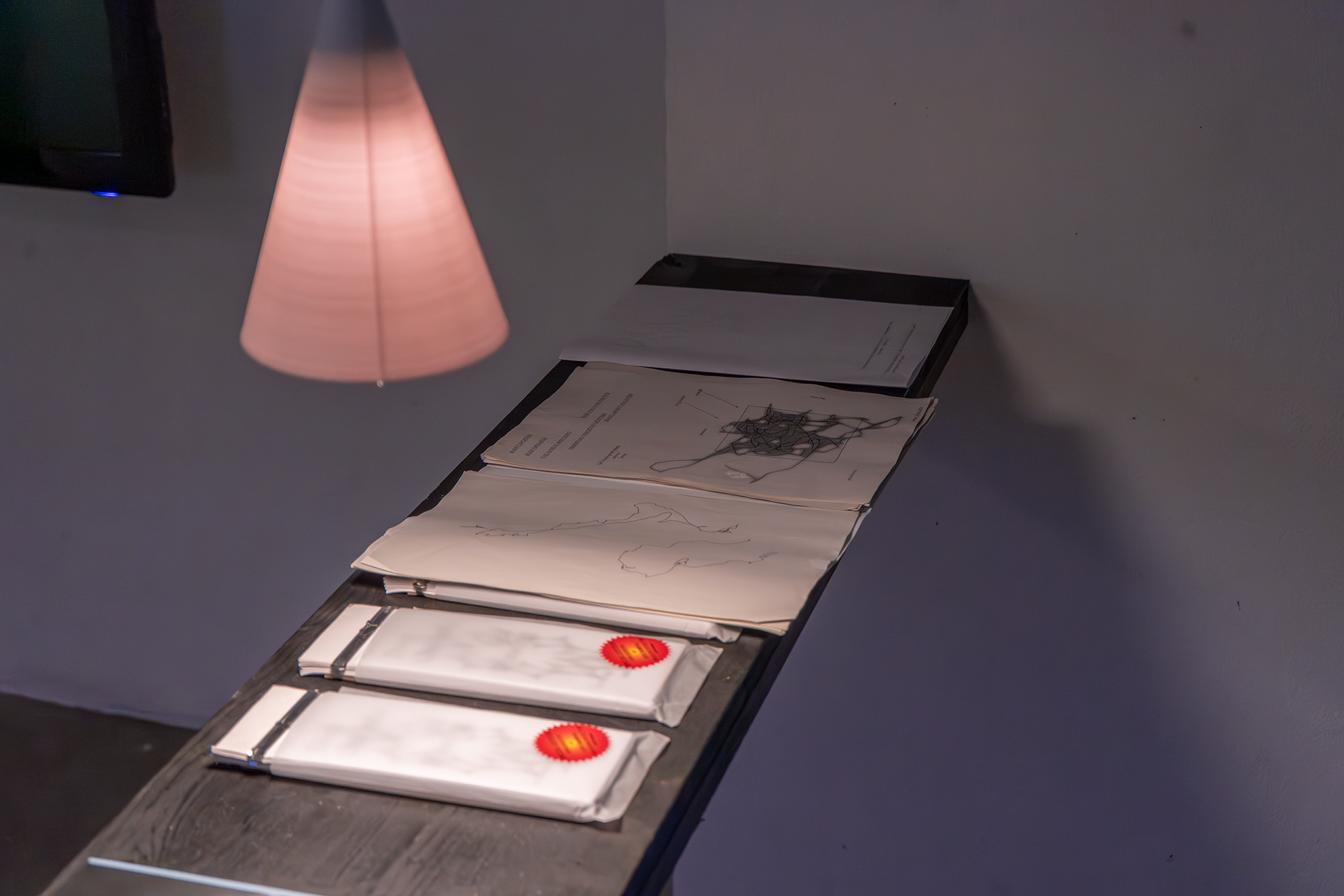

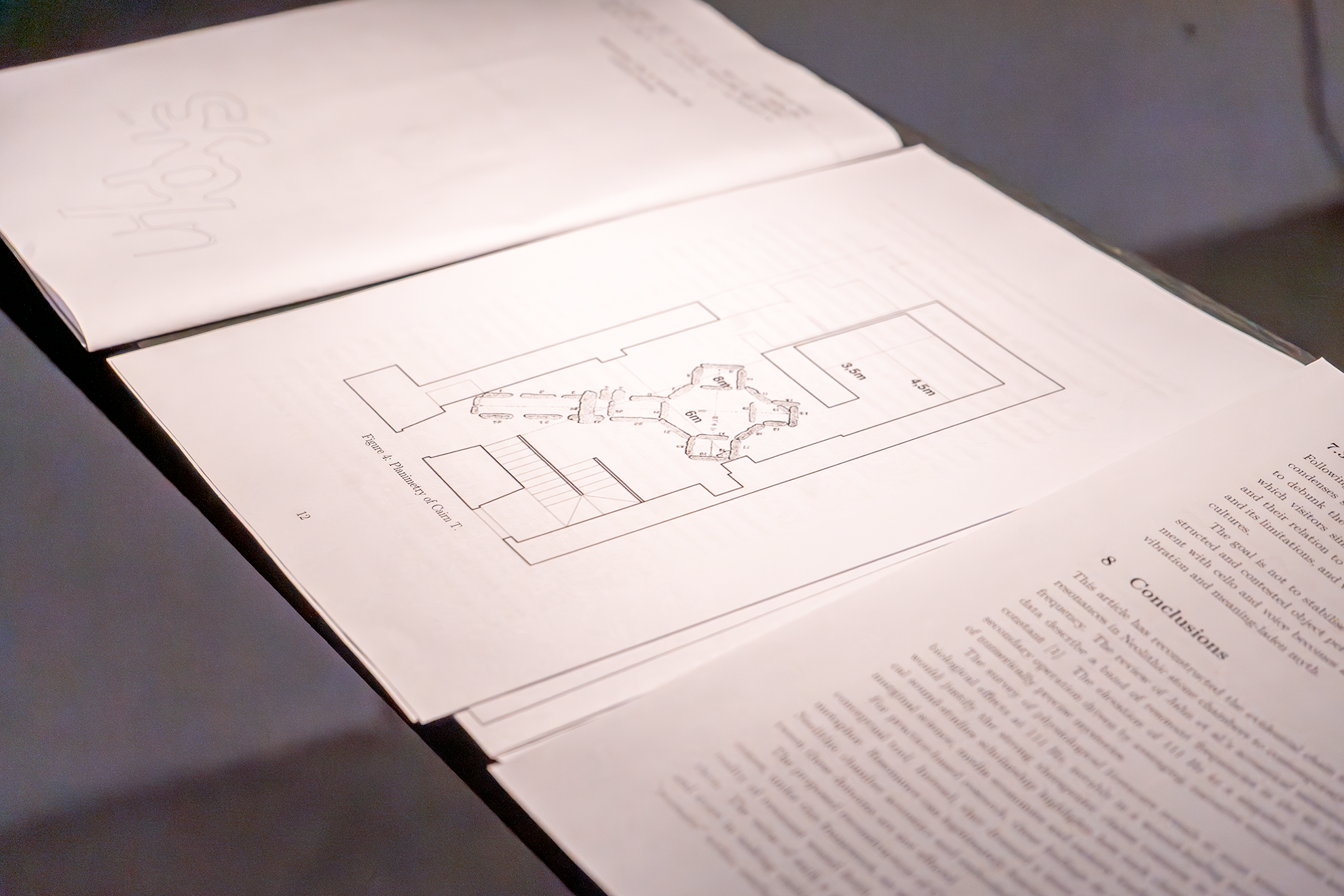
What is psychogeography? Born in the 1950s within Guy Debord’s Situationist International, psychogeography is an aesthetic and political practice that explores the relationship between urban space, behavior, and affect. Through methods such as the dérive, a walk guided by perceptual stimuli, and the détournement, the critical reuse of dominant signs, it sought to restore to the city a collective and sensorial dimension, freeing it from functional planning. For Debord (1956), the dérive means allowing oneself to be guided by environments and fluctuations of affect: the city thus becomes a field of experiences, an emotional map in constant transformation. In the 1970s, Gordon Matta-Clark translated these principles into spatial practice. His architectural cuts reveal the building as a political device, dismantling walls and floors to expose hidden power structures. Fifty years later, psychogeography is no longer merely a poetic gesture of countercultural resistance. It has become a f ield of conflict, reabsorbed and used by the same hierarchical systems of political power it once sought to dismantle. Eyal Weizman, in Hollow Land (2007), shows how the spatial theories of the avant-garde were assimilated by the Israeli military apparatus. The 2002 operation in Nablus is described as a “reverse geometry,” a strategy in which soldiers broke through walls, ceilings, and floors to move while avoiding public streets. In this logic, it is no longer the given order of space that determines movement, but movement itself that produces space around it. The imperative “from now on we will walk through walls” marks the point of inversion: what was born as freedom becomes a technique of occupation. The avant-garde taught power how to deconstruct space, and the result is an “occupation through disappearance,” an invisible management of access, thresholds, and perception (Weizman, 2007). Unlike the physical geographies of Debord or Matta-Clark, u-/dys- manifests as an immaterial environment: screens, videos, and digital archives construct a topology of data and images. It reflects on alternative geographies expressed through flows and distance, where space itself becomes a representation mediated by screens and algorithms. Each work in the exhibition investigates the dynamics of control, observation, and spatial construction in their technological and symbolic dimensions. ASMA (Moreno Hebling) originates from a workshop with Antoni Muntadas and develops “schizo-geography”: a practice of orientation using maps of other cities. The dérives, between local history and agit-prop, generate emotional mappings that subvert the logic of control. Anton Ripon, with Site Drawing. From GPS Tracking to Architecture, uses a GPS antenna to draw space through bodily movement. Used by ASMA in the Genova–Brussels dérive, the device is presented as a 3D print and live visualization of satellites in transit, revealing the geopolitical layer embedded in everyday technology. Eva Pedroza and Paul Wiersbinski, in Potato Project, explore the potato as a symbol of memory, exchange, and colonialism, presenting an archival project in the form of notes and sketches. Pól McLernon, with Cairn T, merges physics, archaeology, and sound practices to study the frequency of 111 Hz and its perceptual effects, exhibited as both research and documentation. Elsa Muller presents Urban Sad Stories and Fly Intransitive, two interconnected video installations that reflect on solitude, perception, and the blurred boundaries between human and technological sensibilities. Through subtle humor and minimal gestures, her work transforms digital observation into an affective language. HRO (Konstantinos Venis, Diogo Ferreira), with Military Everywhere, examines the pervasiveness of the military complex through the mapping of infrastructures and choke points, strategic nodes where global circulation can be monitored or interrupted. Dorian Geneste presents two works that explore the intersections of philosophy, ideology, and power. In The Philosopher’s Tekken 2 – Vidéogame, Aristotle and Sun Tzu confront each other in a modified video game, transforming combat into an allegory of knowledge and authority. The work draws on Chinese scholar Jim Cairong’s claim that “Aristotle never existed,” questioning the persistence of Western canonical figures as instruments of domination. Crushing Béarn or the Diplomatic Relation of Invented Tradition continues this investigation through archival footage and animation, tracing how national myths and political gestures reproduce the aesthetics of power revealing how fiction and history intertwine in sustaining both authority and reinterpretation. Taken together, the exhibition reveals how alternative geographies emerge today through representation: maps, videos, archives, and devices that make the invisible visible and transform space into mediated experience.