


Unos pocos buenos amigos
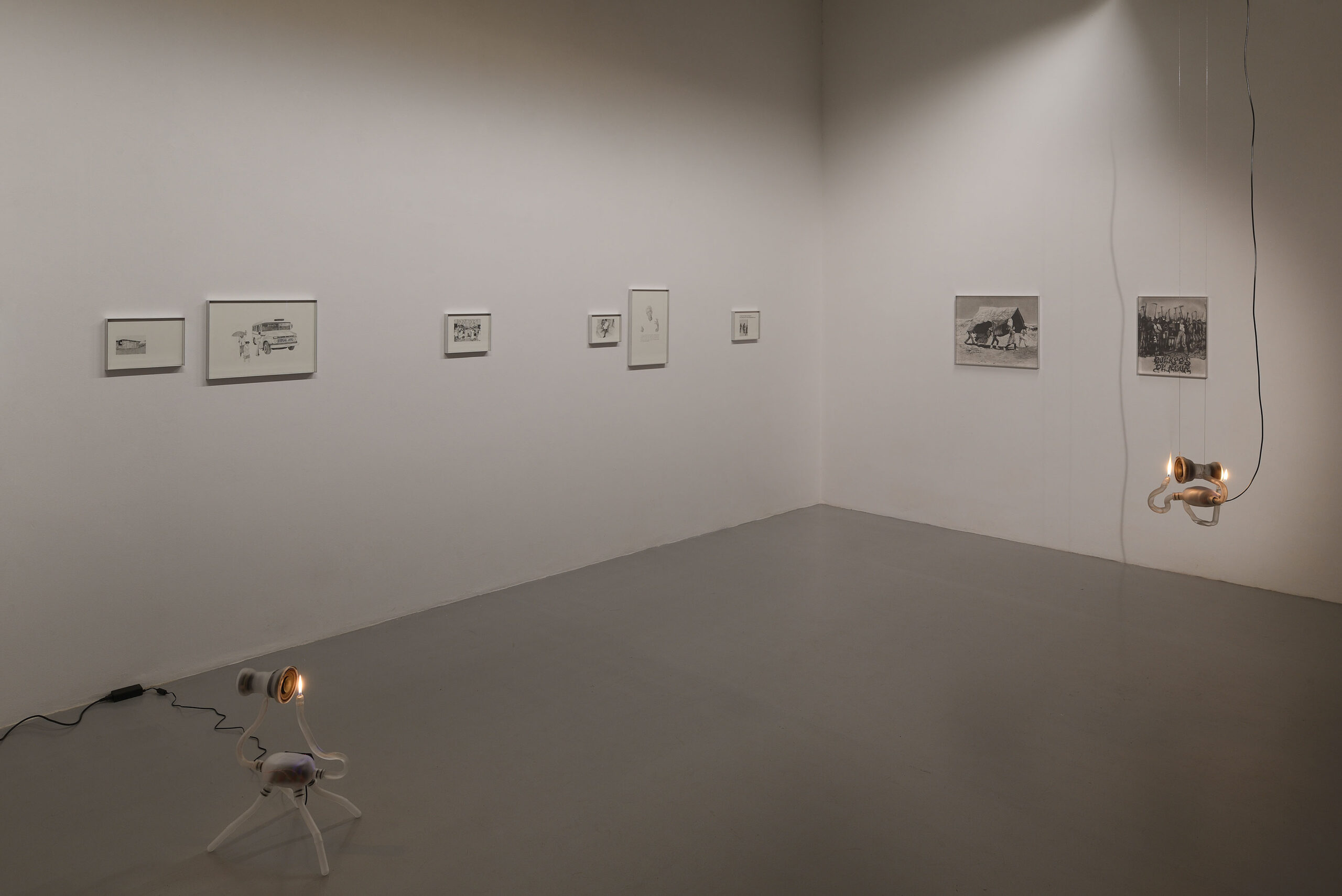
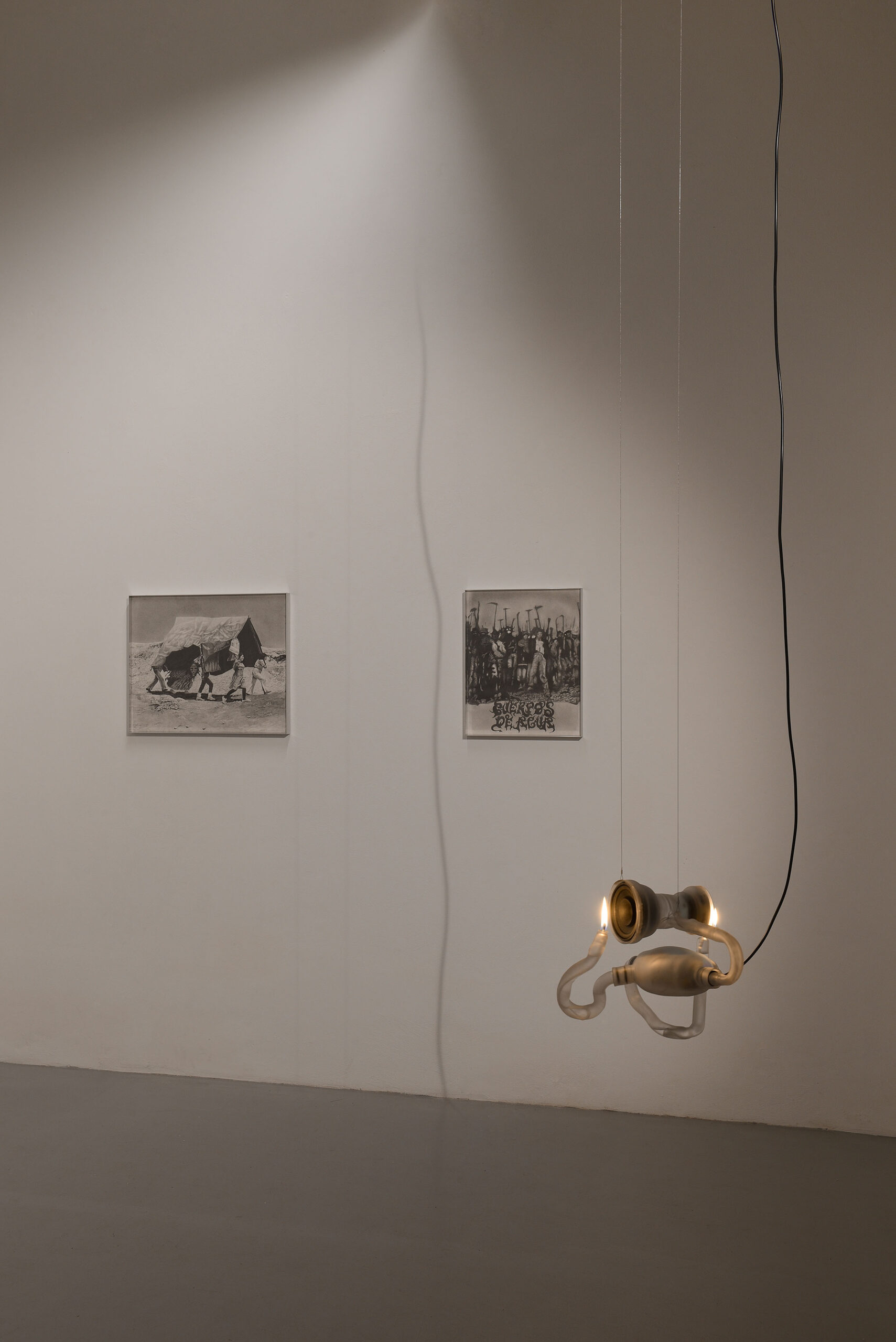
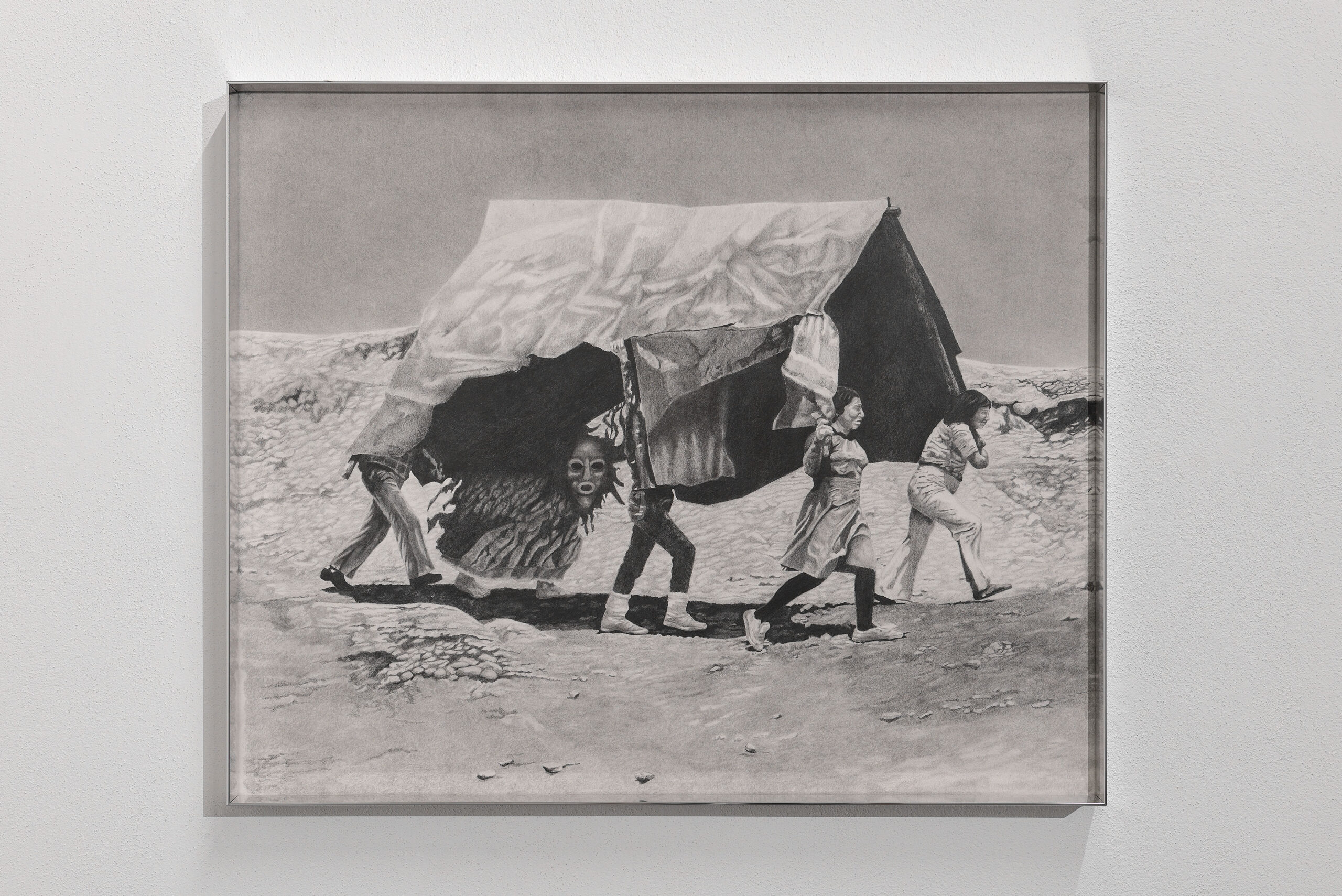
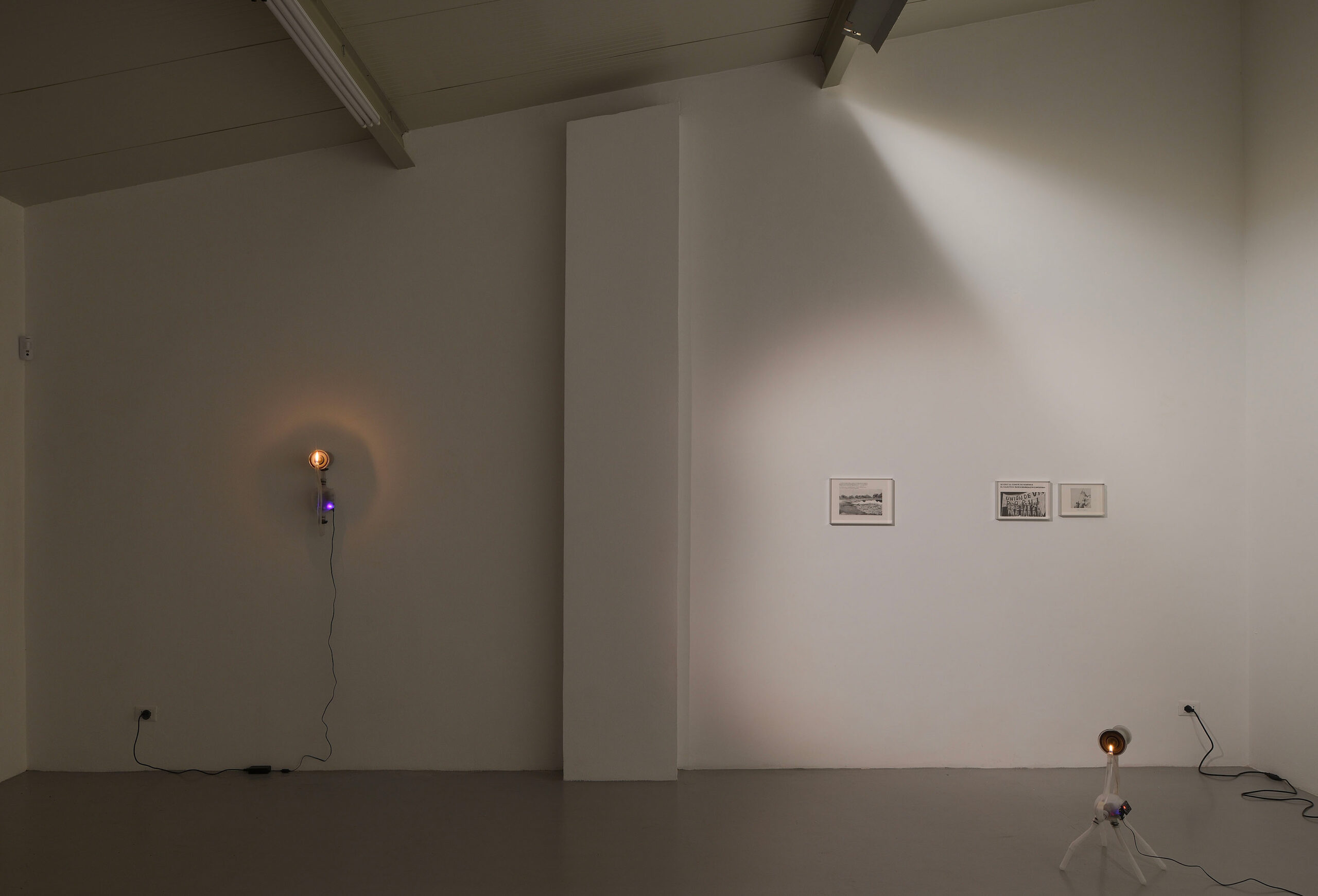

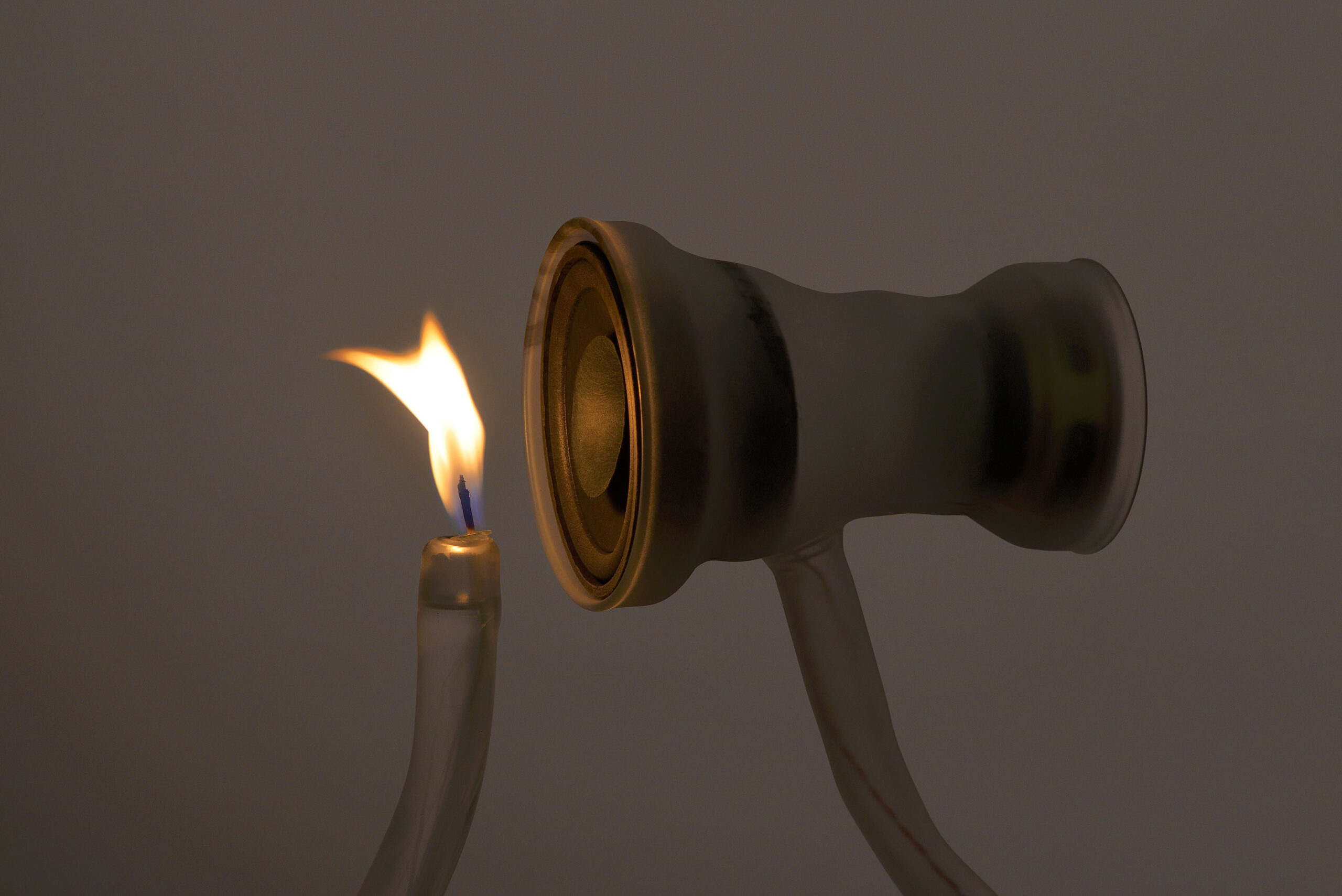
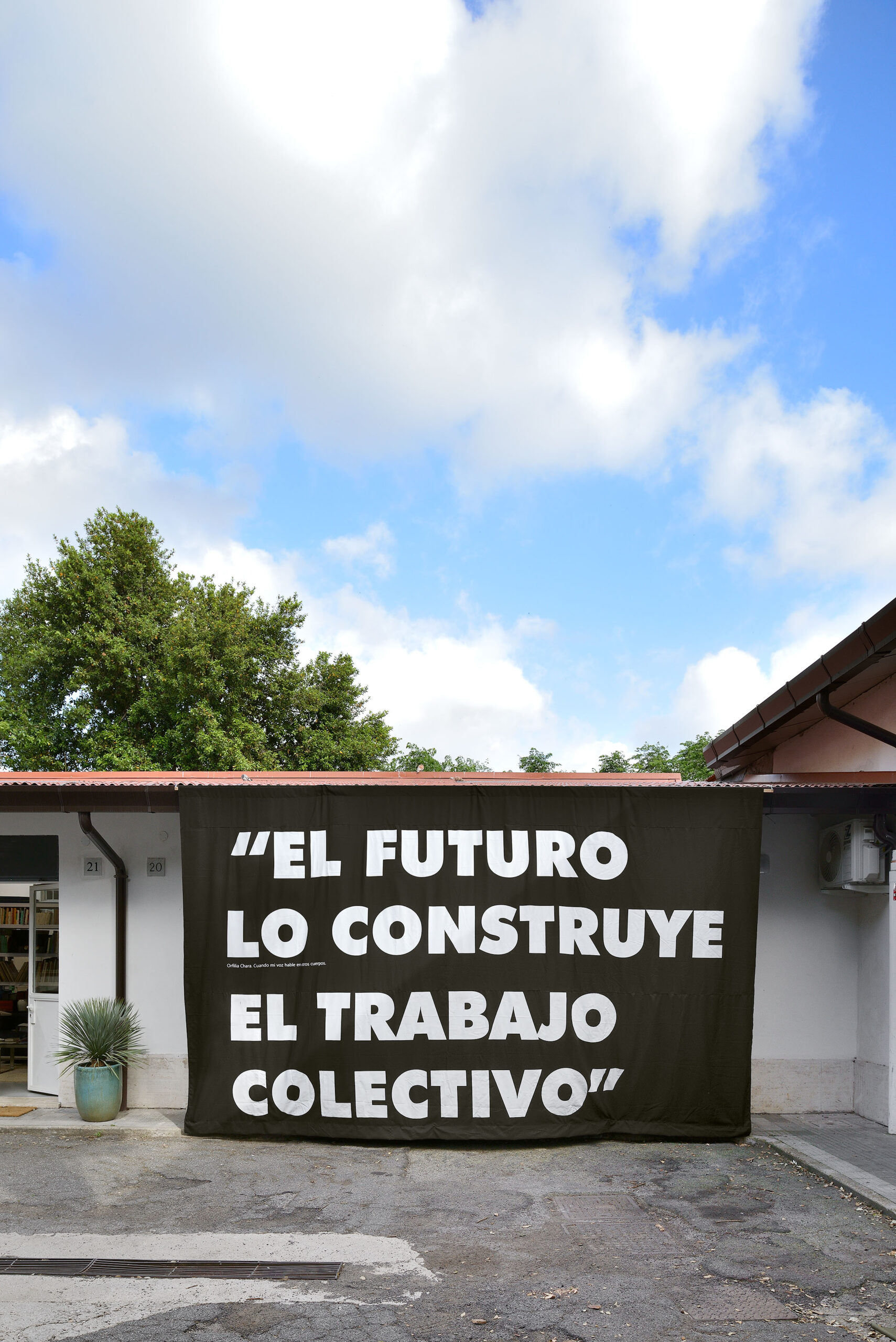
Unos pocos buenos amigos is a new show by María Leguízamo (Bogotá, 1988) and Gerson Vargas (Cali, 1990), curated by Vasco Forconi (Rome, 1991).
The title si inspired by the documentary of the same name by Luis Ospina (Cali, 1949 – Bogotá, 2019), which recounts the life and work of Colombian writer Andrés Caicedo through the testimonies of his artist friends, emerged from a series of conversations and travels undertaken by Vasco Forconi across Latin America during 2025.
The project aims to place friendship at the center of discourse as a fundamental site of political and imaginative articulation, a space of care, and a method of collective learning and research.
Always seeking the porous and permeable boundaries between objects, people, phenomena, and places, María Leguízamo’s practice is dedicated to finding surprise: that which has the potential to shatter the predictable and the resigned. This is why she enjoys working with elemental materials such as water, fire, and voice. Strategies such as erosion and corrosion have allowed her to understand that radical transformations can go unnoticed, yet still be monumental. Thus, most of her works are exercises in infiltration and erosion, functioning as actions that point out the flaws in the edifice that contains us.
Gerson Vargas’s work focuses on drawing and graphic production, exploring the archive, but above all, orality as a site of knowledge related to found images. It addresses themes such as community, territory, and memory, with a particular interest in understanding personal narratives as guiding principles of spiritual and political identity and ways of being—especially those of social movements involved in processes of territorialization in Cali, Colombia. In this sense, drawing can function both as a document and as an installation, at times intersecting with chronicles, visual narration, and other media. His work draws on the reconstruction of testimonies, photographs, and video to create projects. Likewise, he has been reflecting on visual historiography and its allegorical capacity as a field of discussion, as well as on spaces of enunciation for images of unofficial history.