


Manuel d’exposition
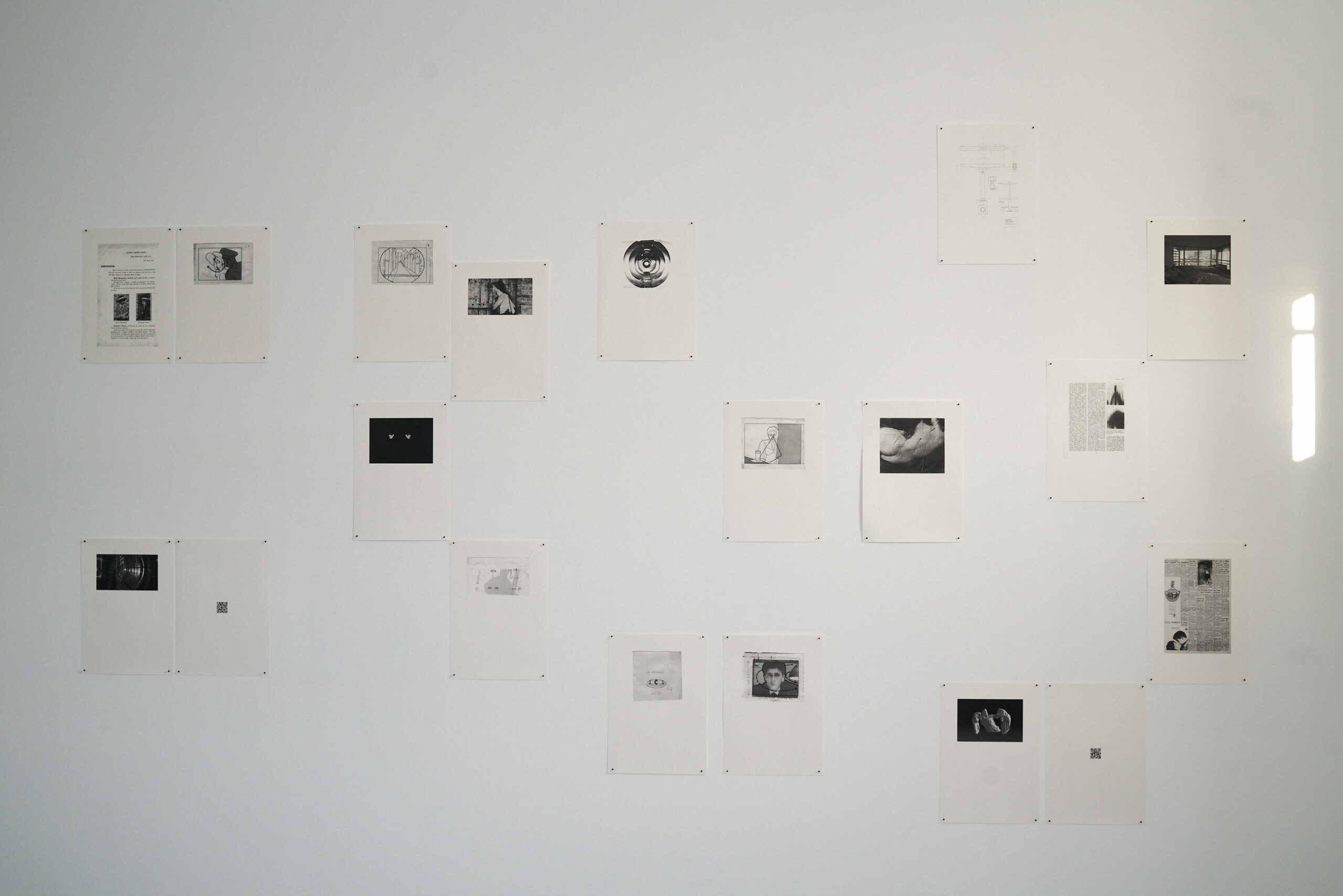
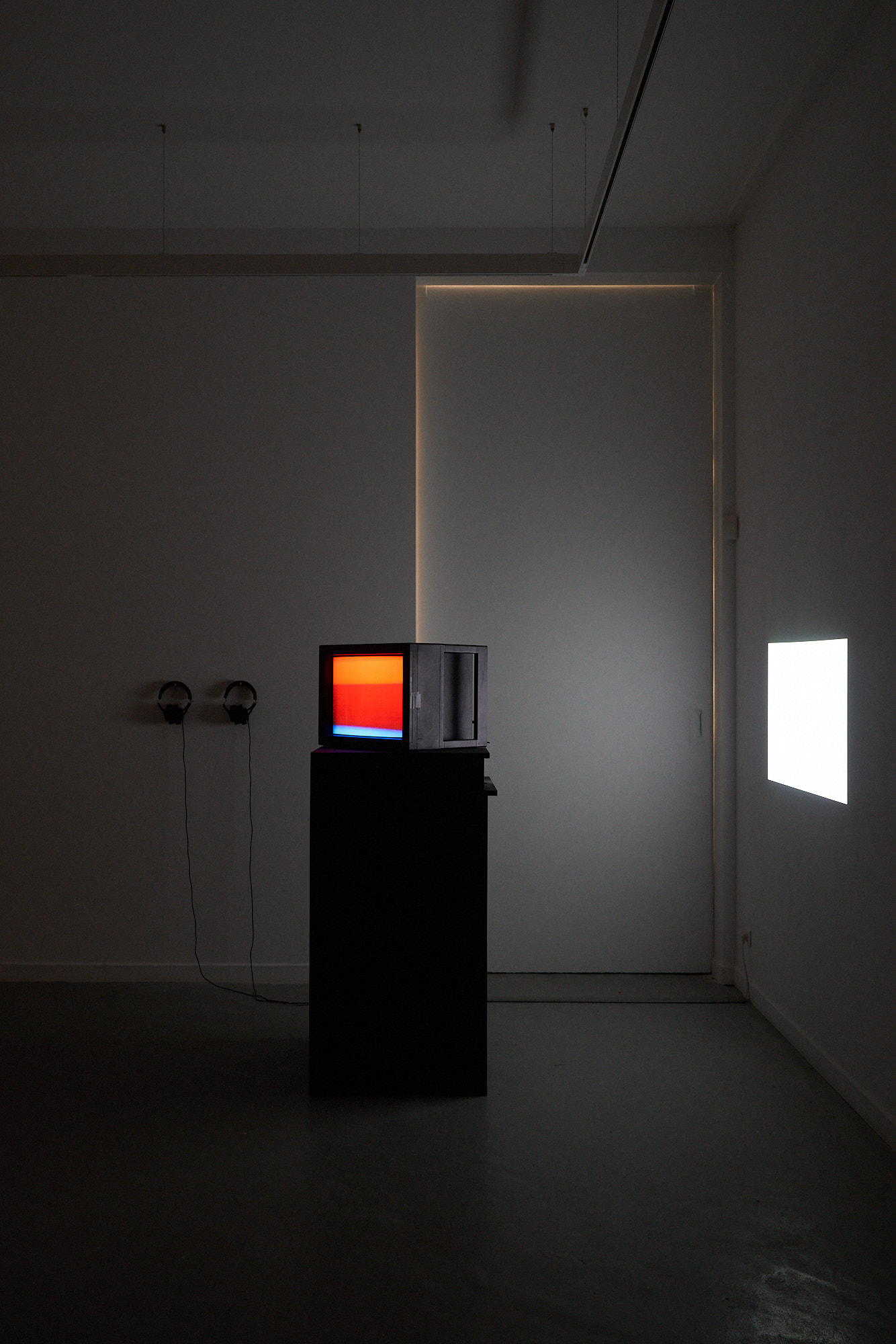
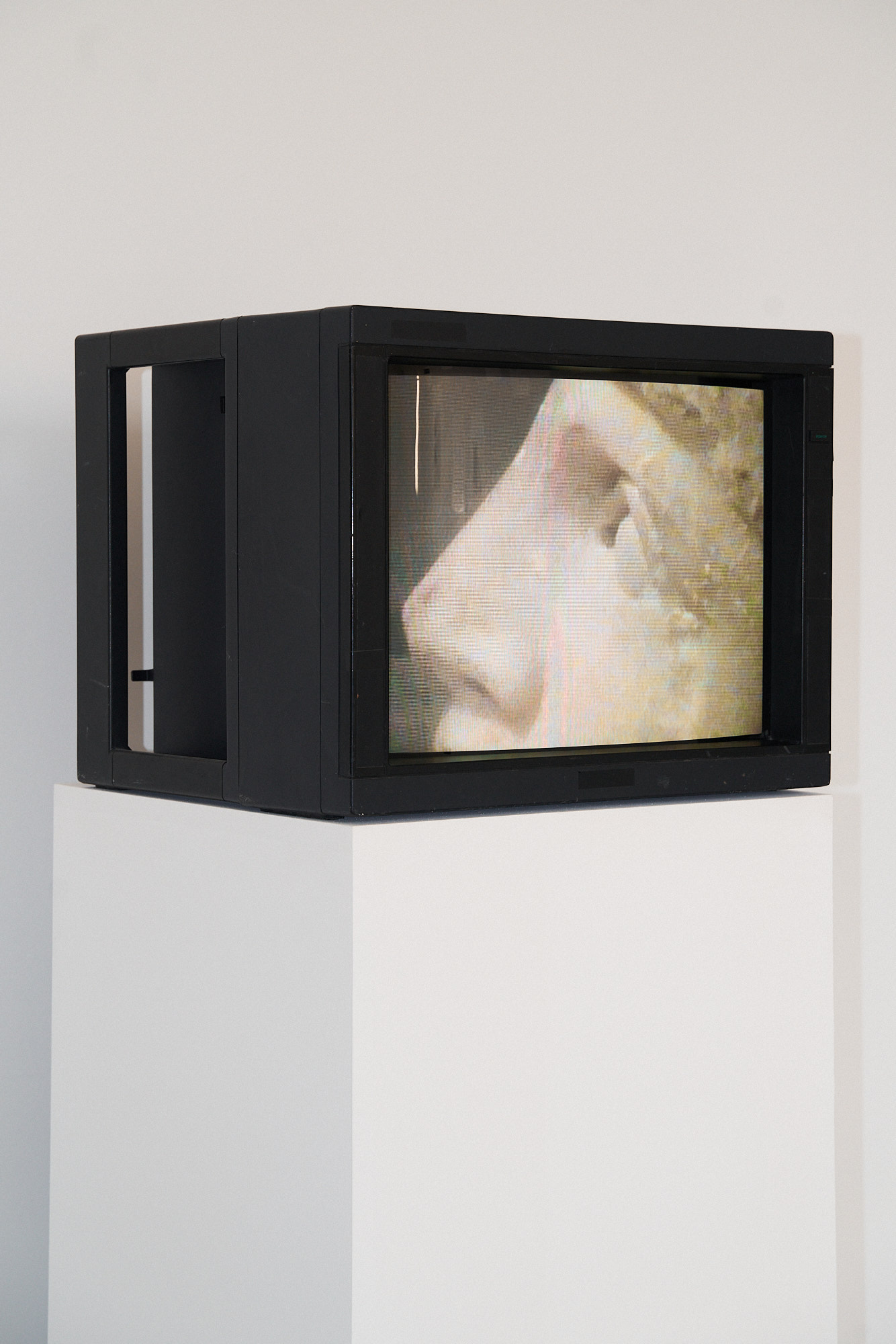
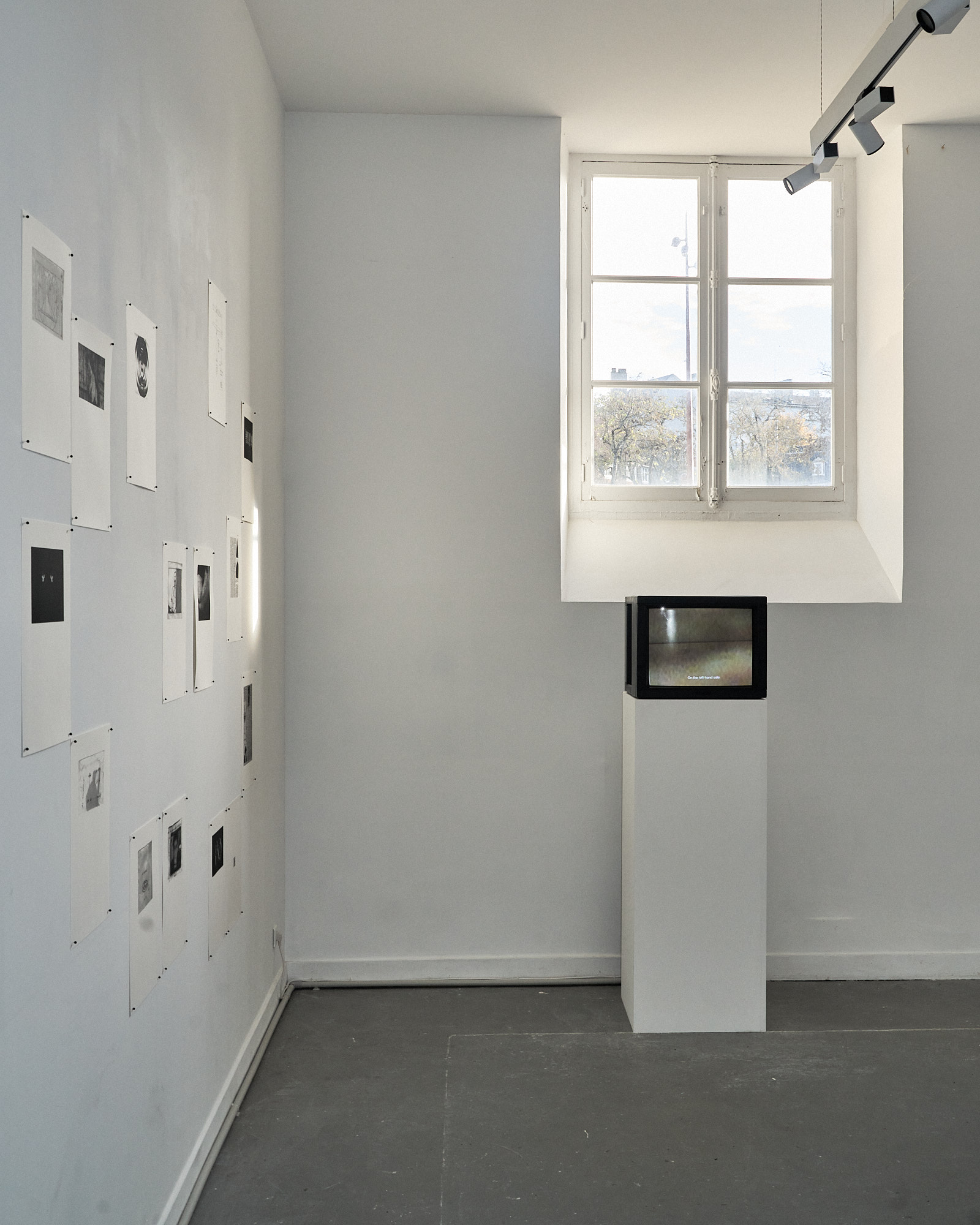
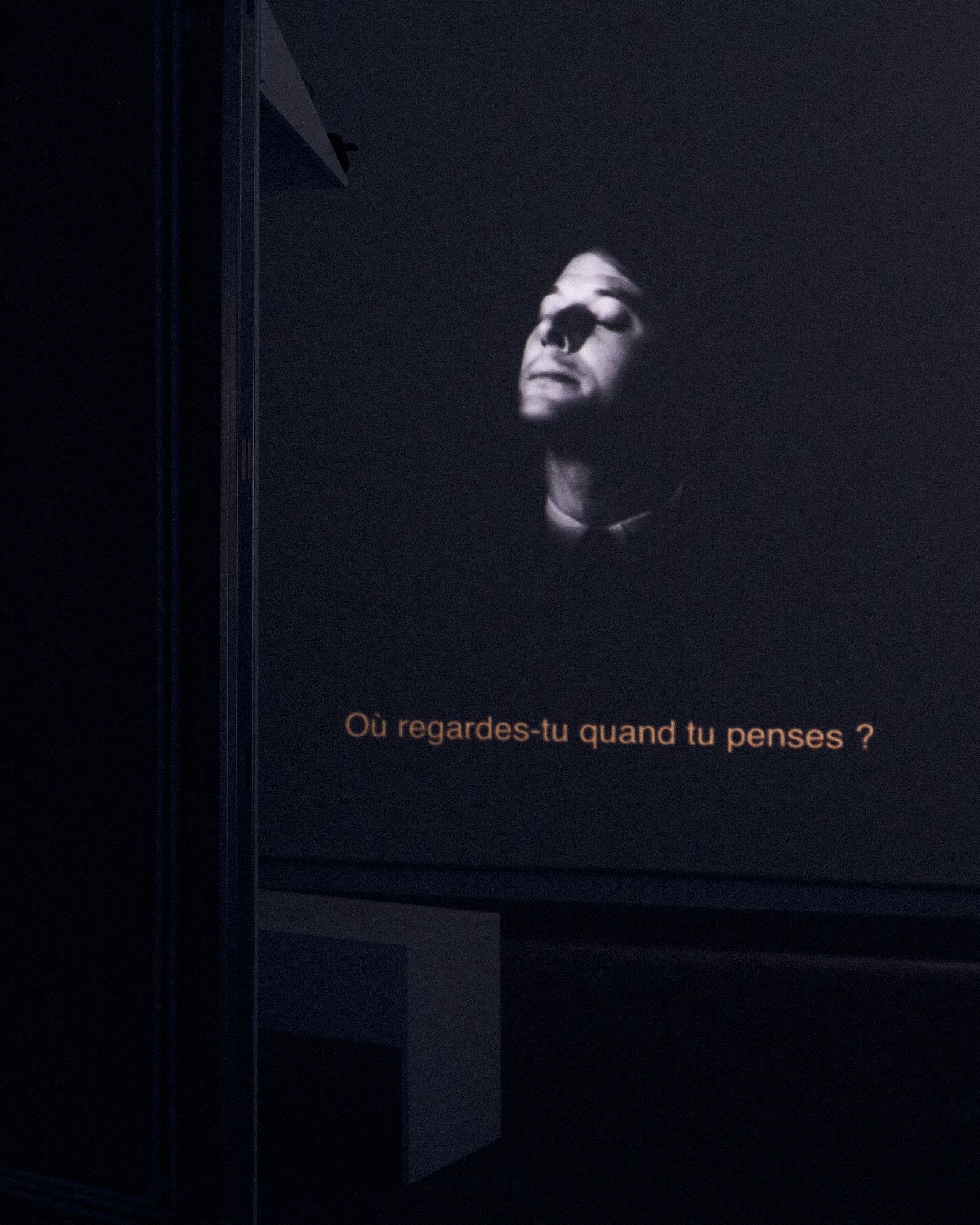
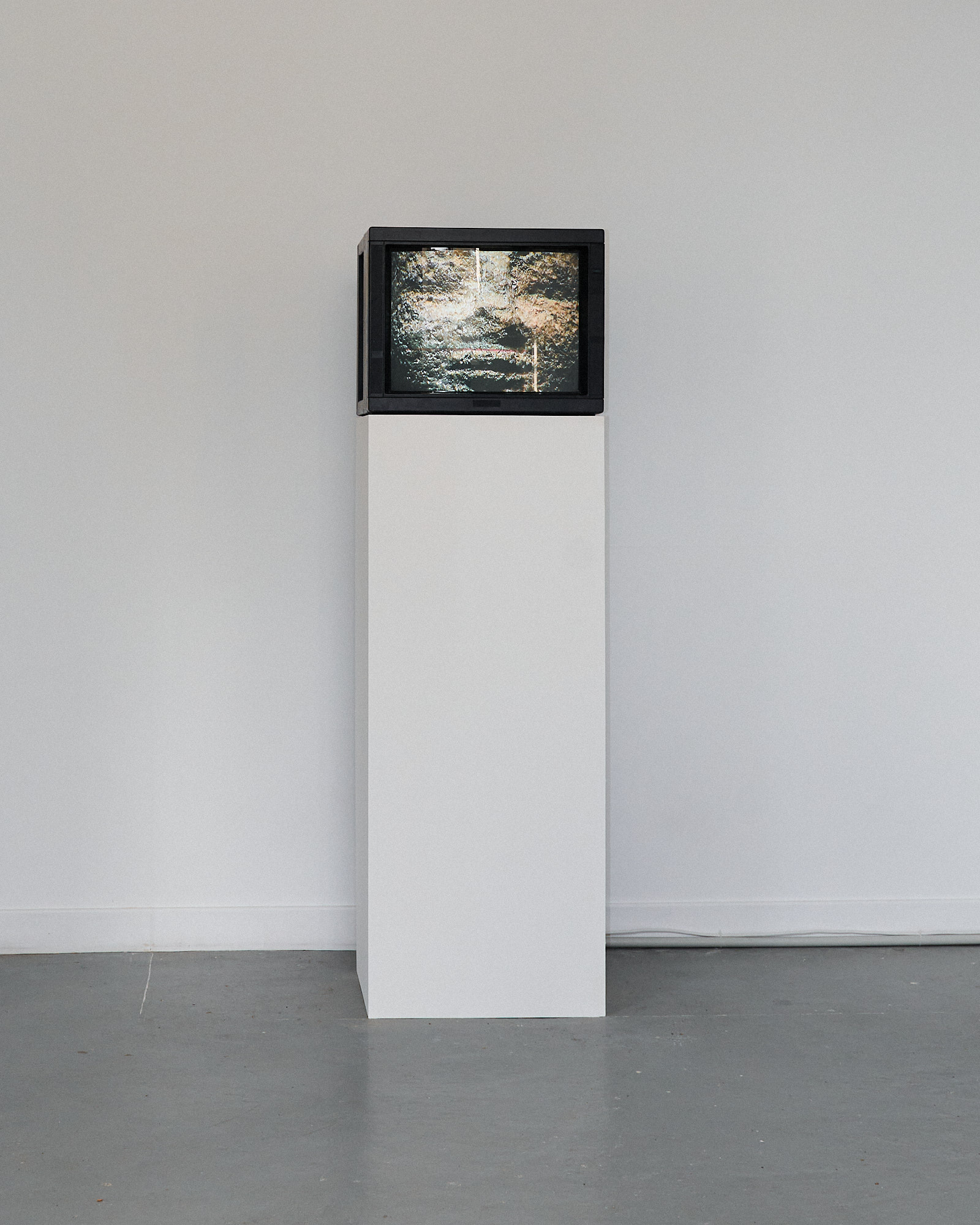
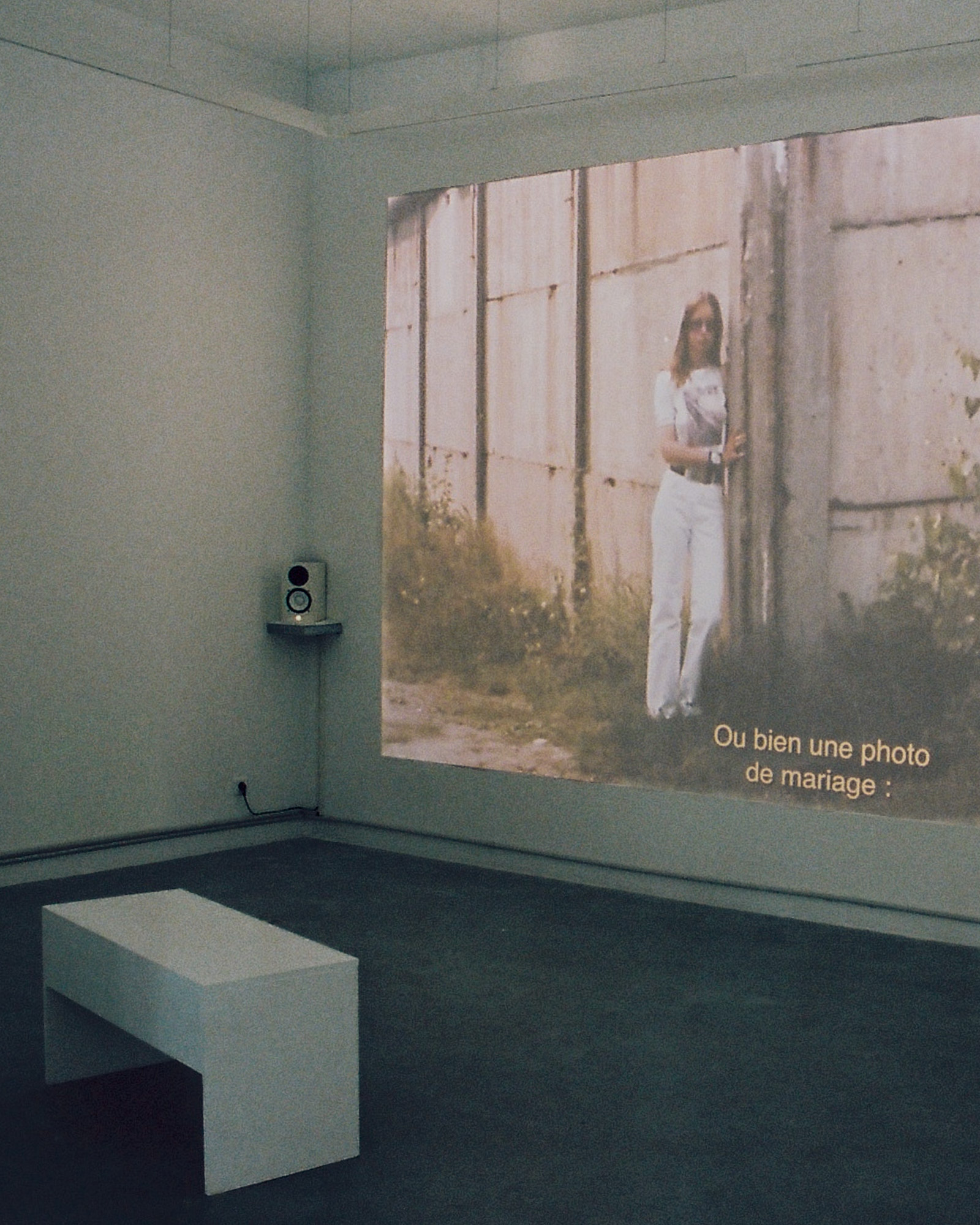
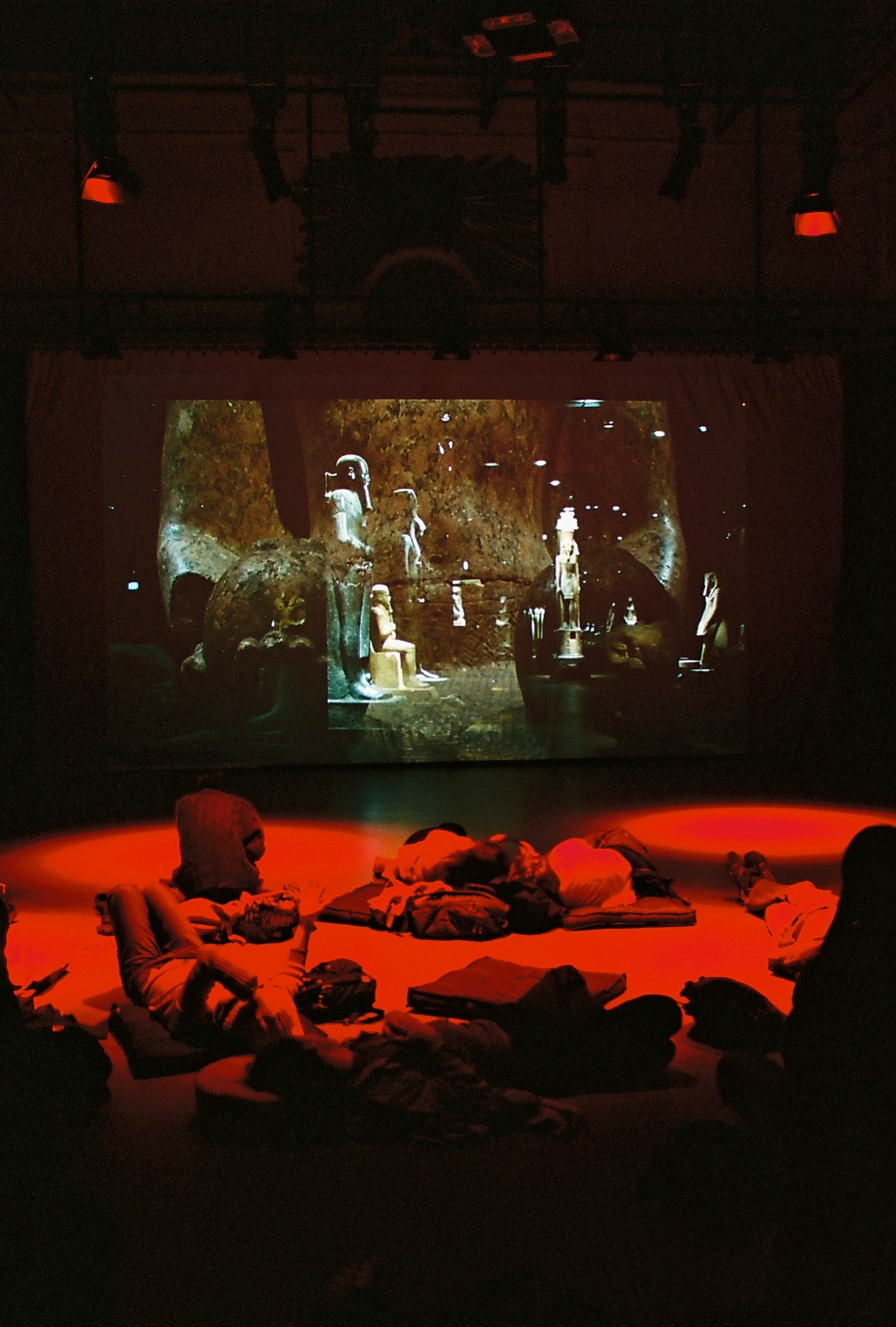
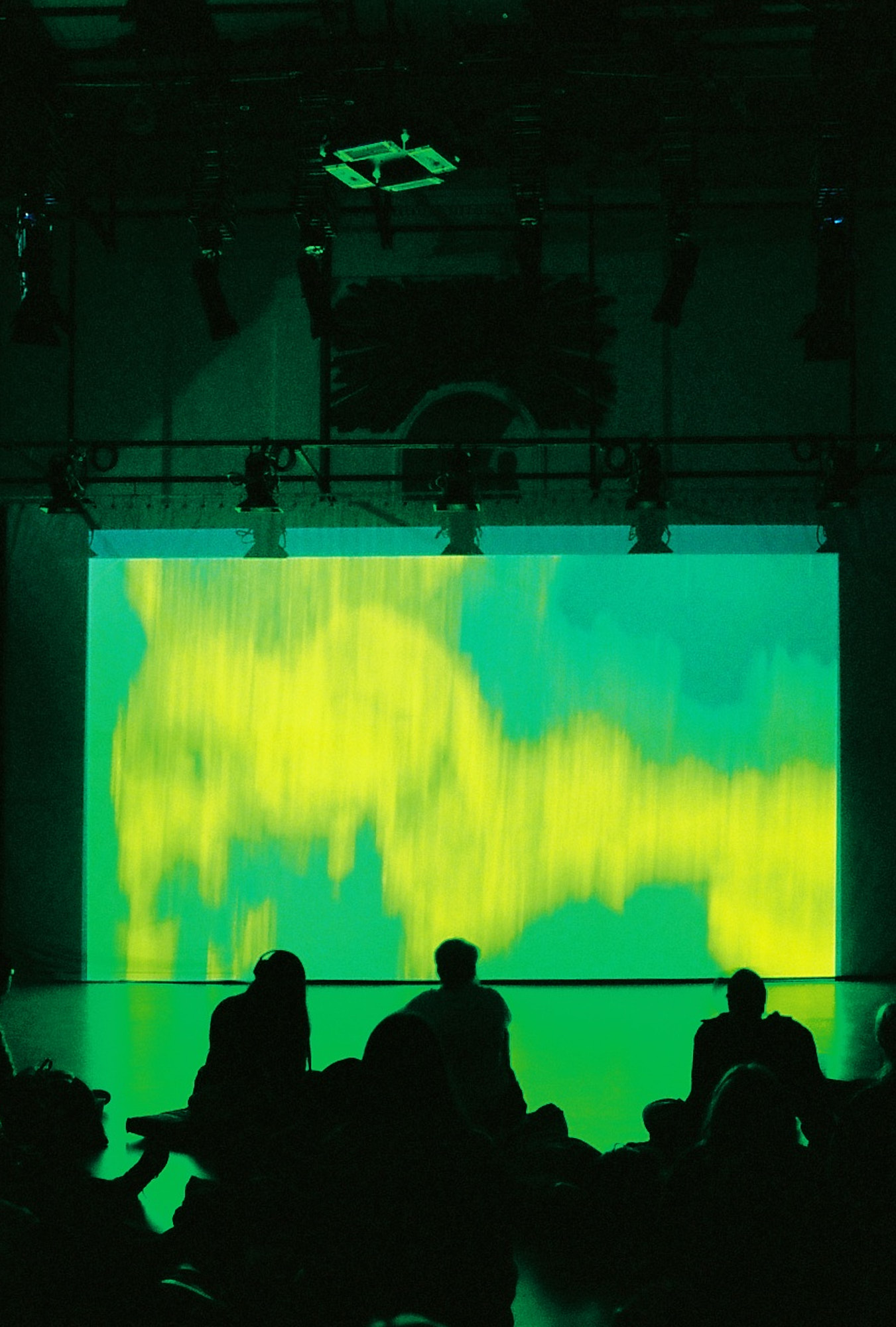
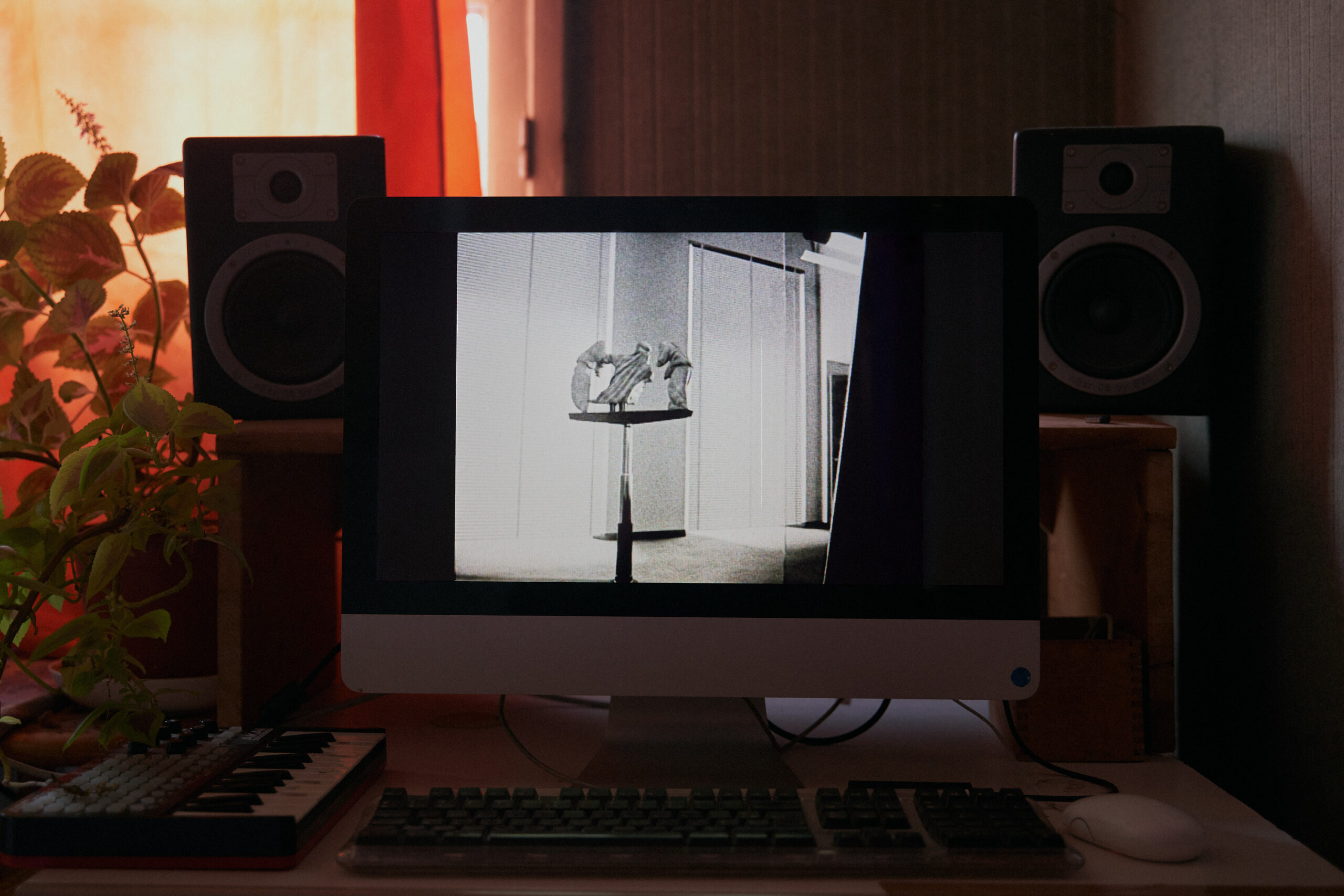
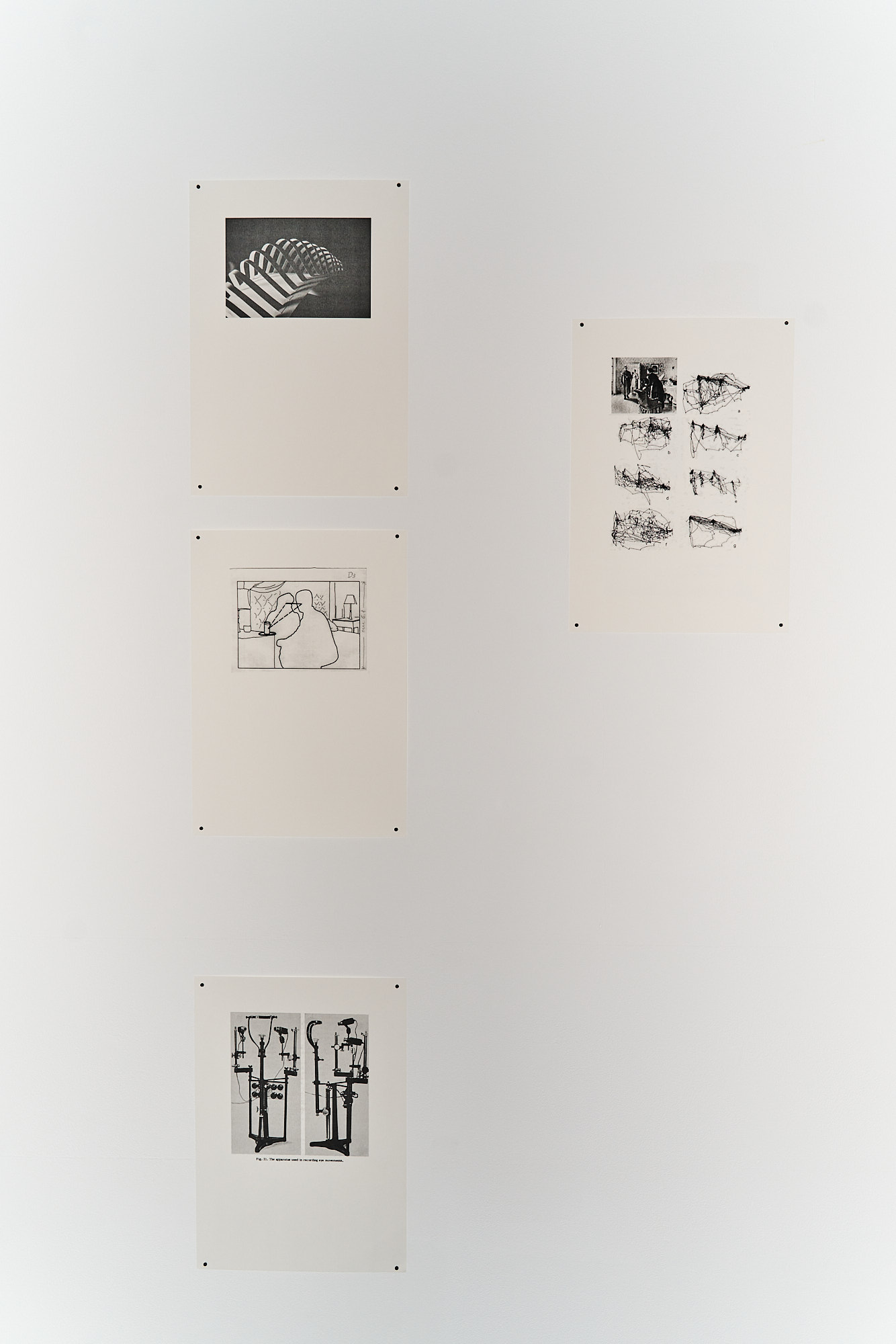
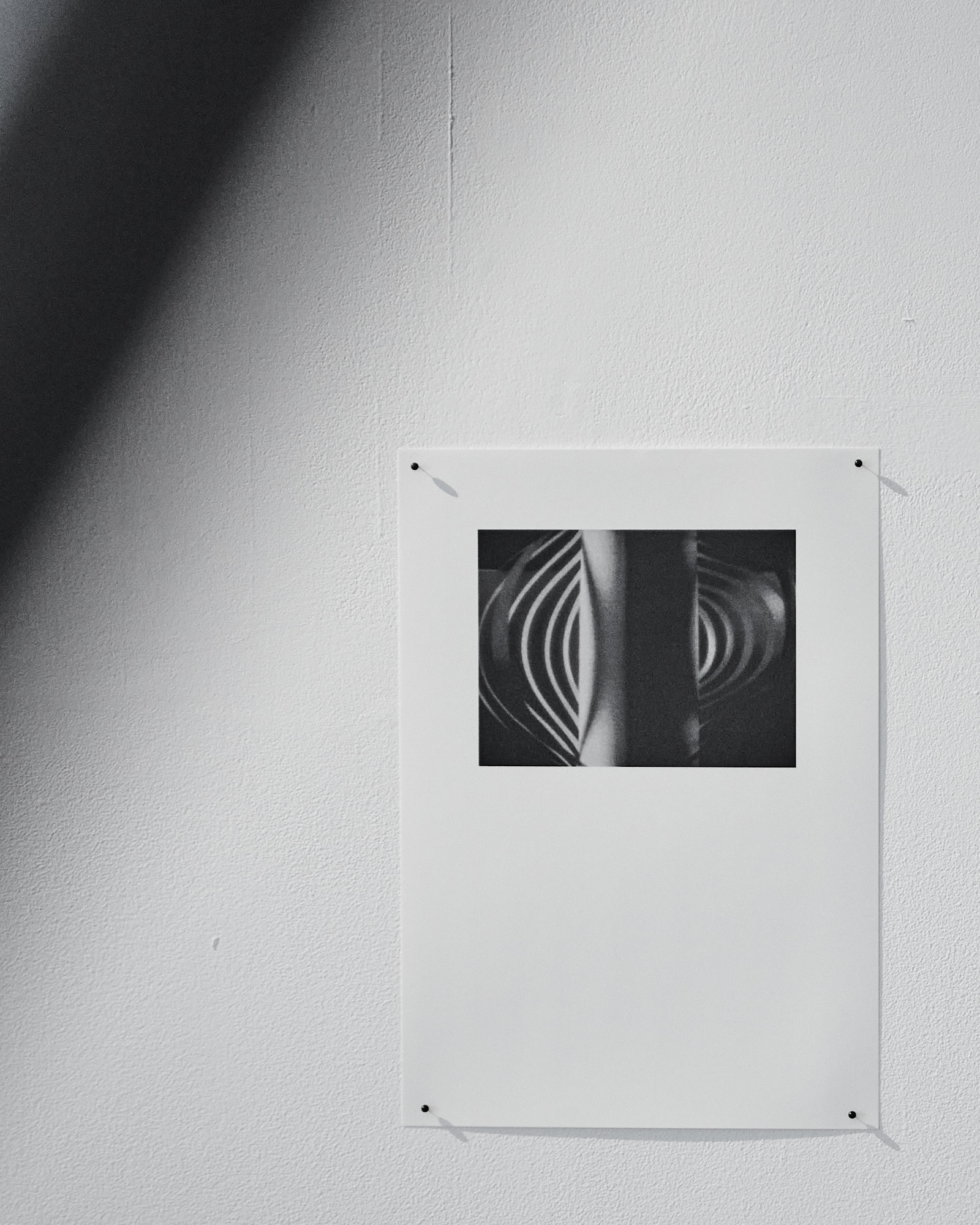
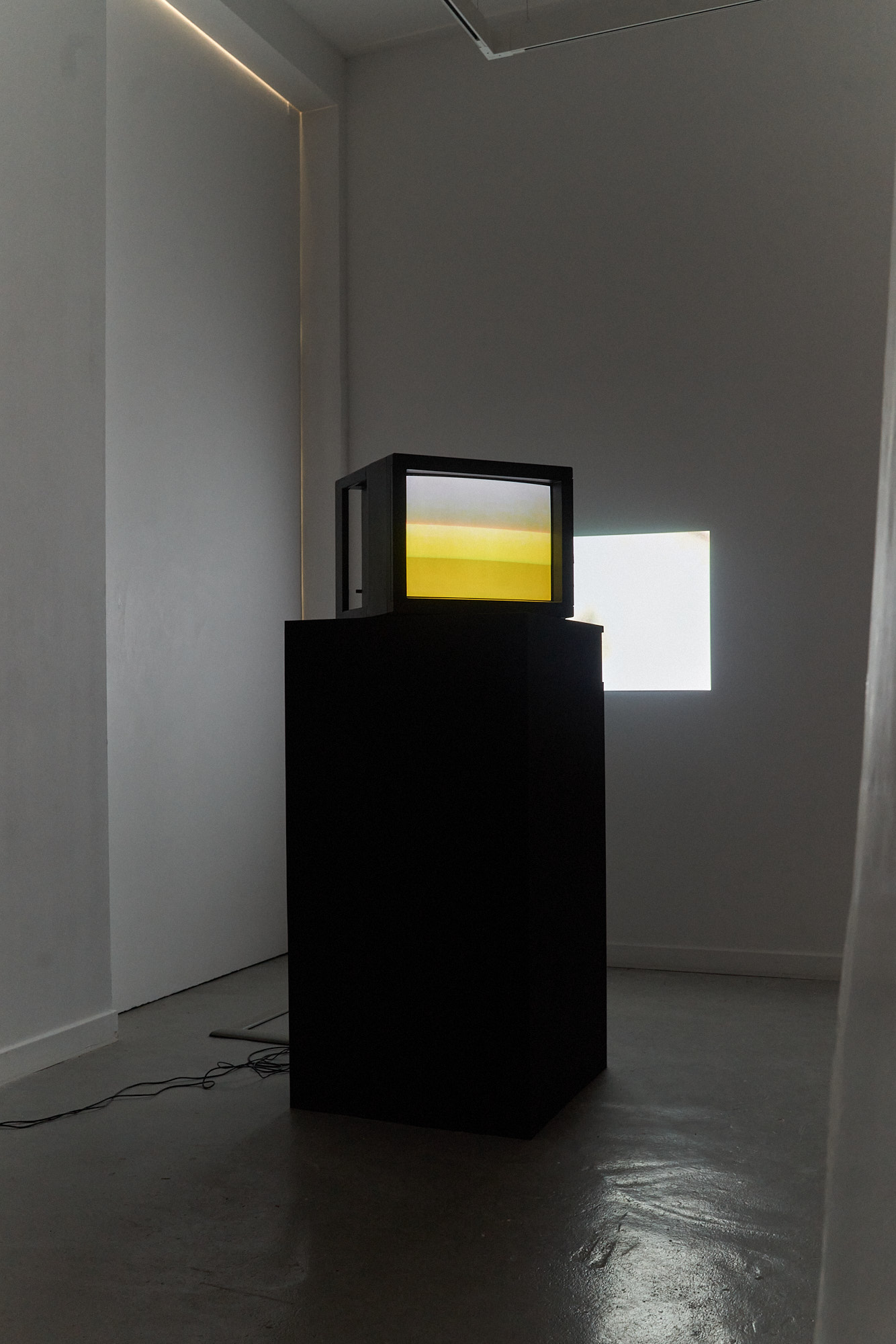
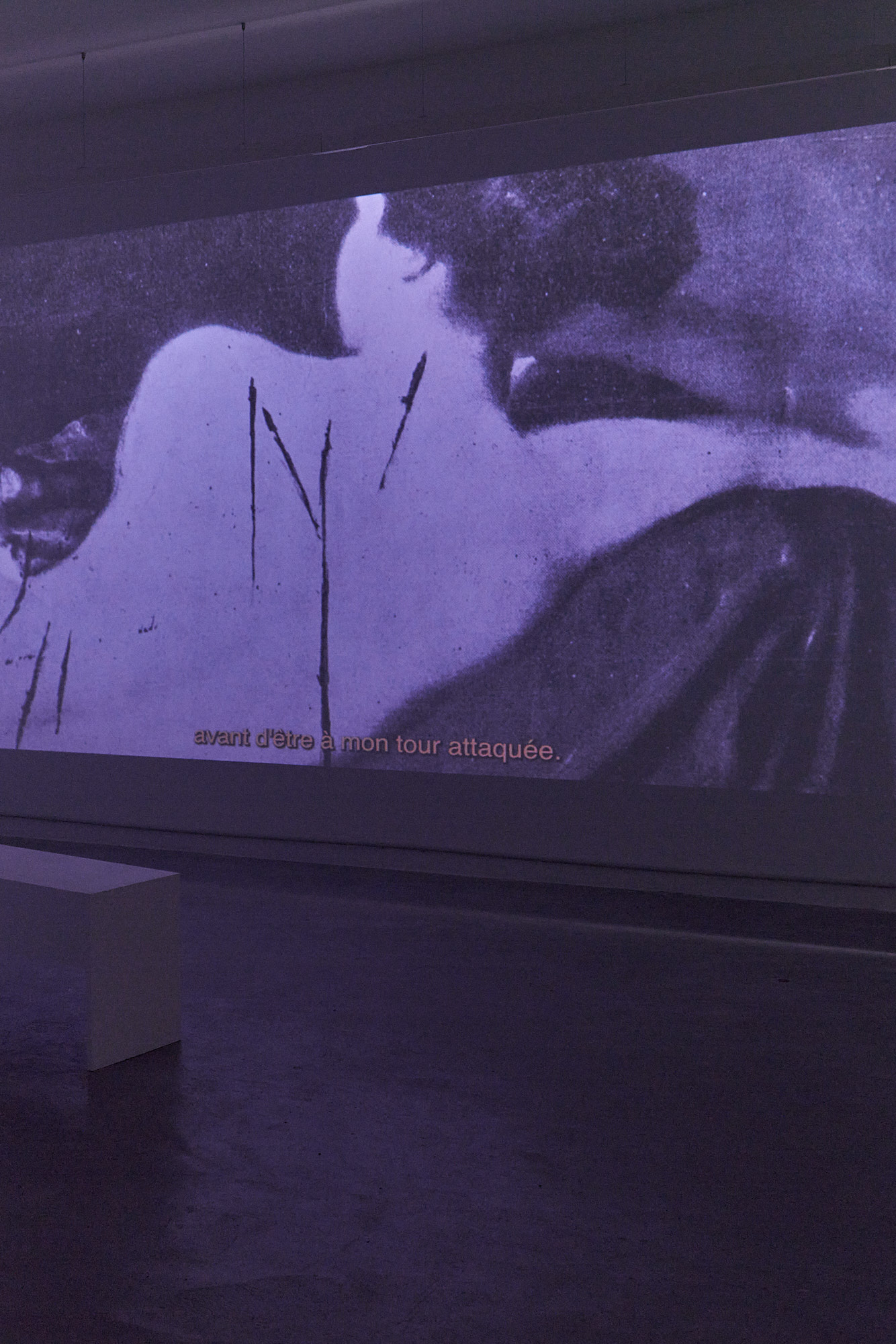
Exhibition, guided tour, creation of display systems, alternative architectures, musings on the gaze, the composition of a catalog: by bringing together all these gestures, Manuel d’exposition attempts to reveal the inherent curatorial qualities of the moving image.
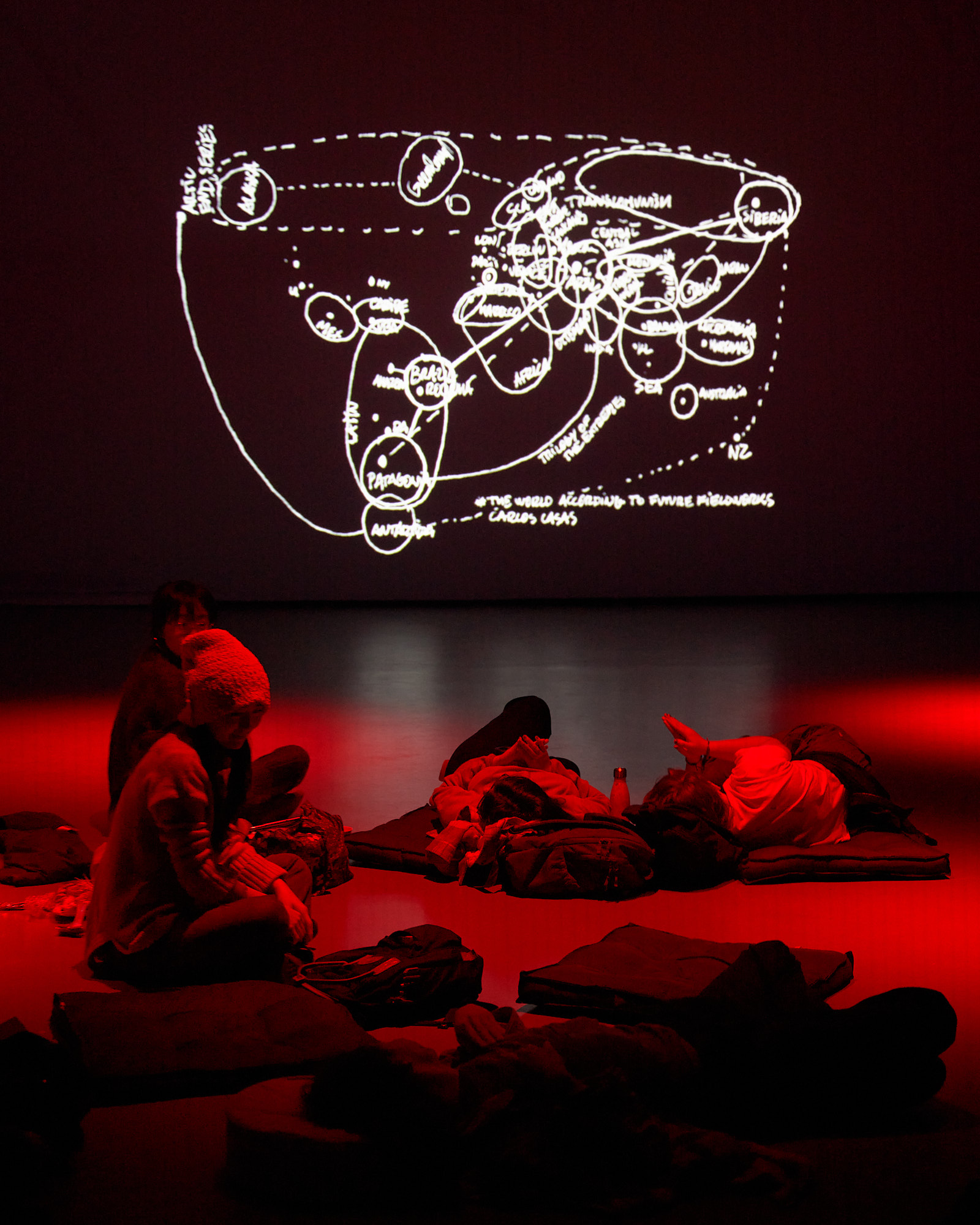
Accompanied by a wall scattered with clues, Manuel d’exposition presents contemporary artworks that crystallize questions and dynamics related to the act of showing and exhibiting (whether physically or virtually, real or imaginary). In Vers le soleil, Nour Ouayda sets up a fictional guided tour of the National Museum of Beirut as a narrative and conceptual device. Mary Helena Clark’s film is conceived as an exhibition. Polo Movie by Ignazio Fabio Mazzola and Neue Museen by Graham Ellard & Stephen Johnstone focus on architecture and design, operating through an aestheticization of detail and the fleeting gaze. Neue Museen attempts to recount, in fragments, the collaboration between curator Caterina Marcenaro and architect Franco Albini in the creation of innovative display systems. With his ephemeral installation, Carlos Casas will focus on the many hours of video and audio recordings accumulated for the Fieldworks series, with the idea of rethinking and performing the cataloging process.
What happens when an artist wants to make a film that functions like an exhibition? Searching for artists’ films that use or present curatorial gestures was an irresistible temptation and a tool for exploring the close relationship between curatorial and artistic practice.
Manuel d’exposition offers a path that is arduous and fraught with obstacles, beginning with the deeply political subjects of the artworks, continuing with the clues on the walls of La Box—which may be traps—and ending with the exhibition space, which is not limited to the gallery. While three installations are on display at La Box, the rest of the works overflow: a film is programmed online on movimcat, Carlos Casas’ Fieldworks will be edited/performed live inside ENSA’s Chapelle for one day, and an impromptu screening will take place in another location at the school. Perhaps to fully enjoy the exhibition, one must abandon the idea of wanting to see everything—or be driven by the desire to see everything.