


Travelling While Lying Down
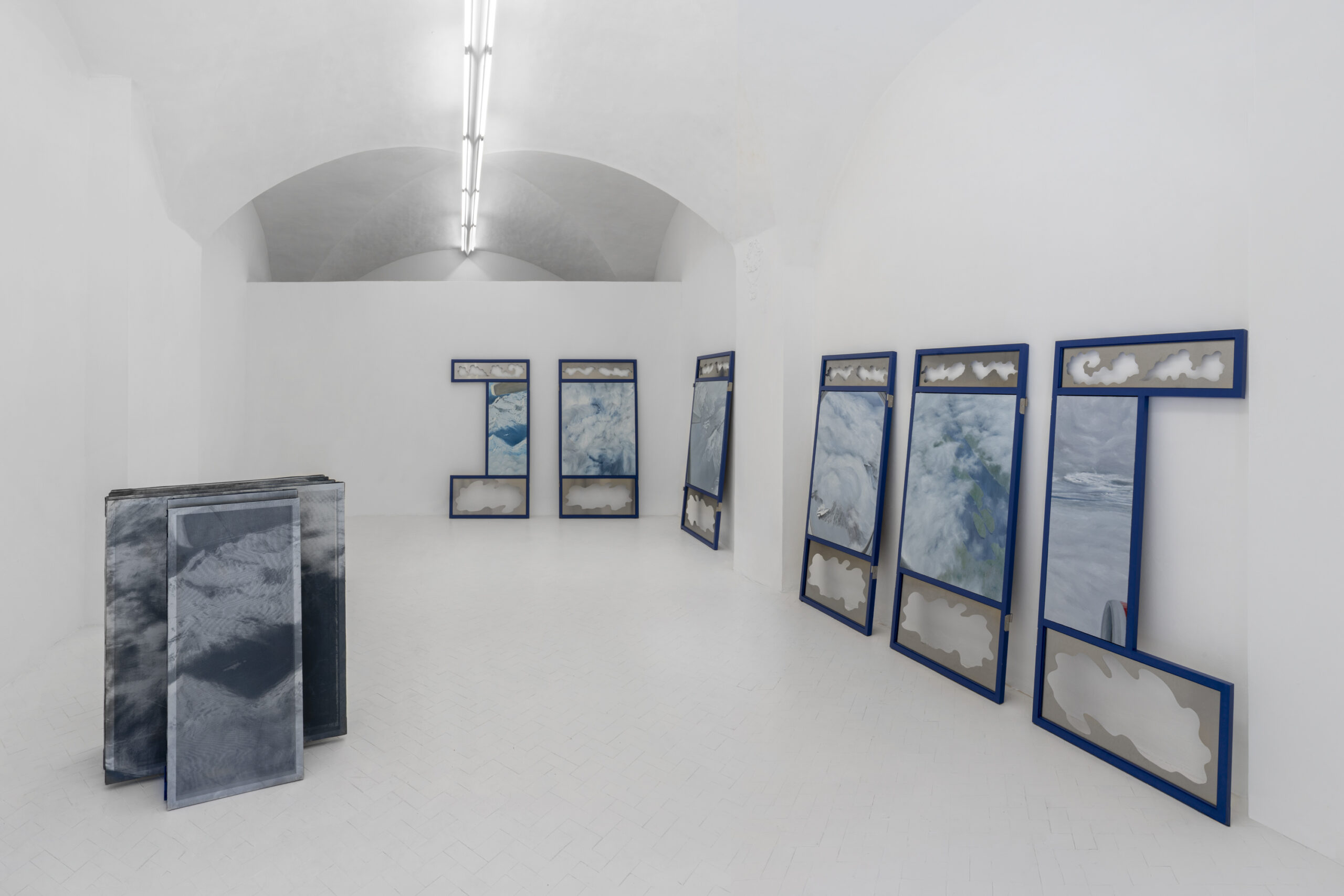
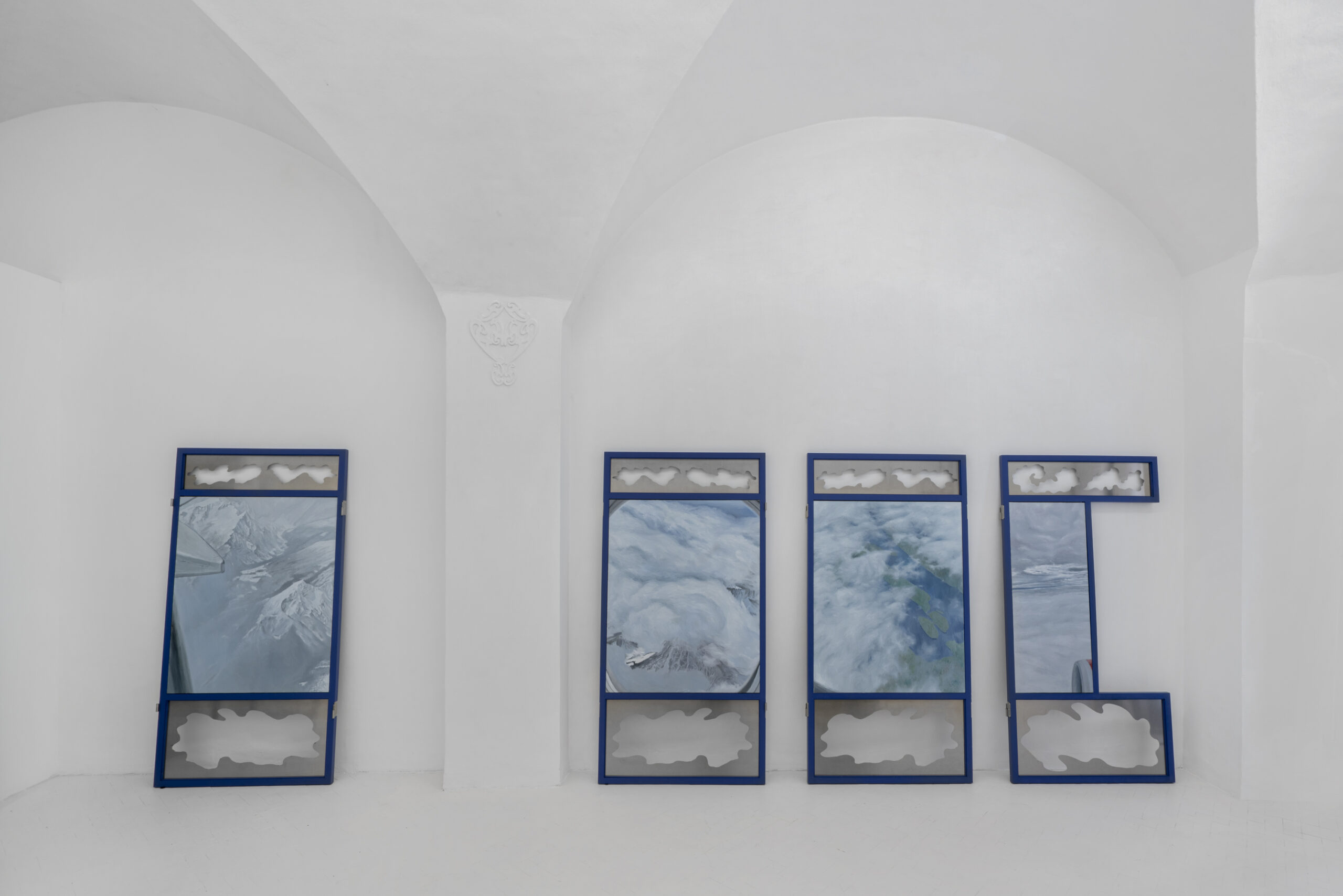
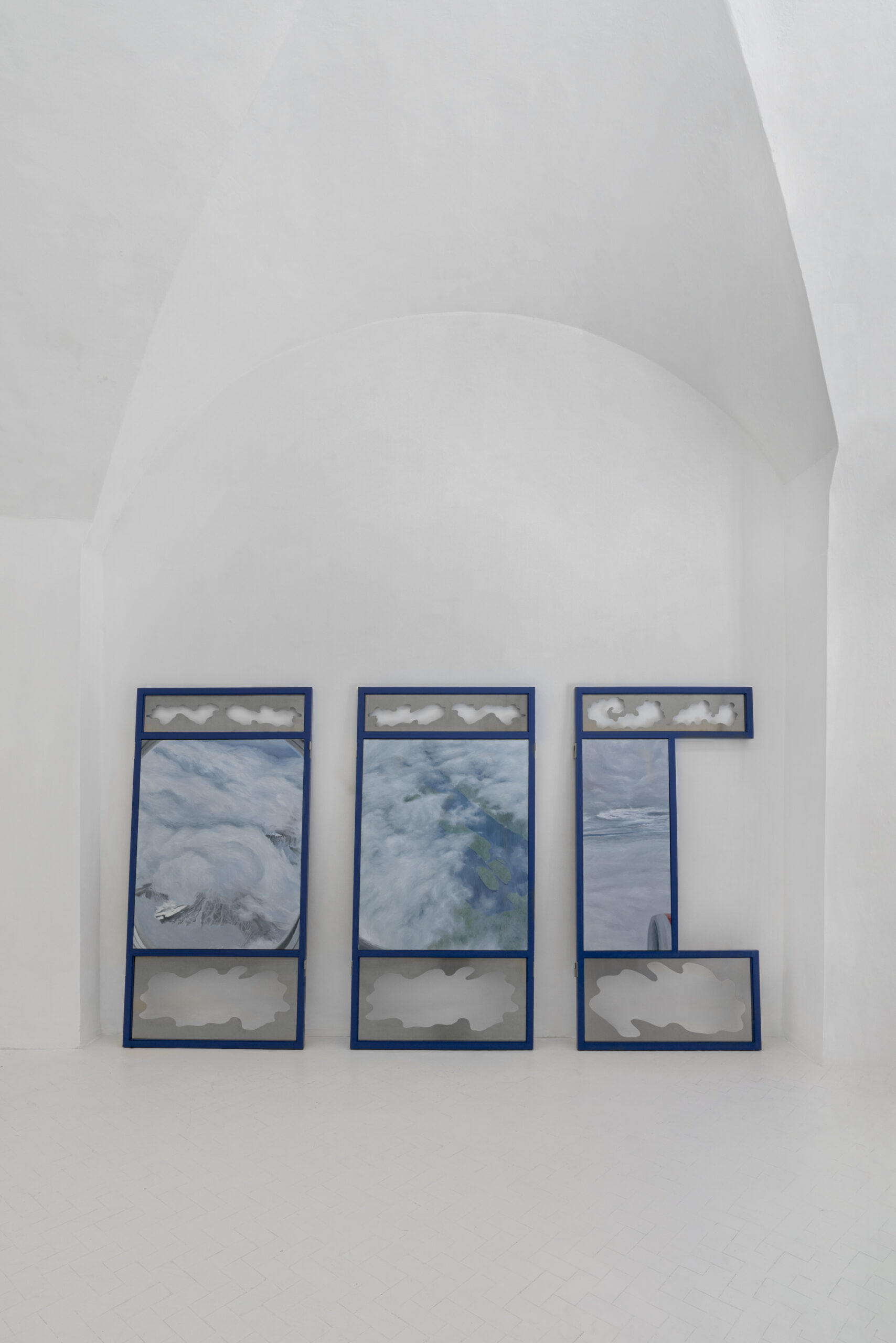
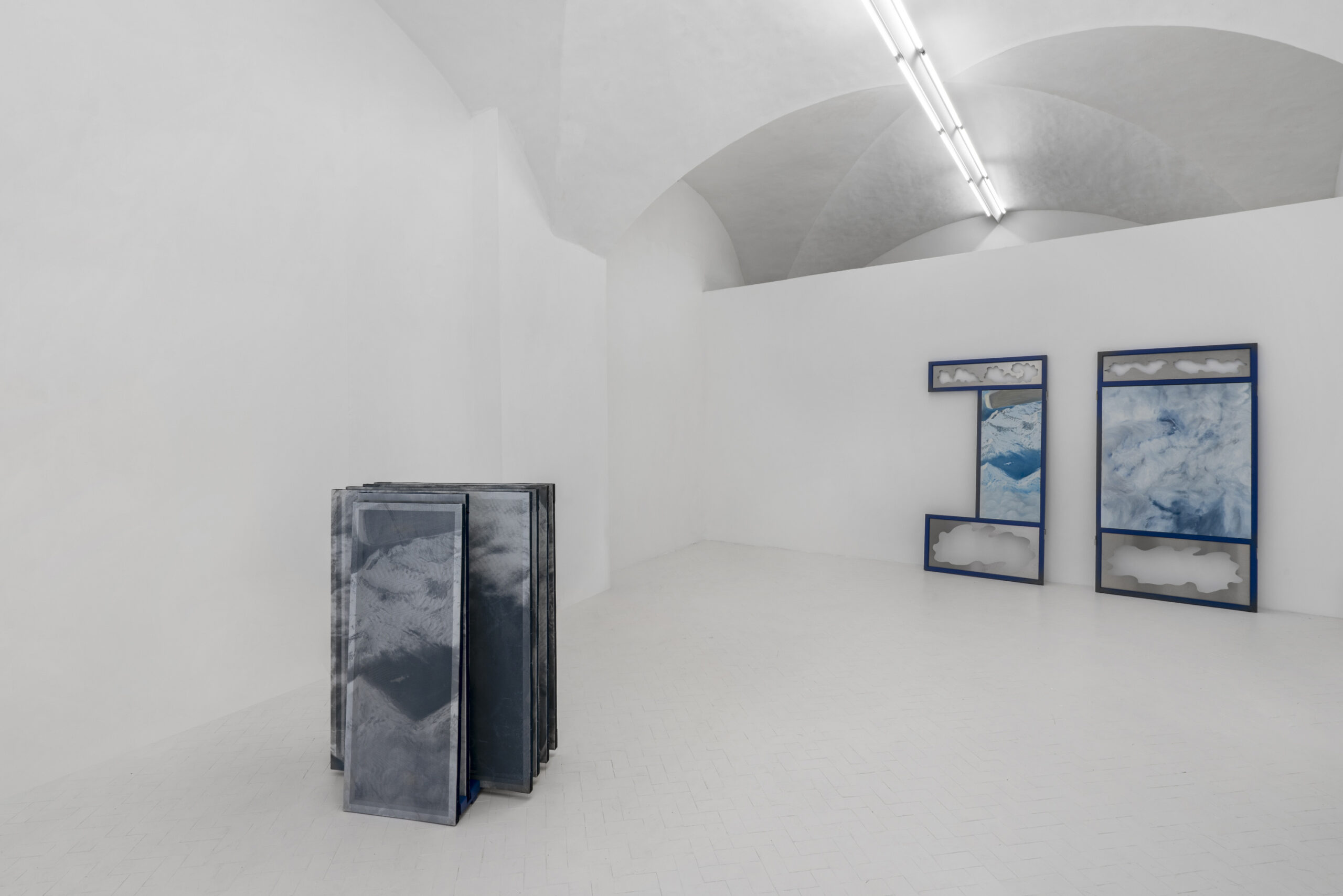
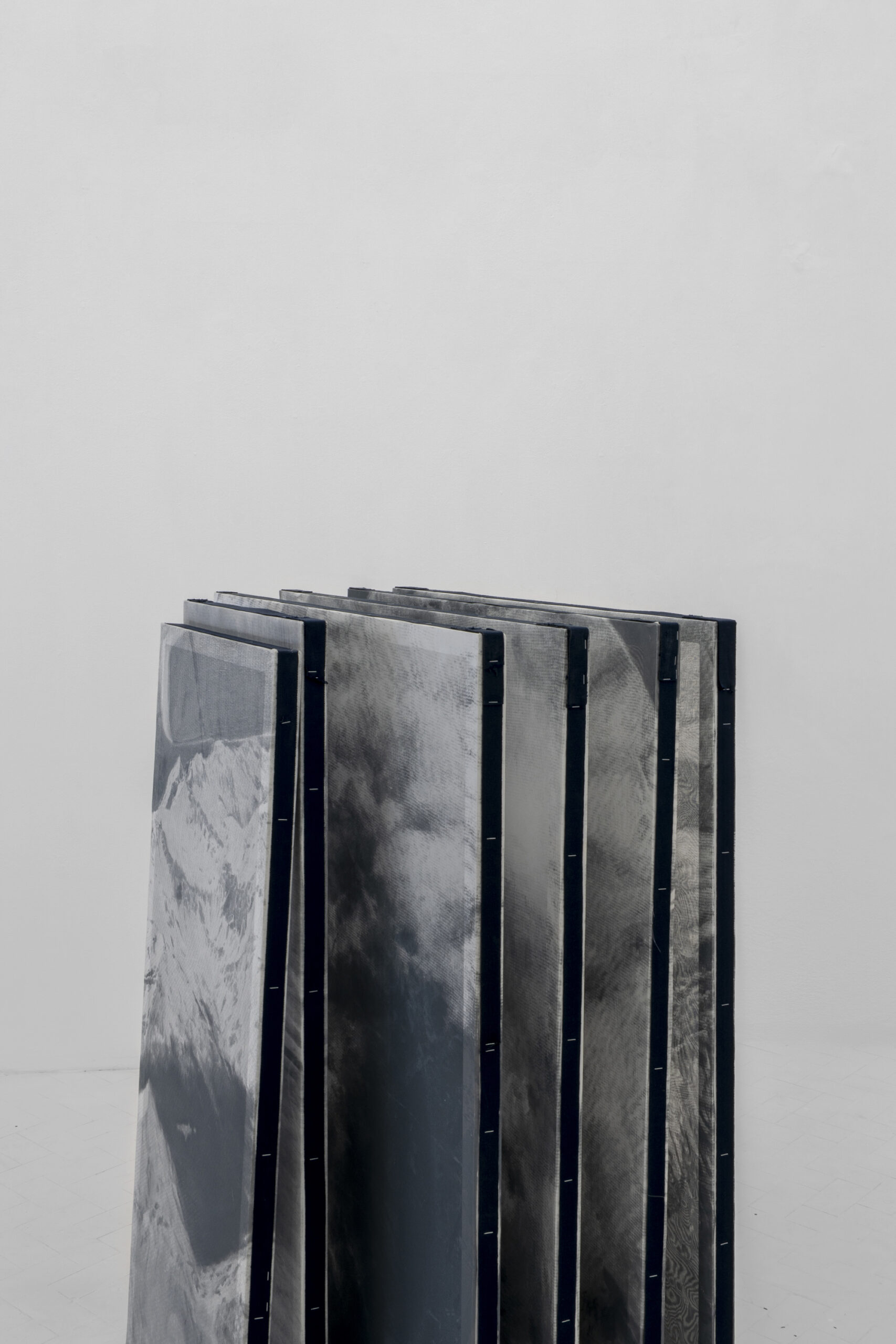
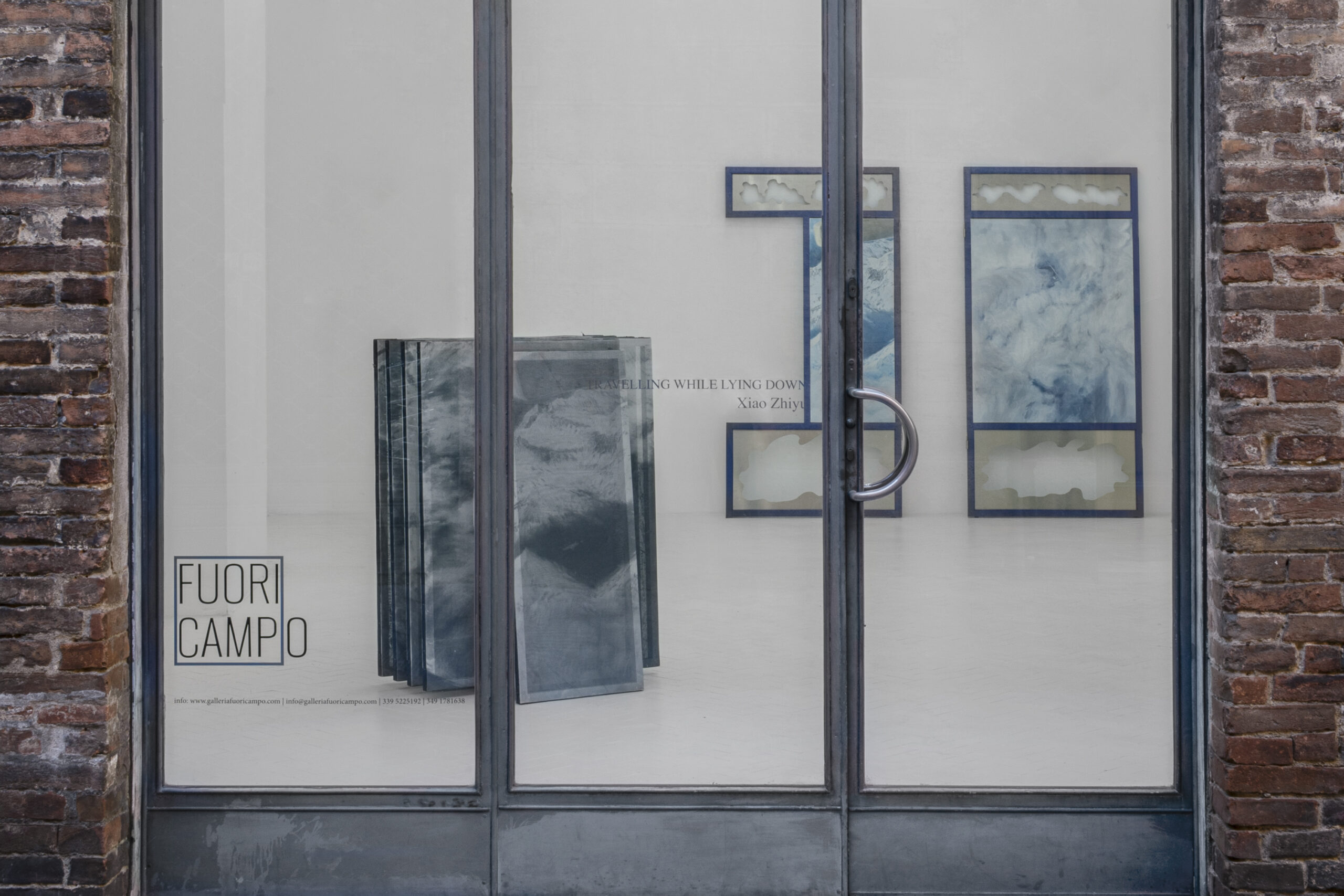
FuoriCampo presents Travelling While Lying Down, the second solo exhibition by Xiao Zhiyu (CN, 1995), bringing together works produced during the artist’s recent residency at the Jan van Eyck Academie in Maastricht and further developing her reflection on landscape through a dialectic between possession and abandonment, understanding and awareness.
The title refers to the concept of wò yóu (卧游). Formulated by Zong Bing (375–443), among the earliest figures to theorise painting in China, it defines a contemplative practice that conceives landscape as a mental and spiritual experience, accessible even in stillness. Within the Chinese artistic tradition, landscape painting occupies a privileged position as the expression of a cognitive process through which the Dao (the Way) becomes perceptible in its natural manifestation.
This perspective is countered by the Western tradition of landscape, oriented toward constructing an image of the world that is ordered, legible, and free of opacity—thus entirely available to the gaze and to control. Yet, when read through the lens of decolonial theory, it reveals its own shadowed zones, calling into question the very claim to transparency and mastery on which it rests.
The dialogue between these antithetical conceptions unfolds both in the images and in the exhibition display: a modular structure that can be arranged along the wall as a sequence of visual fragments or articulated in space like a folding screen, evoking East Asian iconographies, before reconfiguring into a bed-like form reminiscent of a traditional Chinese canopy. This shifting dispositif invites an immersive and contemplative mode of engagement, transforming the act of viewing into an experience of traversing the landscape.
Travelling While Lying Down delineates a zone of perceptual instability in which the image does not simply represent the world, but unsettles the very conditions of its accessibility. Xiao Zhiyu’s practice here proceeds through subtraction, yielding opaque surfaces that resist full appropriation and reflect a contemporaneity shaped by acceleration and technological mediation. If, in the Chinese tradition, travelling while lying down opened a space of imaginative immersion, here it takes the form of a suspended condition in which movement and stillness cease to oppose one another.
The exhibition unfolds around this tension through images derived from photographs taken with mobile devices, aerial views, and fragments in transit, devoid of hierarchy or monumental intent. Within this economy of means, a form of resistance emerges: the images do not lend themselves to immediate legibility, but instead slow the gaze, introducing a deferred temporality. The display itself amplifies this ambiguity. The works, isolated and suspended within the neutral space of the gallery, evoke the museum’s historical function as a site of stabilisation and visibility, while simultaneously undermining its premises. What is shown does not fully yield to possession; the very act of exhibiting becomes almost paradoxical in its attempt to hold onto that which, by its nature, eludes capture.
A space thus takes shape in which the viewer is invited to confront their own mode of seeing—inhabiting that interval in which perception precedes comprehension, and where something, not yet named, begins to emerge. It is perhaps within this minimal gap, between immediacy and awareness, that the broader fabric linking image, history, and experience becomes perceptible.