


EL MUNIRIA
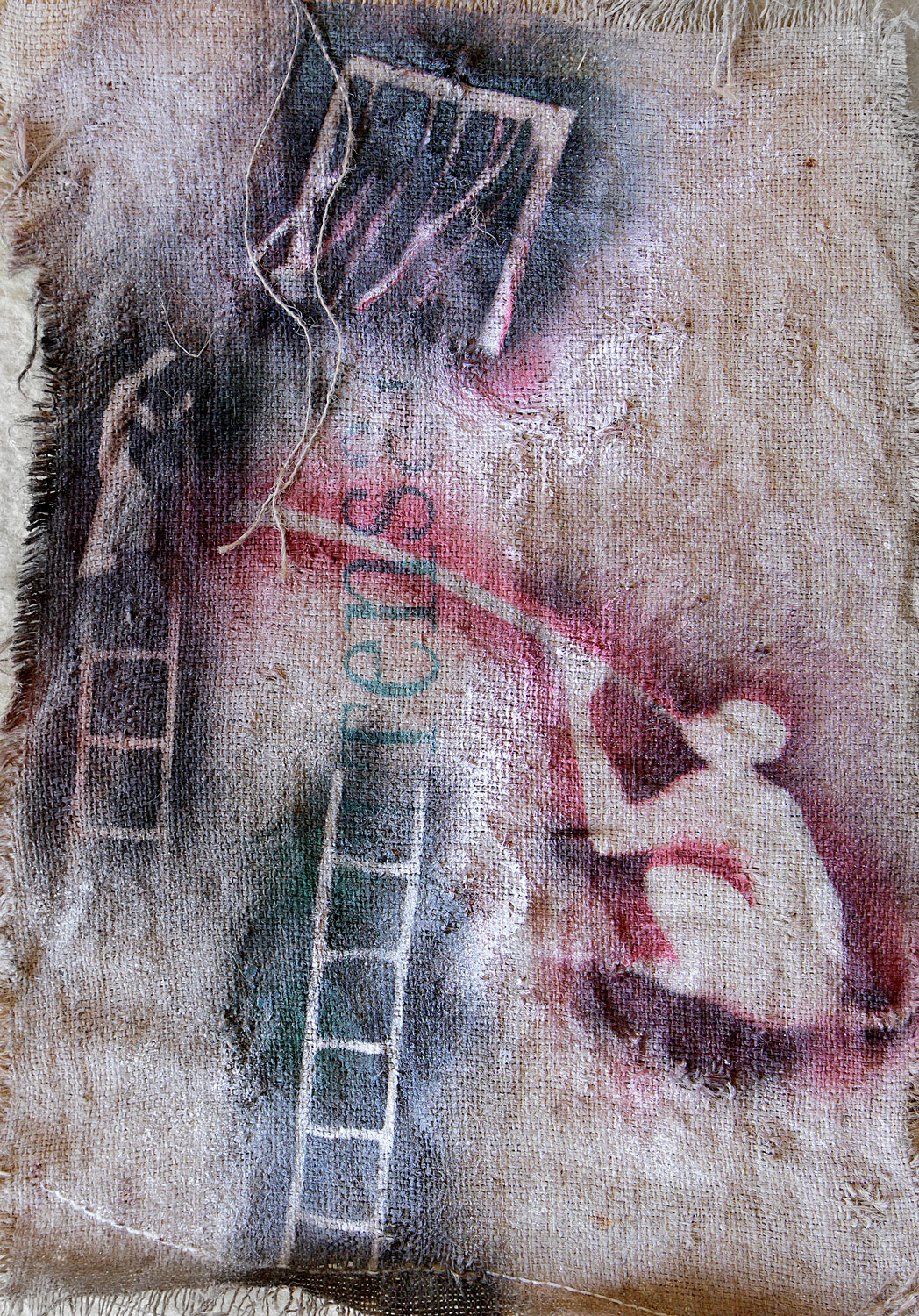
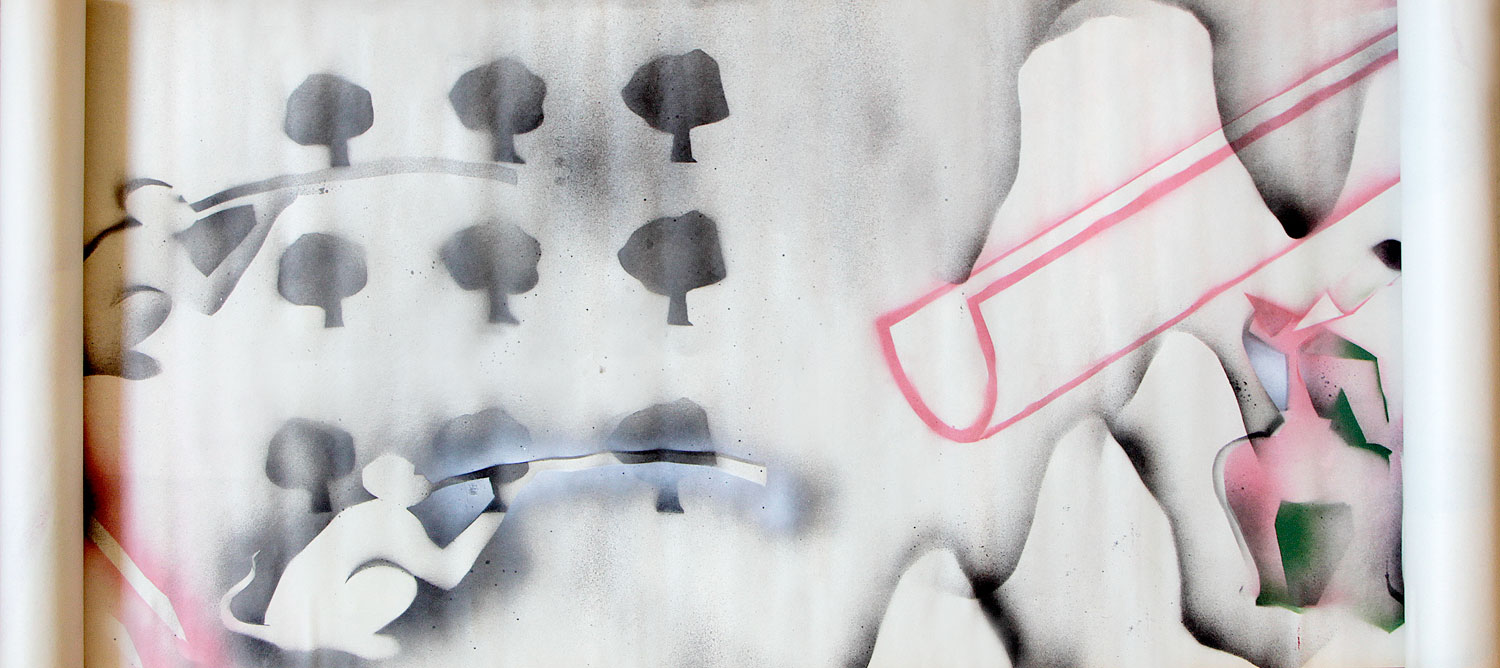
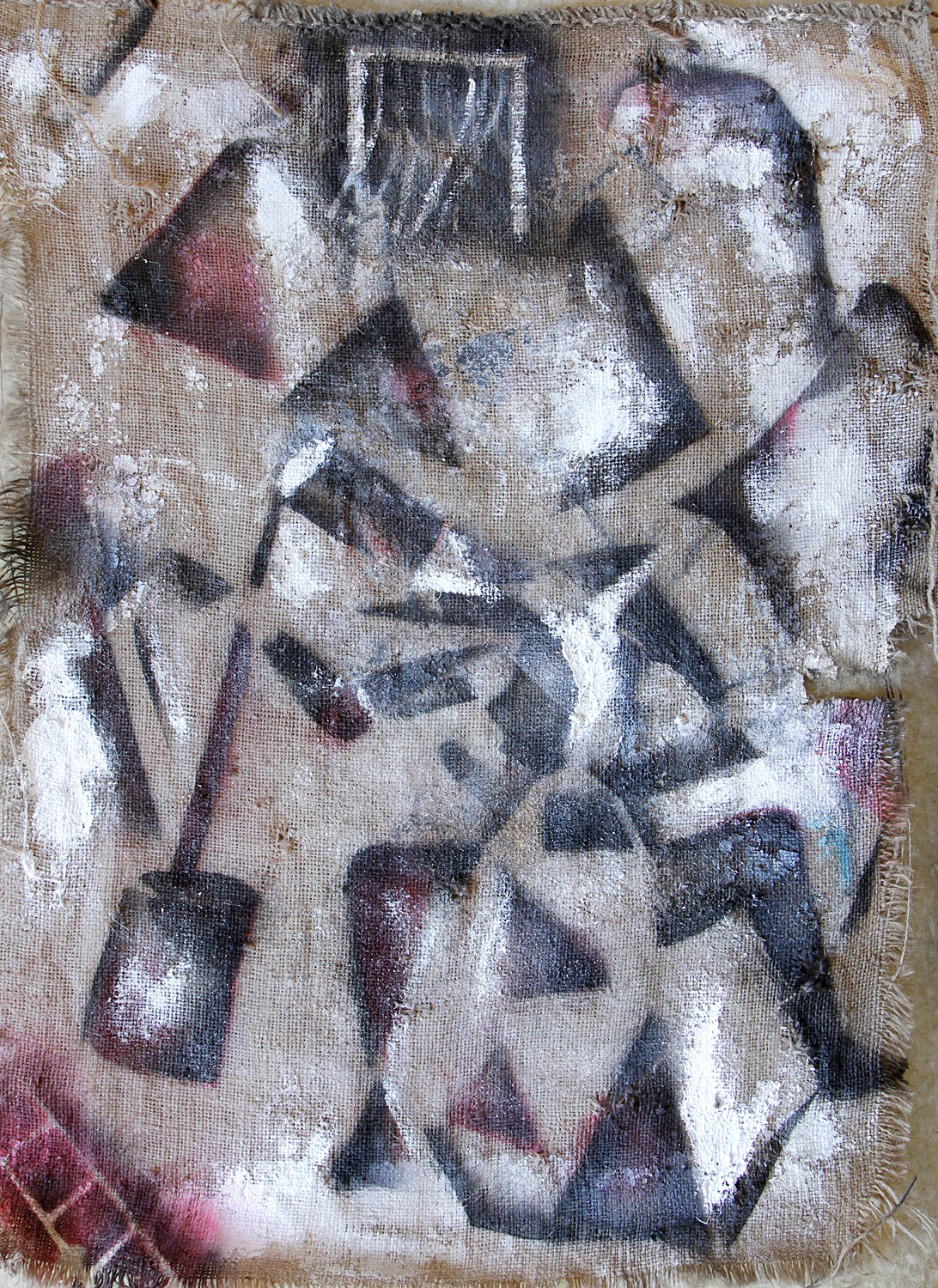
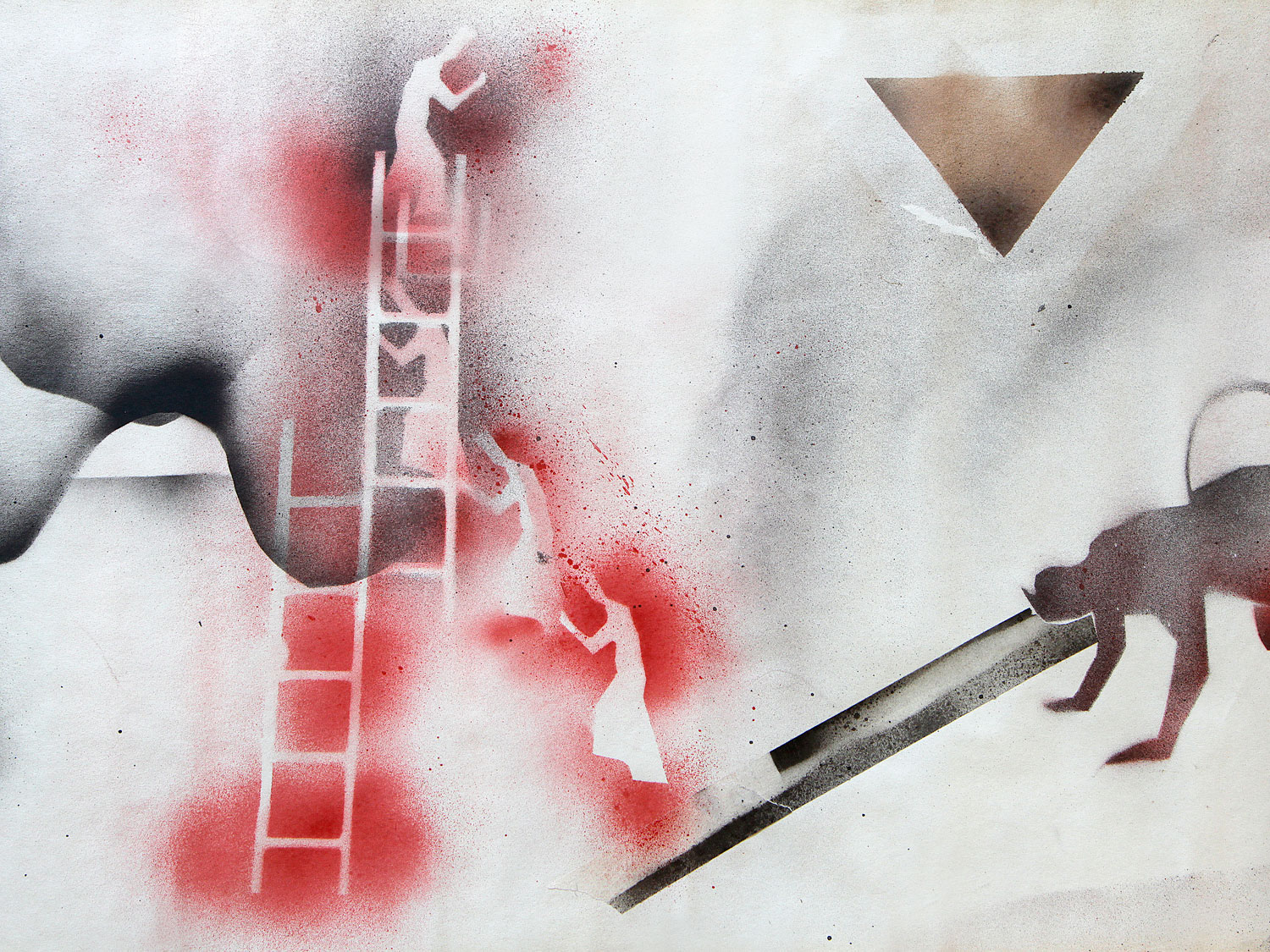
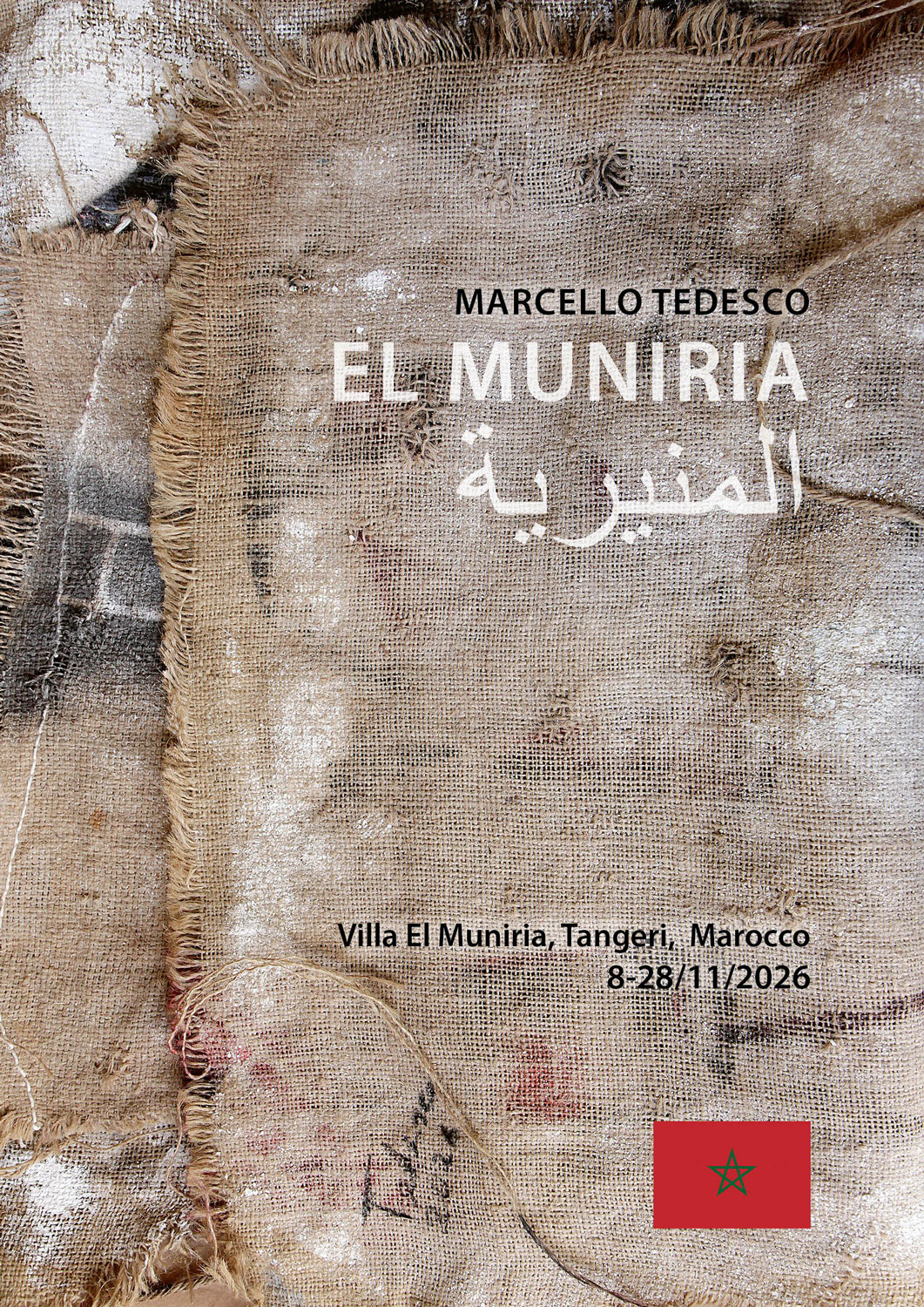
El Muniria (the luminous one) is the latest project conceived by artist Marcello Tedesco (Bologna, 1979), inspired by a trip he took to Morocco a year ago. The exhibition venue and the chosen city provide important clues for understanding this new chapter in his artistic exploration.
Tangier is an almost mythical place that, throughout the 20th century, attracted countless artists and writers—from Delacroix to Matisse, from Bacon to Genet, Bowles, and Burroughs, to name just a few. What likely attracted these artists—united by a desire to push artistic and literary language toward increasingly radical and unexplored forms—was the powerful energy of fusion between cultures and peoples that the city expressed in a unique and, in some ways, scandalous manner.
Tangier seemed capable of welcoming everyone indiscriminately and of fusing every vision, every experience, and even every delusion into a novel form, within which the city’s traditional structures of organization and control appeared temporarily suspended. Its very geographical location helped make it a threshold place, suspended between different worlds—between Africa and Europe, between the Mediterranean and the Atlantic, between East and West.
Rather than belonging entirely to one of these spheres, Tangier seemed to derive its identity precisely from the possibility of traversing them and connecting them.
This state of transition helped create a climate conducive to the search for new existential combinations. The city thus became not merely a backdrop, but a sort of mechanism capable of fostering cross-pollination: a place where identities, languages, cultures, and behaviors could meet and influence one another. Although the state of affairs has changed today, a legacy of that condition still survives—a particular predisposition to integrate otherness into its very fabric—a possibility that Tedesco identifies as one of the fundamental motivations behind his work.
With this project, Marcello Tedesco aims, on the one hand, to place himself within the same artistic tradition as the artists who preceded him in choosing Tangier as a site for artistic creation; on the other hand, to seek out the vestiges of freedom that still survive in the city and among its inhabitants. This is not, however, a mere exercise in nostalgic revival of a bygone era.
What interests the artist, rather, is understanding whether, in the memory and very structure of that place, it is still possible to find a disposition toward openness capable of countering contemporary forms of intolerance and fear.
The artist’s aim is to identify a formula capable of reversing what he perceives as a process of progressive atrophy of consciousness, driven by the global rise of attitudes of open hostility toward anything that does not conform to the dominant hegemonic model. The atrophy of consciousness does not necessarily coincide with an explicit deprivation of freedom: it can also manifest as a progressive inability to imagine alternatives, to engage with what is different, or to question the categories through which we interpret the world.
In this sense, art takes on a specific function for Tedesco: to reactivate the ability to perceive what tends to be concealed and, above all, to reopen the space of possibilities. The practice of art thus becomes a metaphor for a process capable, simultaneously, of reading between the lines of current social events—bringing their deepest purposes to light—and of pointing toward a possible antidote. The artwork does not necessarily offer a solution, but it creates a space where the possibility of thinking differently can still be exercised.
The journey thus becomes a means of expanding consciousness, a process of opening up and transcending the structures that hinder the life process. The geographical journey transforms into an inner journey: reaching “elsewhere” ultimately means confronting an unknown part of oneself.
The venue chosen by the artist for the exhibition is the legendary El Muniria hotel, a place of passage and transit, where, in the early 1950s, William Burroughs wrote Naked Lunch, a hallucinatory account of the myriad mechanisms through which power exerts its control over the minds of individuals. The choice of this location is therefore not merely a historical or literary reference. A hotel, by its very nature, is a temporary space: it is not a home, nor is it a final destination, but a place inhabited by people coming from elsewhere and destined to leave again. El Muniria thus becomes an integral part of the project, a place of transit hosting a work dedicated to travel and transformation.
Just as Naked Lunch is rooted in the desire to bring to light a raw truth, stripped of all pretense, so too in Marcello Tedesco’s works does the search for truth take the form of an imaginative evocation of certain episodes in the life of the great traveler from Tangier, Ibn Battuta (1304–1377). His presence introduces an additional layer to the project: the geographical journey becomes a paradigm for an existential journey, in which the encounter with the unknown represents not merely a crossing of space, but a transformation of the traveler.
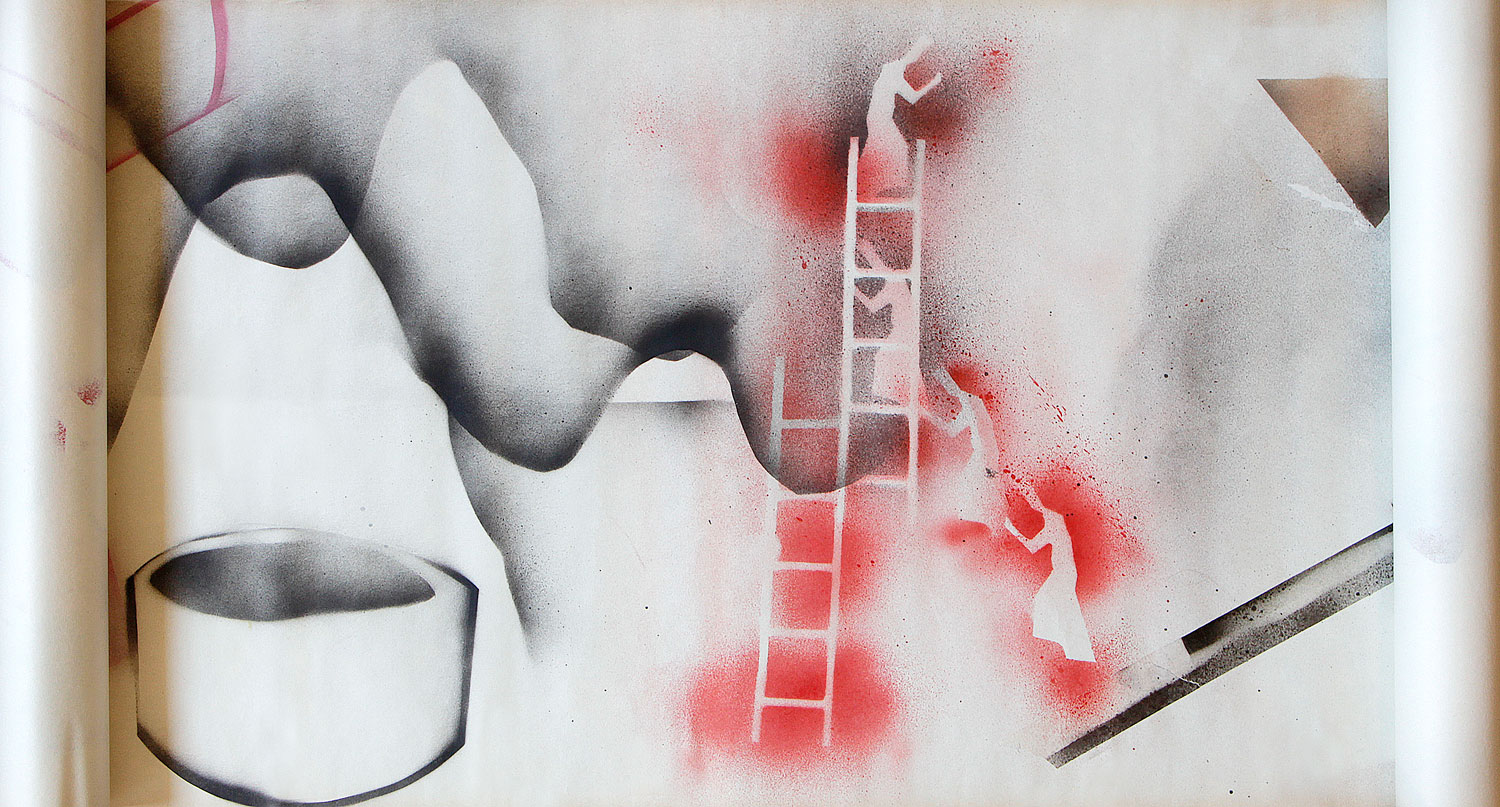
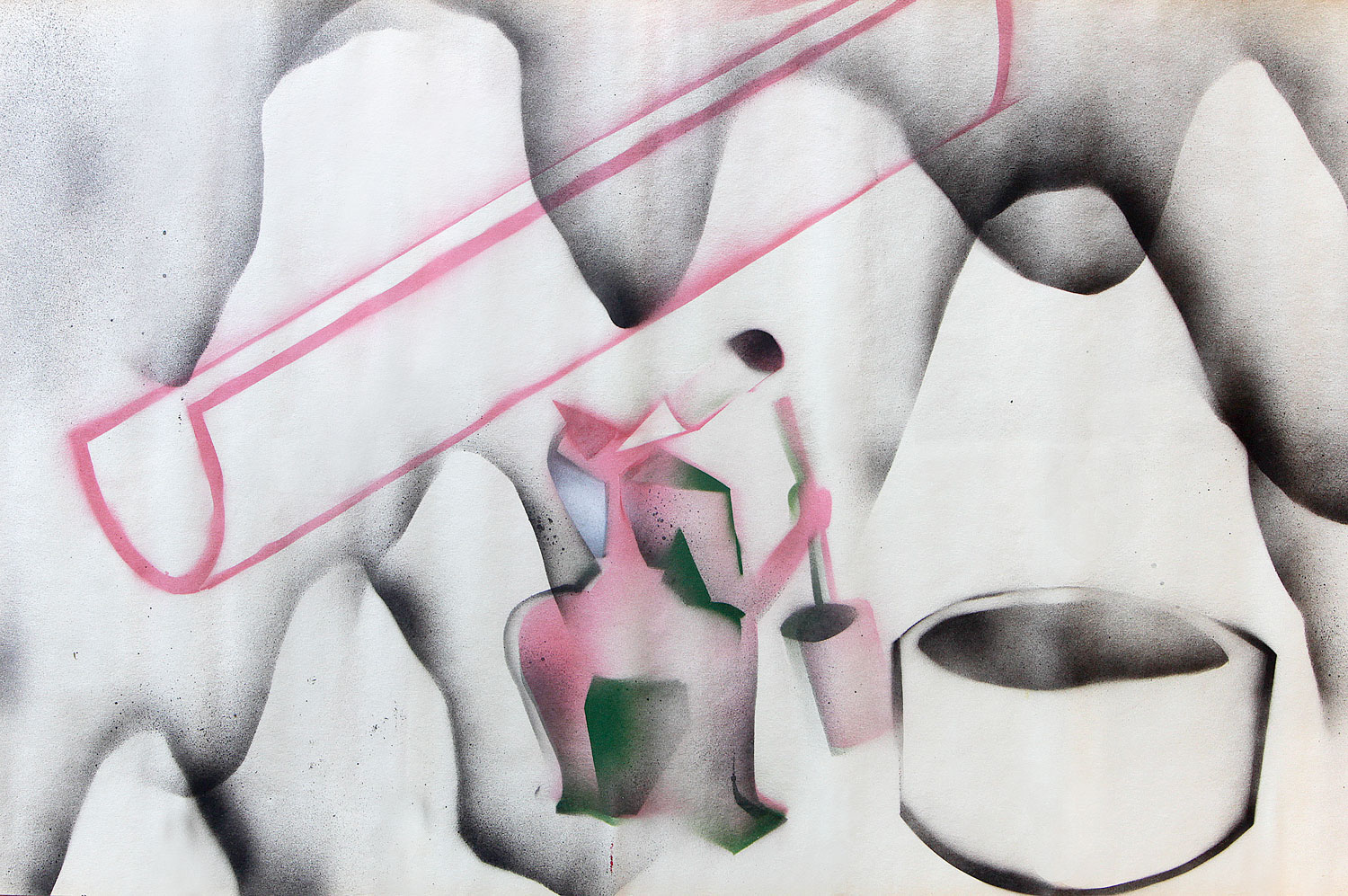
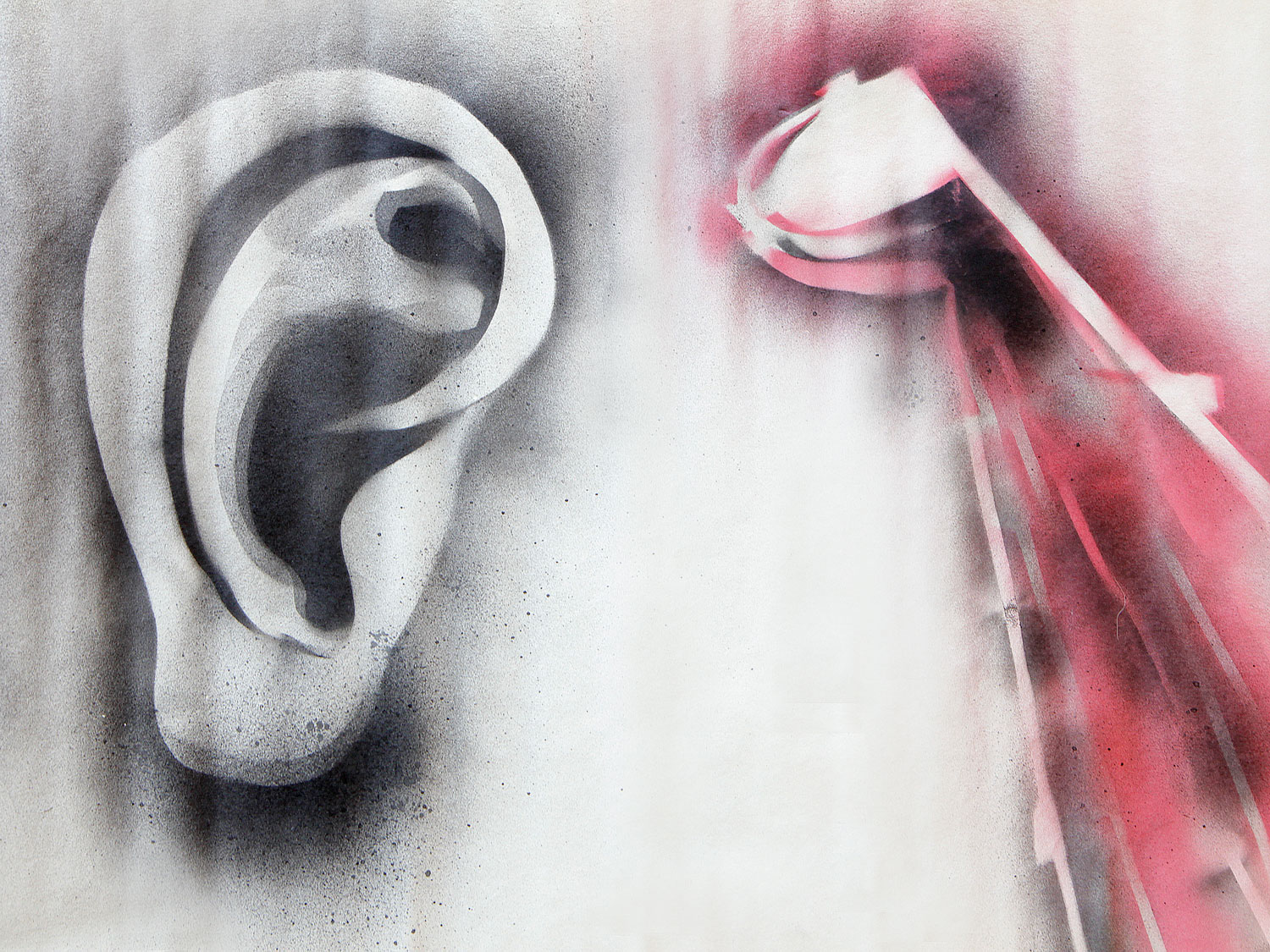
A long scroll of paper (45×350 cm), created using mixed media, captures visions of a nocturnal journey through desert and mountainous landscapes, encounters with supernatural entities, primordial instruments of transformation and sublimation, magical animals, and mysterious percussion instruments.
These elements are not merely fragments of a magical narrative: rather, they seem to be figures through which what normally remains invisible can become perceptible, thanks to a new opening of consciousness.
Through a language that naturally blends the contemporary and the ancient, the East and the West, the real and the imaginary, the work recounts the long journey that Ibn Battuta undertook to remote, unknown, and often dangerous lands—but also the journey that each of us is called upon to undertake in order to fully realize ourselves as human beings. In this sense, the very form of the work embodies the principle that runs through the entire project: hybridization.
Marcello Tedesco does not merely speak of the intermingling of different cultures and eras; rather, he constructs a language that concretely brings it to life, in a constant exercise of disidentification, through which it becomes possible to escape—at least temporarily—the patterns of thought and behavioral automatisms to which we are, in some way, subjected. From this perspective, Tangier takes on paradigmatic significance: it is not merely the place where the project takes shape, but the model of a mental state grounded in openness, interplay, and a willingness to engage.
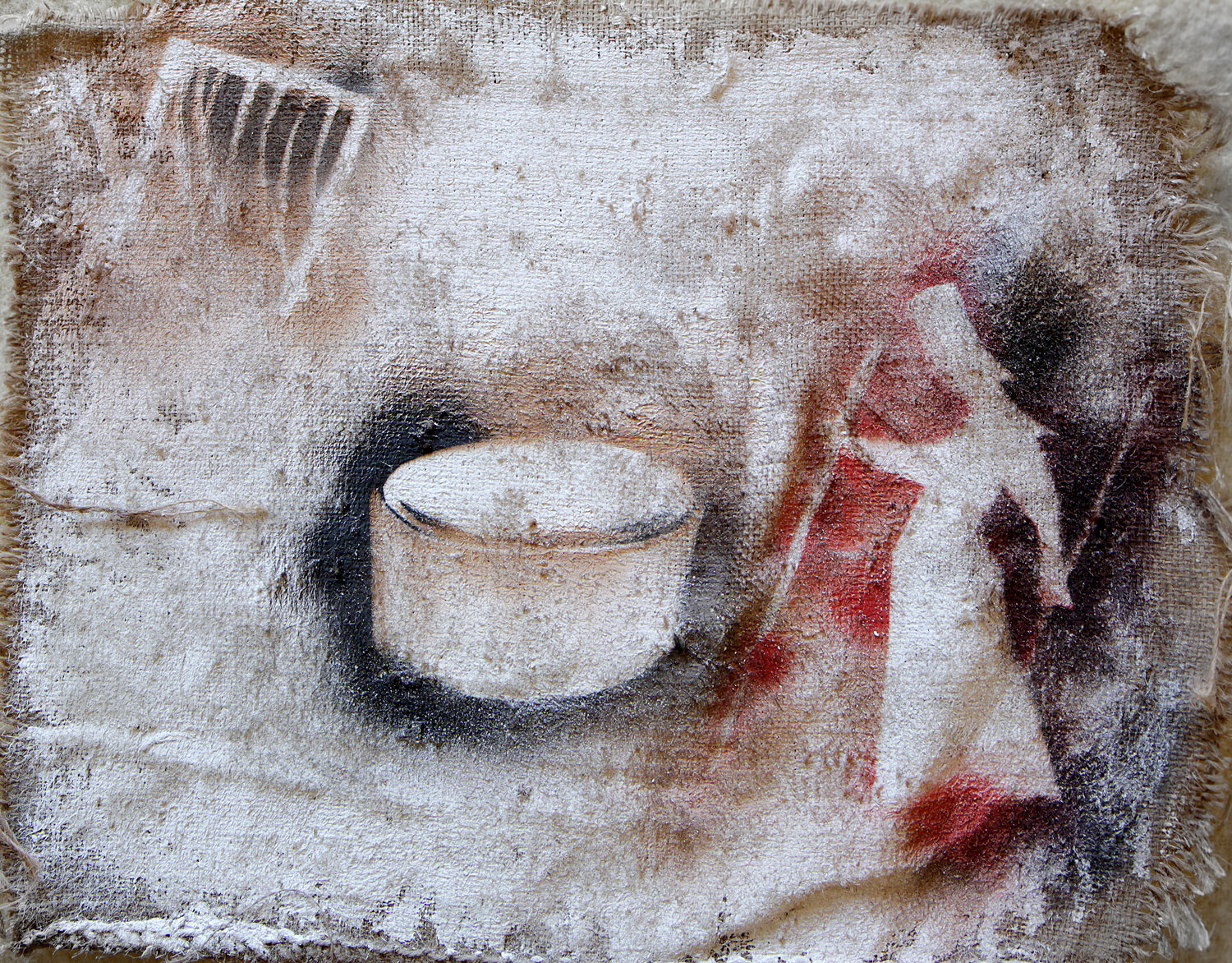
The project concludes with three works on jute, imbued with an exquisitely North African flavor, which revisit and expand upon some of the themes found in the scroll. In these works, too, the tension between the ancient and the contemporary, between memory and transformation, and between individual experience and the collective dimension persists.