


Project Room I: Jacopo Zambello
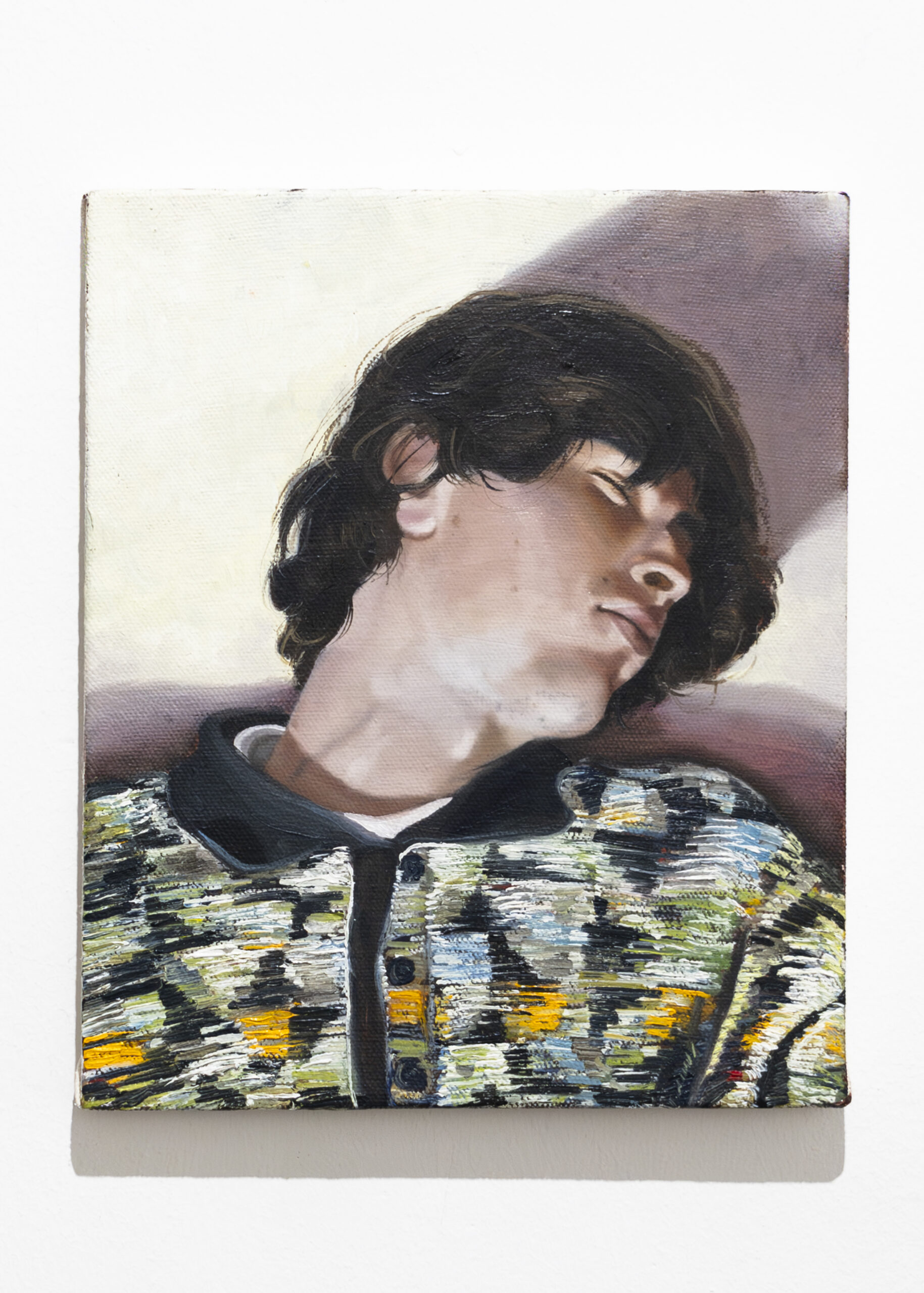
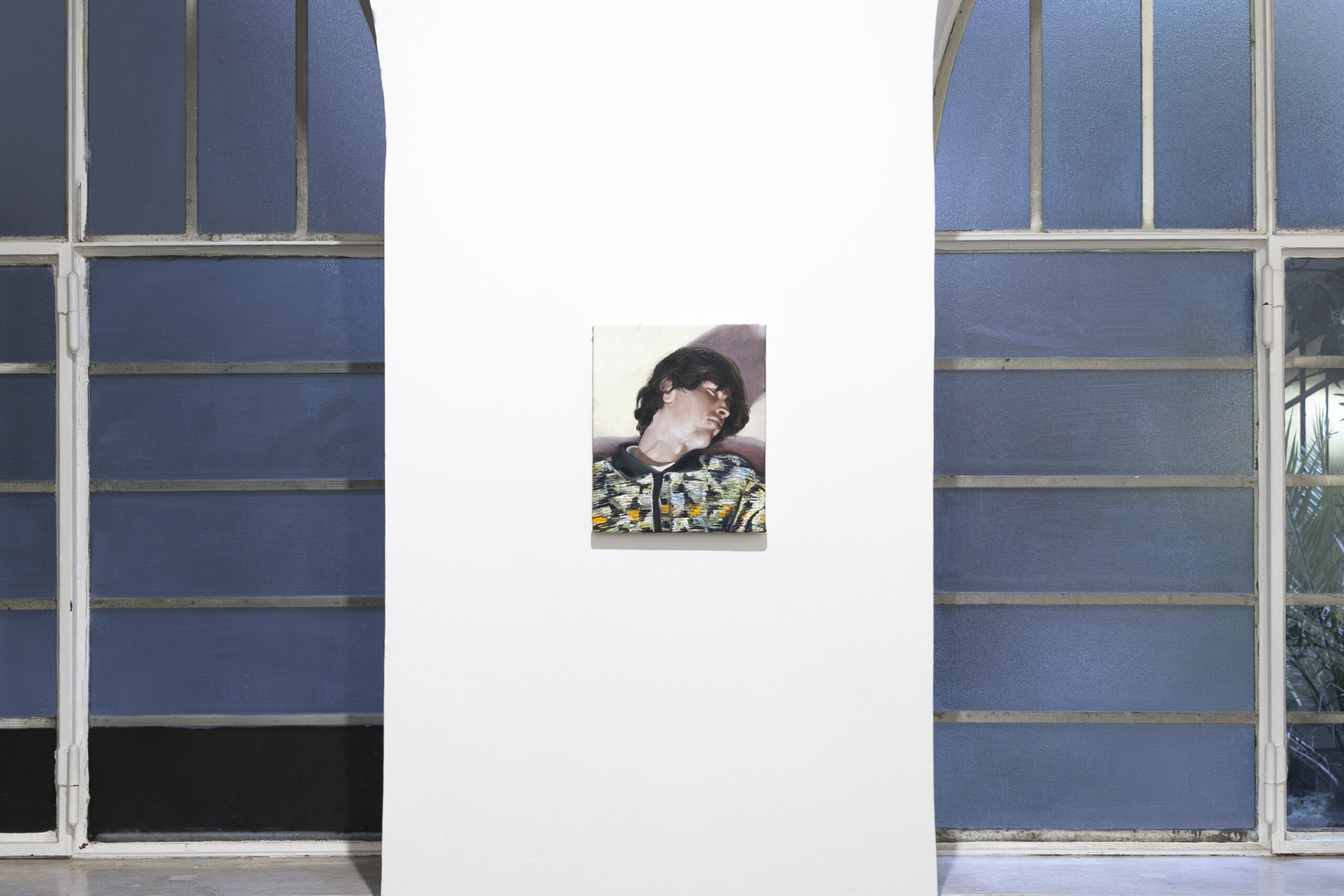
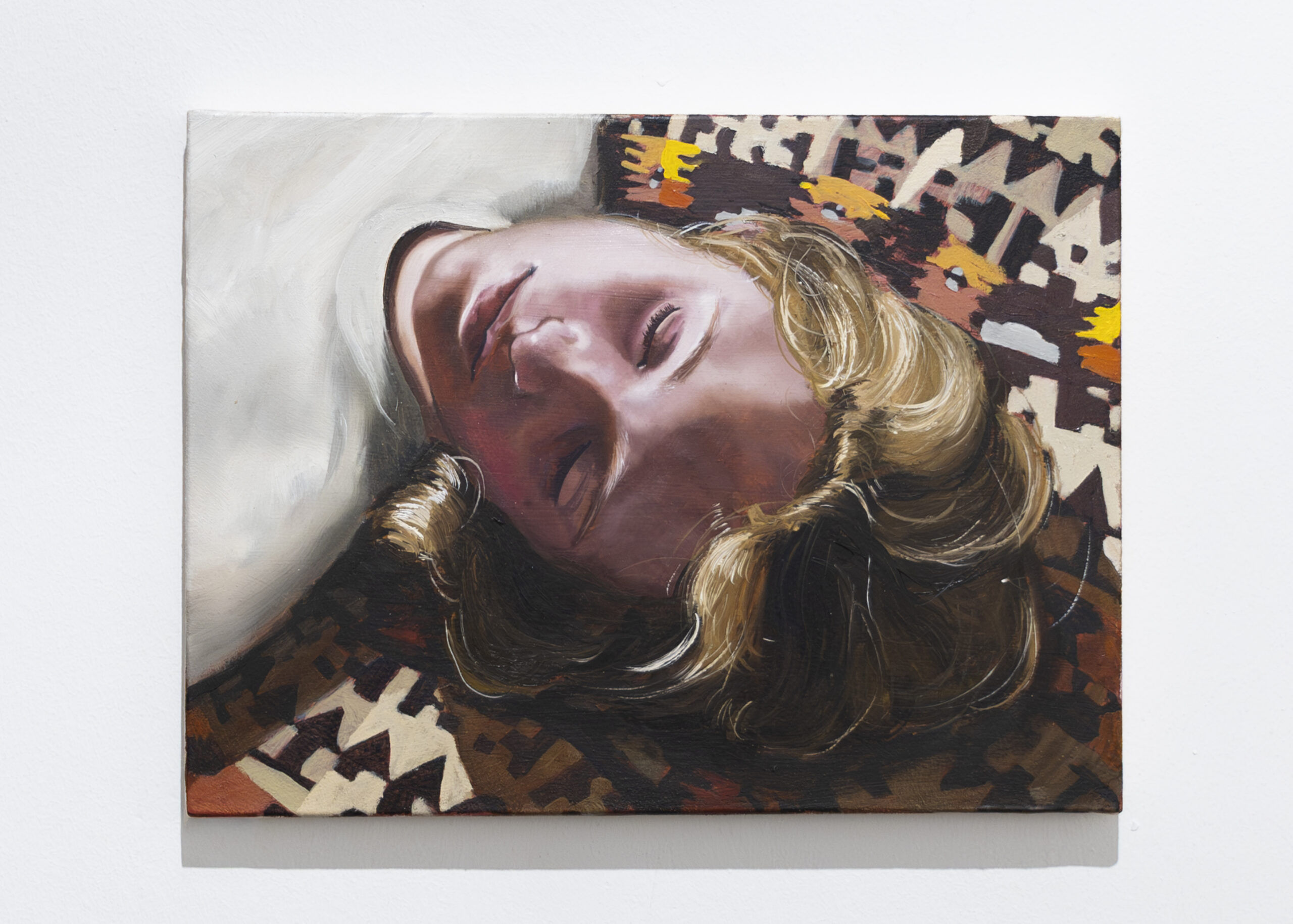
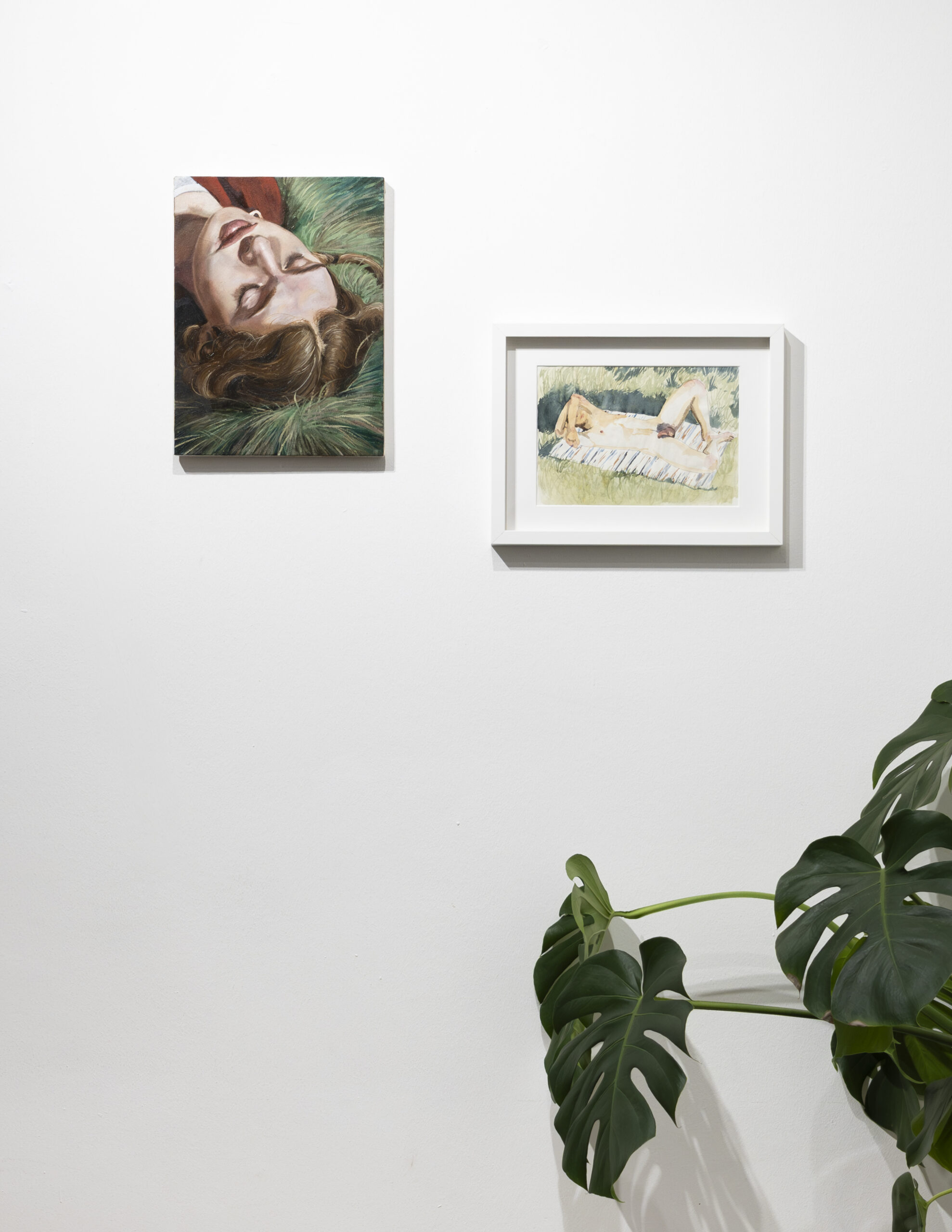
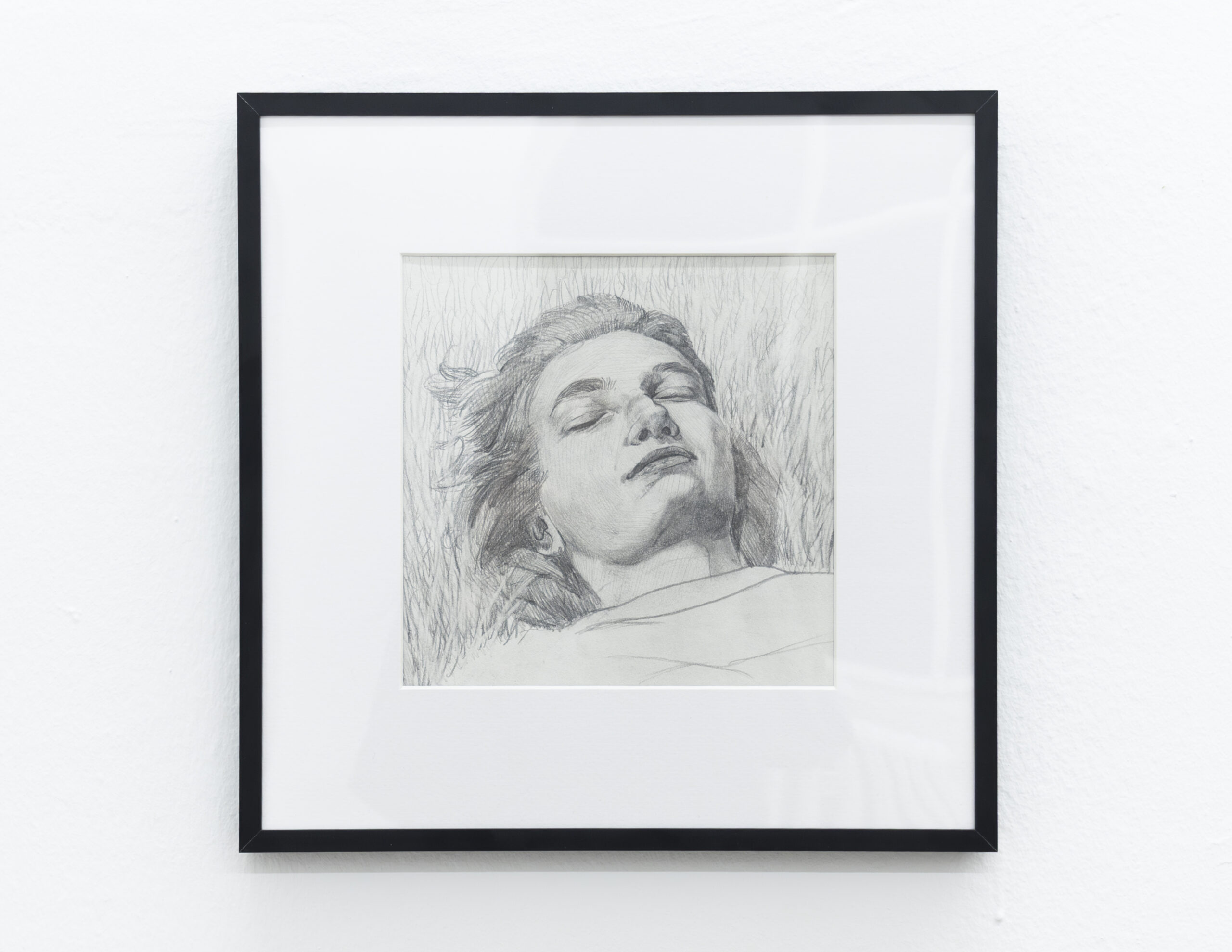
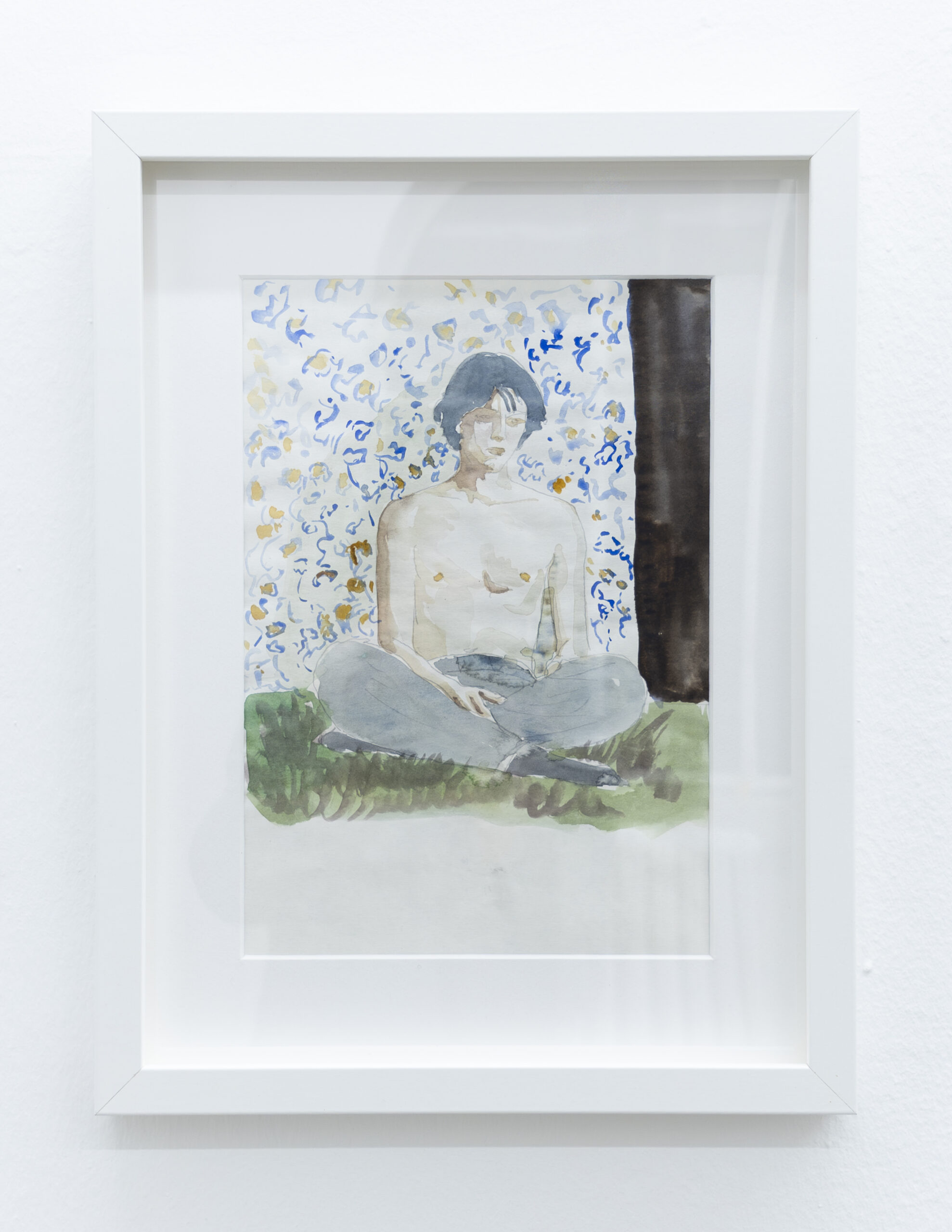
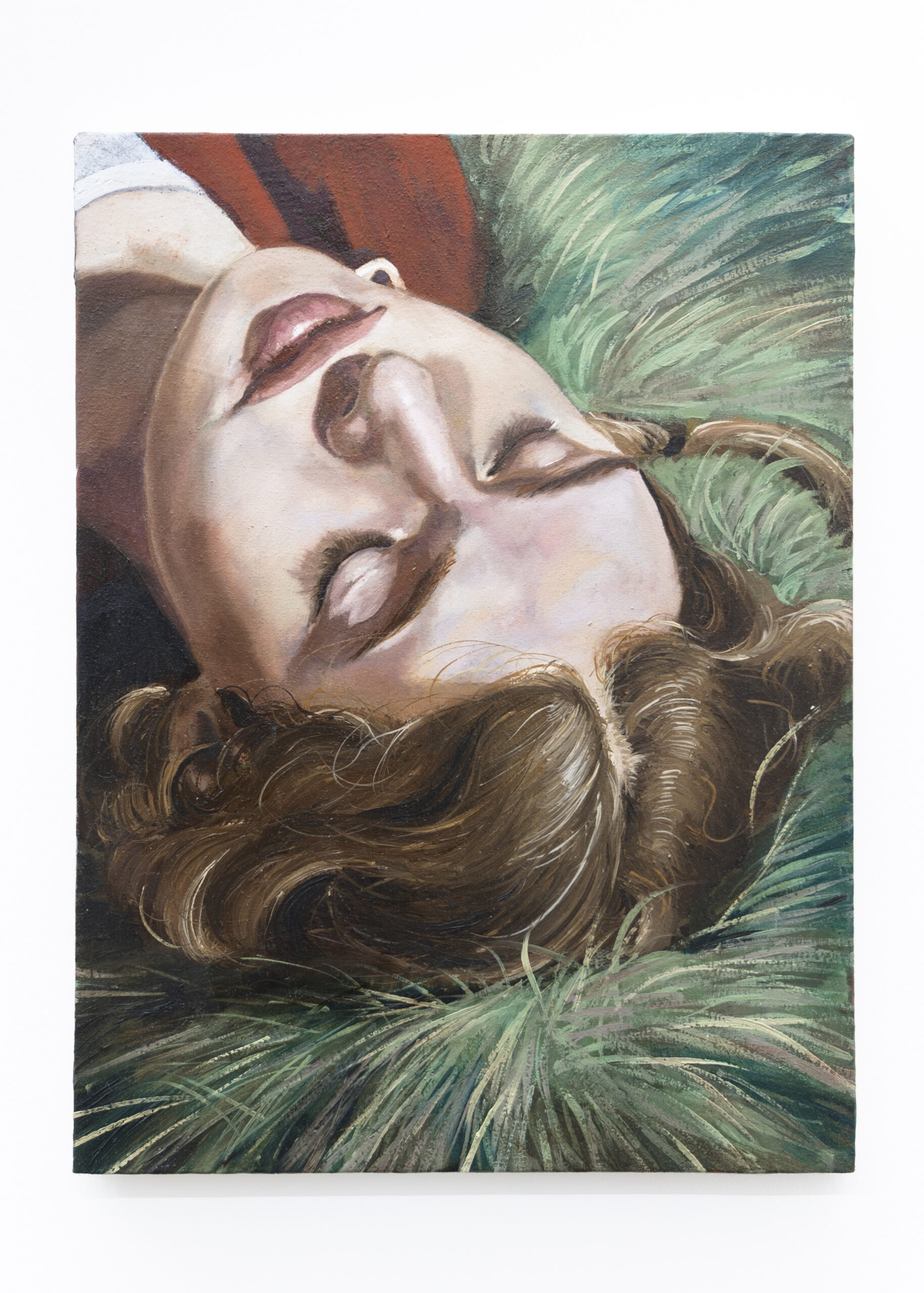
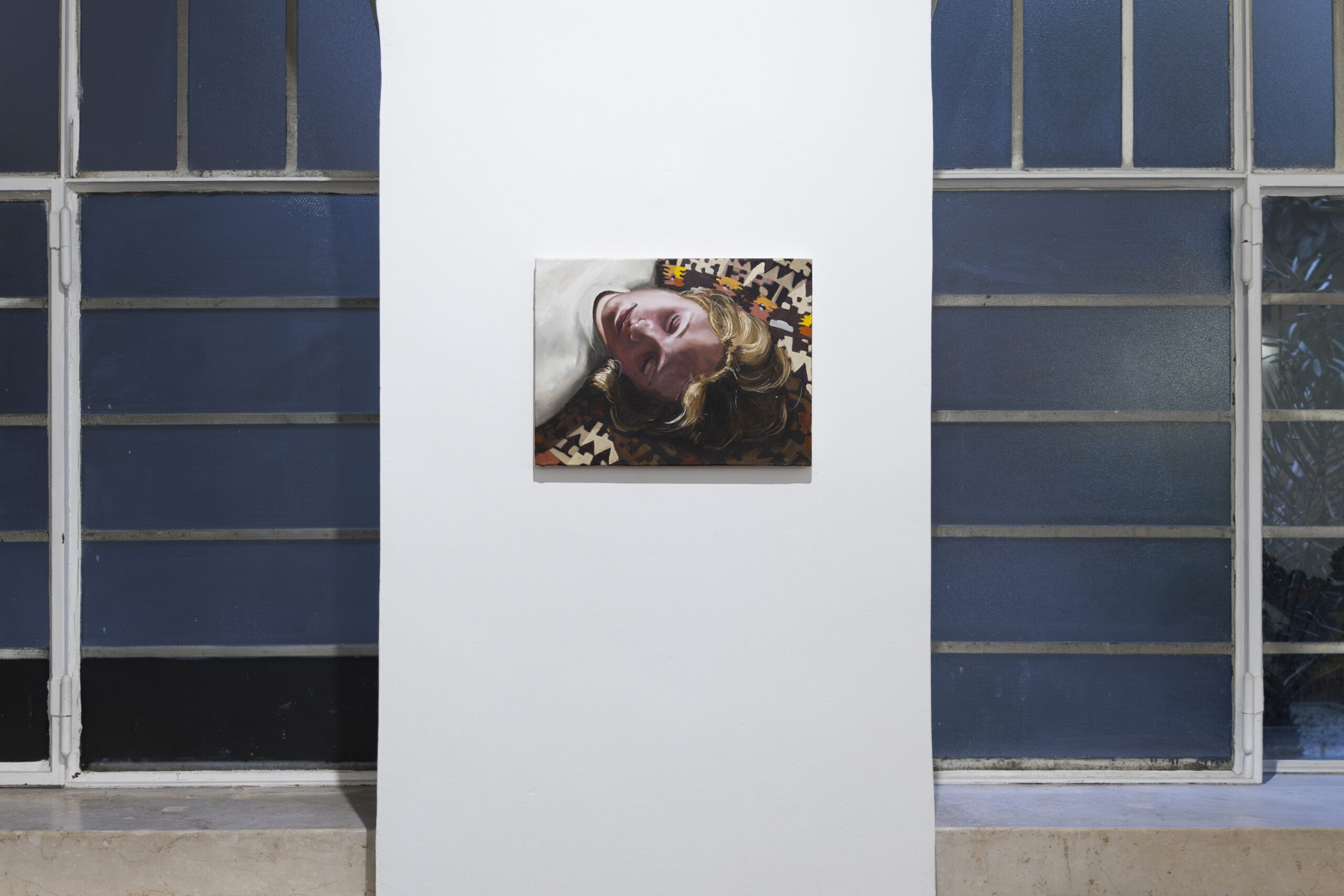
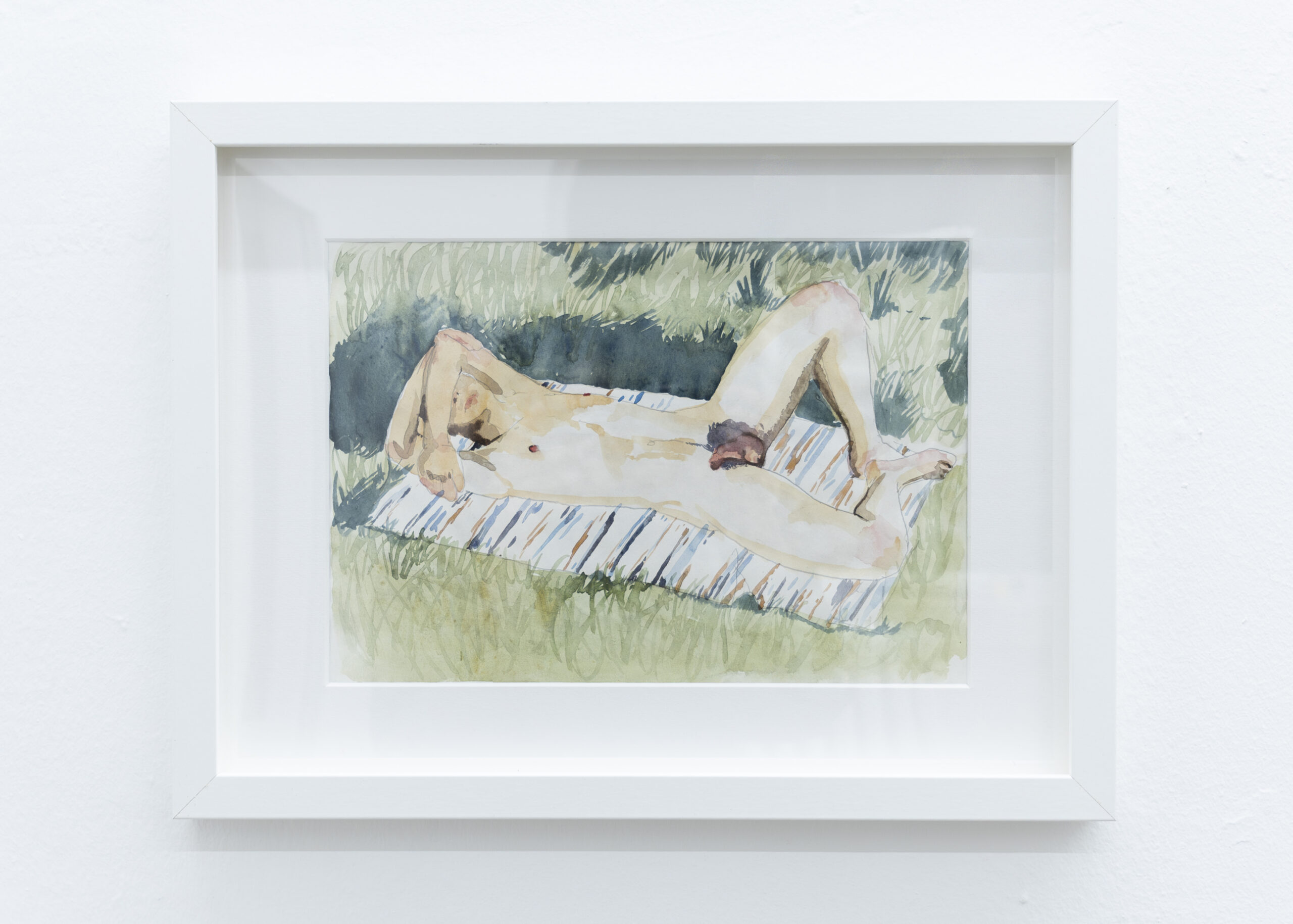
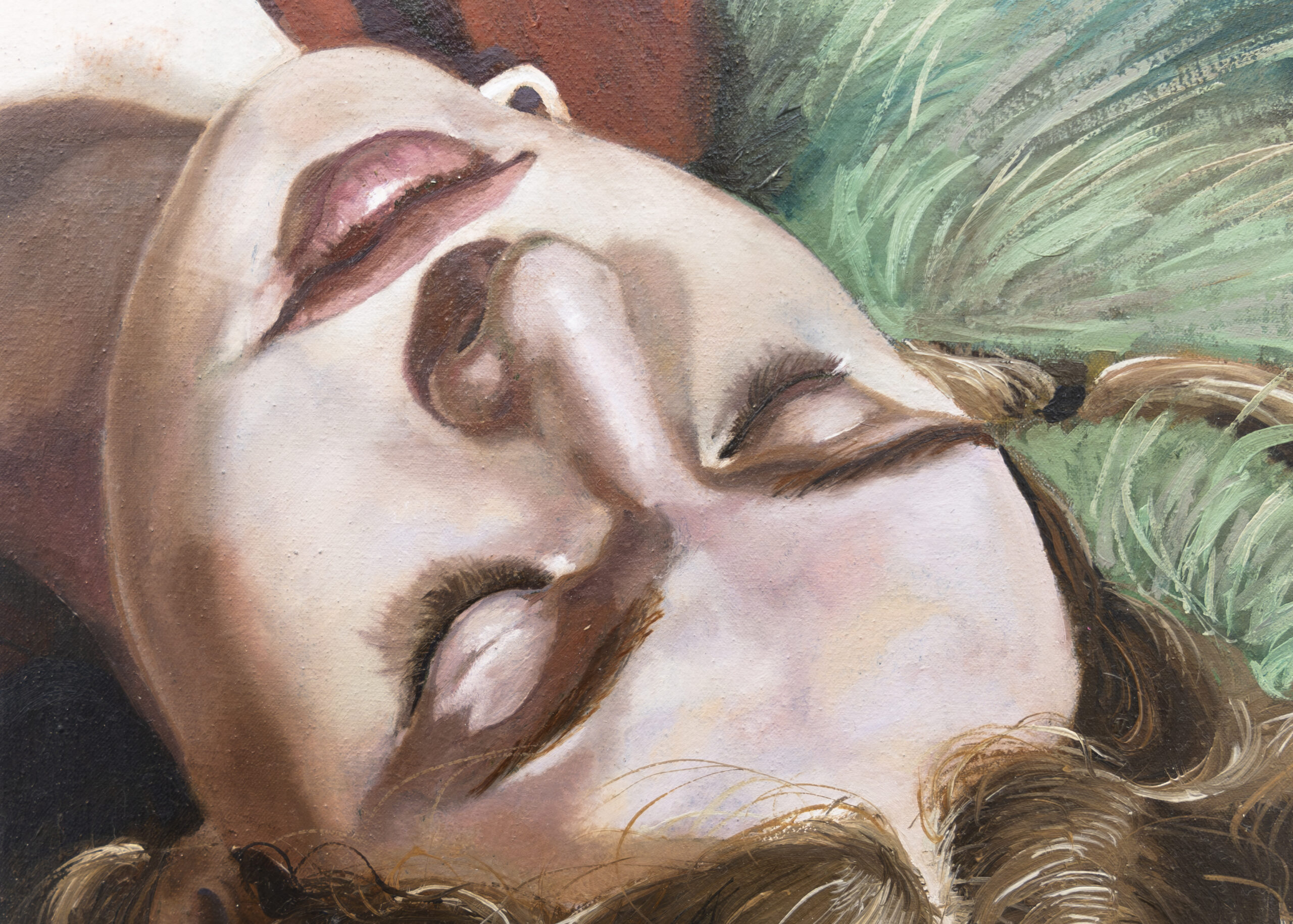
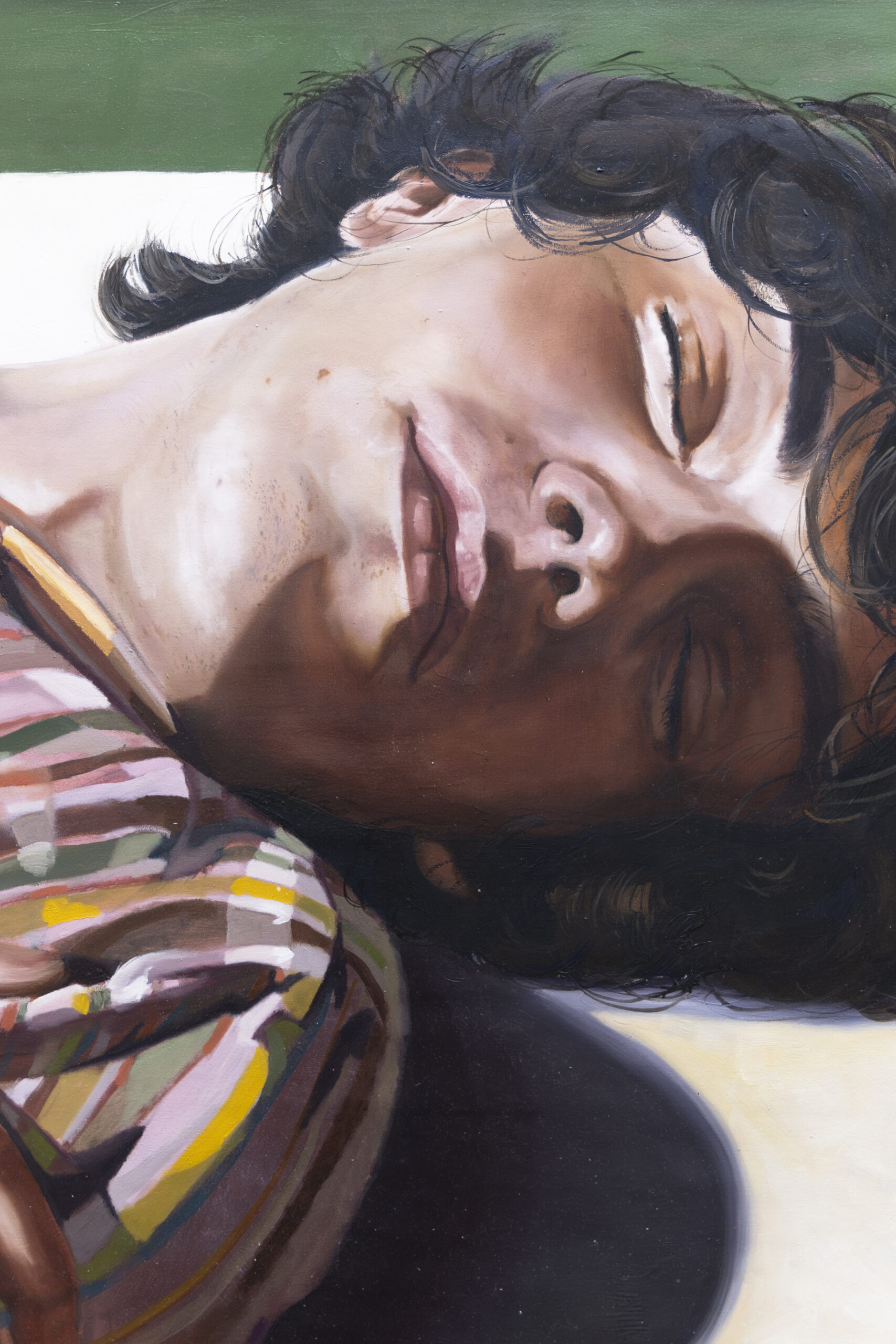
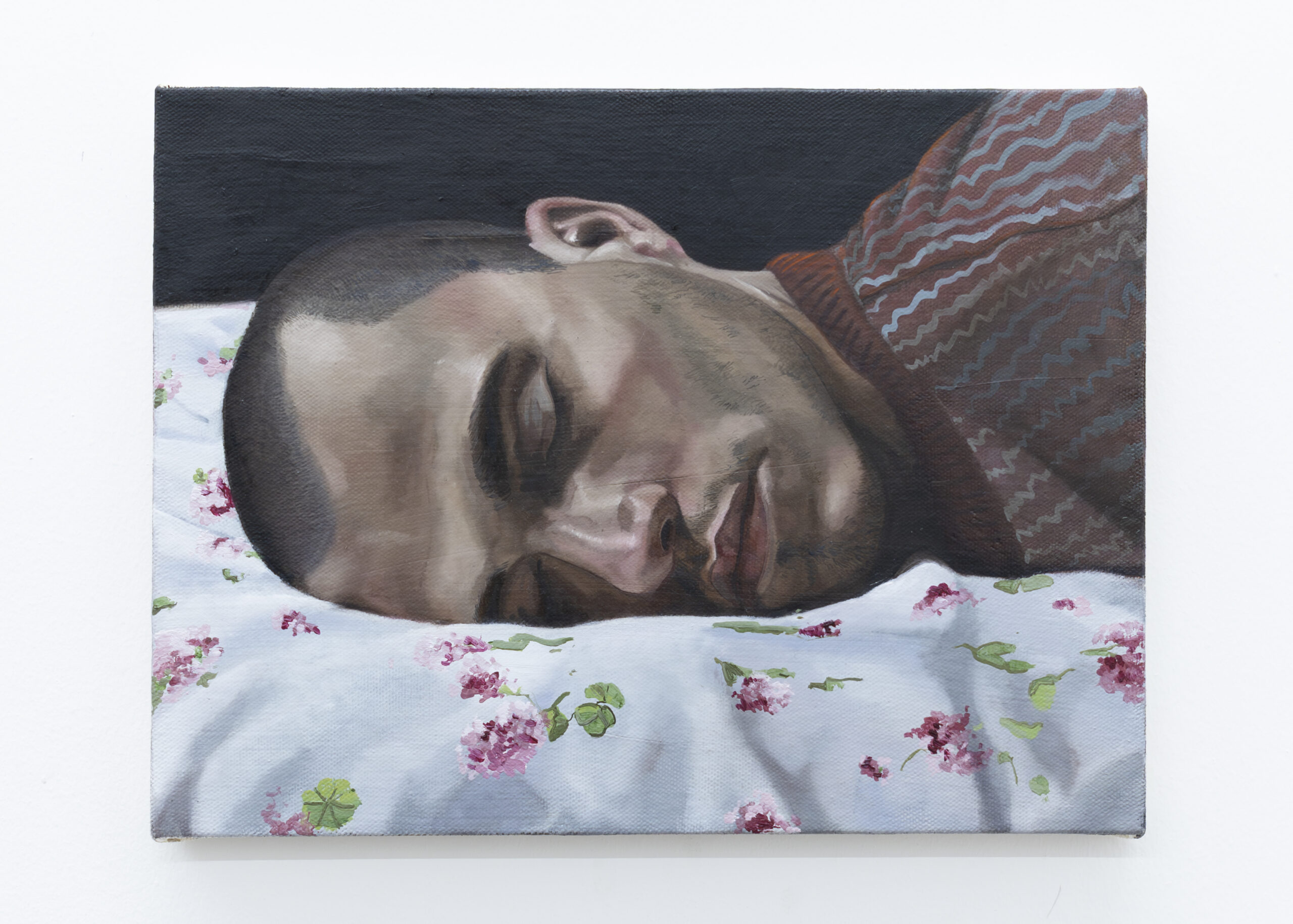
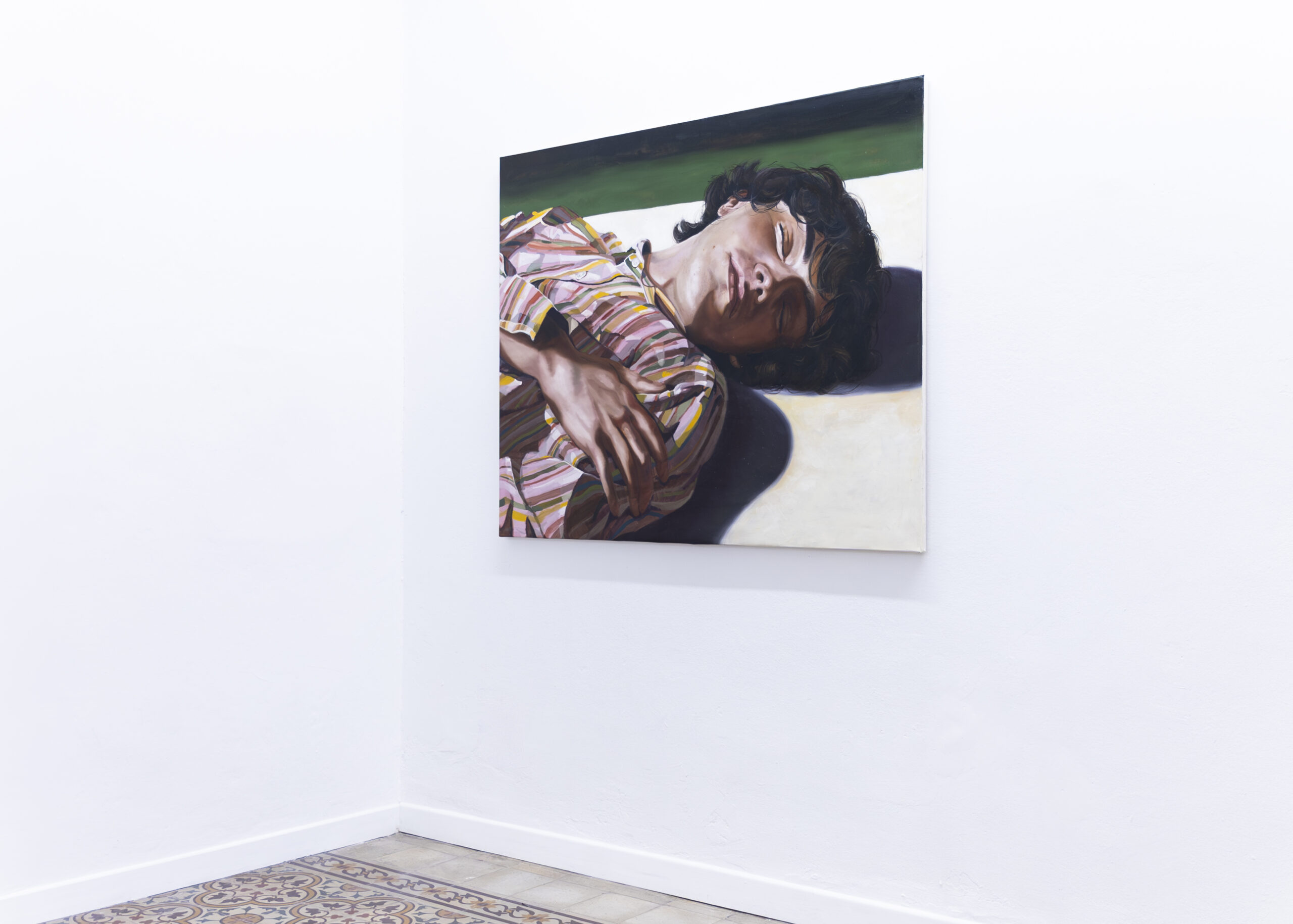
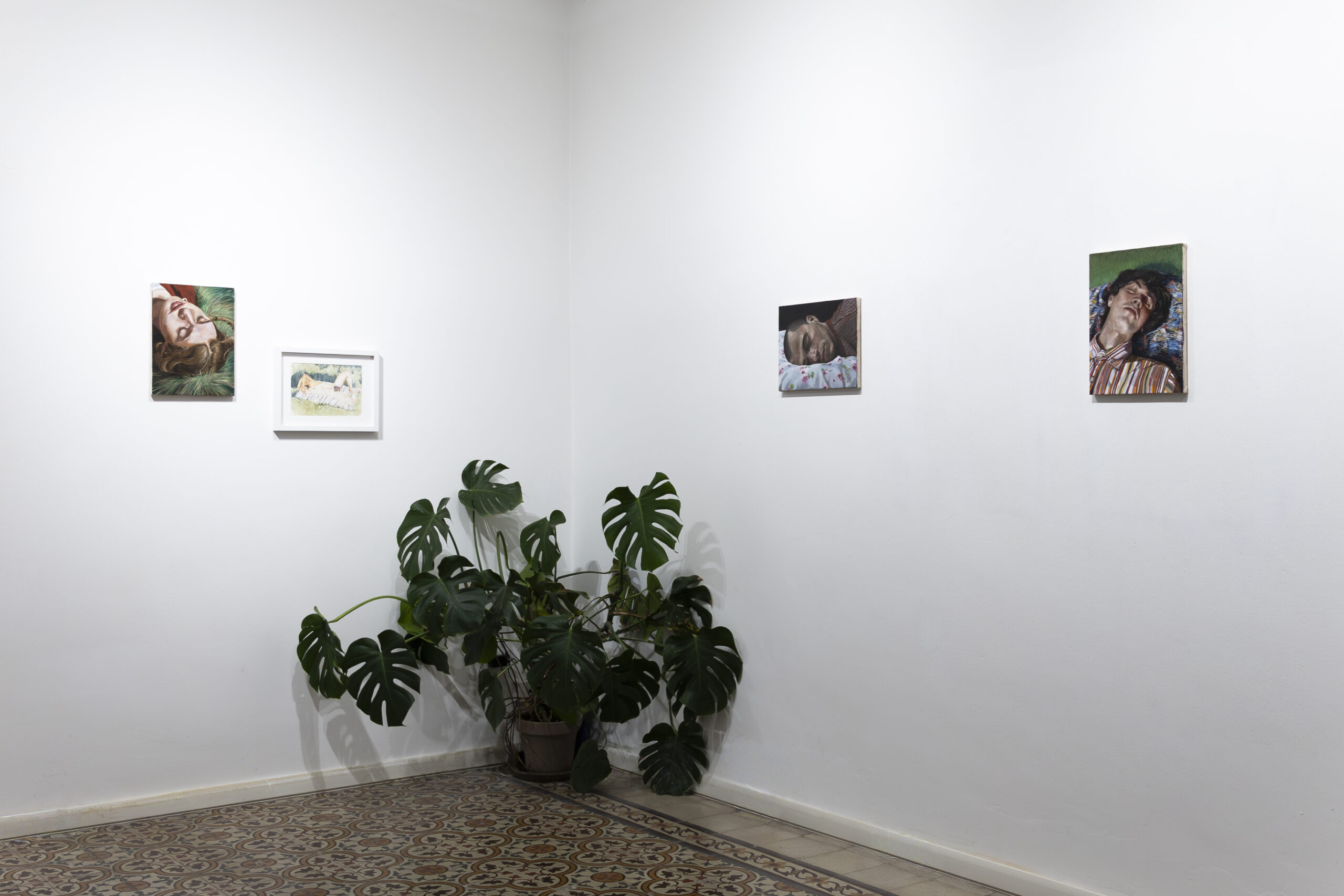
Jacopo Zambello’s artistic research moves along the edge between reality and imagination, where the ambiguity of his subjects and the insertion of unexpected elements transform the scene into a vibrant terrain, halfway between document and controlled hallucination. It is a method that structures
interconnected thematic cycles, almost like chapters of a visual novel, in which each figure opens the way to the next with a carefully crafted naturalness.
Guided by a conceptual horizon inspired by Jean Baudrillard, Zambello entrusts the image with the task of sowing doubt, revealing subtle sensitivities, and exposing the “short circuit” of contemporary humanity: oscillating, partly animal, partly a prisoner of habits believed to be objective until something, a light, a gesture, a sound, suddenly cracks them open. His source material is heterogeneous and nearly cinematic: 1960s archival pornography, amateur photographs, and meticulously constructed photographic sets. Zambello processes these materials first through drawing, the skeleton and underlying structure of the image, then through painting, which amplifies, complicates, and animates them.
The artist conceives the exhibition space as a single choral work: paintings hung at varying heights, monumental prints, overturned canvases, patches of synthetic grass. A subtle choreography of presences that together creates a narrative broader than the individual images.
The body, often nude and intimate, is his guiding thread/filled with rouge. Identity remains concealed, while the textures of fabrics do the speaking: kilims, floral bedsheets, colorful knitwear, surfaces almost more eloquent than the faces themselves. The canvases thus become cinematic planes in which one seems to catch a shift of light, the rise of a breath. For Zambello, the body is not only a subject but also a tool: a means of understanding the world, the living boundary that separates us from and simultaneously connects us to what surrounds us: the world.