


(ENG) Somalia: First National Pavilion at the Venice Biennale Arte
26.05.2026
[…] you have to understand,
that no one puts their children in a boat
unless the water is safer than the land
no one burns their palms
under trains
beneath carriages
no one spends days and nights in the stomach or a truck
feeding on newspaper unless the miles travelled
means something more than a journey […]
(fragment of the poem Old Spice by Warsan Shire, displayed as part of the Somalia Pavilion at Biennale Arte 2026)
A title of a three-floor display at the Venetian Palazzo Caboto, which until 22 November 2026 hosts the Pavilion of The Federal Republic of Somalia — Saddexley (from saddex, transl. “three”), refers to a triadic composition in poetry, used for rhythm, emphasis, and balance. In Somali oral tradition, poetry isn’t just literature. It passes through generations, carrying knowledge and holding memory.
Representing Somalia for the first time at Biennale Arte, artists Ayan Farah, Asmaa Jama, and Warsan Shire, together with curators Mohamed Mire and Fabio Scrivanti, cast new light on the term “Nation of Poets,” attributed to Somalis by the 19th-century British explorer and Orientalist Sir Richard Burton during his travels in the Horn of Africa.
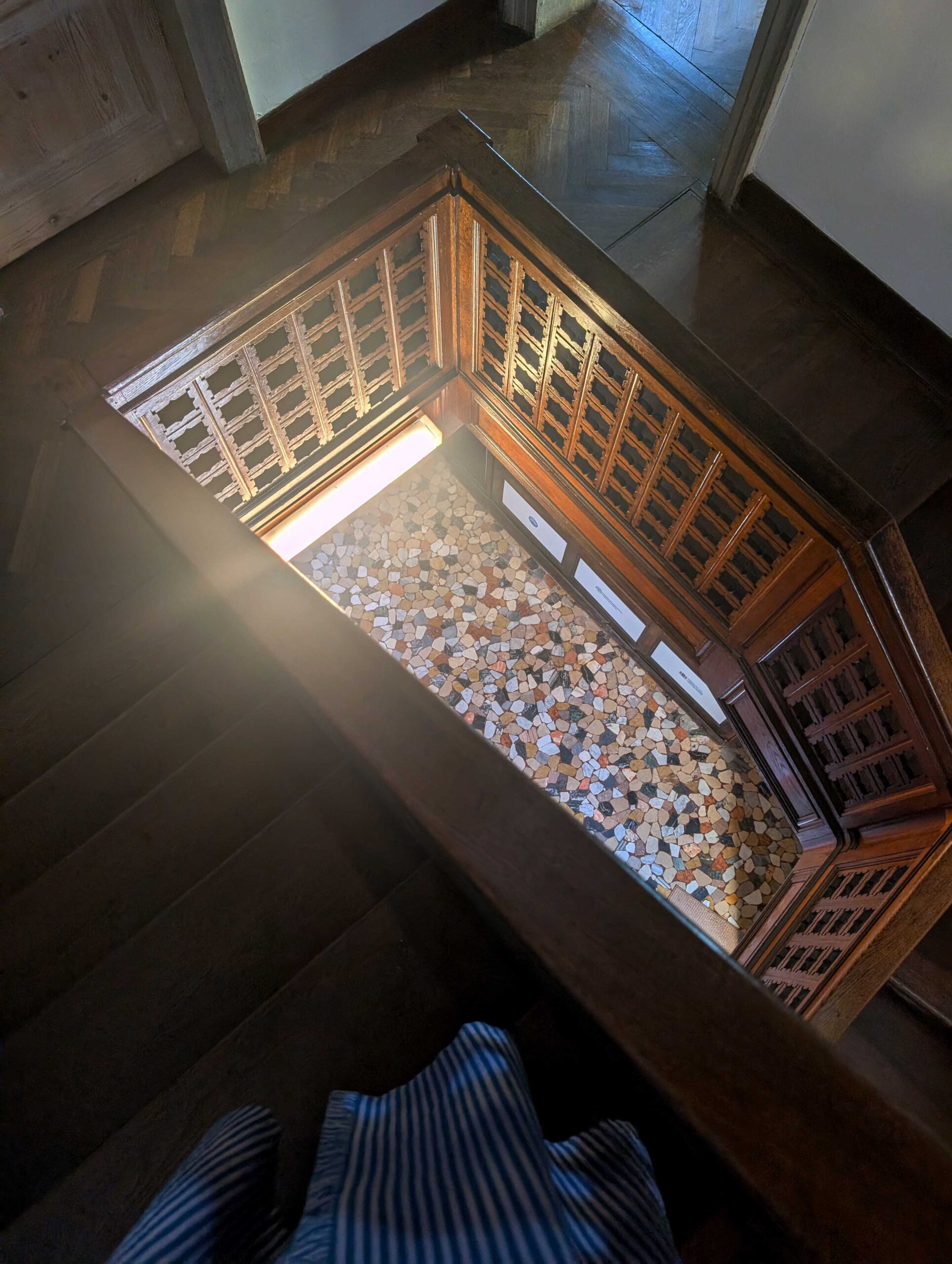
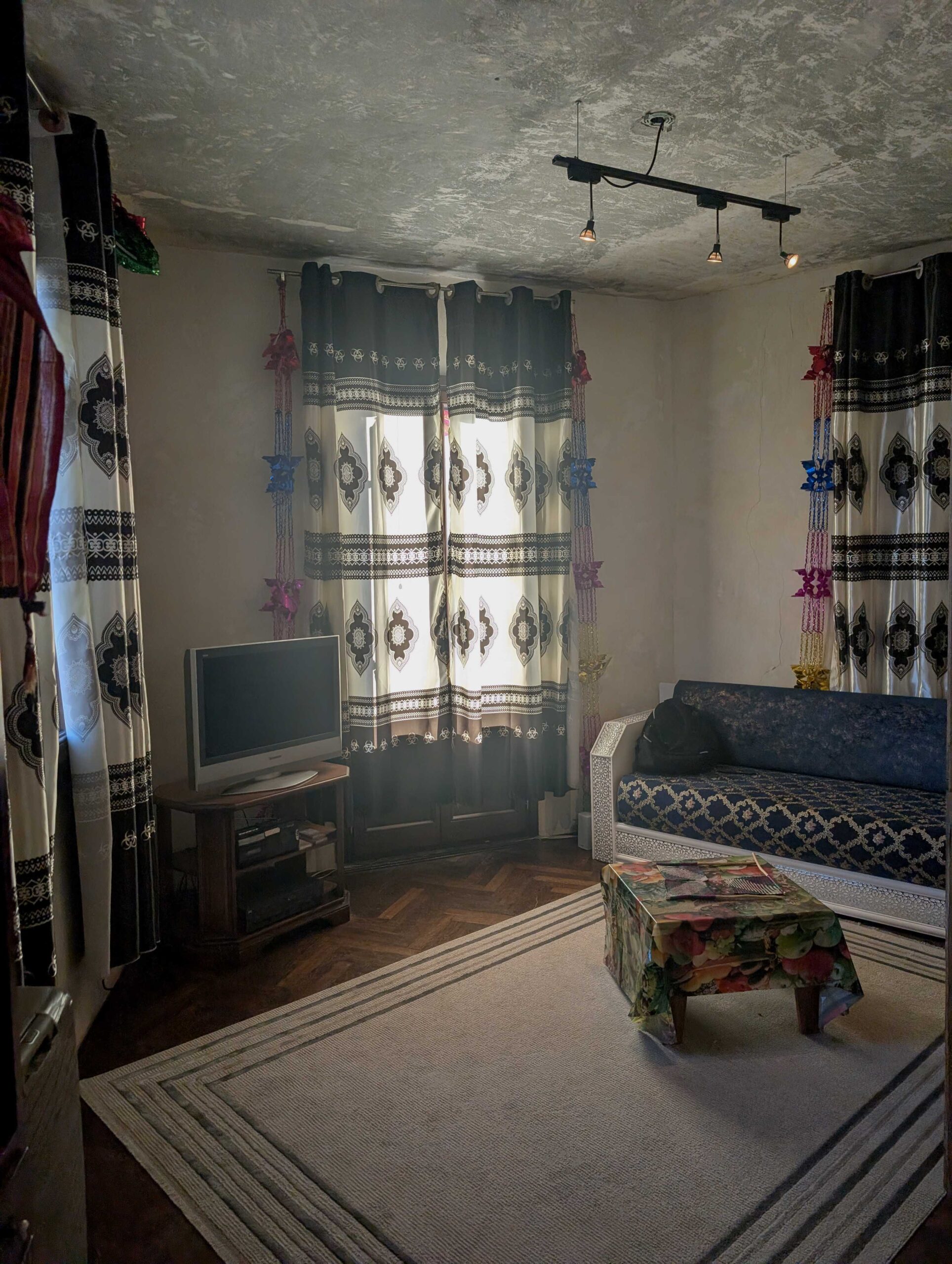
Saddexley, The Pavilion of the Federal Republic of Somalia at the 2026 Venice Biennale, installation views, ph Dobroslawa Nowak
This article was meant to be a roundup of the eight debuting national pavilions, but instead became a close-up on just one. Other new representations—the Republic of Equatorial Guinea, the Republic of Guinea, the Republic of Nauru, the Socialist Republic of Vietnam, Qatar, the Republic of Sierra Leone, and El Salvador—are scattered across Venice and beyond, reaching as far as Isola di San Servolo, which turned out to be, I admit, one of the logistical reasons the original plan proved difficult to carry out.
Also, the visit to the Somalia pavilion reminded me once more how crucial it is to experience exhibitions before reviewing them, rather than simply studying them in theory, even in the most conceptual contexts. There is always something that cannot be grasped without physical presence. This exhibition is a vivid example: I didn’t expect to enter a Somali apartment, brought to Venice as a life-size reconstruction of a domestic interior, and I managed to experience it to the fullest.
The journey began at the graceful double entrance set into the narrow façade of the aristocratic residence, Palazzo Caboto, illuminated by strong sunlight washing over the building. The experience is further shaped by its proximity to a Venetian canal, where the sound of water splashing and people chatting, gathering near the water, can still be heard. At the threshold, the scent of Somali incense accentuates the presence in the here and now.
Past the door, the creaking wooden stairs led to the first floor: a full-size Somali living room with a television flickering and buzzing and a large black backpack left nonchalantly on the sofa, later explained to me as a reference to the nation’s nomadic culture. It genuinely felt as if someone had left it only a minute earlier, having stepped into the bathroom or the kitchen to make a sandwich before heading out again. Interestingly, the idea of travel sits at the core of the location itself, as Palazzo Caboto takes its name from Giovanni Caboto, the Venetian navigator who sailed for England in 1497 and reached the coasts of North America.
Displayed across three floors of the exhibition are literary works by Warsan Shire, textile pieces by Ayan Farah, and film and installation works by Asmaa Jama, turning Saddexley into a triadic poem.
Warsan Shire’s first pamphlet, Teaching My Mother How to Give Birth, was published in 2011, and her debut poetry collection, Bless The Daughter Raised By A Voice In Her Head, was published in 2022. She also wrote the short film Brave Girl Rising, which highlights the voices of Somali girls in Africa’s largest refugee camp. In the exhibition, the artist’s texts are presented on several panels throughout the rooms, in a simple font, white letters on a black background. This essential form contrasts with the intensity of the poems. Each one strikes when we least expect it.
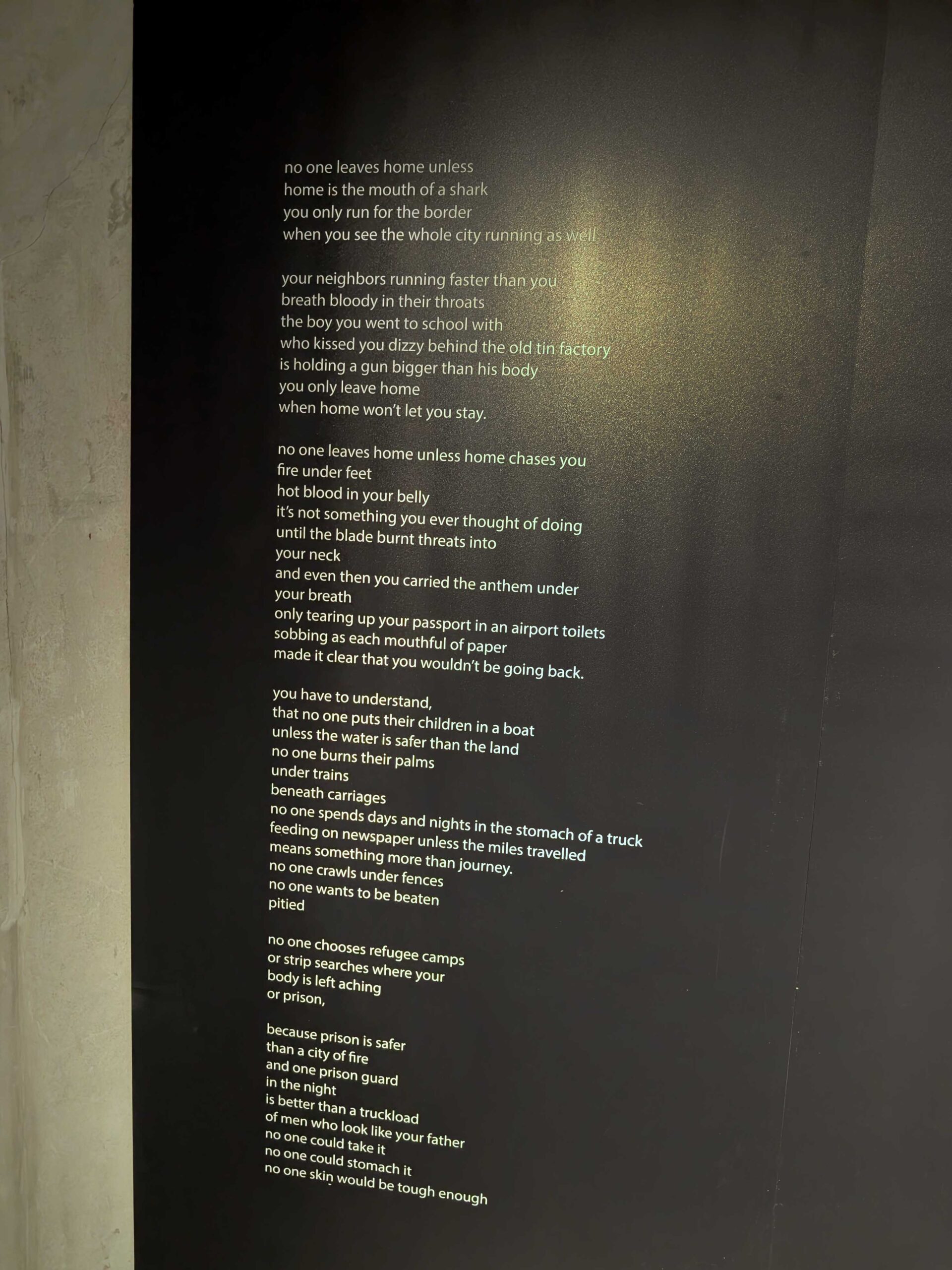
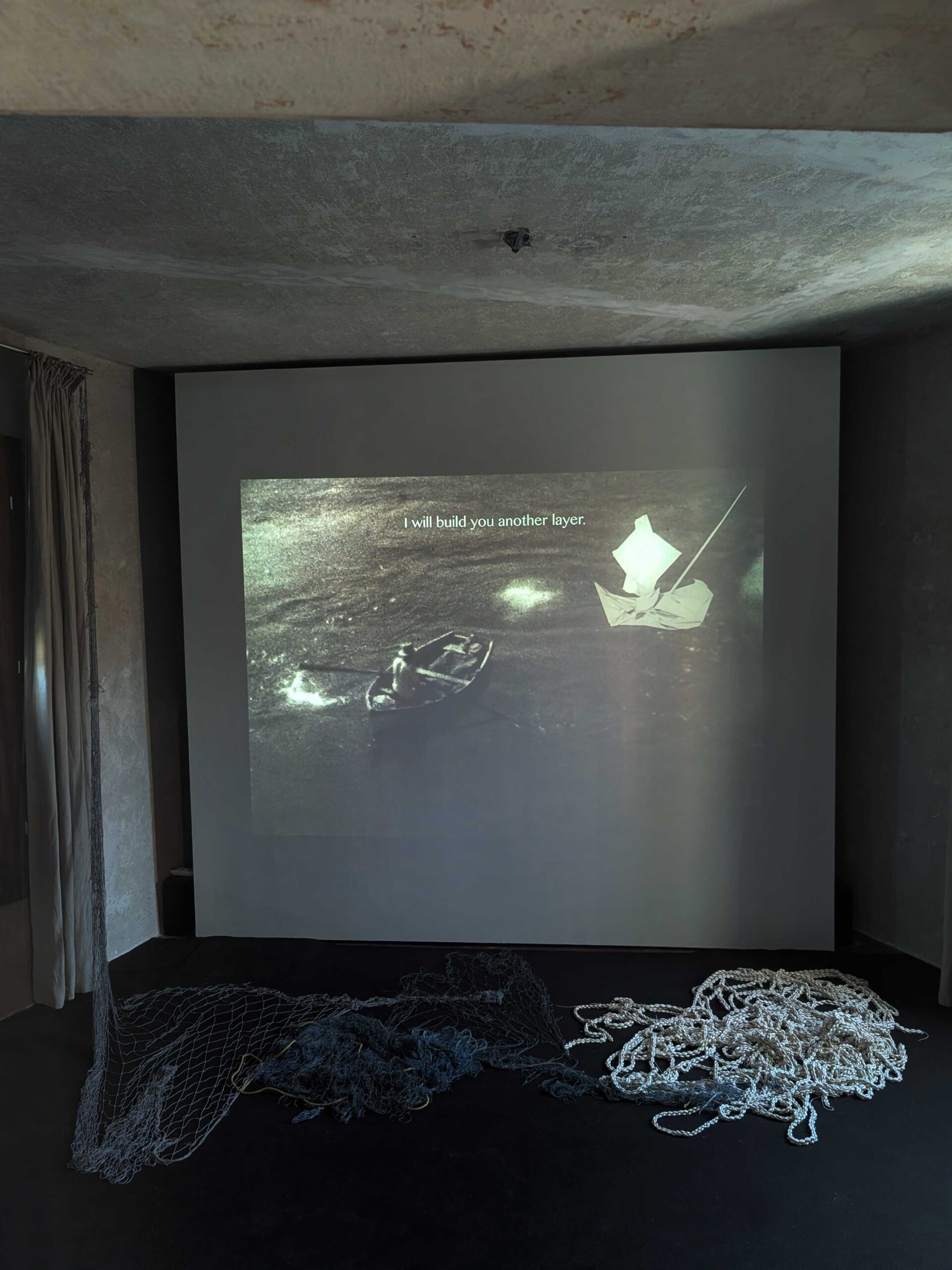
Saddexley, The Pavilion of the Federal Republic of Somalia at the 2026 Venice Biennale, installation views, ph Dobroslawa Nowak
As we move from one room to another, large wheat-colored textiles spread across frames fill the entire space, from the door on the left to the window on the right, with a view of the canal. The situation repeats on the upper floor. Ayan Farah works across painting, embroidery, and installation, exploring landscape as a space where geology, labor, politics, and colonial histories intersect. She investigates land, water, locally sourced sediment, and natural elements. The artist researches the idea of the knowledge embedded in materials as a carrier of memory.
An installation composed of several fishing nets thrown under the wall, with a video projected on it, may have been a concept that’s too scenographic to work, yet, with the reasonable juxtaposition of elements, it came together subtly. At the center, a collage of Super 8 mm archival videos with lines of text and color graphics emanates a rhythm and feeling. The outside light filters into the room through small openings shaped like distinctive symbols in the black window covering. Asmaa Jama’s poetry has been widely acclaimed and published in literary journals. As a filmmaker, Asmaa combines visual storytelling with themes of archival memory, myth, and diasporic narratives.
With such a distinctive presence, one may ask why it has taken Somalia 61 editions to appear among the national pavilions of the International Art Exhibition. Although the country experienced periods of cultural development after gaining independence in 1960, the collapse of the central government in 1991 made participation in such events effectively impossible, due to the absence of funding, state-level institutional support, and a stable cultural infrastructure. In the decades that followed, Somalia endured civil war, fragmentation, terrorism, humanitarian crises, and persistent institutional instability.
It wouldn’t be biennalesque if no criticism was raised. The three artists chosen to represent Somalia are diaspora voices, raised and living in the UK, Sweden, and Denmark. Therefore, some Somali artists and organizations challenged the pavilion for not sufficiently involving artists working inside Somalia itself.
Exhibition details:
Title: Saddexley, the Pavilion of the Federal Republic of Somalia
Artists: Ayan Farah, Asmaa Jama and Warsan Shire
Curators: Mohamed Mire and Fabio Scrivanti
Site: Palazzo Caboto, 1645 via Giuseppe Garibaldi, 30122, Venice
Dates: 9 May – 22 November 2026
Promoted by Prime Minister of Somalia, Ministry of Information Culture and Tourism of Somalia, Ministry of Foreign Affairs of Somalia, Galerie Nordenhake,
Galerie Kadel Willborn