Marta Martynova and Stan Van Steendam – “In Good Shape” at S2

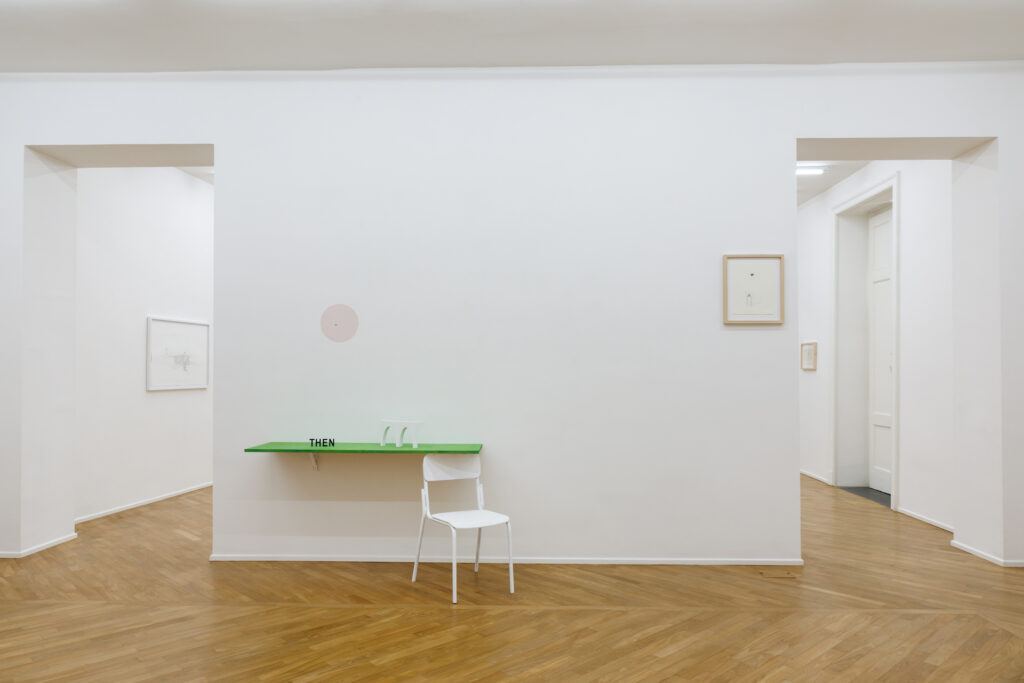
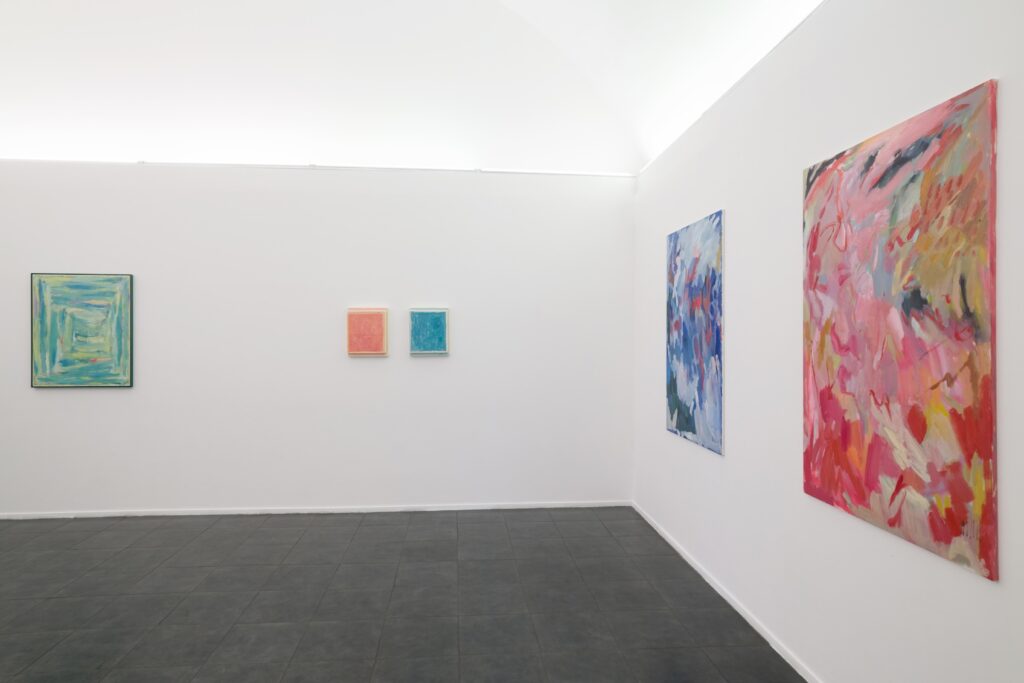
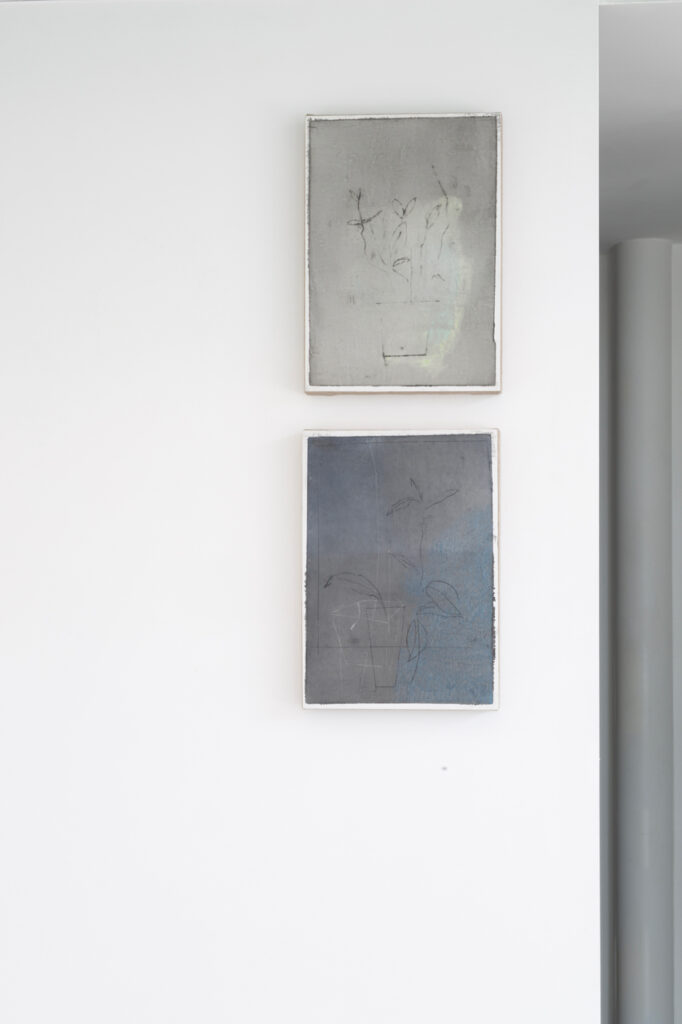
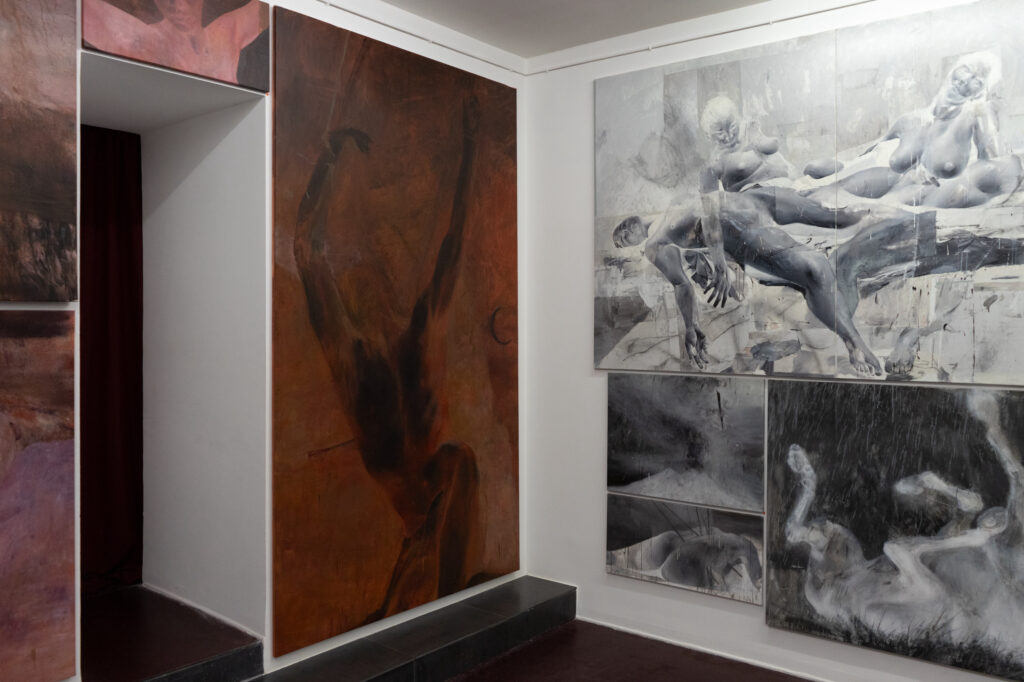
Marta Martynova and Stan Van Steendam – “In Good Shape” at S2 Solito Galleries is pleased to announce the participation in the second edition of the Napoli Gallery Weekend, by presenting “In Good Shape”, an extensive duo exhibition. The show will be held simultaneously in the two primary venues, S1 (located in the ex-Lanificio […]
Mohsen Baghernejad Moghanjooghi. Cellula

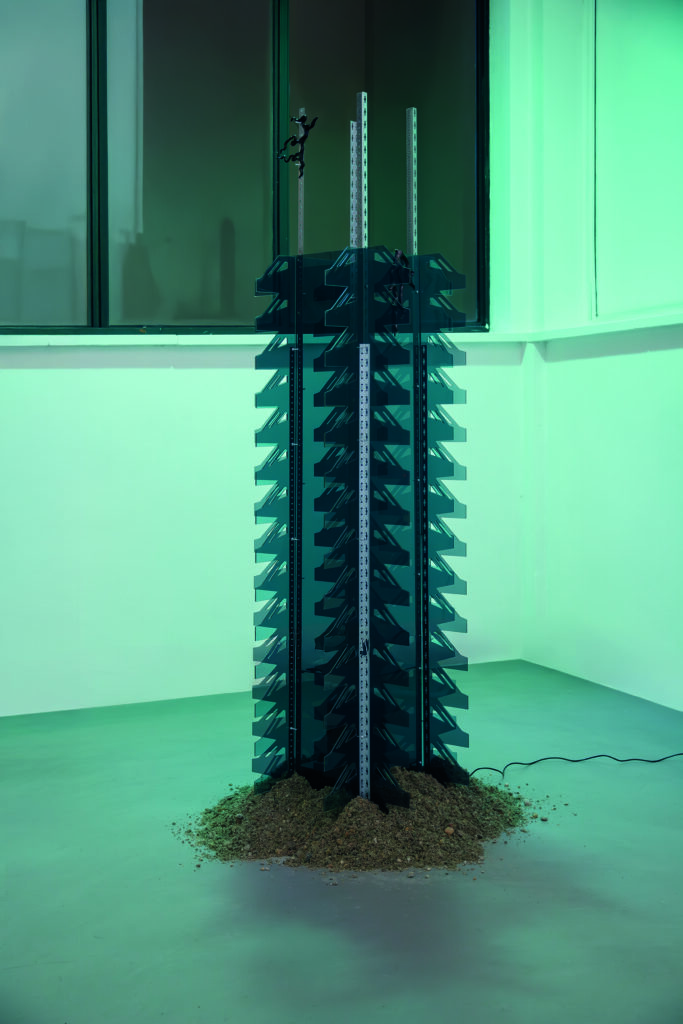
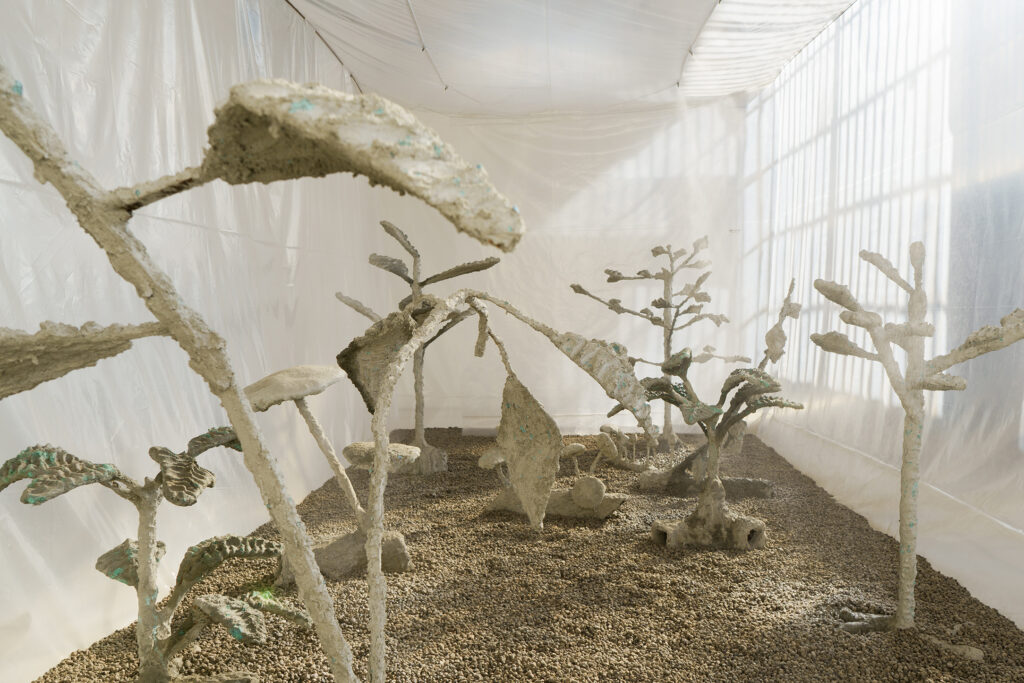
“Ogni giorno mi metto nella condizione di vedere cambiare il ritmo della mia vita, a partire dal momento in cui apro gli occhi, esco dal mondo dei sogni, vedo Davood, lo tocco, sento il contatto con i suoi peli, e il ritmo del tempo cambia. Vado in bagno, mi lavo la faccia, e subito dopo, appena lavo il viso, il ritmo cambia: prima gli occhi, poi subito lo stomaco. Preparo il caffè e mi appendo alla barra per fare trazioni. Dopo qualche secondo, il ritmo del tempo cambia ancora. Il caffè suona, lo bevo, e il tempo si modifica. Nel frattempo, Ila è sempre nel sottofondo, una presenza che cambia completamente la mia percezione del tempo: vederla, toccarla, parlarle. È quasi un anno da quando ho acquistato un terreno agricolo, dove studio. Non appena ho preso questa decisione, ho lasciato il mio lavoro da restauratore per cambiare il ritmo della mia vita. Mi sto legando lentamente al ritmo della natura e delle stagioni, con tutti i loro imprevisti. È un’esperienza emozionale, non convenzionale. Da qualche mese ho aperto una piccola azienda agricola, che si chiama ‘D’io, bio’. Il nome nasce da un’opera di Gino De Dominicis e dalla parola ‘Bio’, che richiama il concetto di biologico. Noi siamo qui, sulla terra, con tutti gli imprevisti che essa porta. Avevo scelto questo nome per il mio progetto di due anni fa a Santa Severina, in Calabria, e ora è diventato il nome della mia azienda agricola. Avere uno studio all’interno di un’azienda agricola è un tentativo di cambiare la percezione del ritmo del tempo, del modo di pensare, agire, produrre, vedere, guardare, e forse capire. Tutto questo succede nel passare del tempo. La mostra presenta una cellula in cui il passaggio del tempo cambia in base alle condizioni che abbiamo creato. Ecco l’uomo, il creatore delle condizioni per la sua sopravvivenza in questo universo.” (Mohsen Baghernejad Moghanjooghi)

The Air is Subtle, Yet it Moves

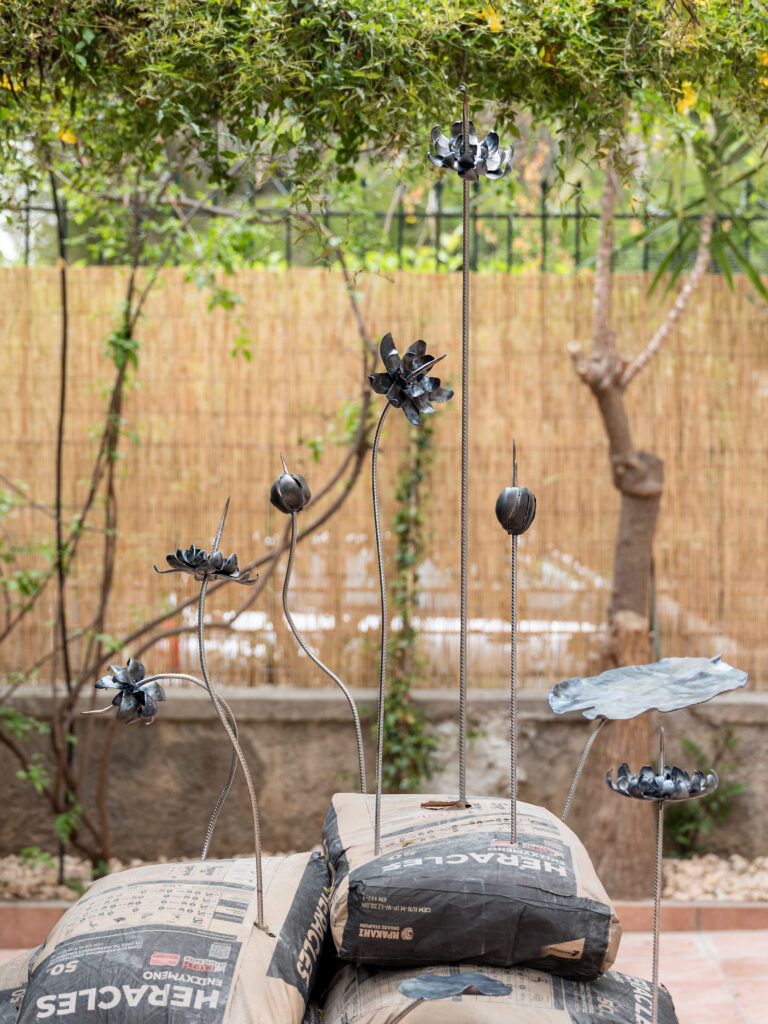
The Air is Subtle, Yet it Moves “The Air Is Subtle, Yet It Moves” brings together paintings, sculptures, installations, videos, and performances by acclaimed Greek and international artists. The exhibition is held in a new space that revamps an early 20th-century building at Kypriadou Garden City in central Athens.“The Air Is Subtle, Yet It […]
Statt’ Chiù Sciolto

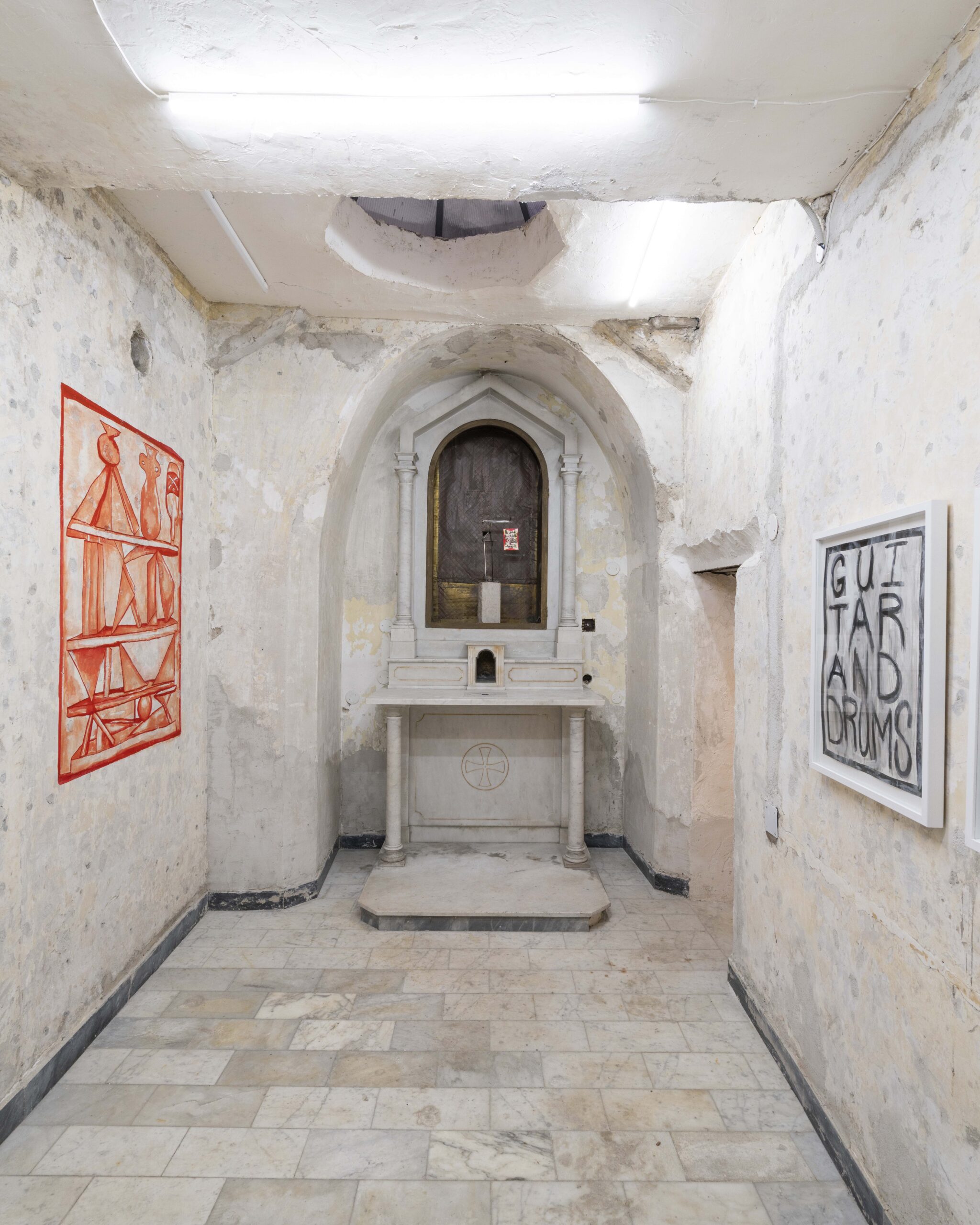
Statt’ Chiù Sciolto Flip Project is pleased to present Statt’ Chiù Sciolto, a solo exhibition by Argentine artistSantiago Cucullu.The title draws from a recurring attitude in Cucullu’s practice—a kind of visual mantra that here takes form through a boldly rendered wall painting in red, black, and white. Somewhere between exclamation and resignation, OH NO […]
IN DISSOLVENZA

IN DISSOLVENZA I GIARDINI DELLA PITTURAFra le possibili vie dell’evocazione di immagini, ce n’è una, che accomuna le ricerche di Debora Fella e Mariangela Zabatino, che punta tutto sulla sedimentazione di tracce: frammenti di realtà che vanno a depositarsi nella memoria per essere restituiti trasfigurati nella pittura, e la cui possibile esistenza è tutta esclusivamente […]
“LAVA” di Bosoletti

“LAVA” di Bosoletti Gallerie Riunite è lieta di ospitare la nuova personale di Bosoletti, in mostra fino al 18 Luglio 2025. In occasione di questa nuova mostra a Napoli, l’artista argentino presenterà 33 nuove opere dipinte con tecnica mista su tela. Di seguito riportiamo il suo testo: “C’è qualcosa di romantico nella scoperta delle […]
Love

Love, a solo exhibition of Andréa Spartà at Kaiserwache, Freiburg Im Breisgau, with a text by Ilja Zaharov, photo by Stefan Lux
A partir daqui só há dragões

A partir daqui só há dragões Matèria is proud to present “A partir daqui só há dragões”, Francisca Valador’s debut solo show at the gallery. Opening on April 29, the exhibition, part of the program celebrating the gallery’s 10th anniversary, offers a comprehensive view of the artist’s evolving practice, where the boundaries between painting, sculpture, […]
Look deeper and eventually you’ll find nothing

It would come at first glance, in order to gather the diversity of materials displayed, to distinguish between visual works, installations and works of a more conspicuously speculative mark, if this were not the very gesture that defaults what is shown here. Already the title, direct and at the same time mocking, exhorts through the gaze to reflect the relation of meaning, going beyond an attribution of it by familiarity (screens with screens, images with images, objects with objects), but above all beyond the definition of what in each of the objects is specific, beyond any of their singularity. To put it better, this singularity is given, but it is given by multiplication, by repetition and difference: whether we consider the works one by one as much as, I would say, if we force ourselves to think of them together as emanations of a conflict each time specific. In other words: the repetition of the gaze precedes, and it is it that makes possible, the conceptual formulation of the meaning of, say, a broken glass or the marks imprinted by the weather or by the vehicles of urban cleaning. Likewise, in an even more pronounced way, of the mound of cups or the casting of engraved beads, in the irony of the phrase (read in both senses, as the giving or dissipating of the true) they compose. Repetition as a matrix of meaning is, however, above all in the echoes that reach from one work to another: the narrative linearity (here abnormal) of the photonovel, already in itself questioned by the specificity of its medium, is even more so if the unfolding of its reel is superimposed on the frozen, interdicted continuity of the sentences on the teleprompter; equally could be said of the mimetic illusion constructed by the story on which one can only pronounce oneself by taking into account the hypotheses on linguistic and temporal truth formulated elsewhere. The non-dialectical, then, but cumulative, additional juxtaposition in and between works is a very speculative hypothesis, as if even before self-referentiality each medium first of all refers back to its relation to discourse, to language. And therefore makes it impossible – eventually – to sink into it, since it is only and always surface.
Kate Groobey – Angry, but calmer than before

Angry, but calmer than before RIBOT is pleased to present Angry, but calmer than before, the second solo exhibition in Italy by British multidisciplinary artist Kate Groobey (Leeds, 1979, lives and works between Yorkshire and the South of France). The title Angry, but calmer than before is taken from a group of small-scale watercolours […]