


Figure, not Figure
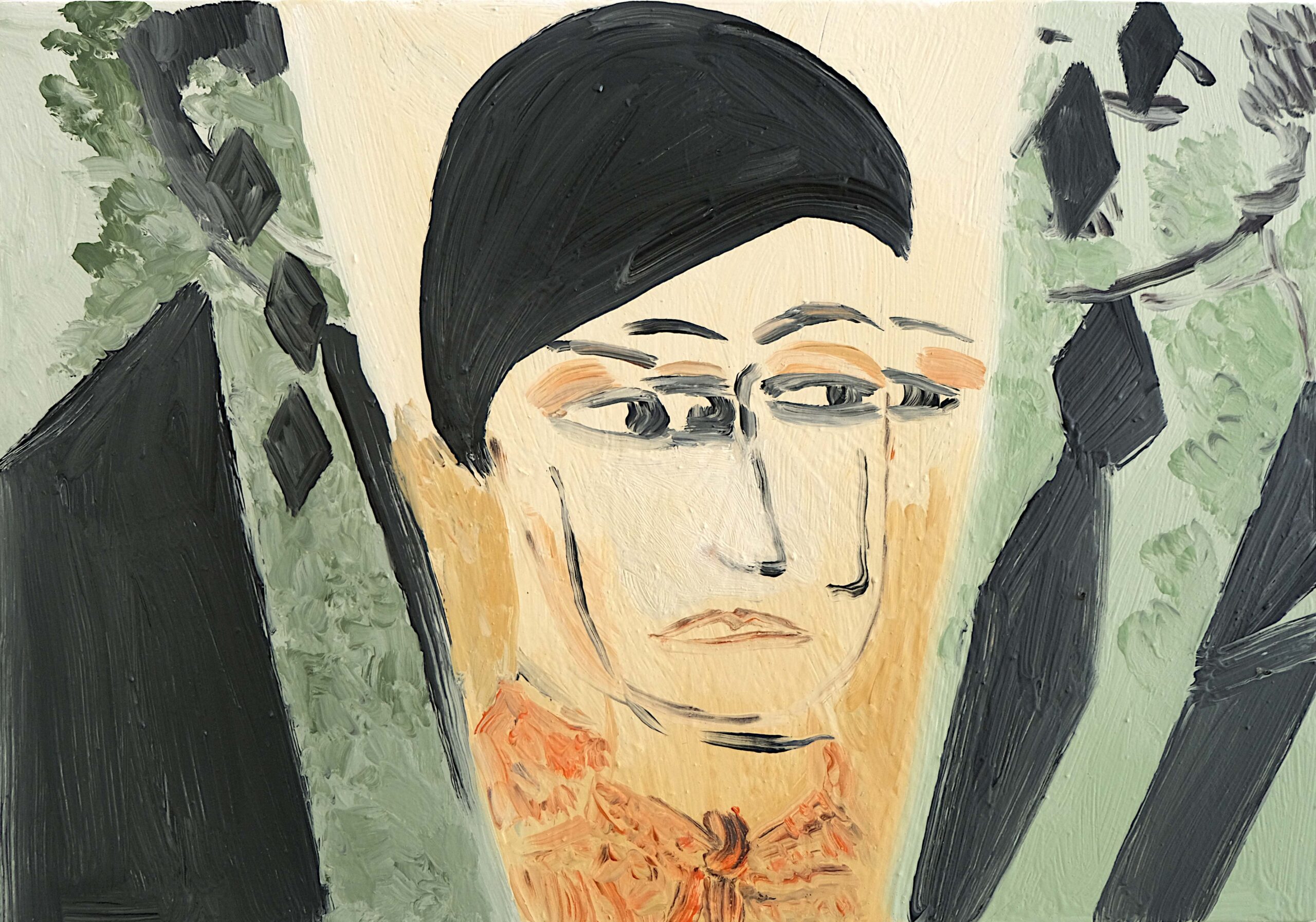
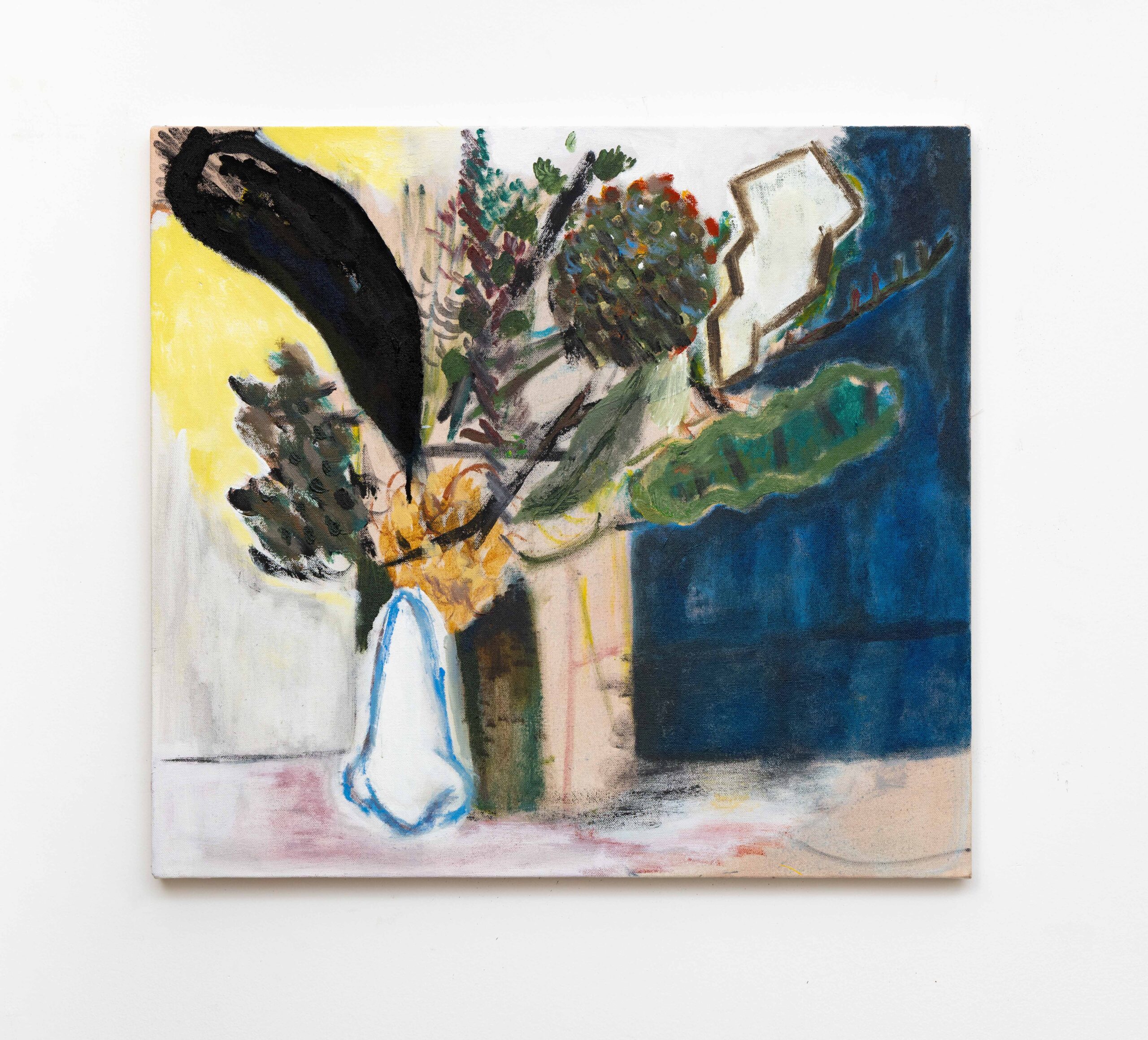
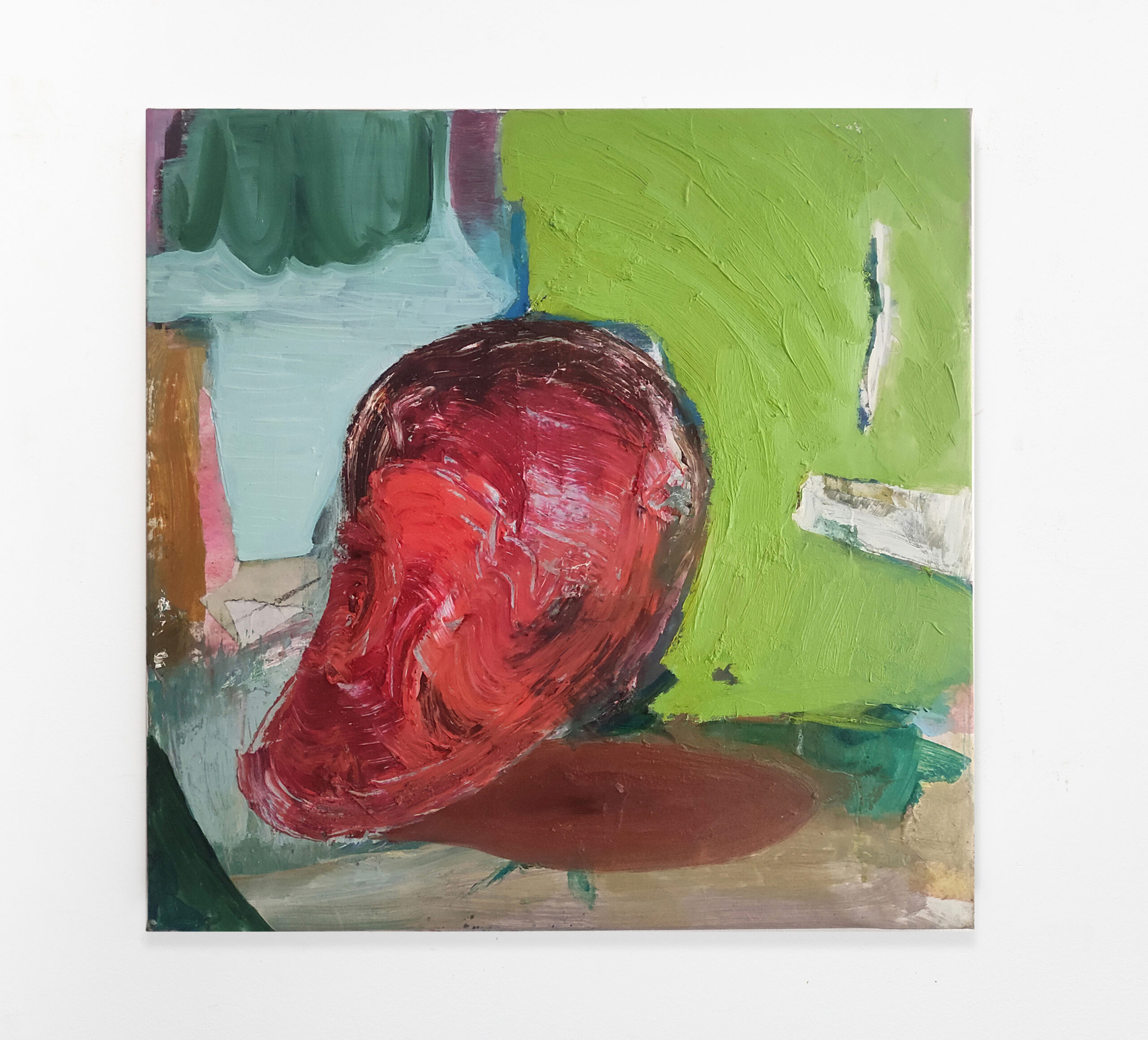
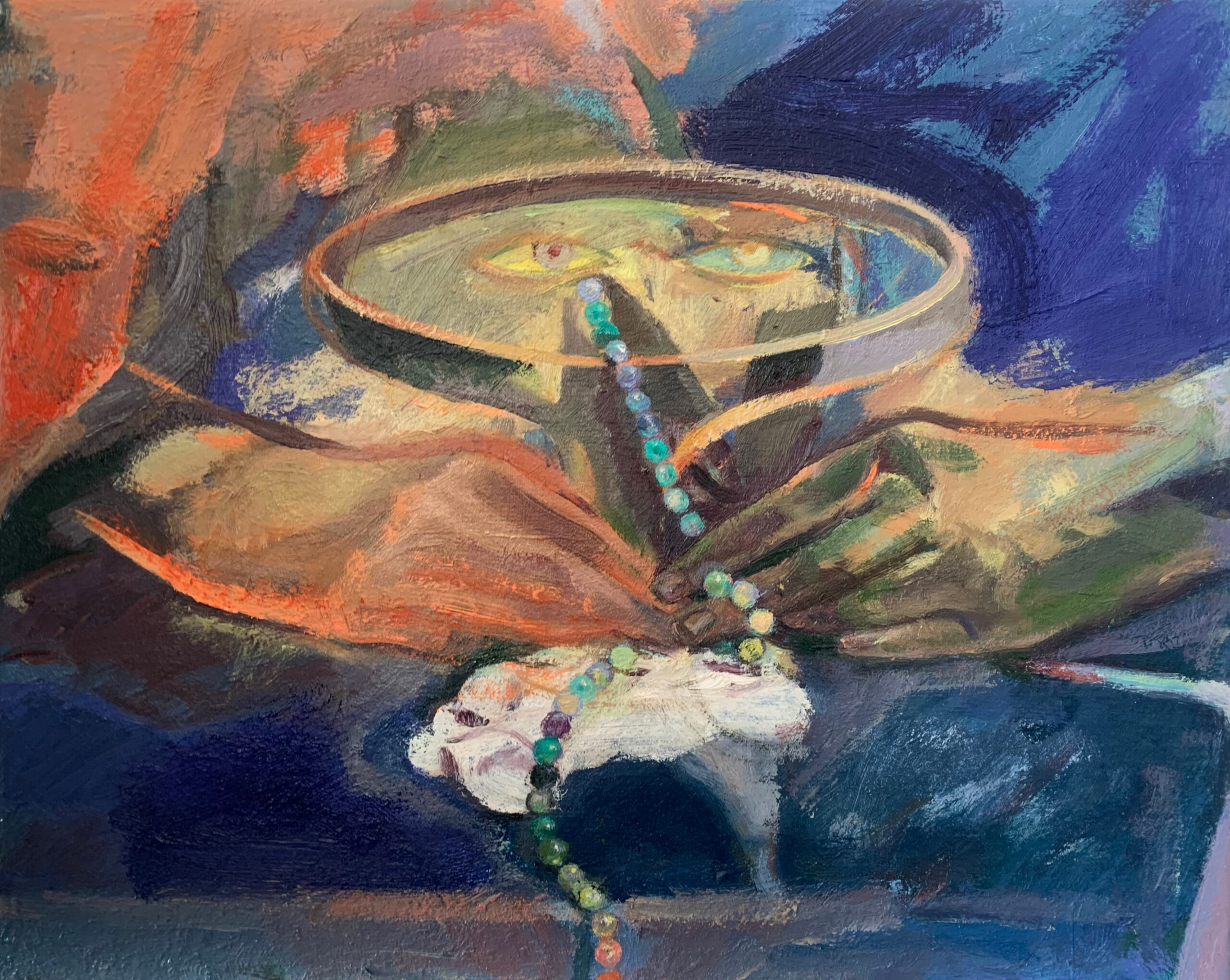
RIBOT is pleased to present Figure, not Figure, a project bringing together the works of four contemporary painters: Emmanuelle Castellan (Aurillac, 1976; lives and works in Berlin), Scott McCracken (Falkirk, 1987; lives and works in London), Mirela Moscu (Sibiu, 1986; lives and works in Cluj-Napoca), and Luca Zarattini (Codigoro, 1984; lives and works in Turin).
The shortest distance between two points is a straight line. In painting, it is not.
The path leading from tangible reality to its representation is neither immediate nor linear. To move beyond it — to reach that “state transition” from figuration to the Informal through abstraction — requires a vital, precipitous, deeply personal leap. At times, this movement unfolds subtly and strategically; at others, it erupts into a catharsis of forms through moments of chaotic epiphany. The painter who emancipates themselves from strict fidelity to the real or the recognizable — to the familiar and the credible — embraces a risk that, veiled in ambiguity, may compromise plastic values historically regarded as resolved.
The project stems from this formal yet poetic reflection, giving shape to an exhibition that intertwines the practices of four artists from different backgrounds, united by layered and highly personal interpretations of contemporary figuration. At the core of the works — whether explicitly present or only faintly evoked — emerges the human figure: a presence that appears, dissolves, leaves traces, or survives as memory.
Emmanuelle Castellan’s works are distinguished by incisive, sharp-edged gestures capable of defining suspended presences, caught in sidelong glances or immersed in shadowy atmospheres, like fragments of thought translated into painting. Alongside these visions stands the practice of Mirela Moscu, in which physiognomic traits seem to dissolve and merge into dense constellations of marks and chromatic touches, generating images in a constant state of transformation.
Meanwhile, Scott McCracken and Luca Zarattini develop pictorial languages in which figurative elements emerge as traces, echoes, or fragments. Recognizable anatomical, architectural, or landscape references persist, yet they appear to invoke a memory of reality only to redirect the viewer’s gaze toward another suspended and evocative dimension.
The exhibition thus constructs a dialogue in which figuration never presents itself as definitive representation. Instead, the works invite viewers to linger within an intimate and sensory dimension where vision, memory, and imagination intertwine, completing themselves through the individual experience of observation.
What ultimately emerges is a language that is often hermetic and at times close to Surrealism — one that abandons the immediately recognizable in order to grasp a more essential and profound dimension of reality.