

The Pictures Within
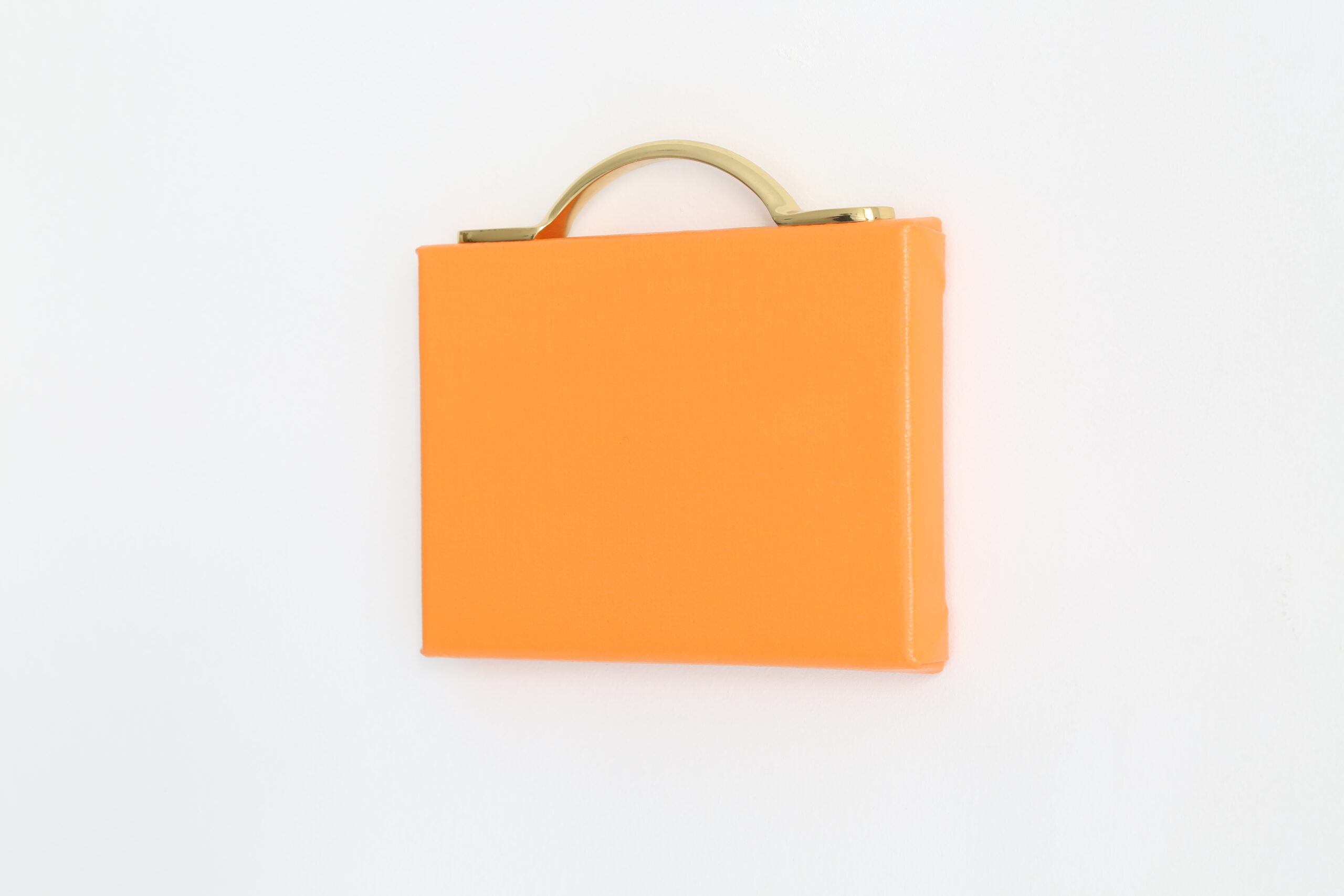
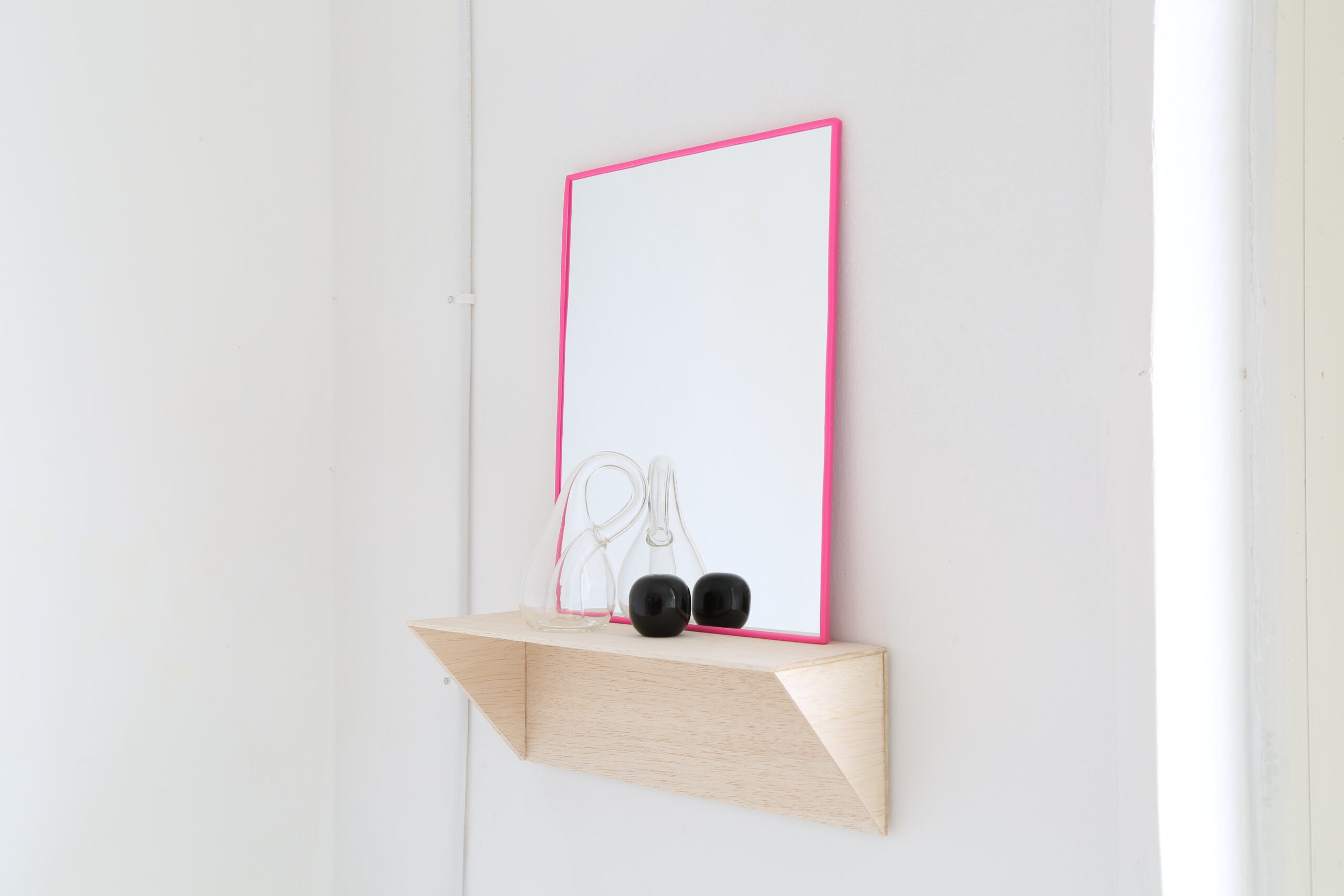
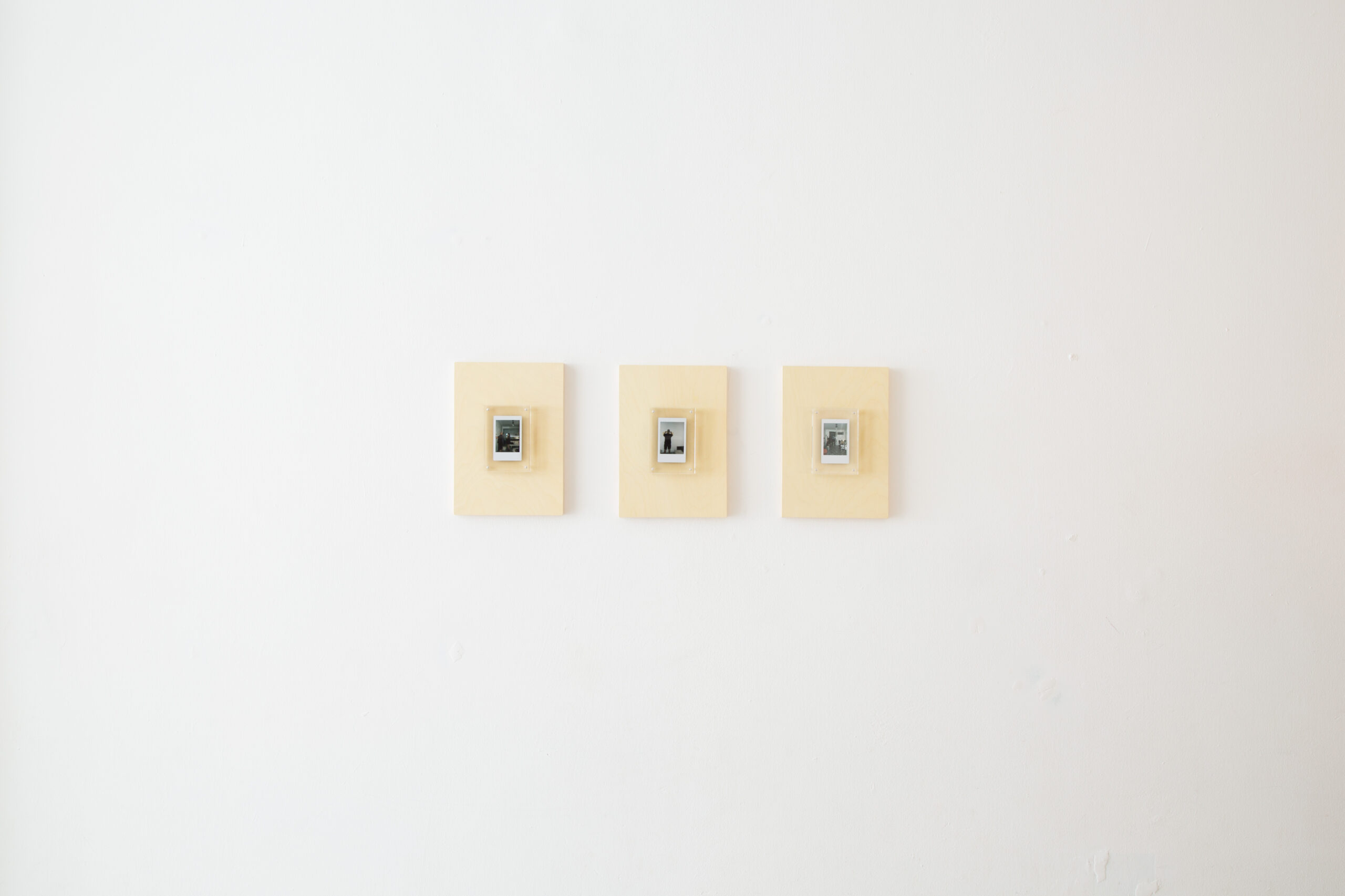
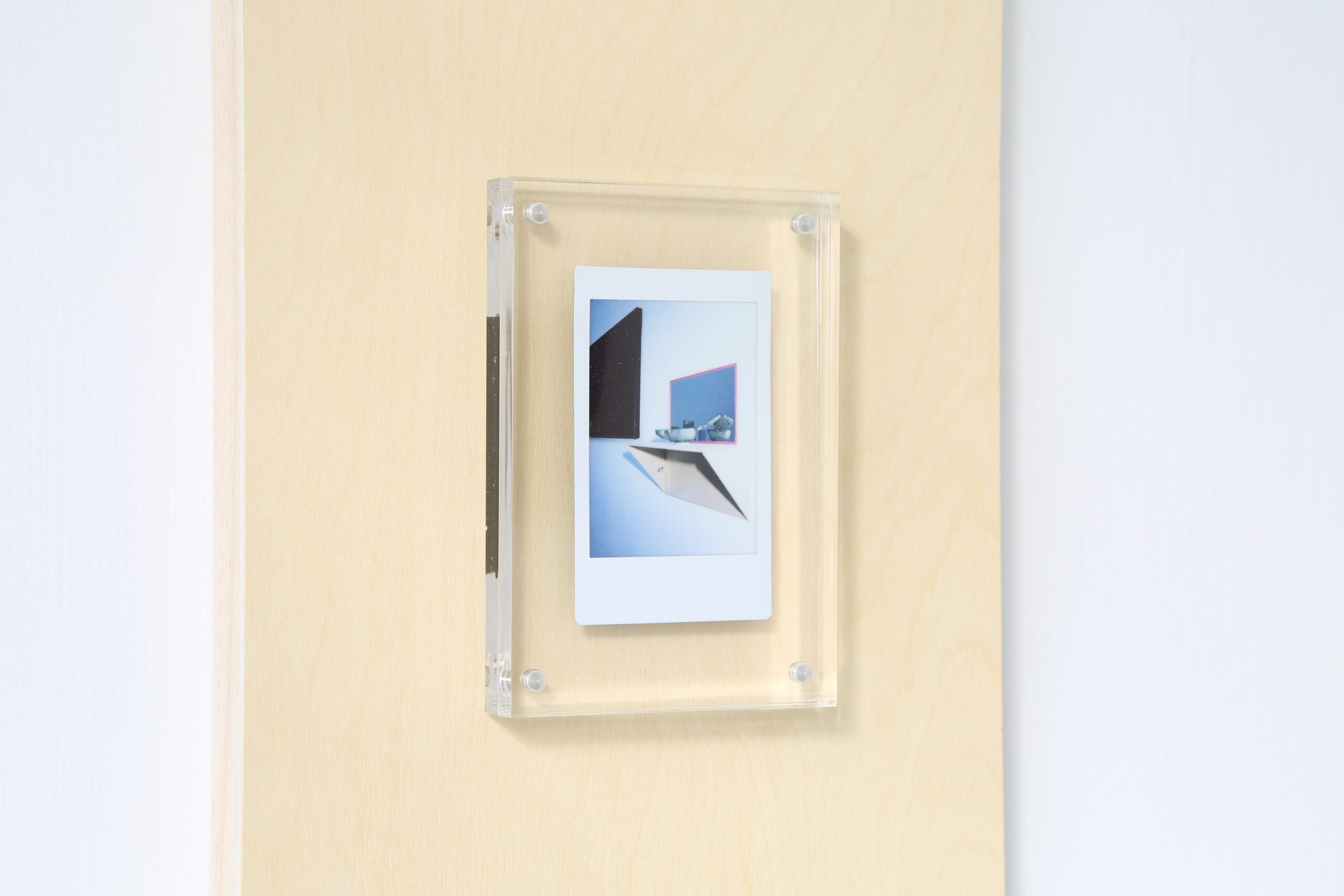
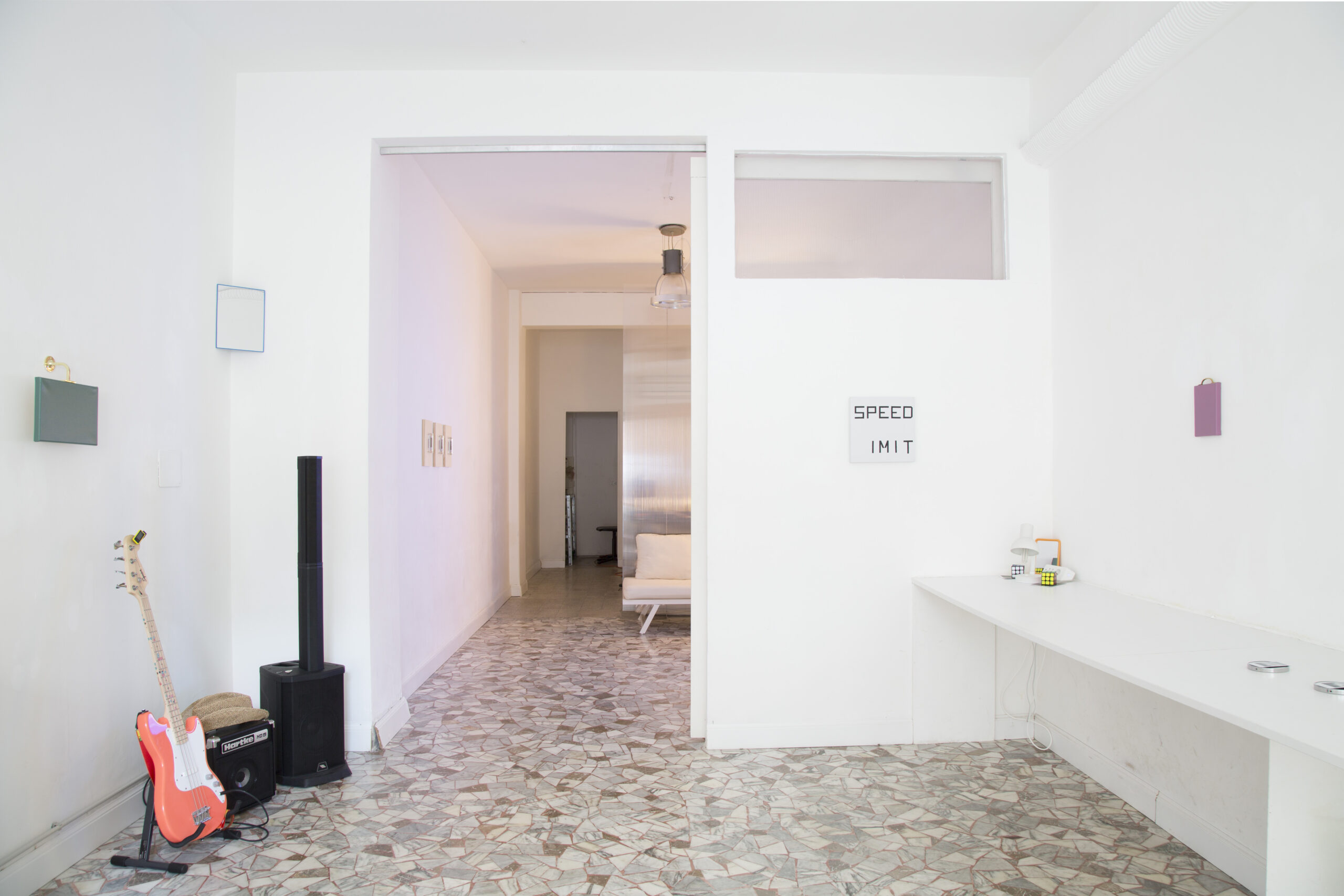
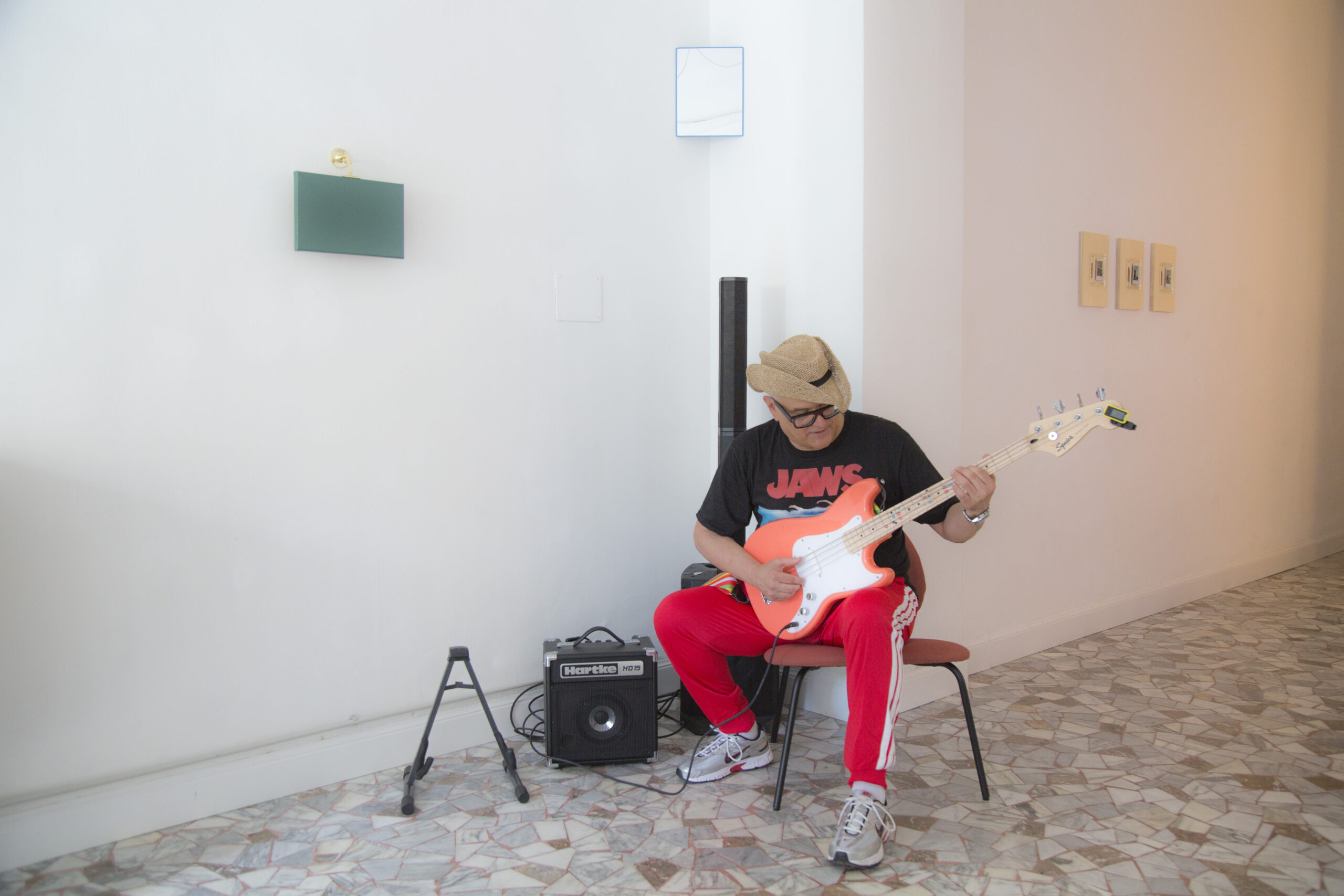
There was a time when it was customary to keep a photograph inside one’s wallet: a portrait of loved ones and relatives, ubiquitous and private, kept close and folded away. Juan Bolivar’s The Pictures Within begins with that small gesture, and with the idea that an exhibition, too, might become a place for the pictures we carry with us. Curated by Ginevra Ludovici and developed during Bolivar’s 2025 fellowship at the British School at Rome, the show inaugurates Logics of movement, the second public research program of 10 documents.
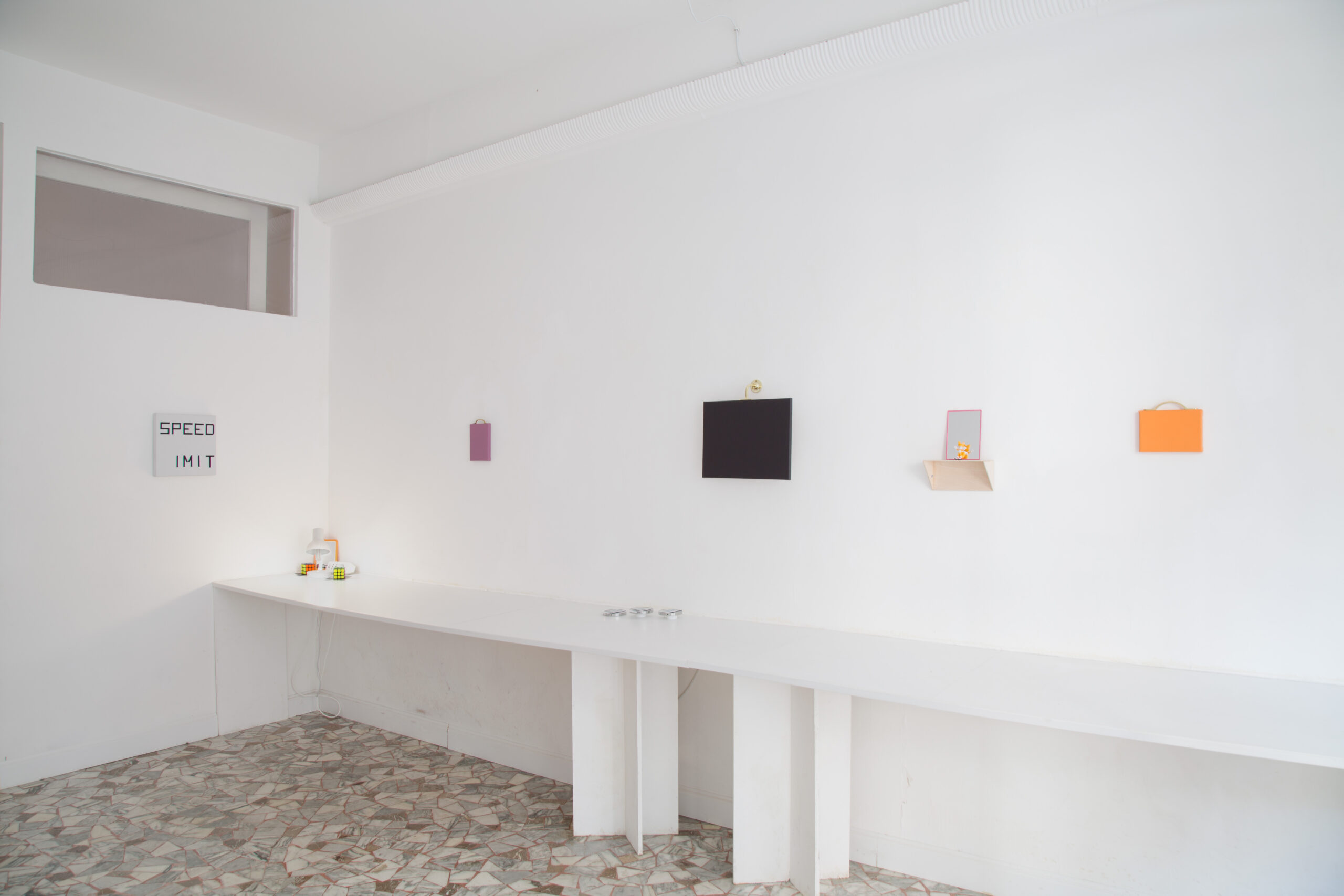
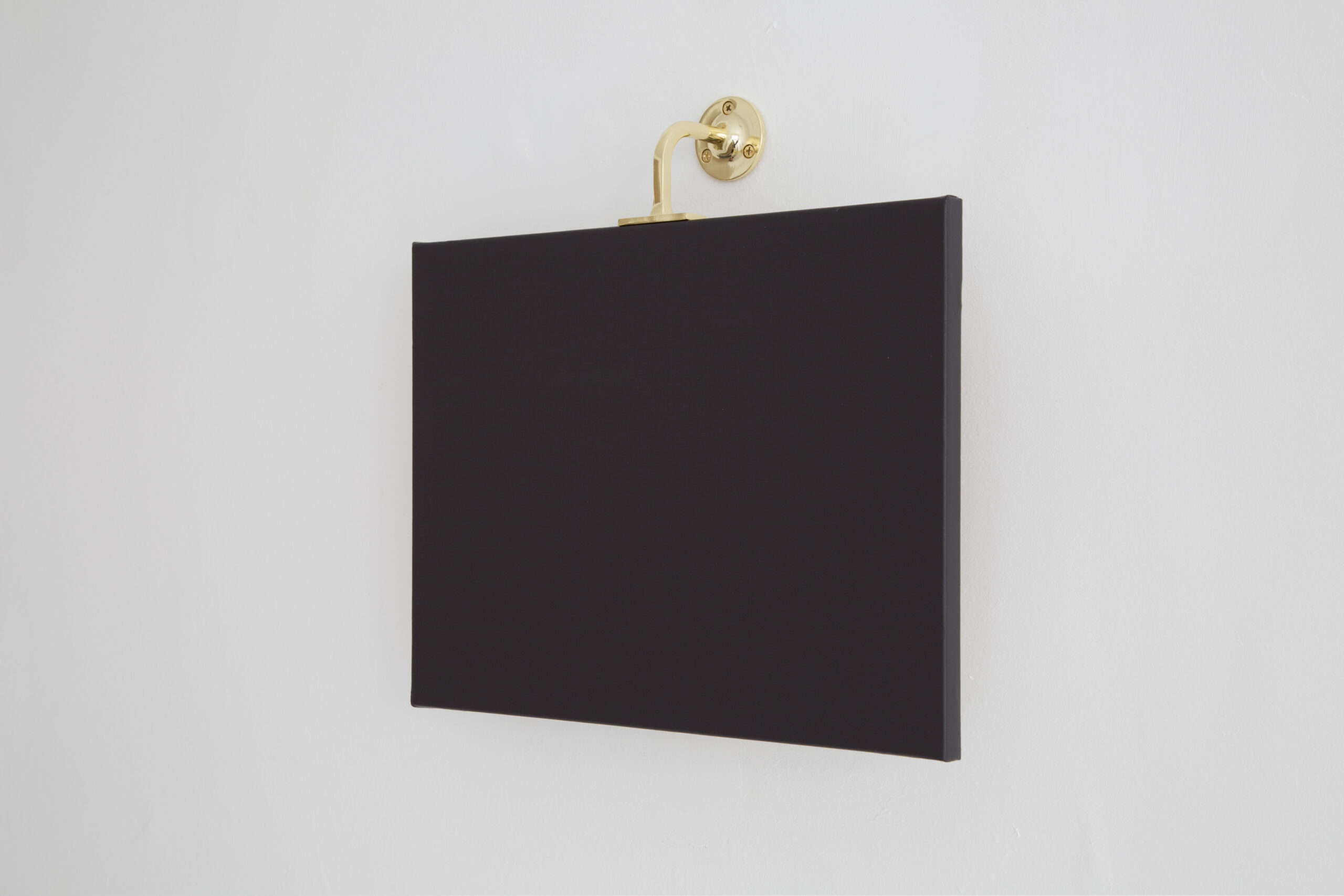
The title points first to the Roman fresco. In the houses of Pompeii, images were set within the wall itself: they were pictures, not windows — surfaces that held a scene without pretending to open onto another world. Bolivar’s monochromatic paintings inherit this logic. Built up in many layers and tuned, like an instrument, until they settle, they recall at once the mineral surfaces of Pompeian walls and the sprayed, saturated skin of a car, the fresco and the bodywork meeting on the same plane. Several are “assisted frescoes,” small panels that incorporate a found object; an earlier work, SPEED IMIT (2015), brings the language of the road and the speed sign into the same field. Quiet and atmospheric, and faintly funny, these paintings do not so much describe a place as create one: a low, even hum against which the rest of the show can be heard.
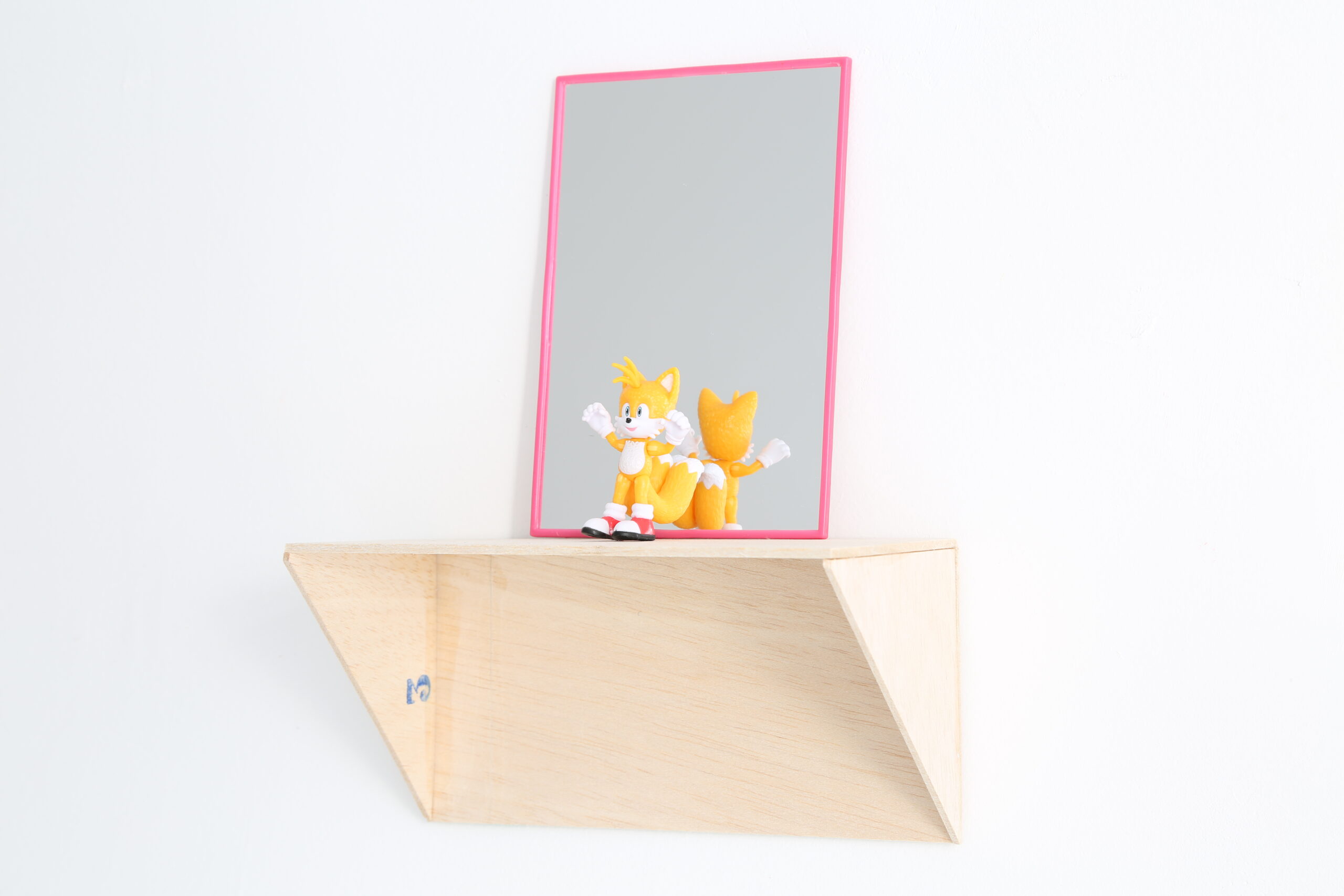
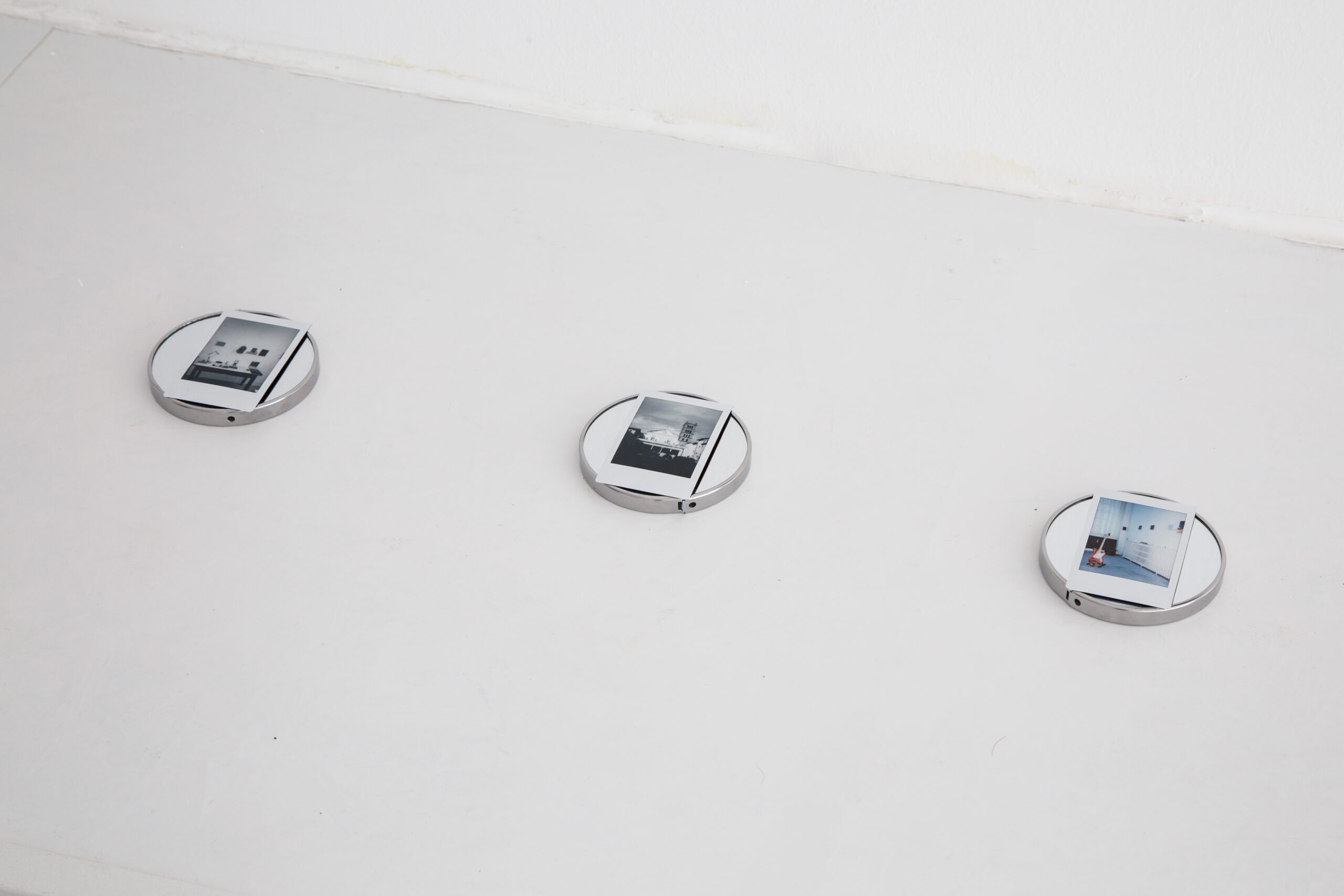
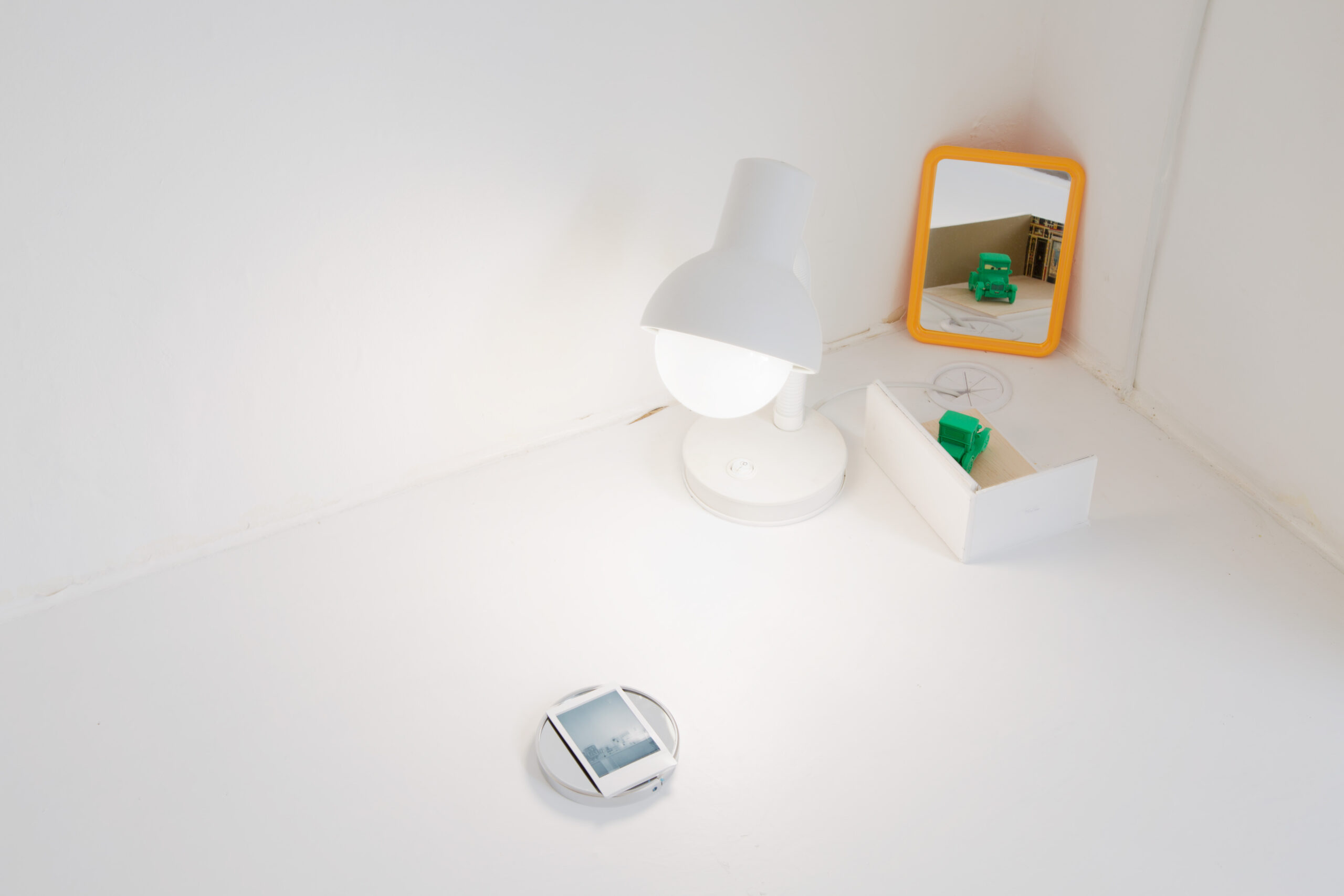
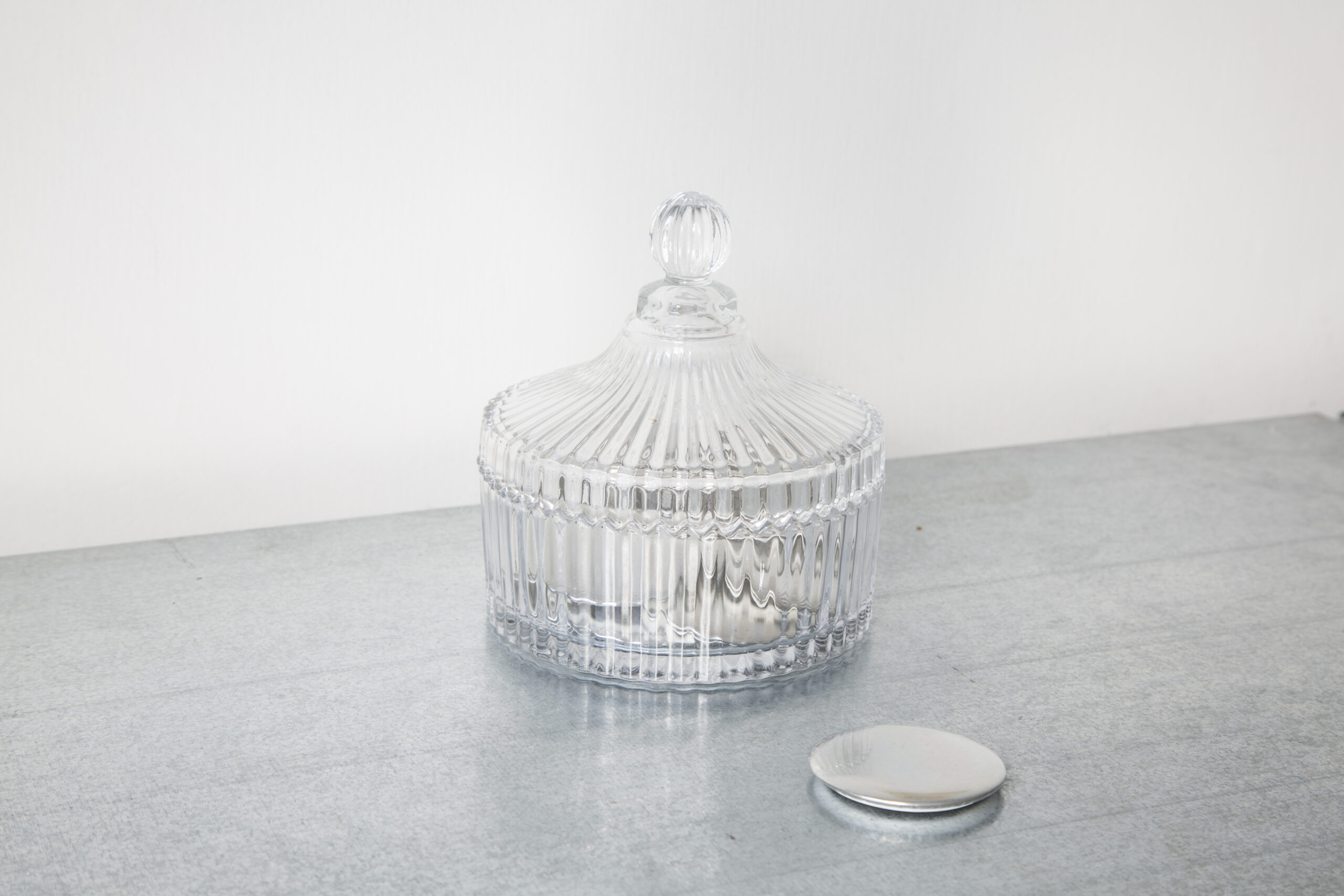
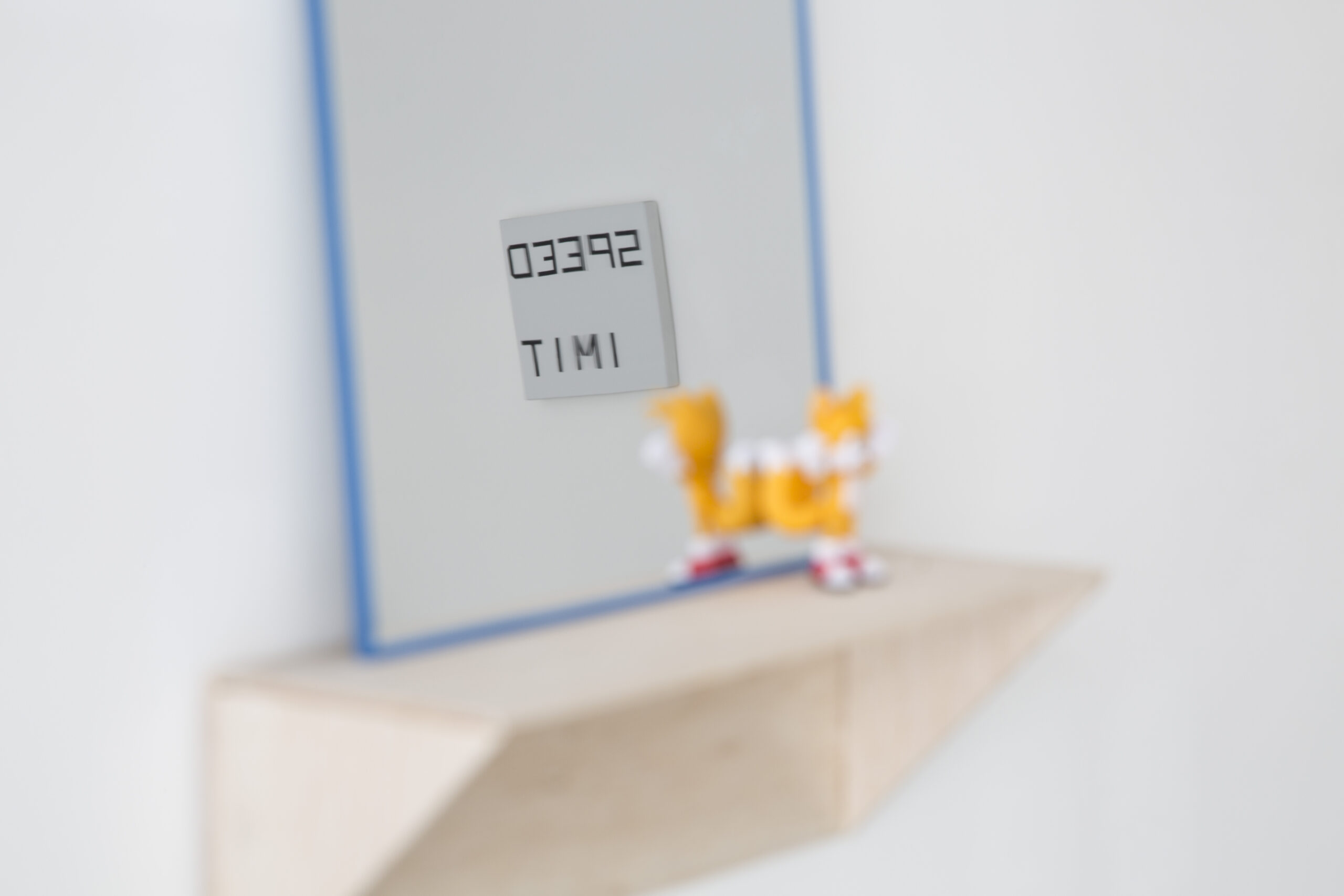
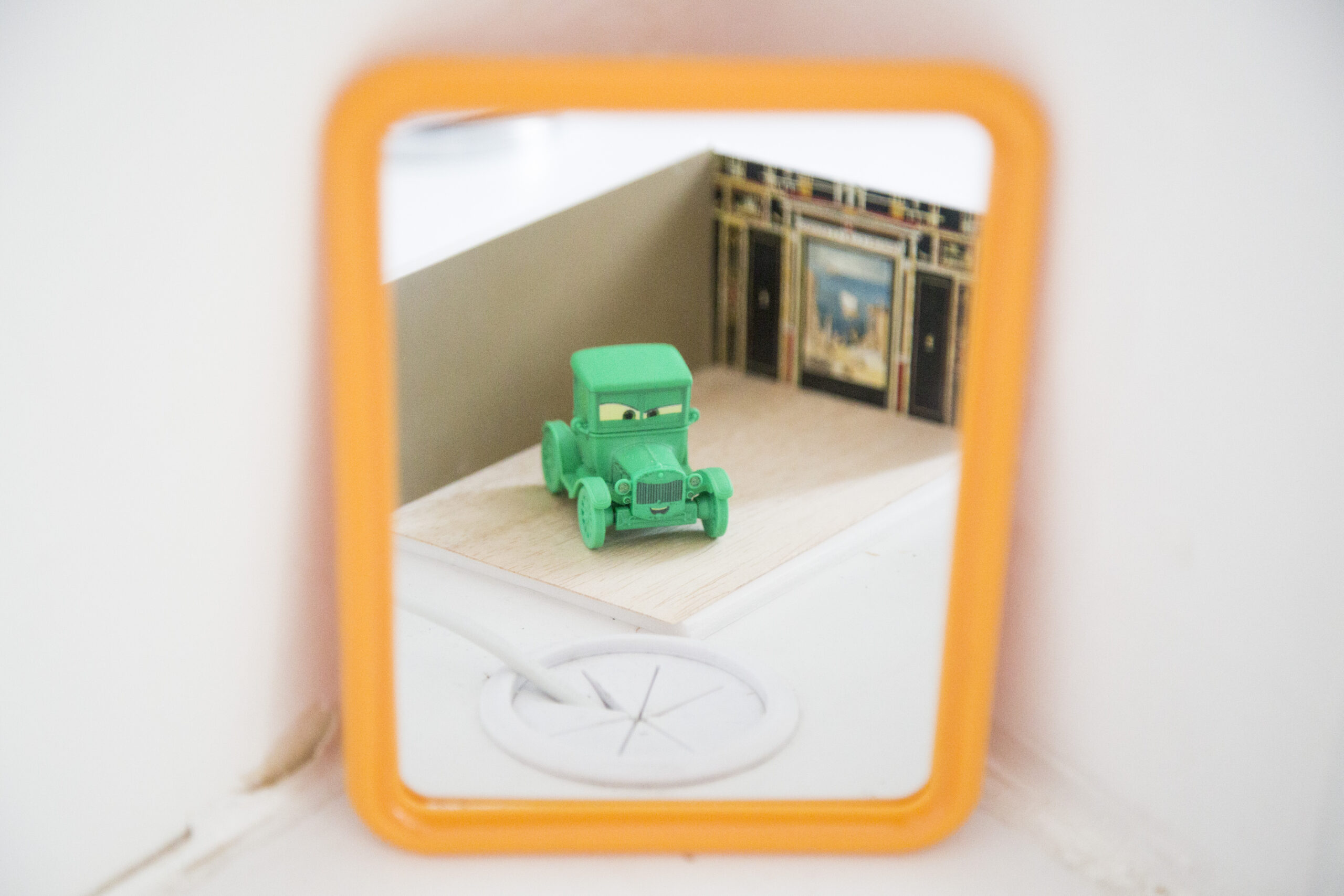
Around the paintings gathers a constellation of humble things. Everyday objects of little value, such as the top of an aftershave bottle or a small Sonic the Hedgehog figure, are assisted, retuned and set into the environment, where they take on the air of relics or instruments. Bolivar’s readymade is never cool or deadpan but warm, playful and quiet, aimed at the production of atmosphere. Among these objects, too, are tiny circular mirrors, made as an edition, that recall a strange episode from the history of pilgrimage: the medieval pilgrims who held small mirrors up to distant relics, believing the glass would catch and store the holy light so that they could carry it home. The mirror, in this story, is an early machine for capturing an image and keeping it, a distant ancestor of the photograph in the wallet, and of the Polaroid.
One object among these found materials gives the exhibition its emblem. It is a Klein bottle: the topological figure whose surface folds through itself so that inside and outside become continuous, a container with no true interior and no true exterior. It is a form that recurs in the imagery of quantum physics, where the ordinary rules of containment give way, and it is also a precise portrait of what the whole show is doing: dissolving the line between what holds and what is held, so that the picture is always already within.
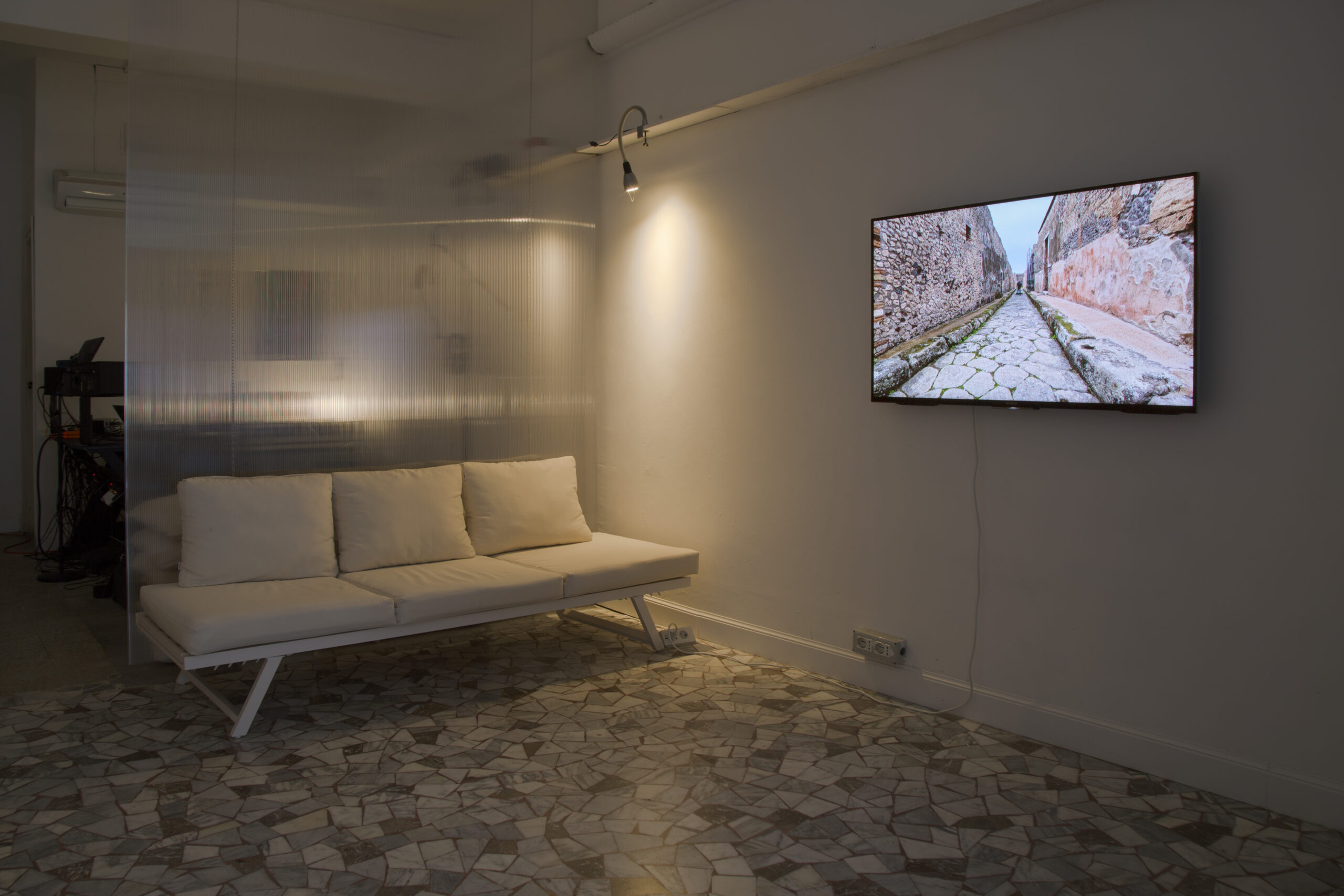
At the centre of the exhibition is Bolivar’s first film, and it takes the form of a journey. A travelling musician — a troubadour, the itinerant figure who once moved between towns carrying songs and passing them on transformed — sets out through Pompeii, among its frescoes and its streets, and the path he follows leads, in the end, to 10 documents itself. There the film hands over to the room: at the opening, Bolivar steps into the troubadour’s part, playing an hour of music he has gathered, edited and re-edited from across the globe and across time, and marking it with a fleeting gesture of air guitar. The mixtape is his true medium here, a way of making that consists in collecting, sequencing and re-sequencing what already exists, and this moment completes the film’s journey in the present tense, in the very space the exhibition occupies. The film’s own score is an original composition by Aedan Kehoe.
What binds this constellation together is less a single subject than a coexistence of times. The exhibition gathers several temporalities of experience and lets them sound at once: the deep, archaeological time of Pompeii and its frescoes; the slow, durational time of the monochromes, layered and re-layered until they settle; the instant of the Polaroid, an image made in a single click and already faintly obsolete; and the live, present tense of the music selection, unfolding in the room for the length of an hour. To move through the show is to pass continually between these registers, between what has survived for centuries and what lasts only as long as a song.
The Polaroids are, in fact, new territory for Bolivar, who had never worked with the format until he began photographing in Rome. They picture the objects and spaces of the research, and the making of the exhibition itself: two series of three that fold the process into the work, pairing images taken now with images taken during the fellowship. The Polaroid is itself something to be carried: an instant image, sized to be held in the hand and slipped into a pocket.
What remains is the exhibition’s second sense of the pictures within: the pictures we carry with us. Bolivar draws his monochromes, his found objects, his Polaroids and his film into something like a repository for memory, a place built to hold the images we keep close and fold away, and the songs we carry from one place to another and quietly rearrange along the way.
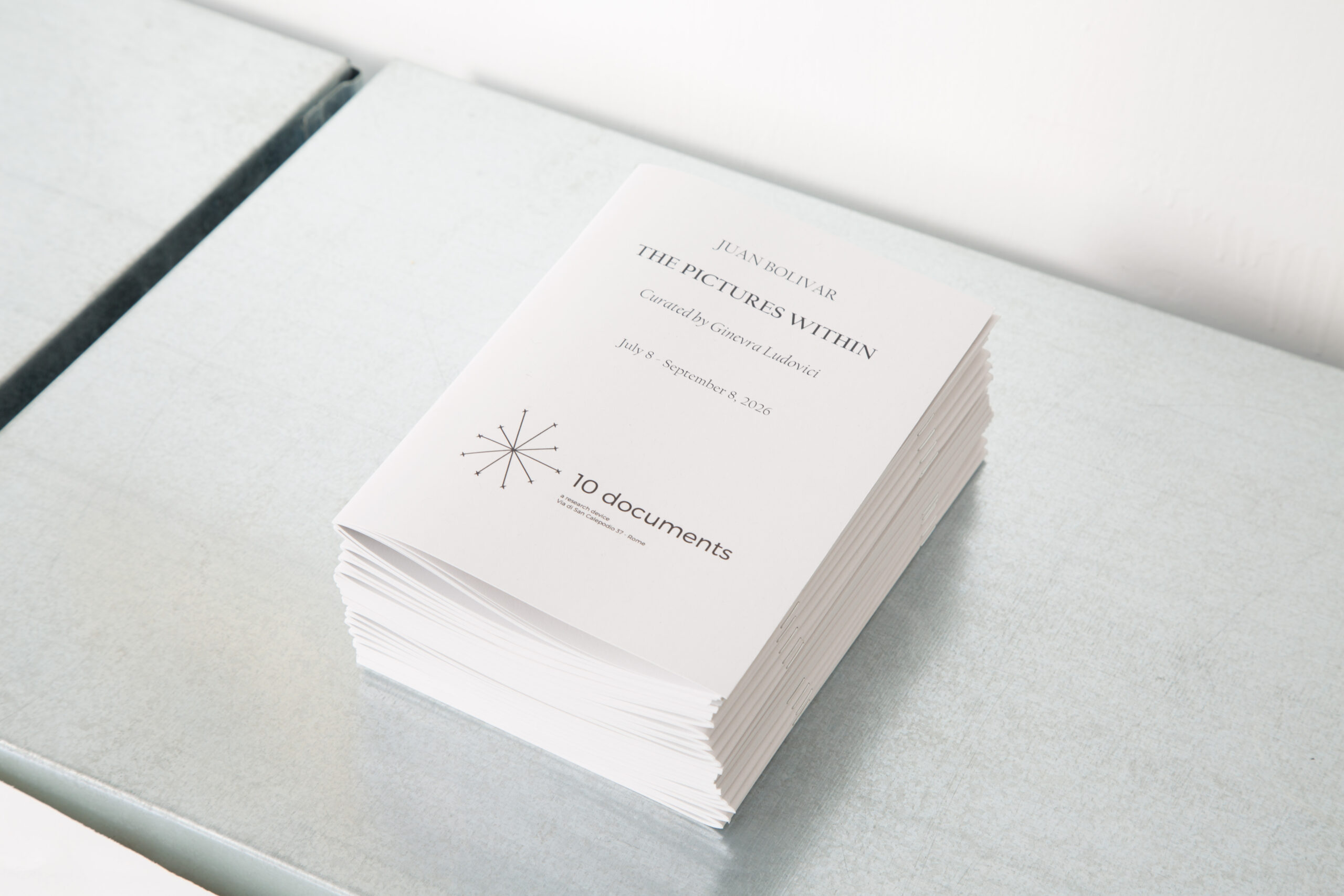
The Pictures Within is accompanied by a publication from Alpine Road Publishing, with texts by Juan Bolivar, Karen David and Myles McCallum.
___________
Juan Bolivar is a Venezuelan-born British artist and lecturer in painting at the University of the Arts London. His paintings question and celebrate abstraction’s etymology through historical analysis, magic realism, materiality, mediated experience, cinema, music and popular culture. He received a Pollock-Krasner Award in 2000 and 2009; residencies and exhibitions include New British Painting, John Hansard Gallery (2004), East International (2007), Macro Asilo, MACRO, Rome (2019), Bauhaus Museum, Dessau (2019), Bauhaus-Universität Weimar (2021), and Artists Letters, C.A.P., Kobe, Japan (2025). In 2025, Bolivar was a British School at Rome Research Fellow, examining Roman frescoes and their social setting.
10 documents is a platform for artistic, curatorial, and theoretical research developed through public research programs, each dedicated to a different object of inquiry. Through exhibitions, gatherings, publications, conversations, and sonic or performative acts, it creates a living archive each time — a collective lexicon built through presence, reiteration, and listening. Inspired by the Documents journal directed by Georges Bataille in 1929–1930 — and its appendix in particular — it treats documents as matter and language as an index. Founded in 2025 by Ginevra Ludovici and Flavio Michele, 10 documents falls for almost anything.